




Training programs
Your people rehearse the hard conversation before it counts, with a debrief and a second go.
Training programs

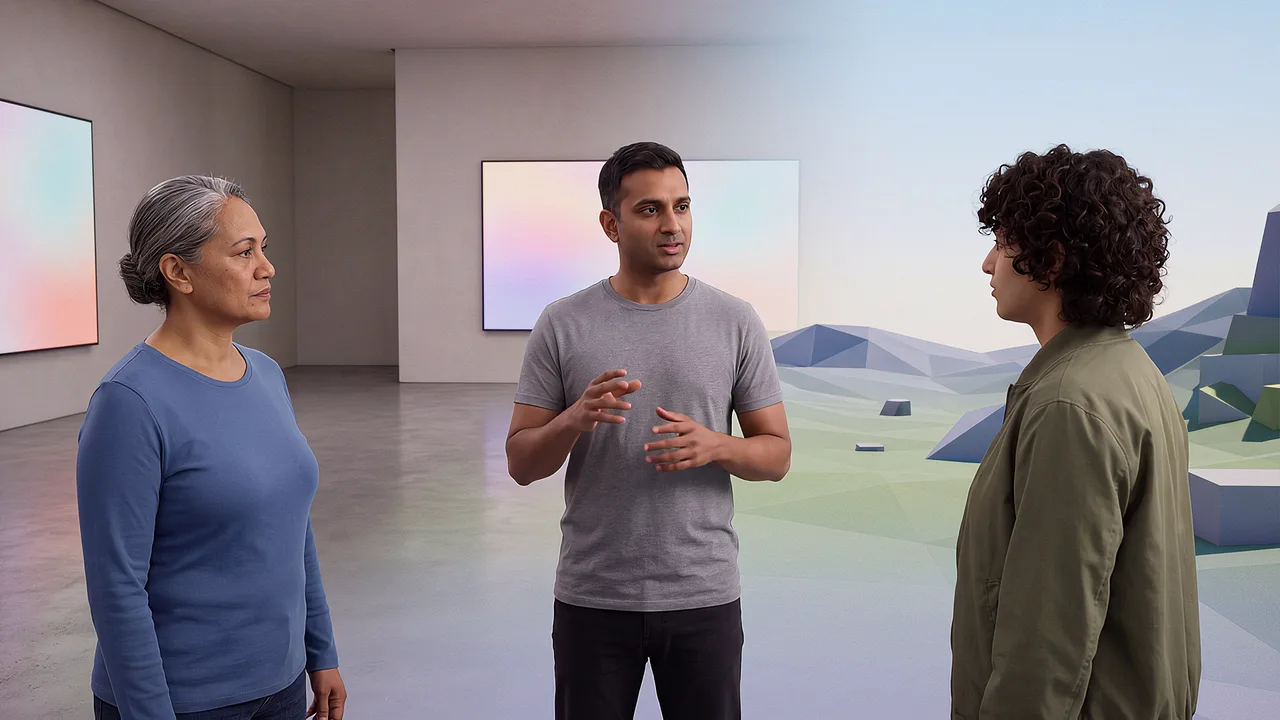
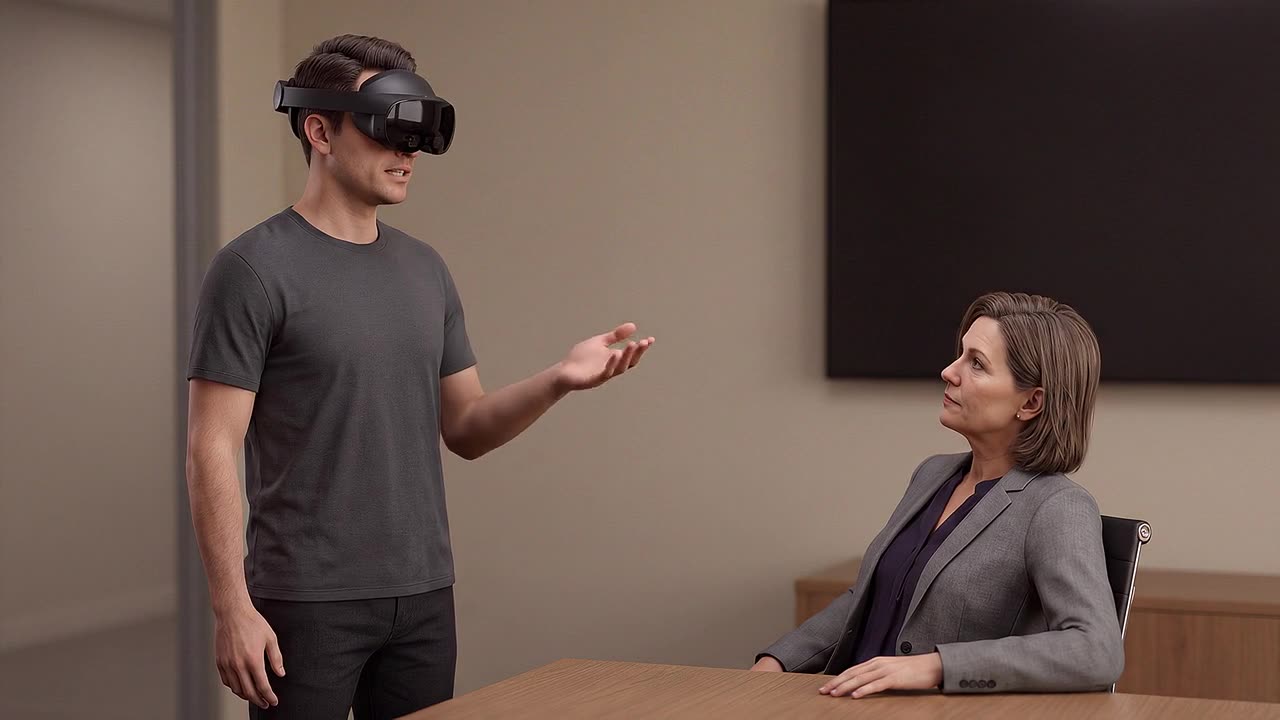
Practice rooms for the conversations people dread, in a headset, a browser or a real room.
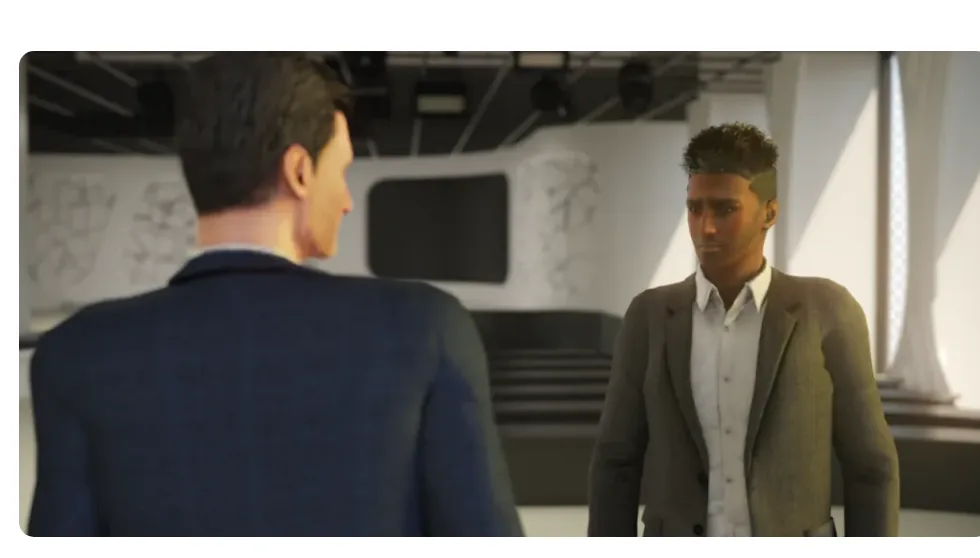
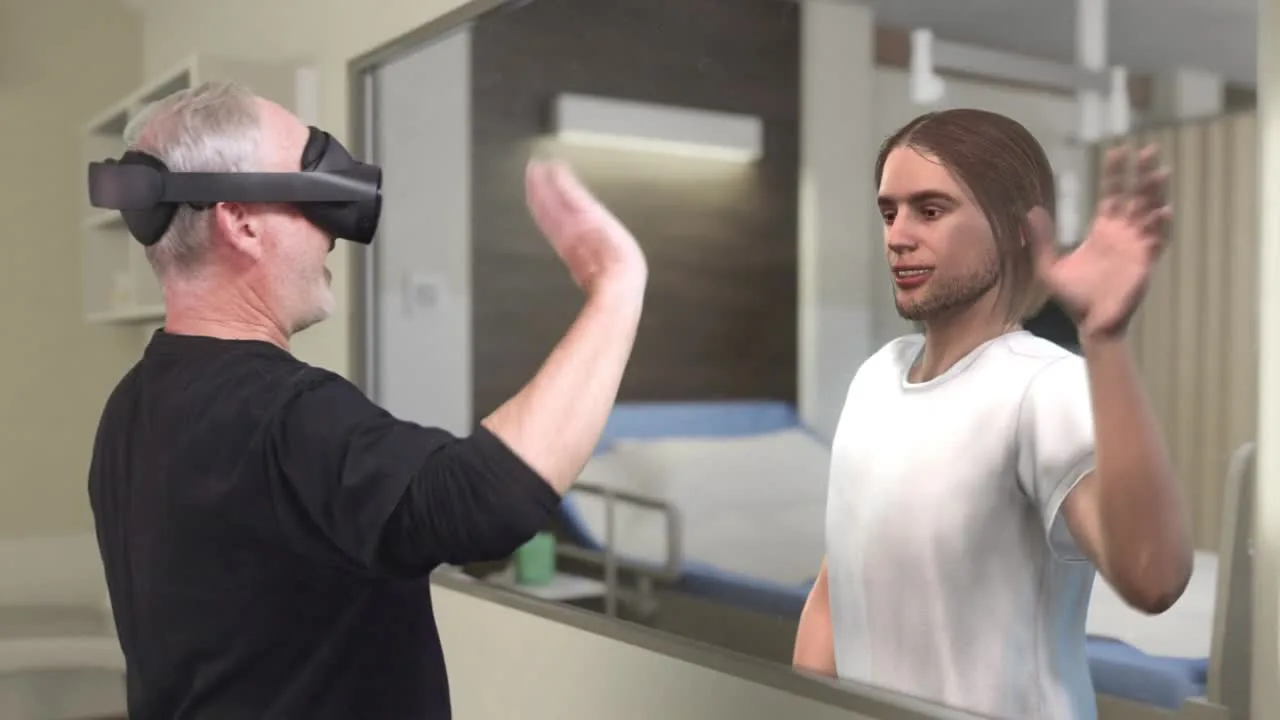
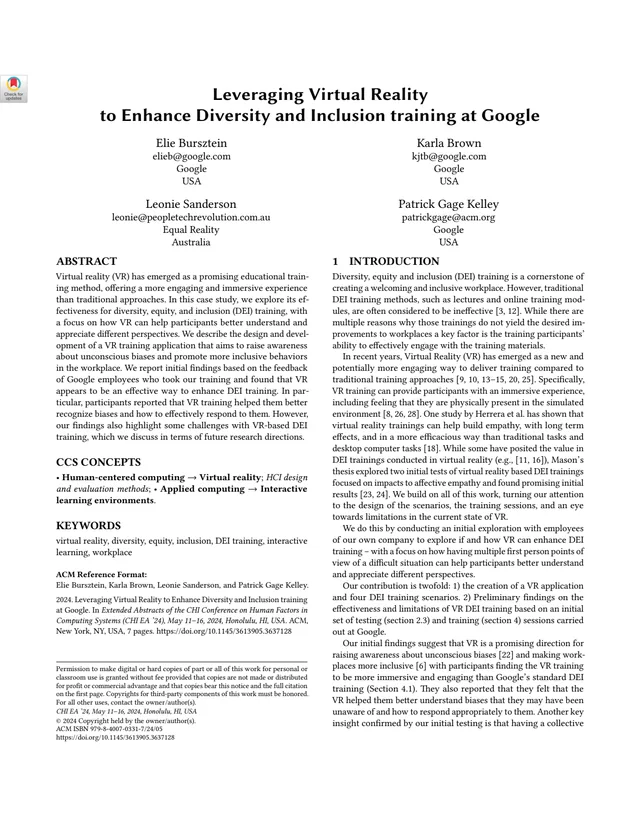
 VR inclusion training led by PTR co-founder Leonie Sanderson, built with Equal Reality, a subsidiary of People Tech Revolution, and Google’s employee volunteers, and evaluated in a paper at ACM CHI 2024 she co-authored.
Explore the case study
VR inclusion training led by PTR co-founder Leonie Sanderson, built with Equal Reality, a subsidiary of People Tech Revolution, and Google’s employee volunteers, and evaluated in a paper at ACM CHI 2024 she co-authored.
Explore the case study
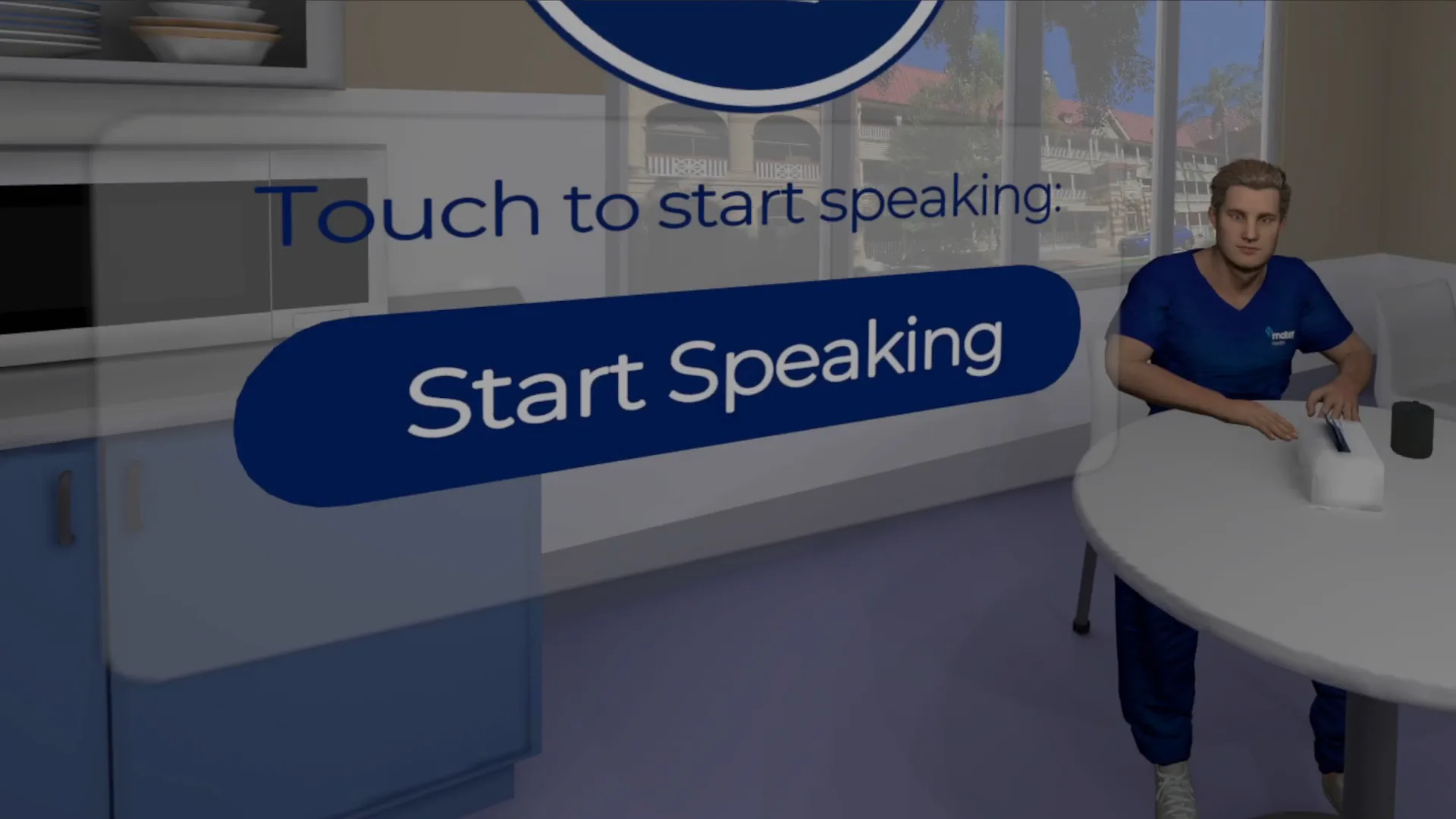
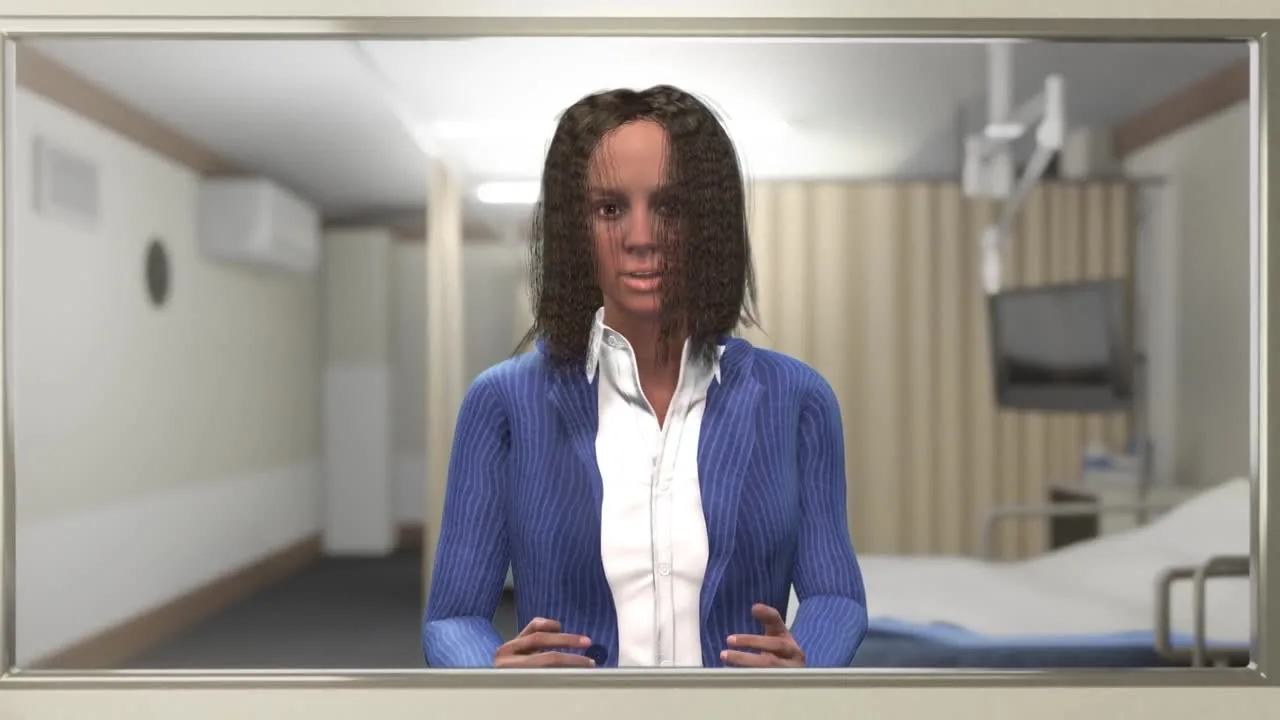
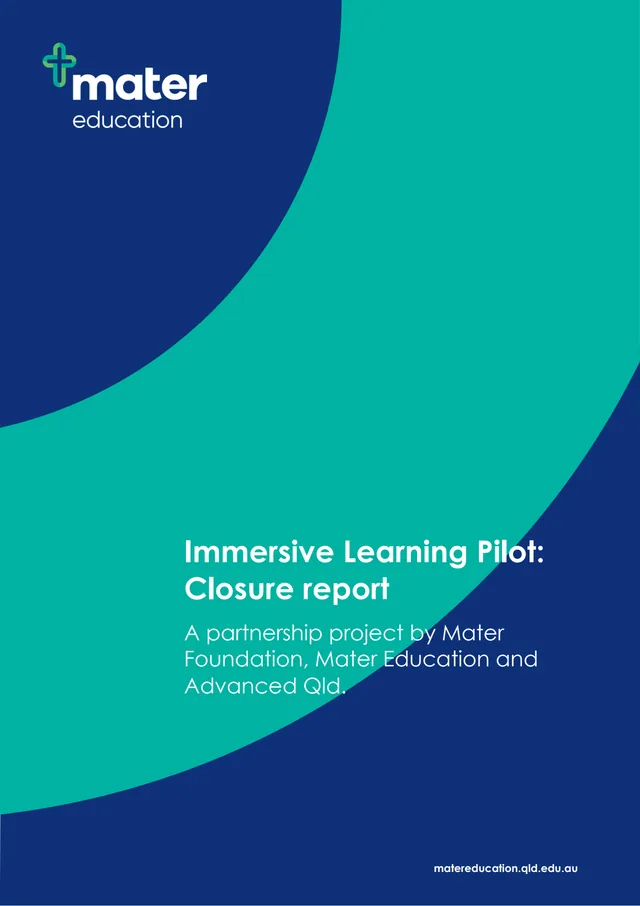
 Speaking with Good Judgement: VR communication practice delivered across Mater campuses, backed by Advance Queensland.
Explore the case study
Speaking with Good Judgement: VR communication practice delivered across Mater campuses, backed by Advance Queensland.
Explore the case study
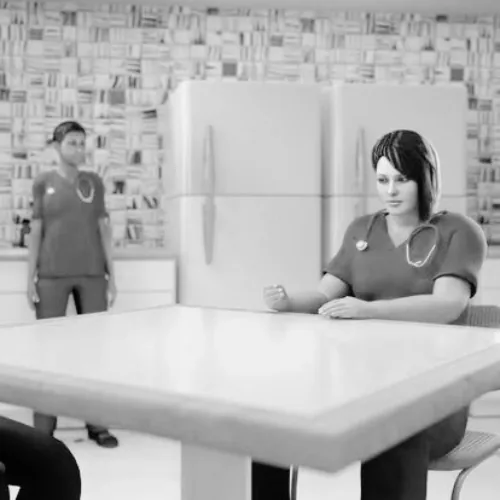
 A Day In a Lifetime was offered to 1,149 nurse and social-worker leaders, with peer-reviewed empathy and upstander gains.
Explore the case study
A Day In a Lifetime was offered to 1,149 nurse and social-worker leaders, with peer-reviewed empathy and upstander gains.
Explore the case study

 A two-day cabin crew inclusion pilot using the Everyday Inclusion and Mind Shift modules.
Explore the case study
A two-day cabin crew inclusion pilot using the Everyday Inclusion and Mind Shift modules.
Explore the case study

 Community disability-awareness VR delivered across council services and events.
Explore the case study
Community disability-awareness VR delivered across council services and events.
Explore the case study
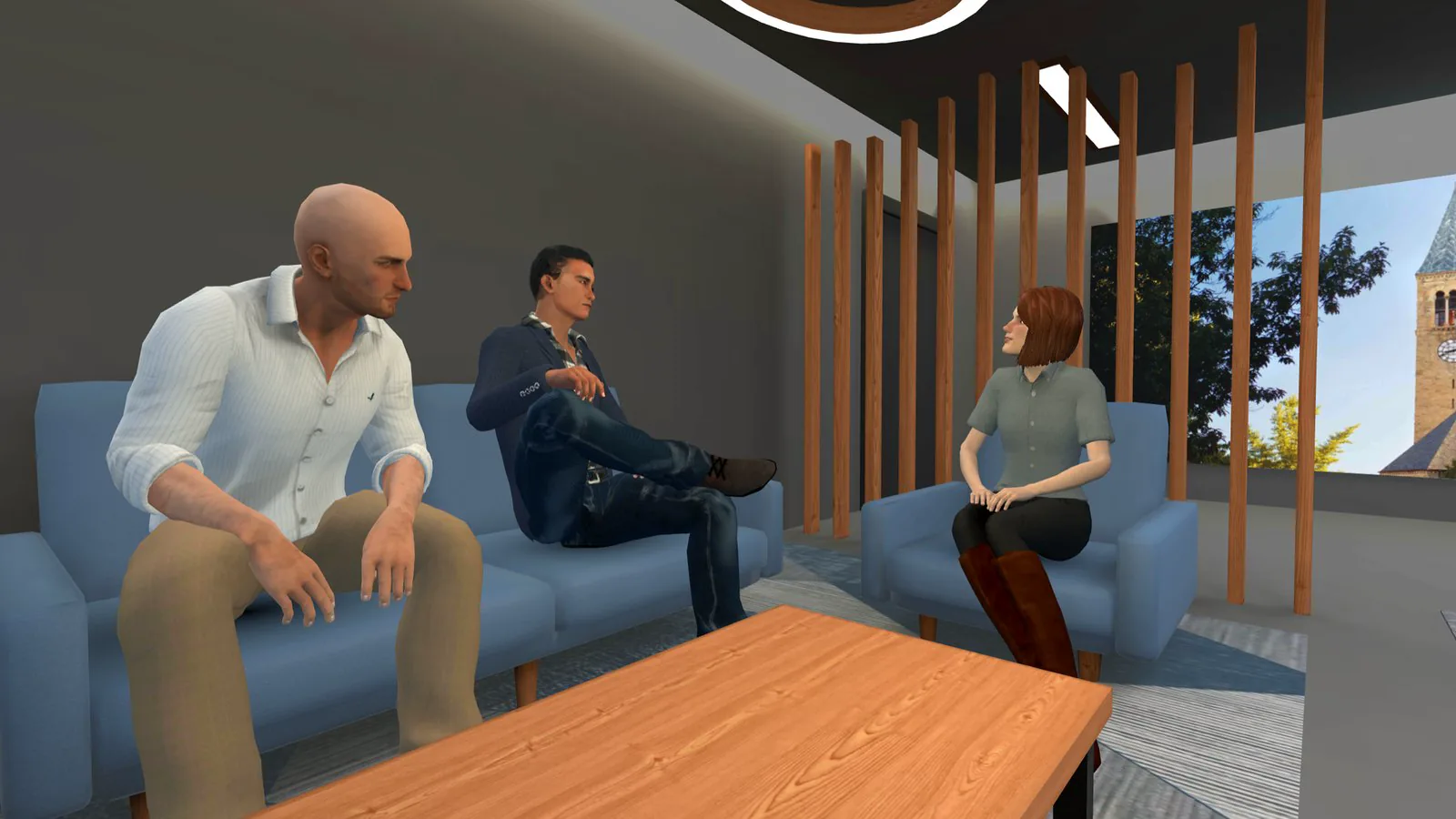
 Everyday Inclusion, the three-part VR experience on unconscious bias, co-designed with Cornell University.
Explore the case study
Everyday Inclusion, the three-part VR experience on unconscious bias, co-designed with Cornell University.
Explore the case study

Your people rehearse the hard conversation before it counts, with a debrief and a second go.
Training programs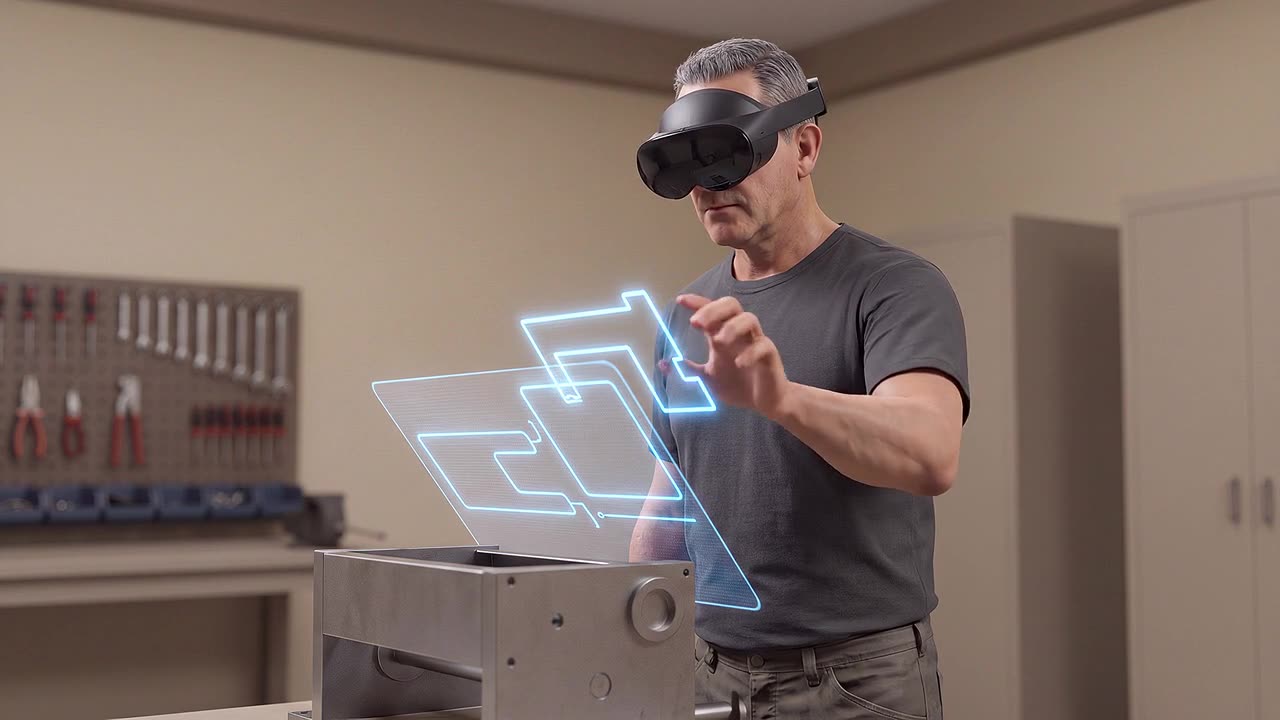
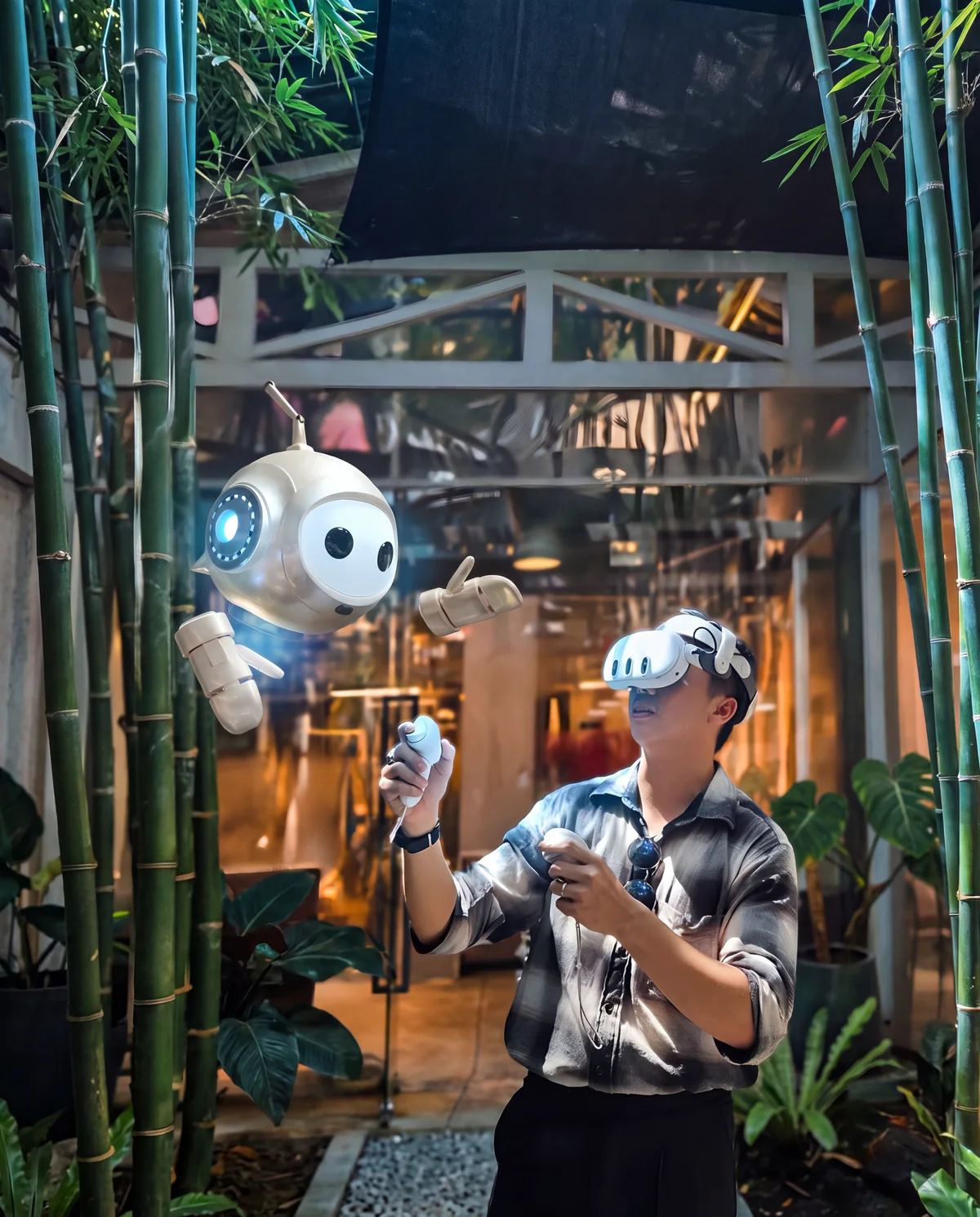
Virtual, augmented and mixed reality: a headset or a phone puts a scene in front of you, or over the room you are in.
What XR is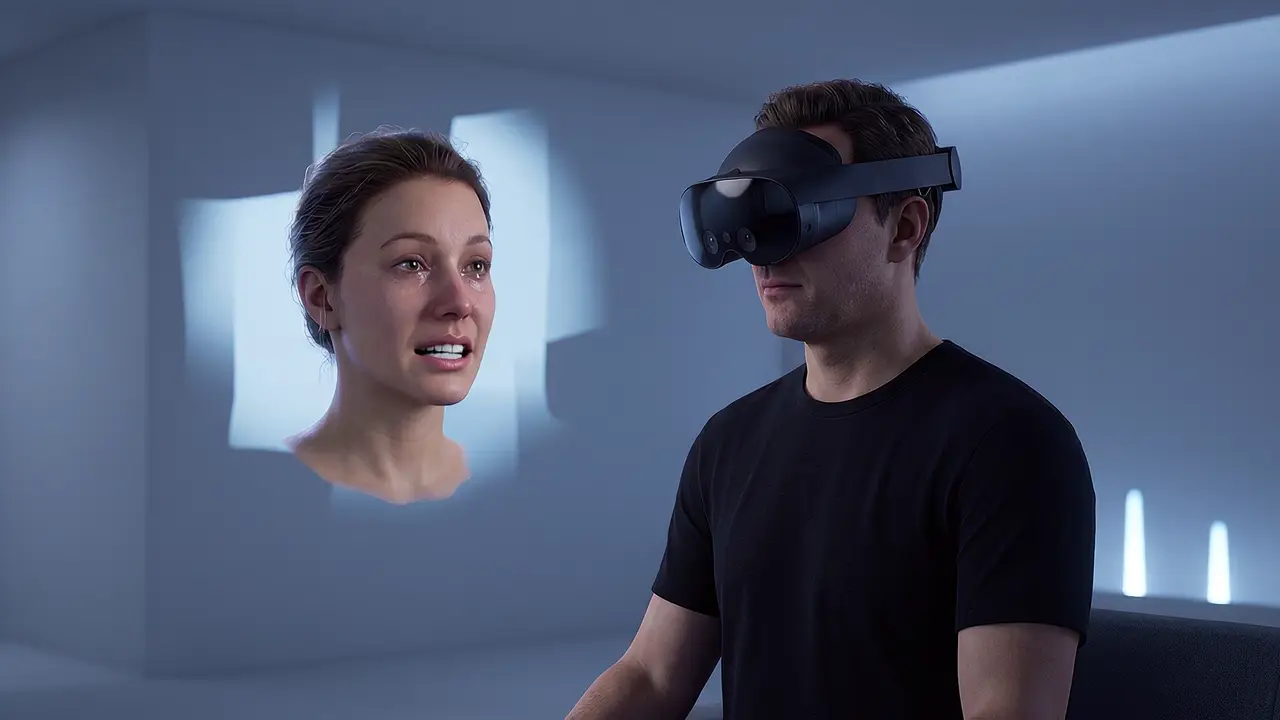
Characters that listen and answer back, twins of real experts, and roleplay in a browser.
What our AI does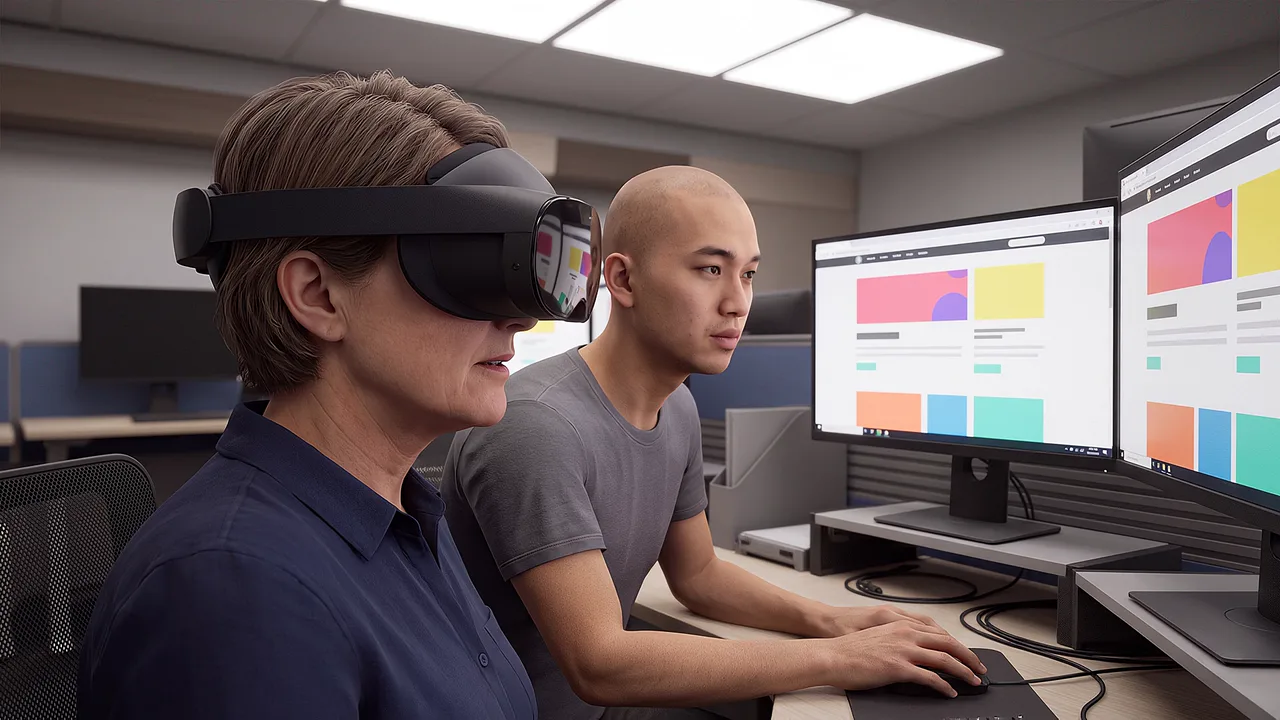
A working version of your idea in days, in the hands of the people who will use it.
See fast builds
A scene you stand in is practice. A character who reacts to what you say makes it real.
Together they turn a briefing into a rehearsal.
Pick the one your team finds hardest.
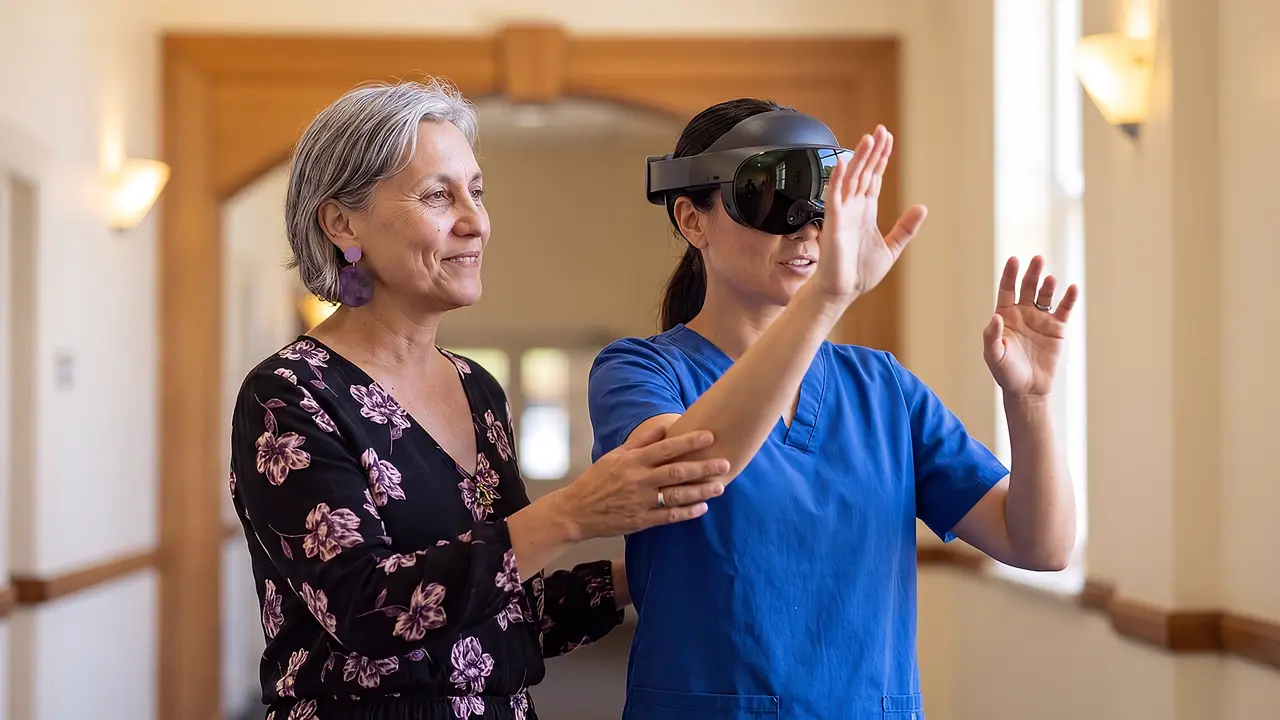
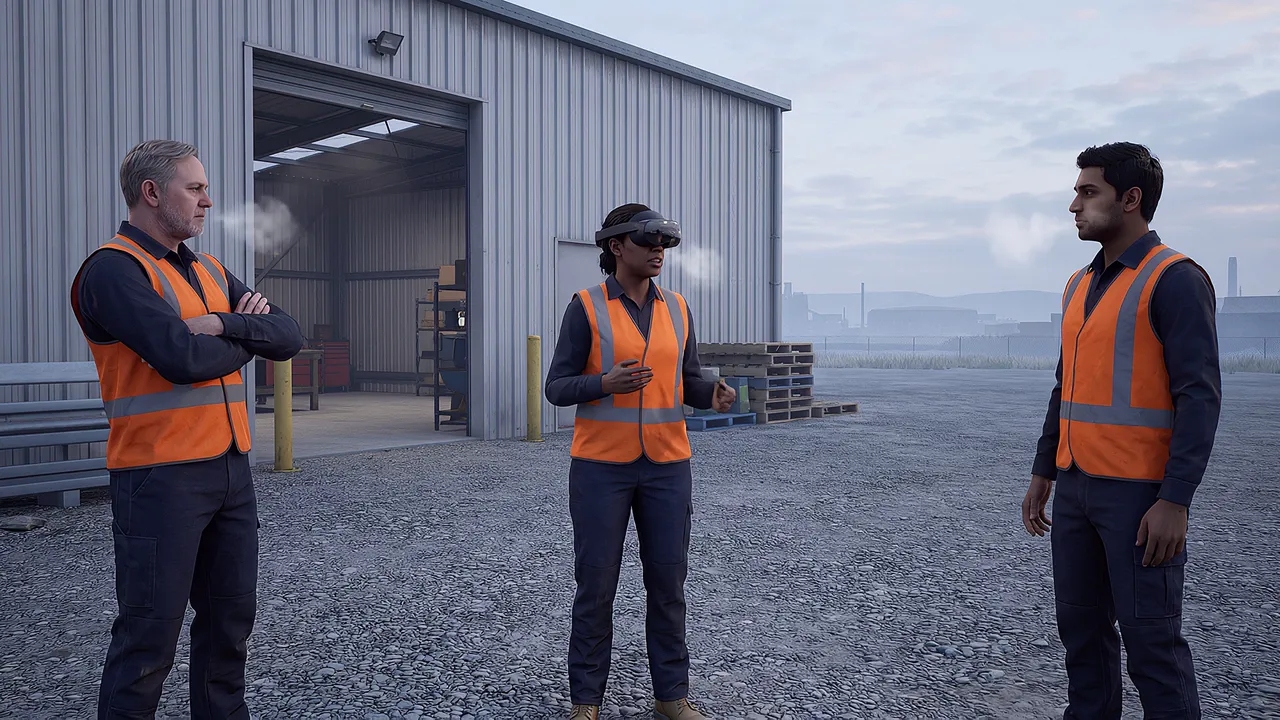
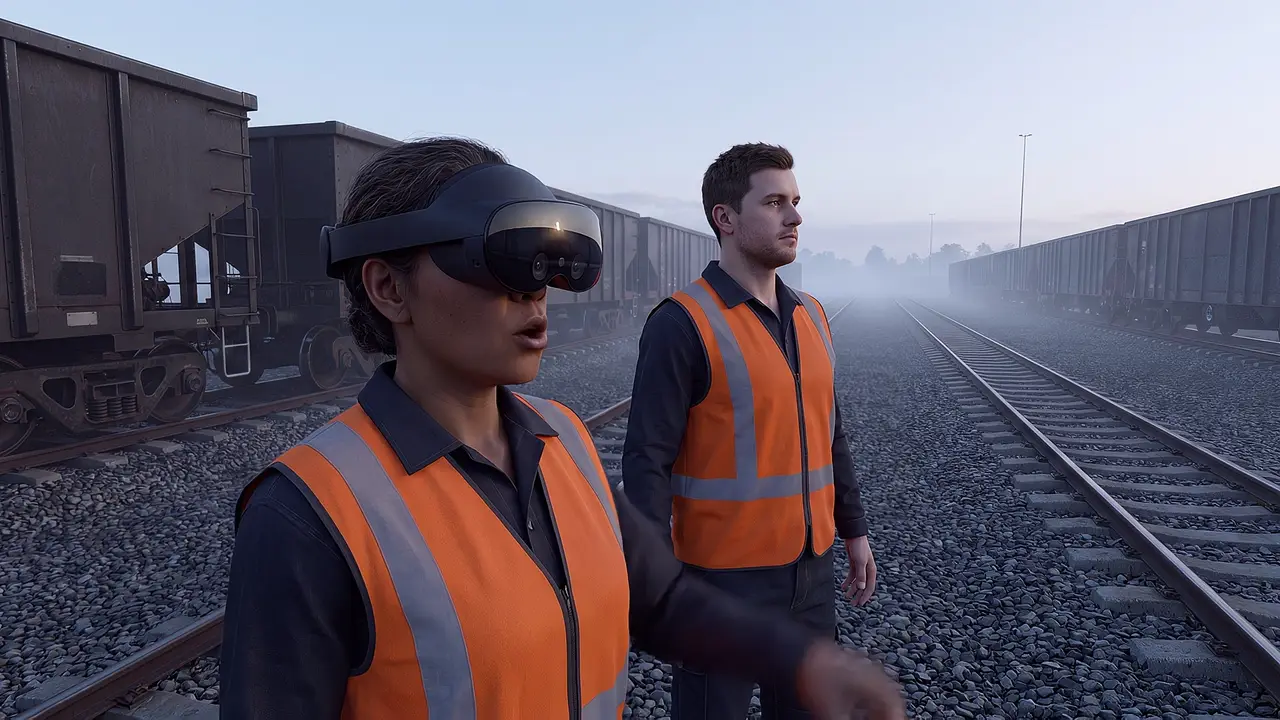
Speaking up for safety. Raise the risk with someone senior, and practise hearing it too.
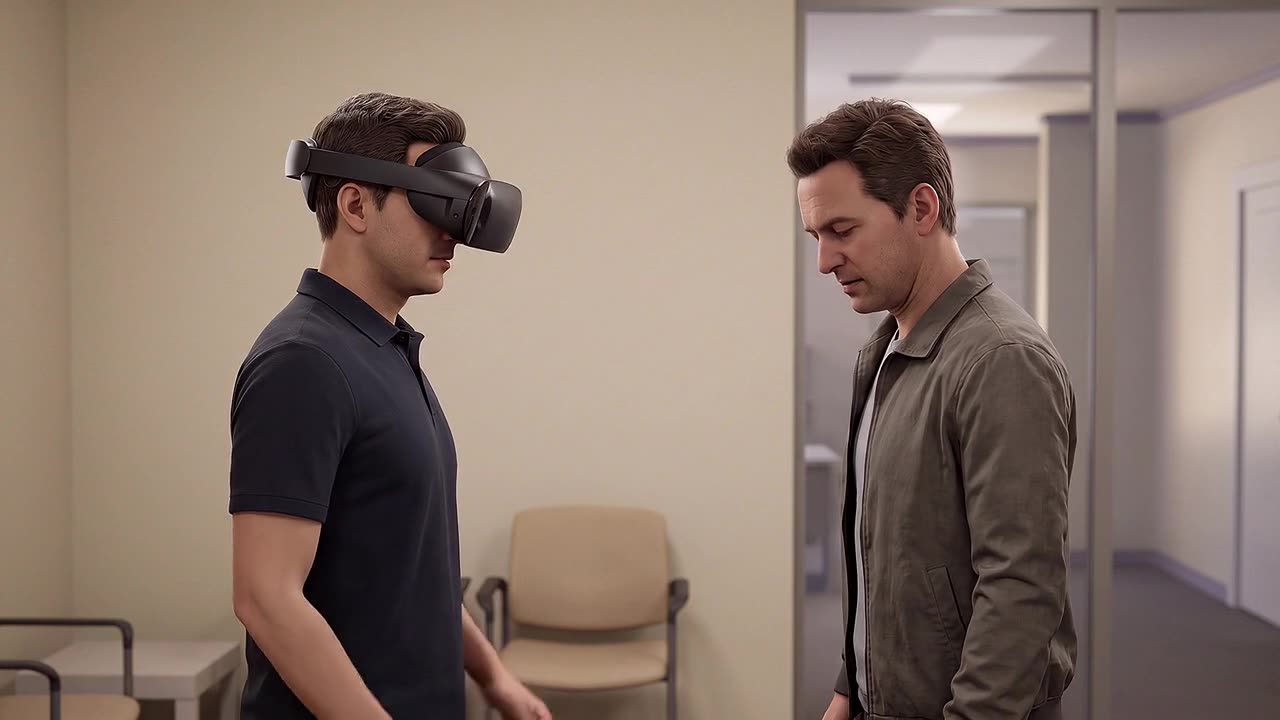
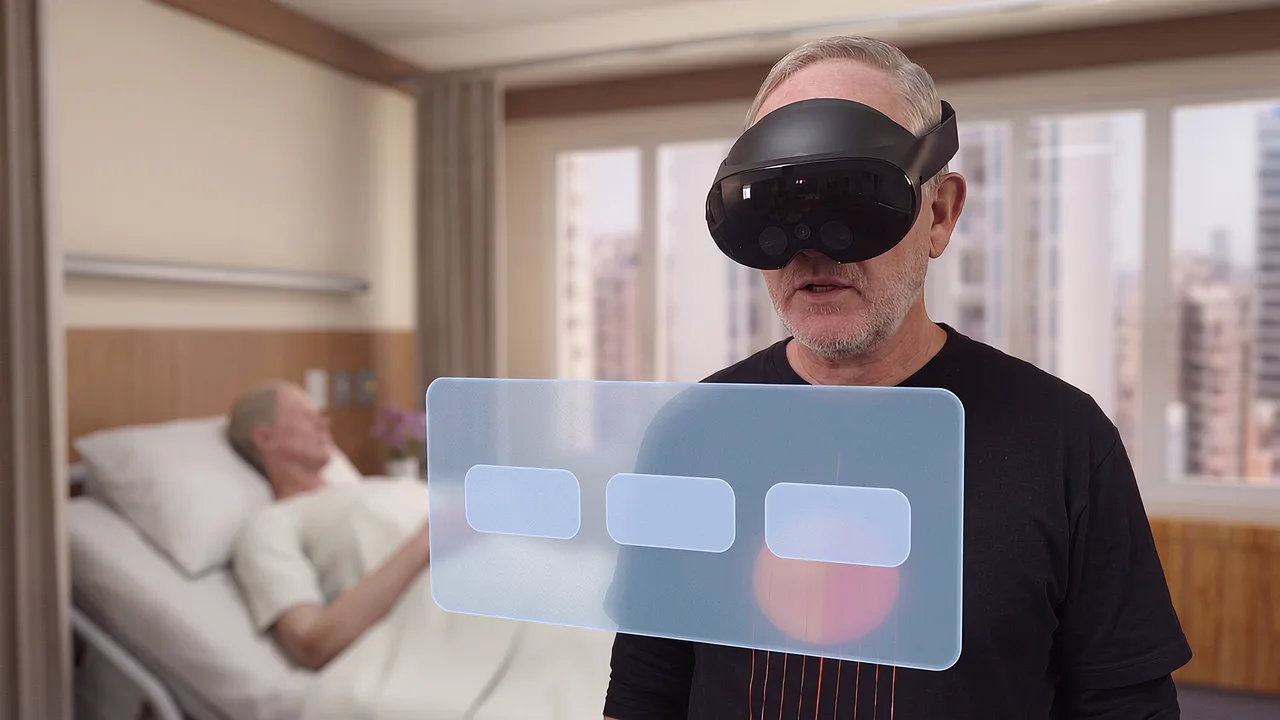
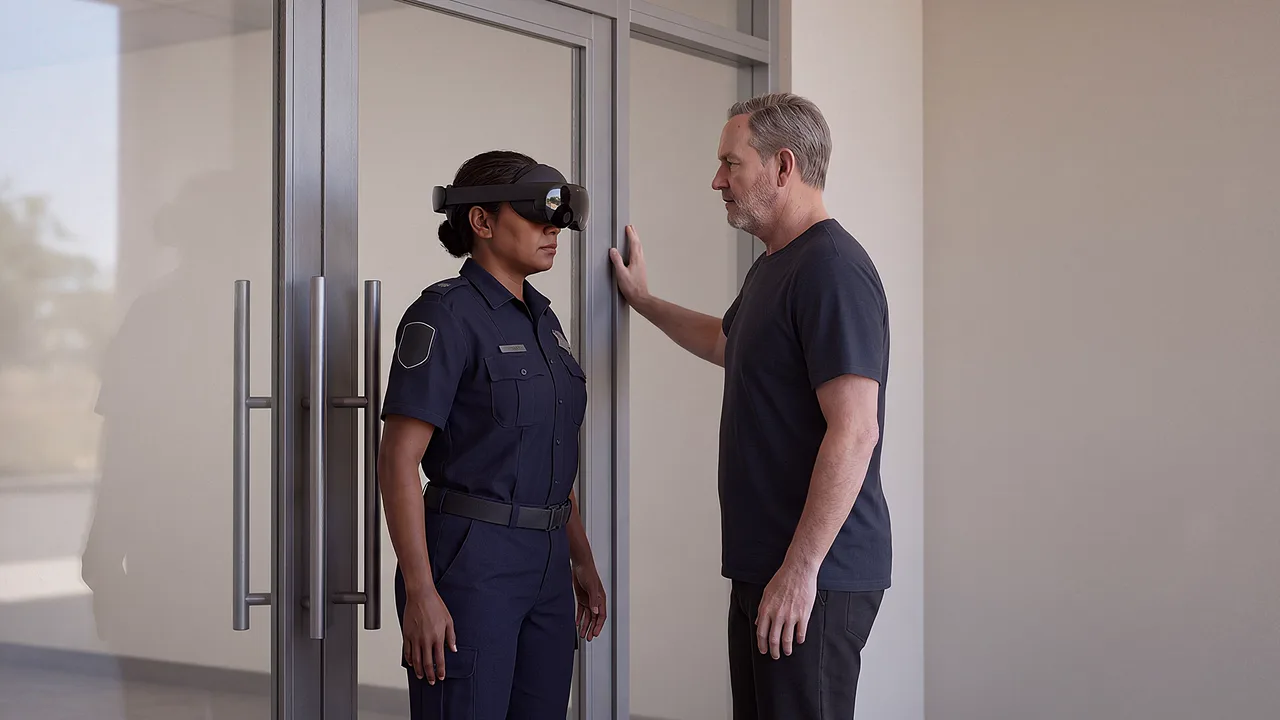
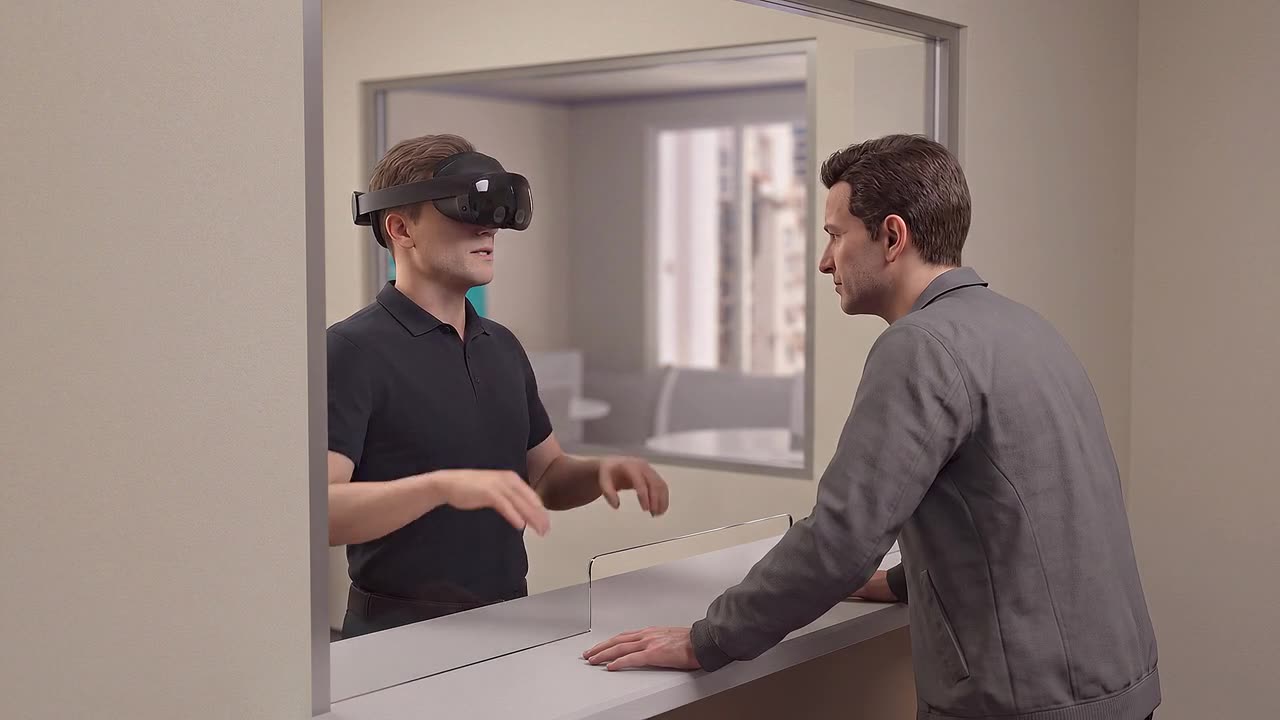
De-escalation. Rehearse the first few seconds at the counter, the bedside or the bus door.
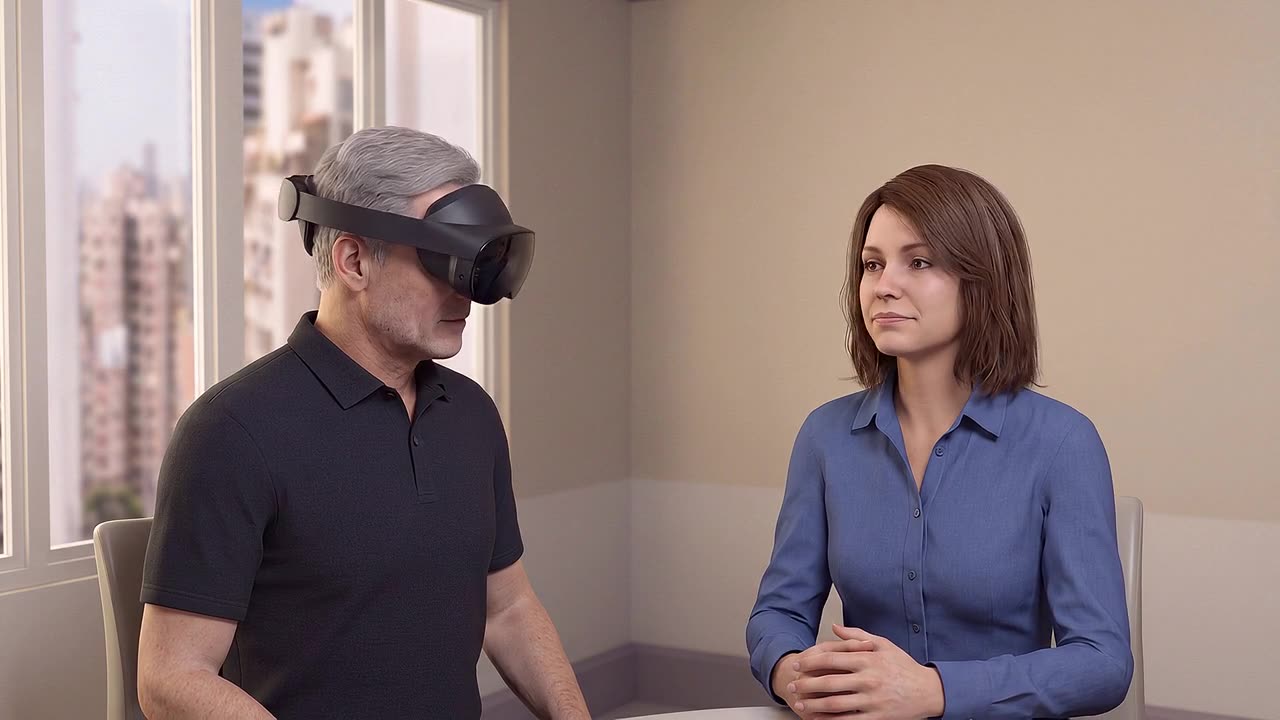
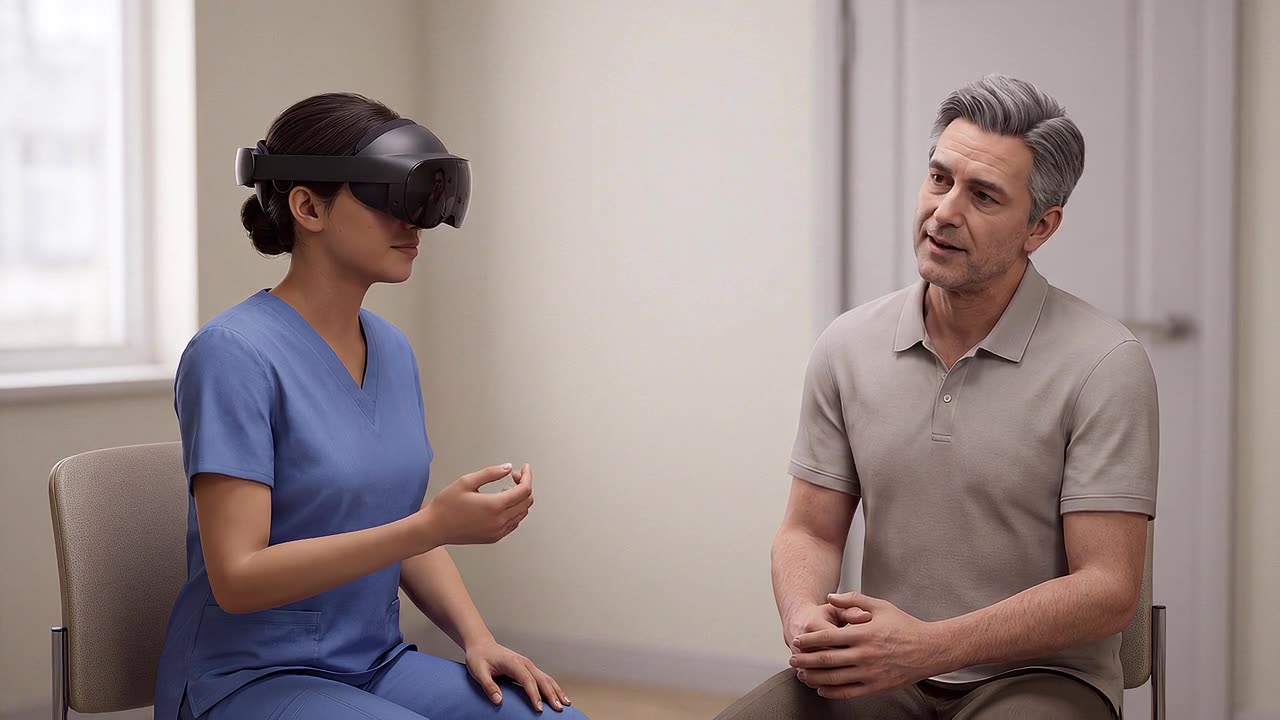
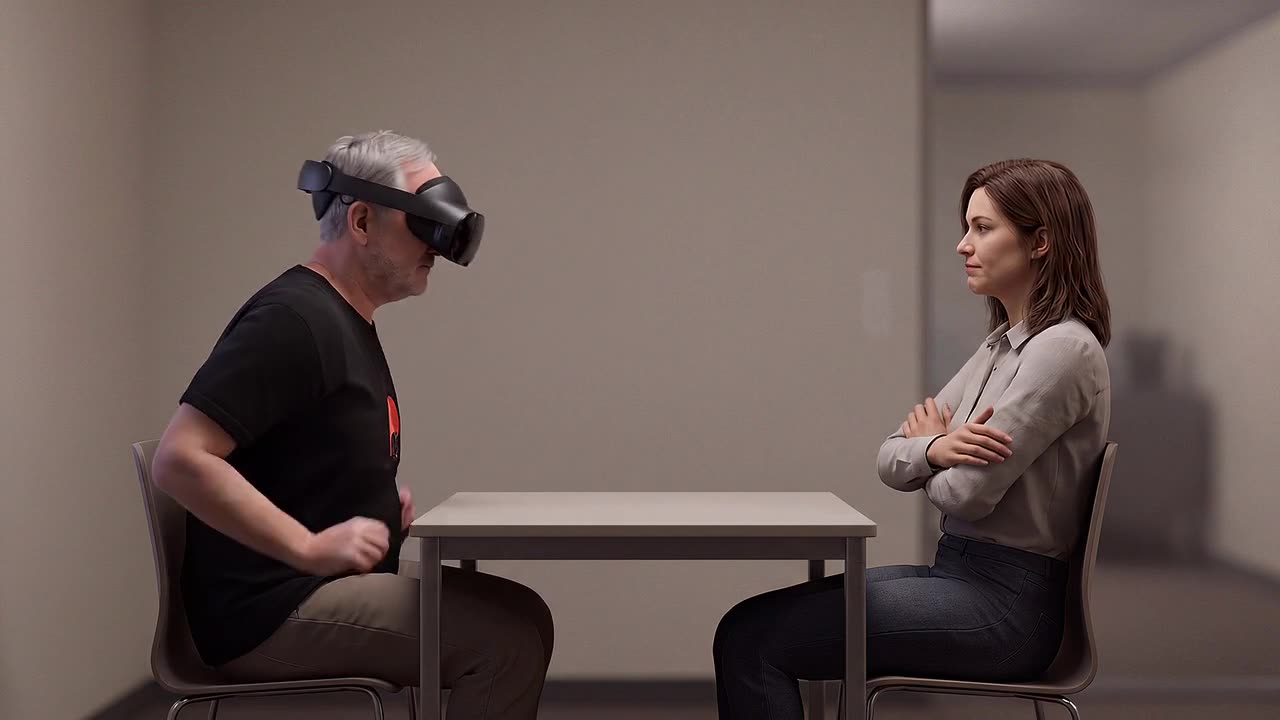
Difficult conversations. Feedback, complaints and bad news, practised with someone who answers back.
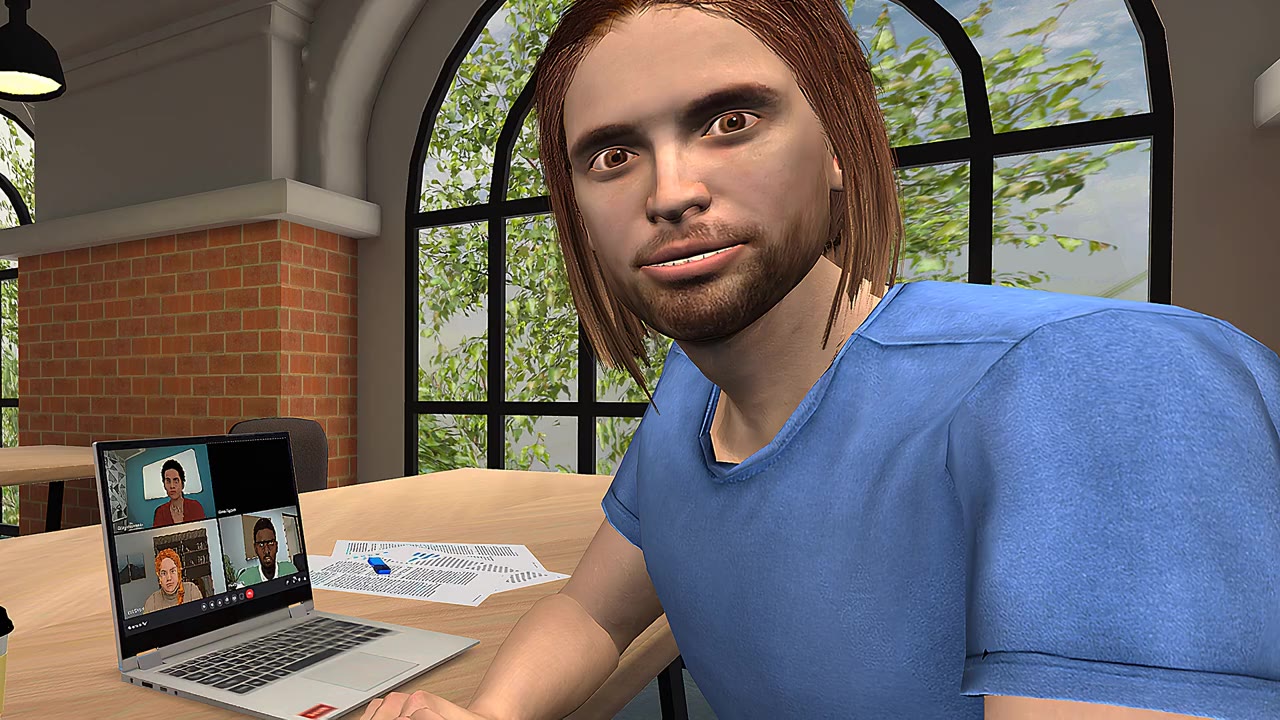
Bias and inclusion. Feel exclusion from the inside, then practise the words that change the room.
Run it under your brand, with your trainers or ours.
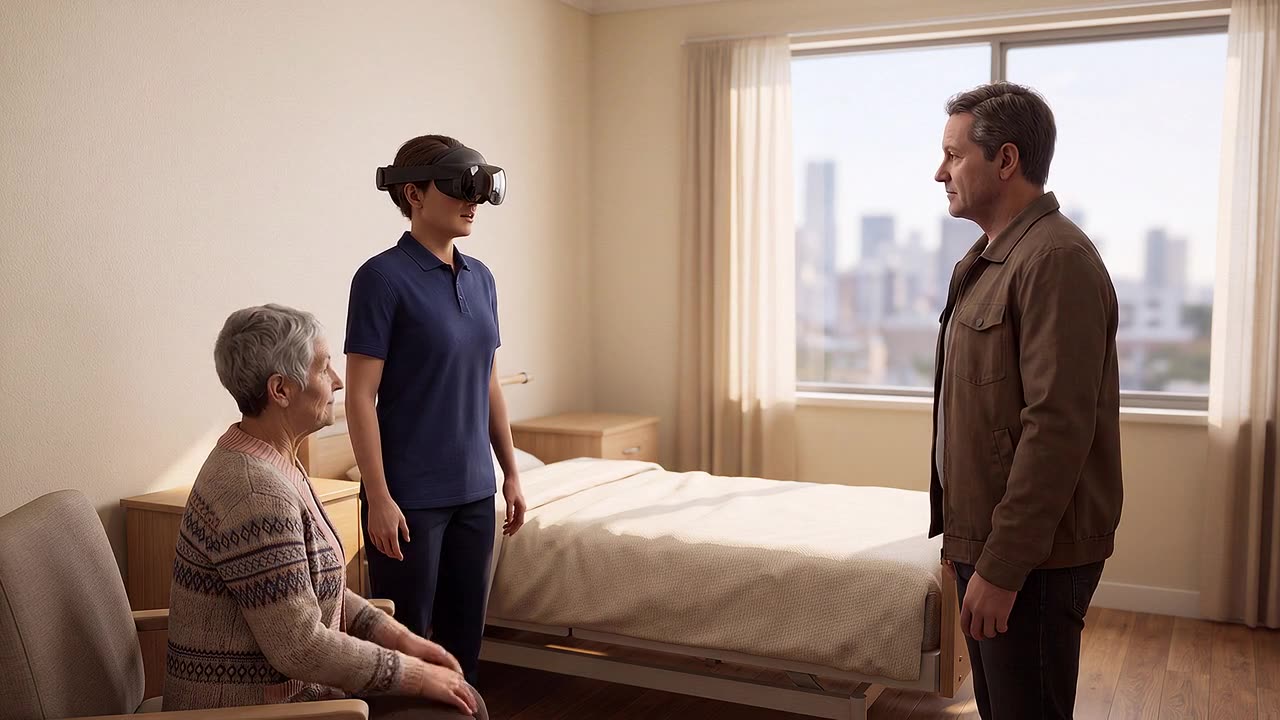
A bedside needs different practice from a classroom.
Explore workplace practice for feedback, service and the conversations people rehearse.
rise in empathic feeling and expression in the group that trained, relative to a control group. Mayo Clinic, peer reviewed.
82%average agreement that the VR training was better than Google's standard DEI training, among the trainees who returned the optional survey.
96%of participants wanted more of their training delivered in VR. Mater Education pilot report.
XR is virtual, augmented and mixed reality: a headset or a phone puts a scene in front of you, or over the room you are in.People Tech Revolution builds practice scenarios, products and demos with it.
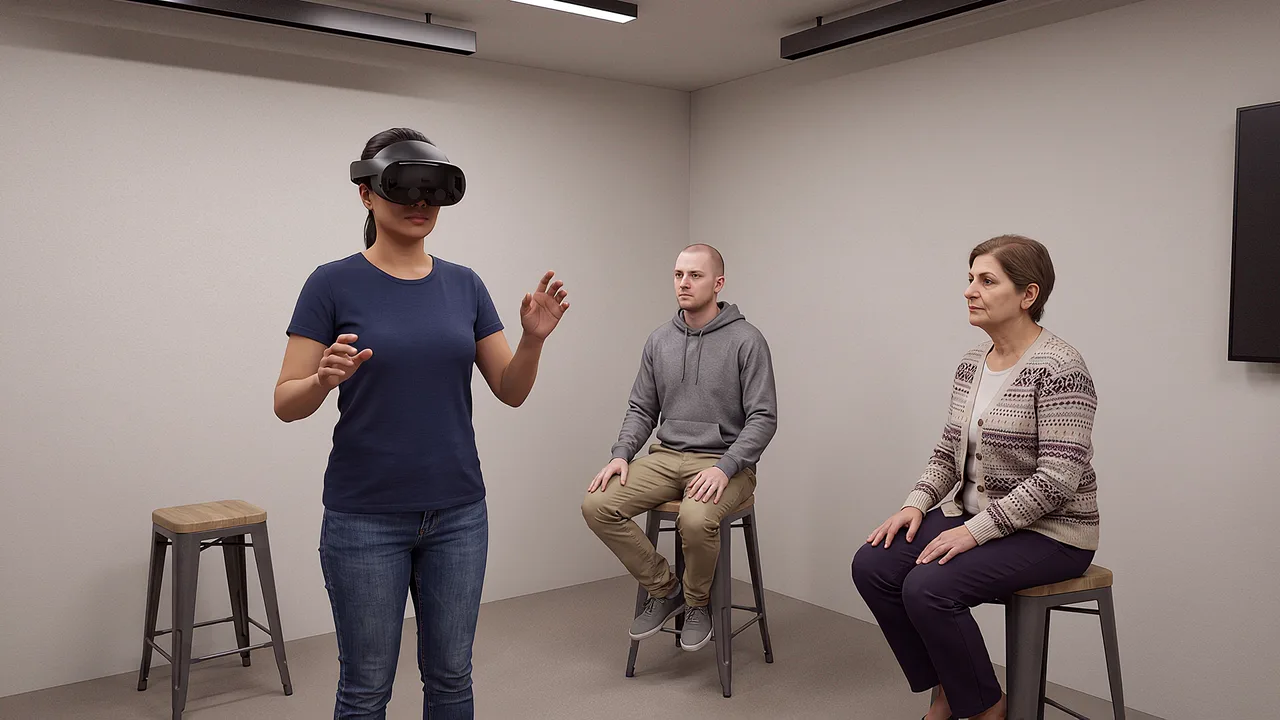
Ready-to-run VR titles for the conversations workplaces find hardest: Equal Reality VR, Mindshift VR and LIFT VR. Your team stands in somebody else's position, then talks it through.
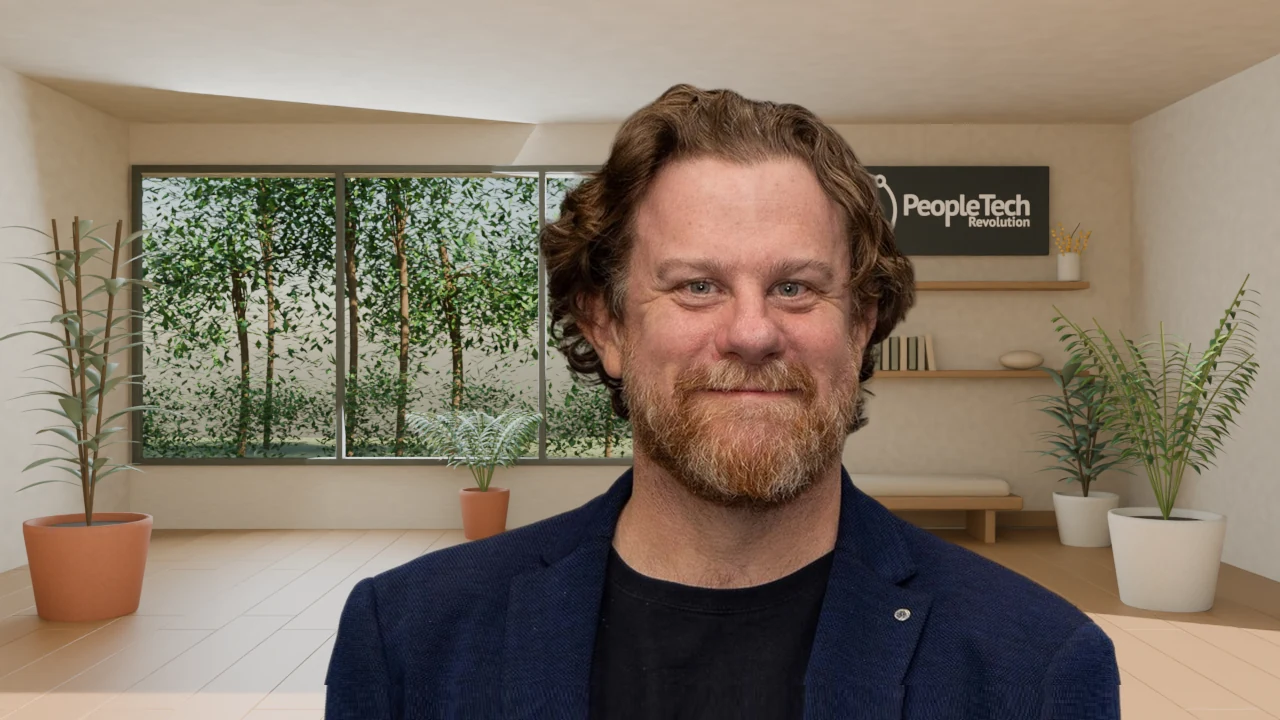
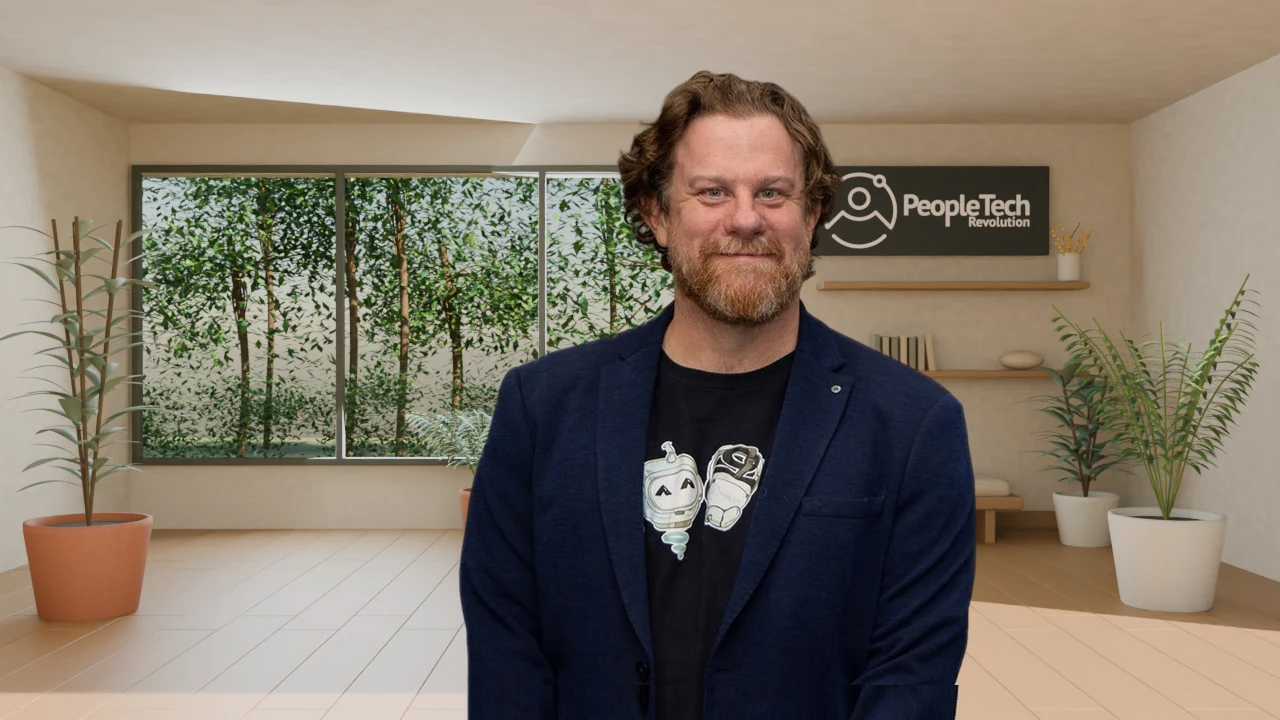 Simon Lowe, PTR's CEO, as a live digital twin.
Ask PTR’s CEO, Simon Lowe’s digital twin a question. Talk with the live avatar here, then explore Didymo for your own business.
Simon's Twin runs on Didymo. Chat, call, meet the avatar or book time, on the phone or browser you already have.
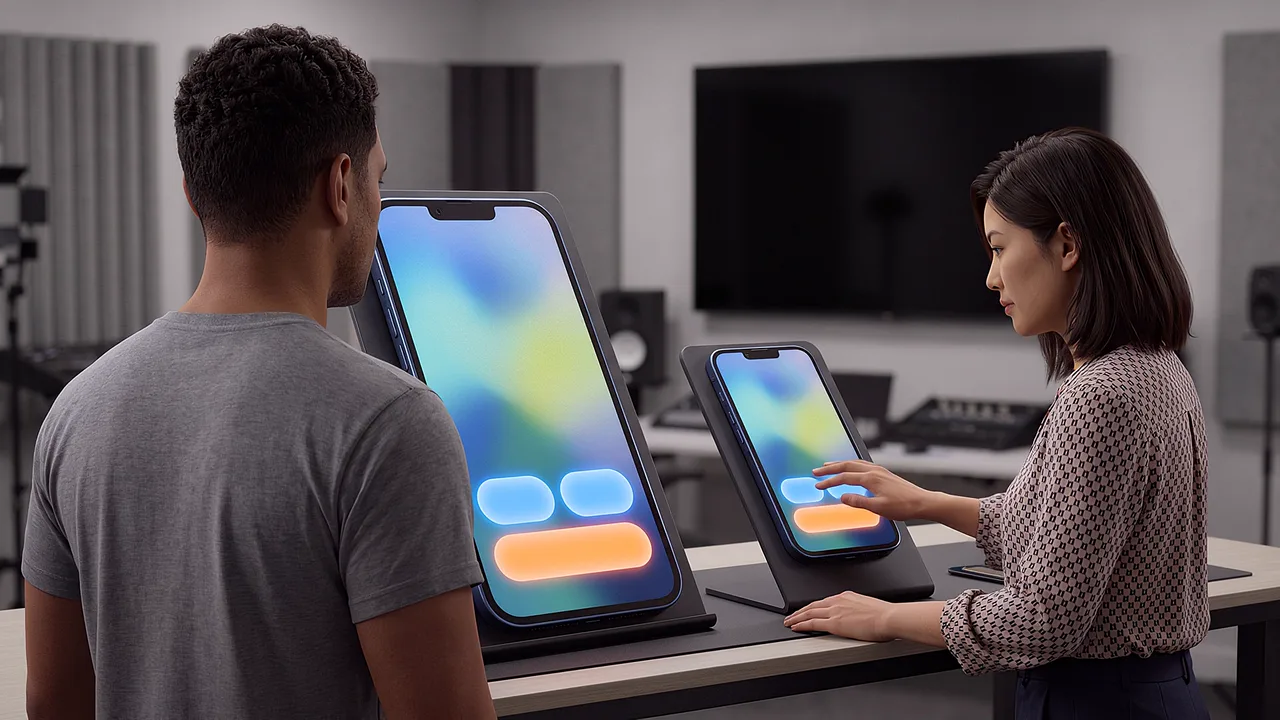
Type a question on your phone or in the browser. The twin answers in text, drawing only on material the organisation has approved.
Explore chat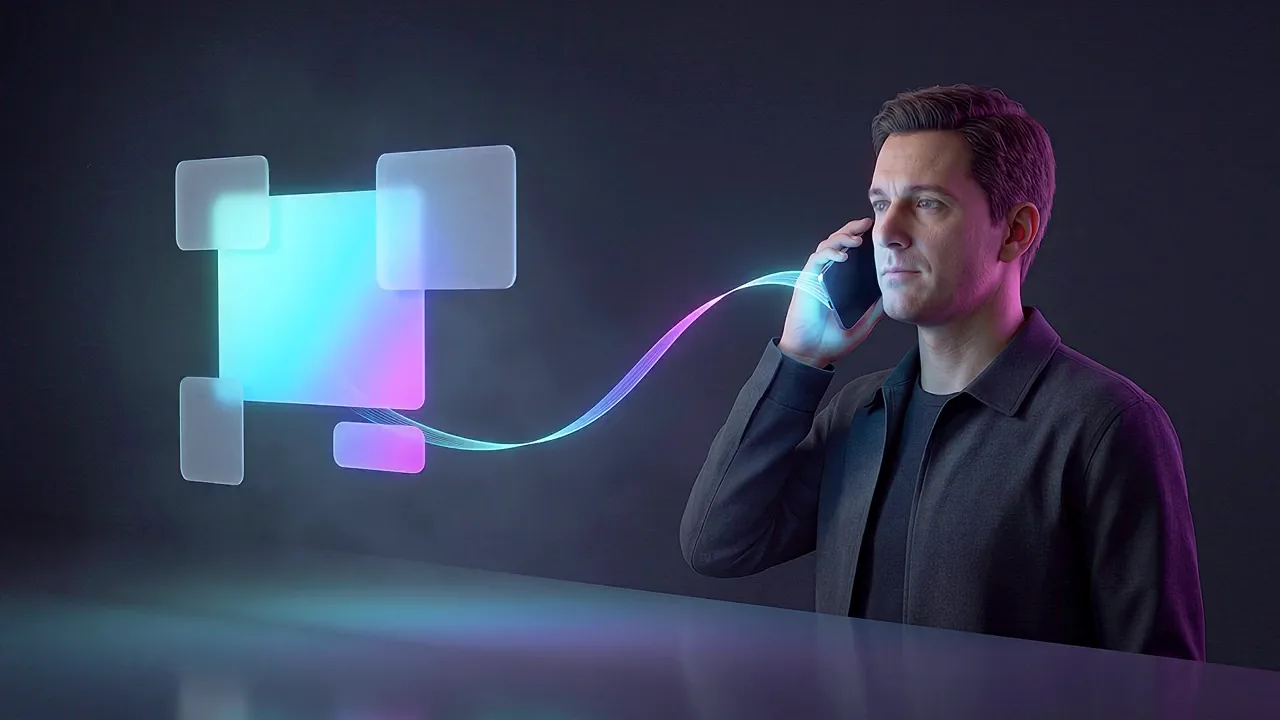
Speak instead of typing. A voice call with the twin, on the phone or in the browser, in the twin's own voice.
Explore voice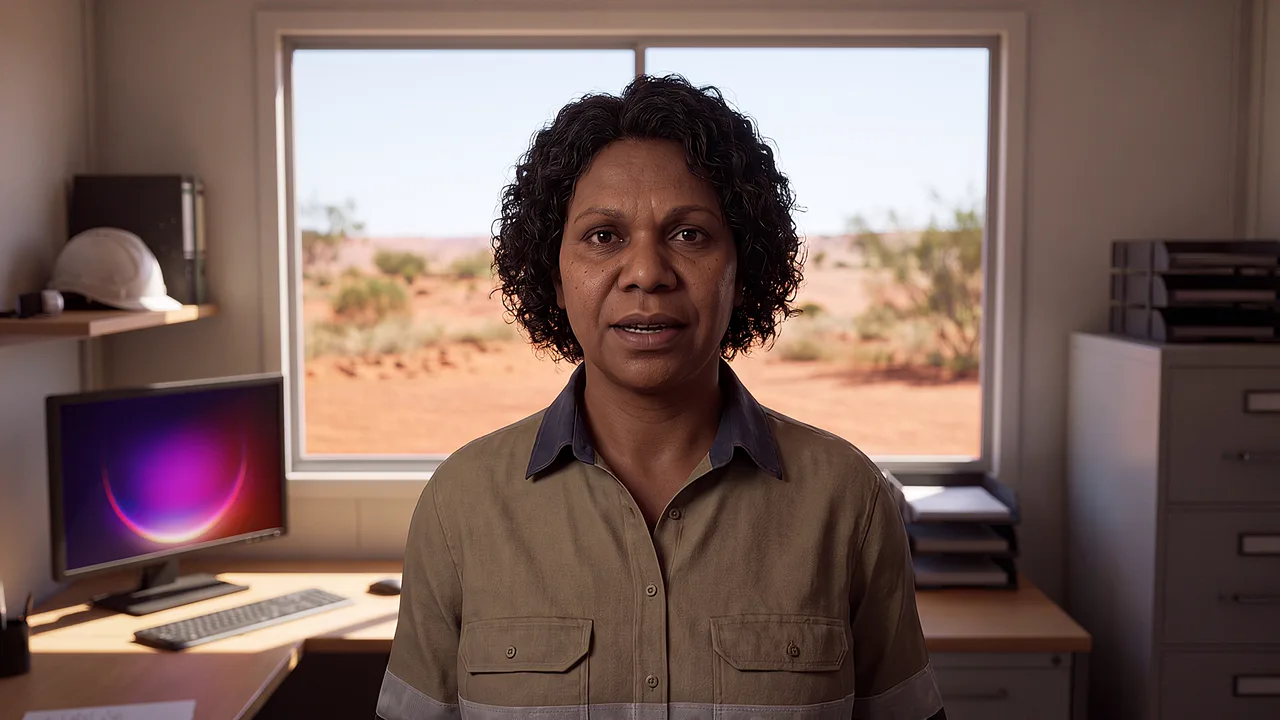
A live face on your phone or laptop screen, for the conversations that need one.
Explore the avatar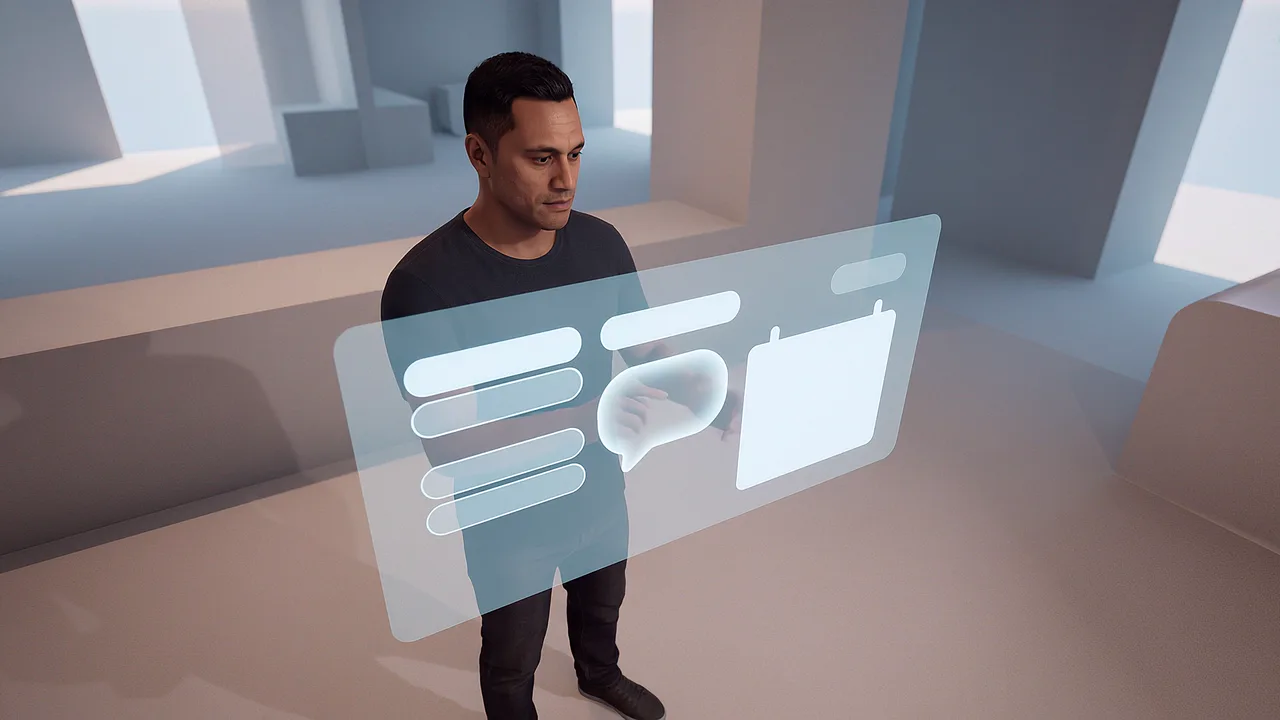
Book real time with the person the twin represents: a Google Meet appointment, made straight from the conversation.
Explore bookingSimon's Twin above runs on Didymo: his voice and face, answering at any hour. Your twin does the same for your business, from the way your best people explain it.
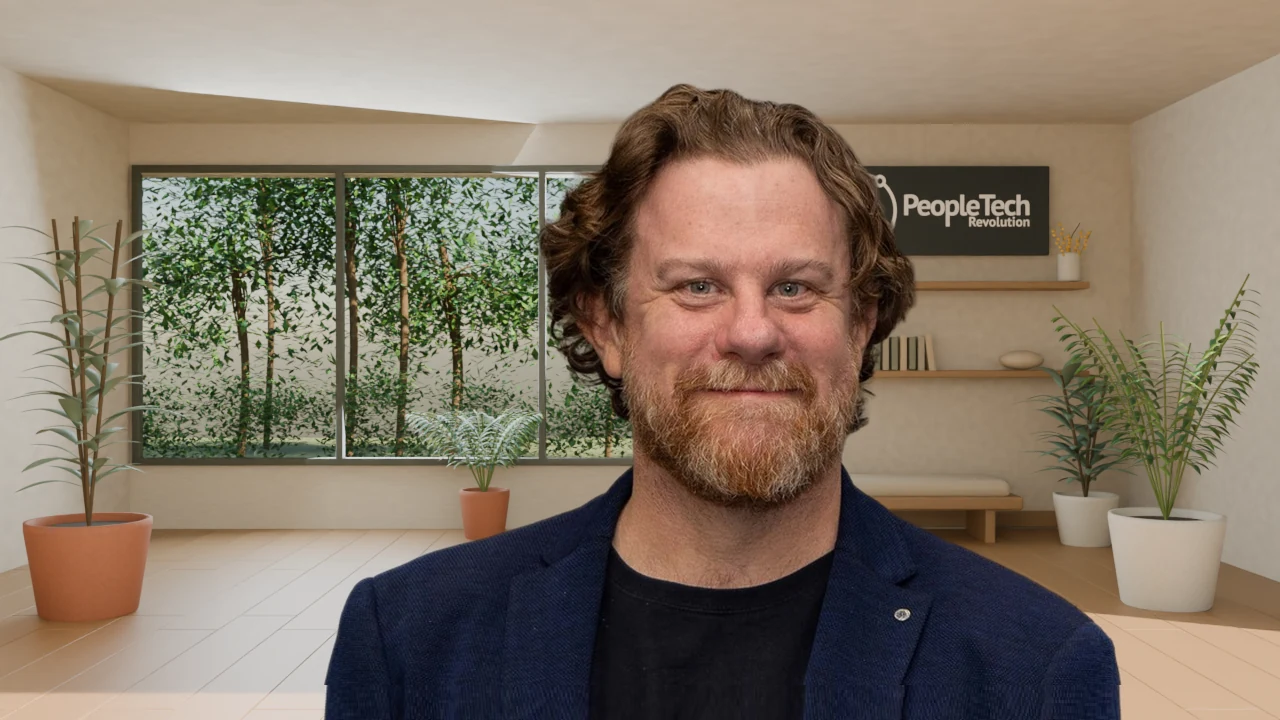

Bring the questions your customers ask to a twin of your own, just as Simon has.
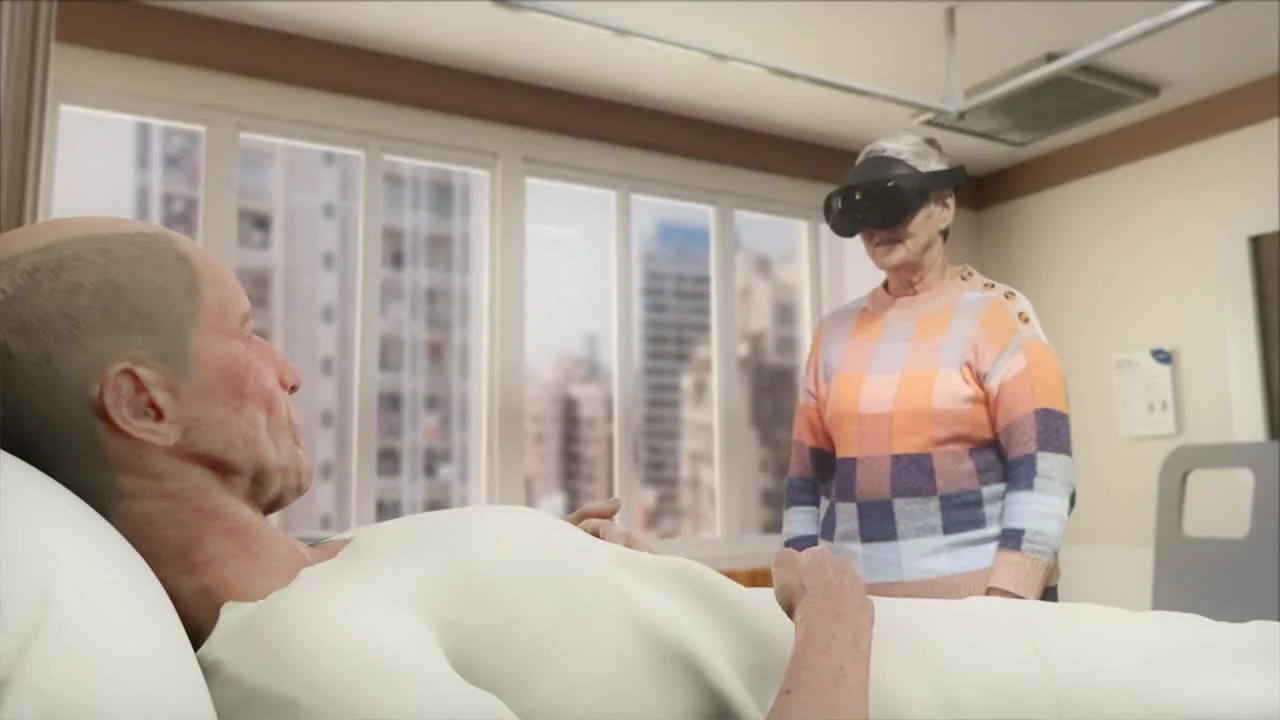
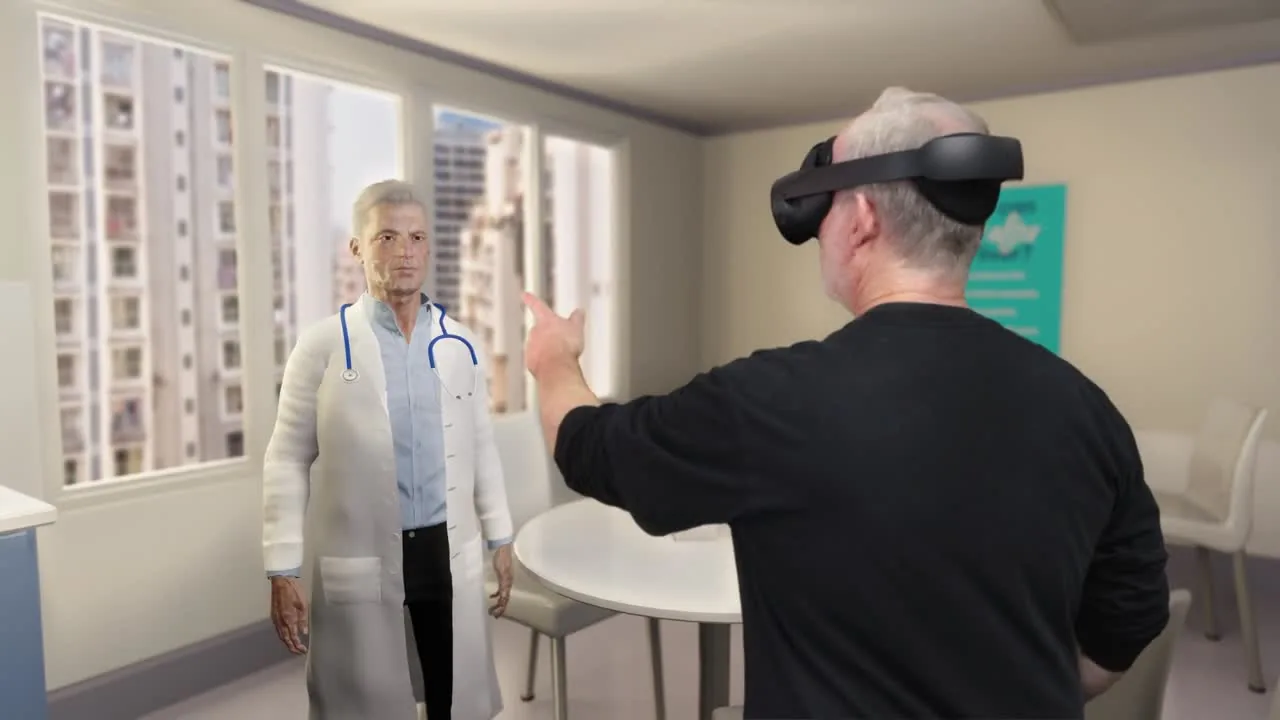
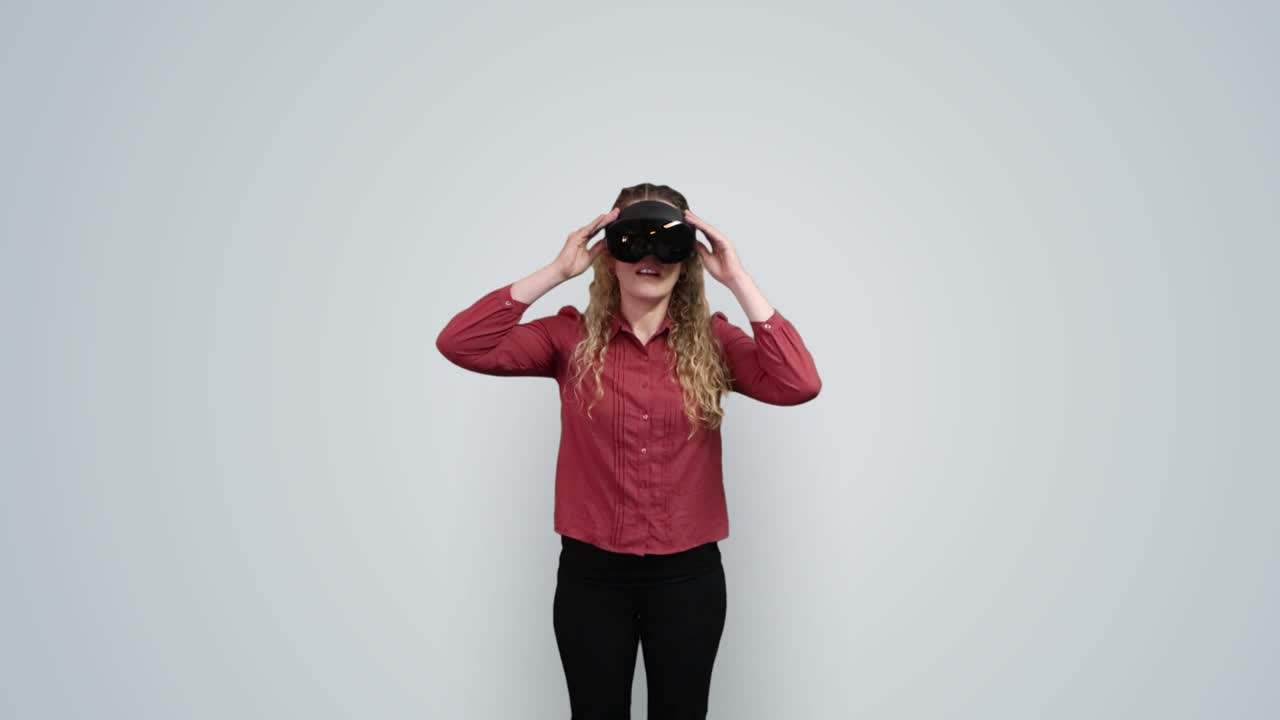
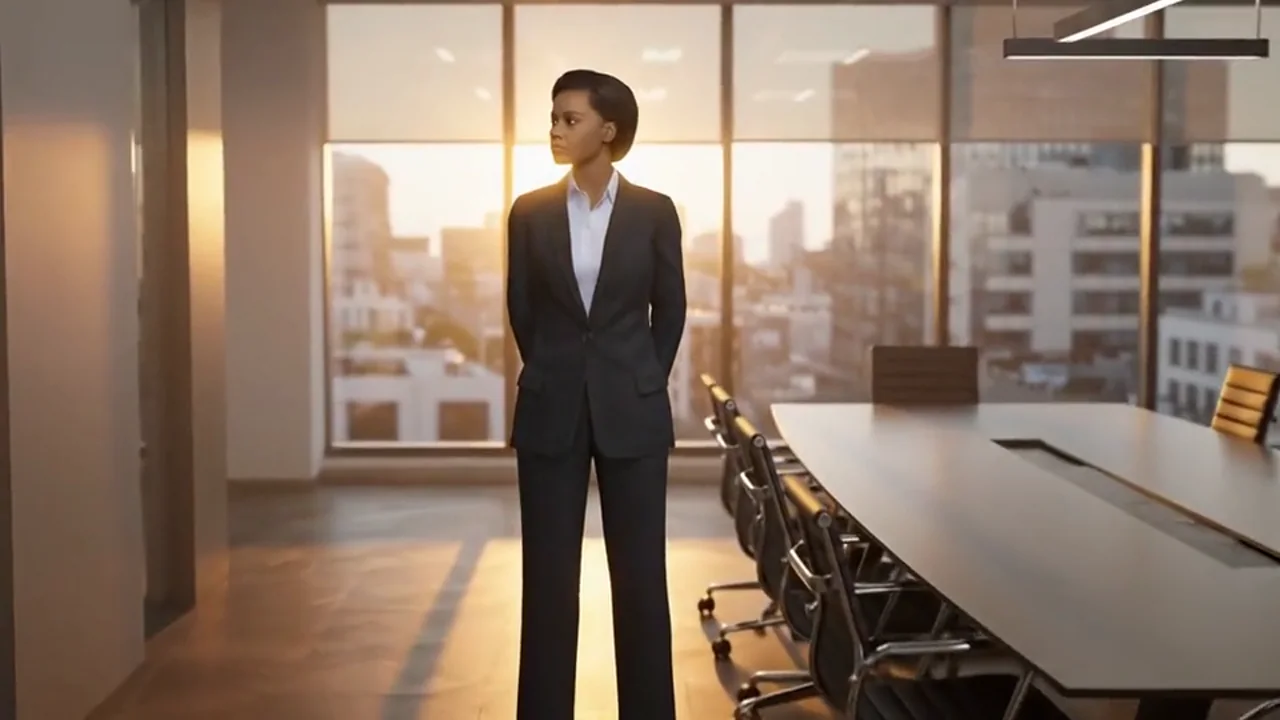
Hospitals, workplaces, councils and universities bring us the conversation their people find hardest. We build the practice, and their teams rehearse it.
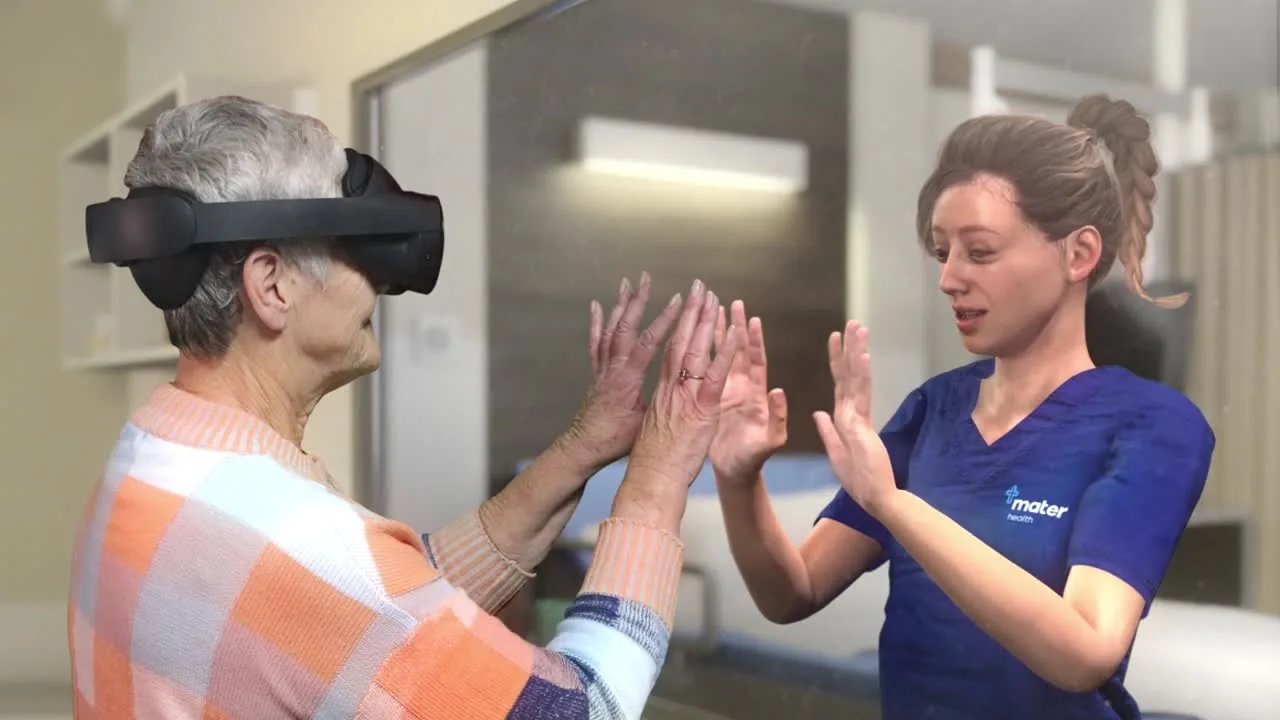
Speaking up at Mater. Mater’s feedback program, rebuilt in VR. Its own facilitators were trained to run it.
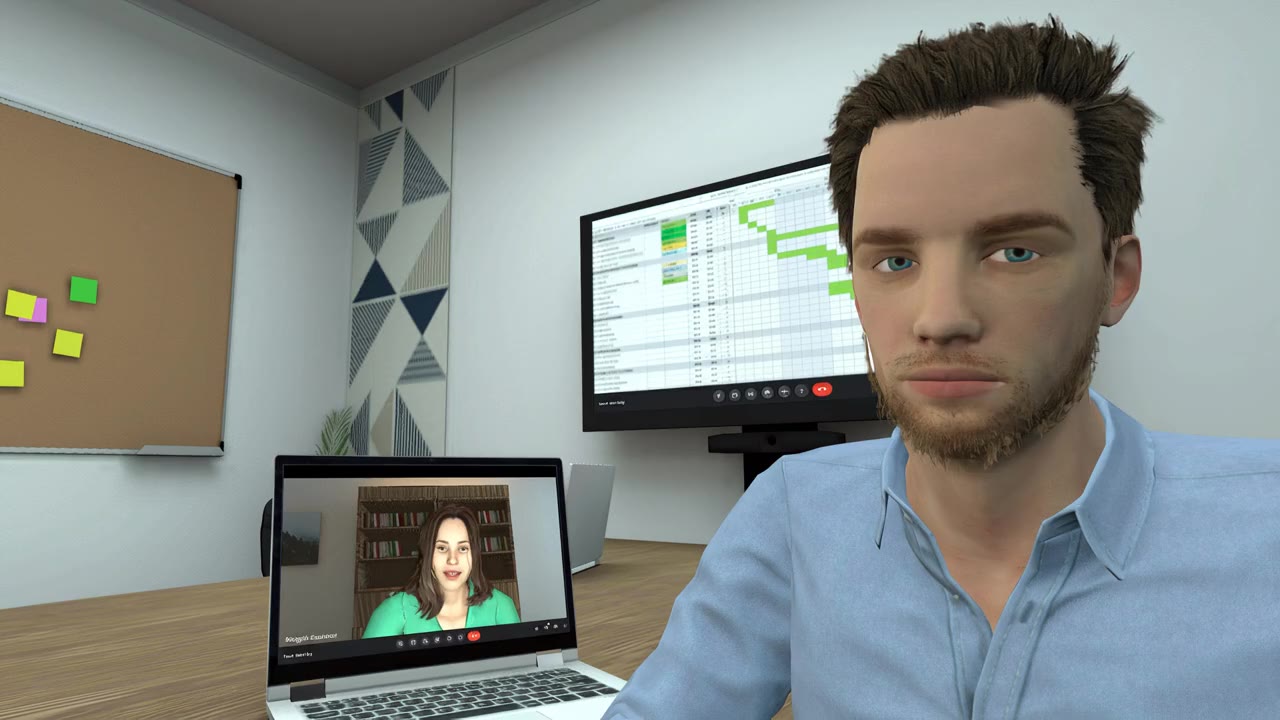
Inclusion at Google. Leonie Sanderson led it, built with Equal Reality, a subsidiary of People Tech Revolution.
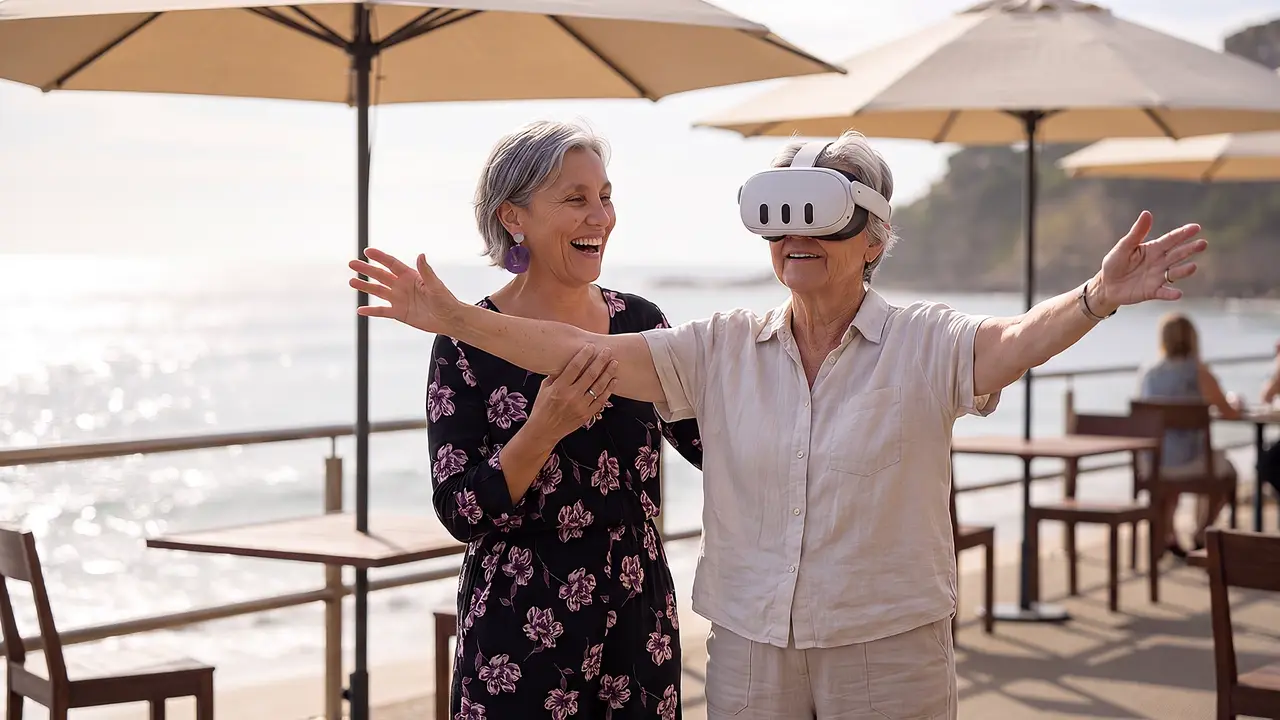
Central Coast Council. Everyday barriers felt from the inside, now built into teacher and staff training.
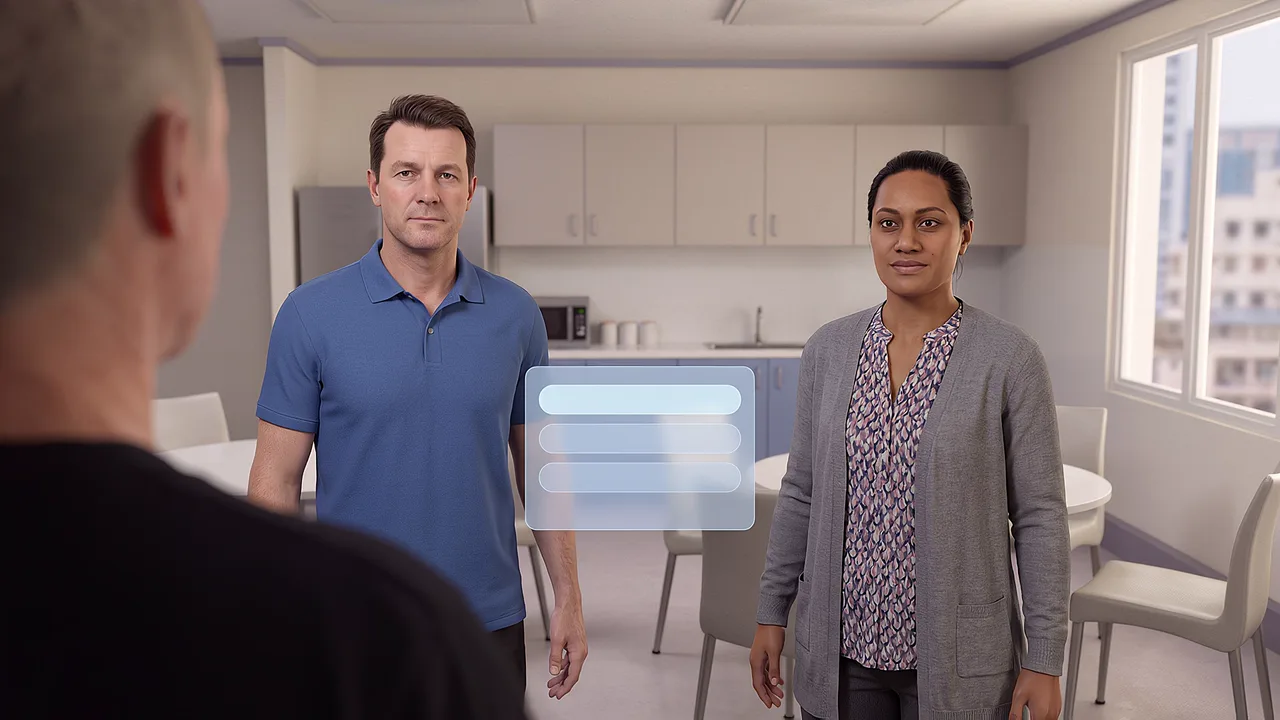
Cornell University. Co-designed with Cornell, Everyday Inclusion has since run with airlines and rail operators.
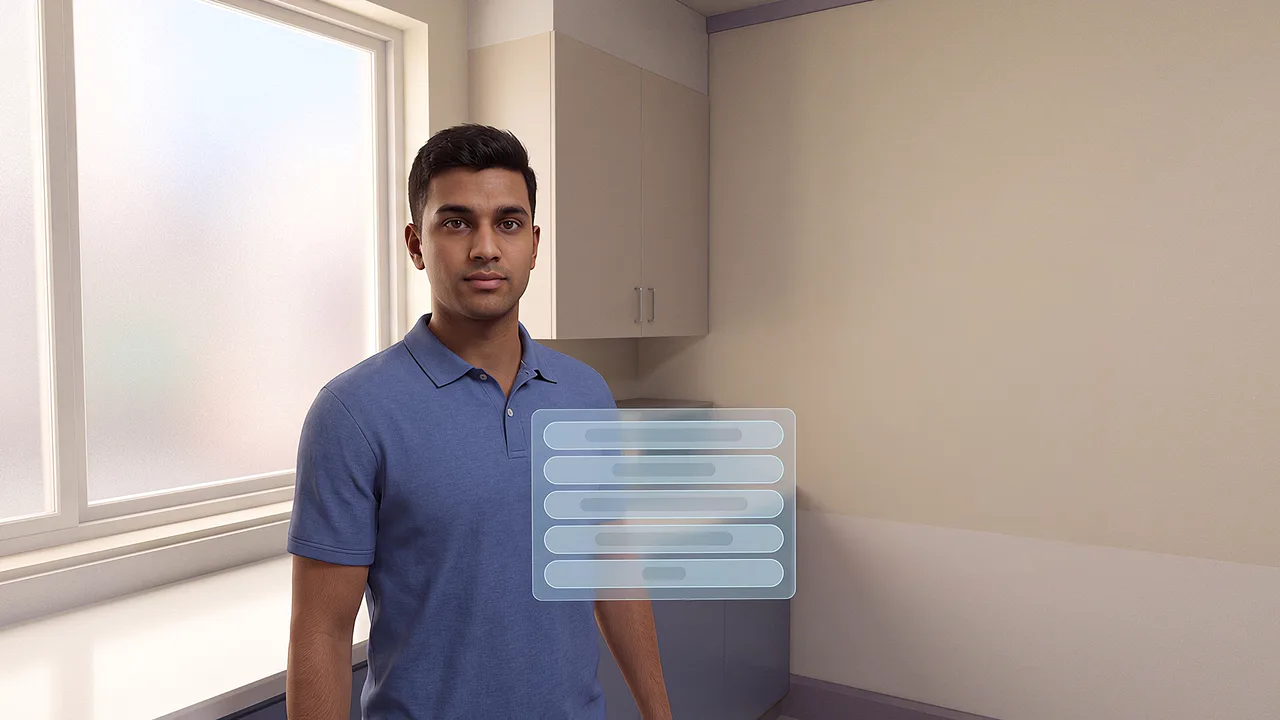
Choose the conversation. From induction to bedside bad news, practised in a headset or a browser.
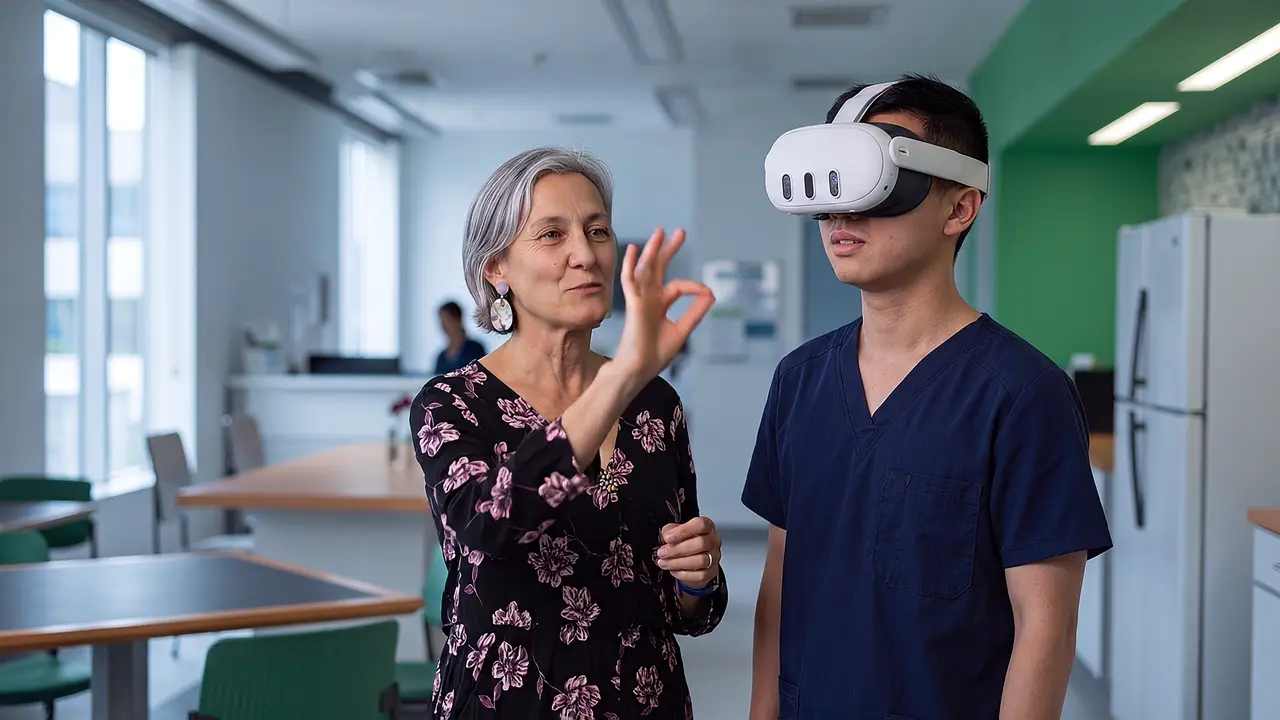
Proof for sign-off. Mayo Clinic tested the program People Tech Revolution built against a control group.
In the Mayo Clinic evaluation, nursing leaders practised responding to bias in VR and reported greater empathy afterwards. Follow the research and evidence from headset to ward.
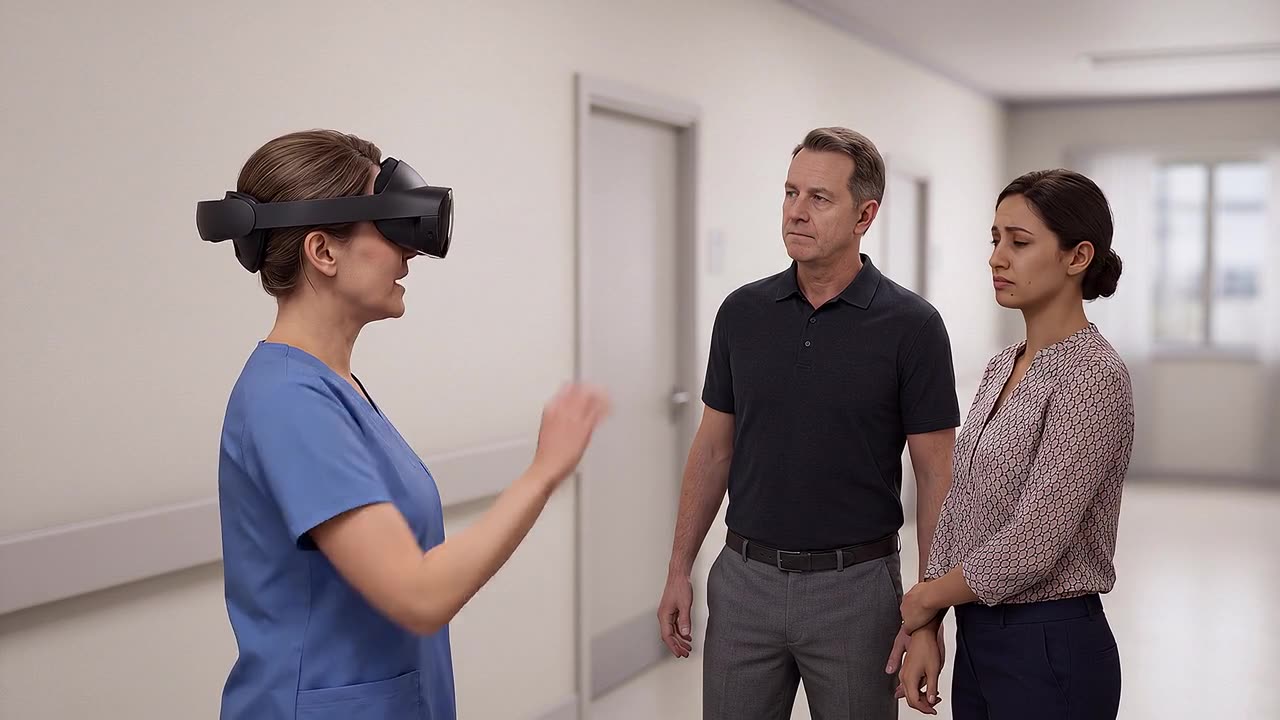
Explore research and evidence →
A peer-reviewed Google study of VR inclusion training built with Equal Reality, a Mayo Clinic controlled trial and a Mater Education pilot evaluation. Take the documents into your sign-off meeting.
Start with XR explained: what changes when a headset puts you inside a situation. Then see how AI and XR work together when that person answers back.
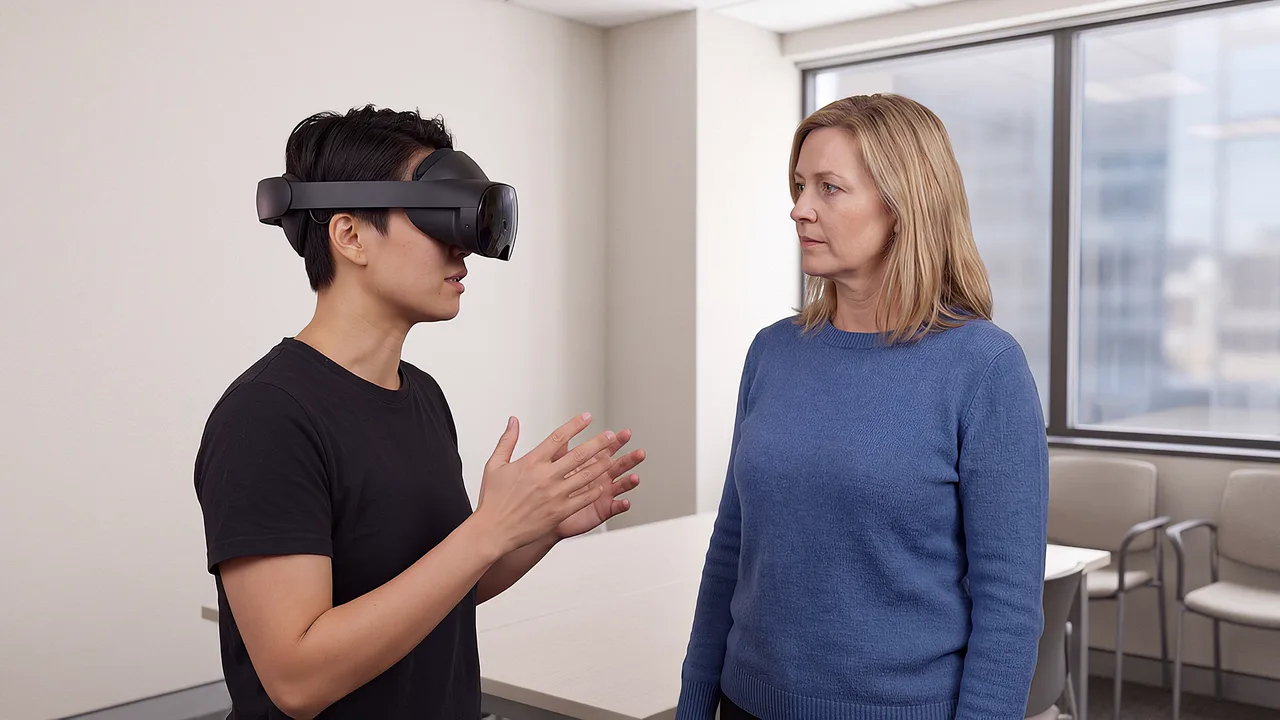
We will show you how teams like yours rehearse it, what a pilot looks like, and the evidence your clinical, safety or HR owner will ask for.
Follow the Google study from the headset to the discussion afterwards. Explore healthcare training and the Library launch to see how the work reaches people.
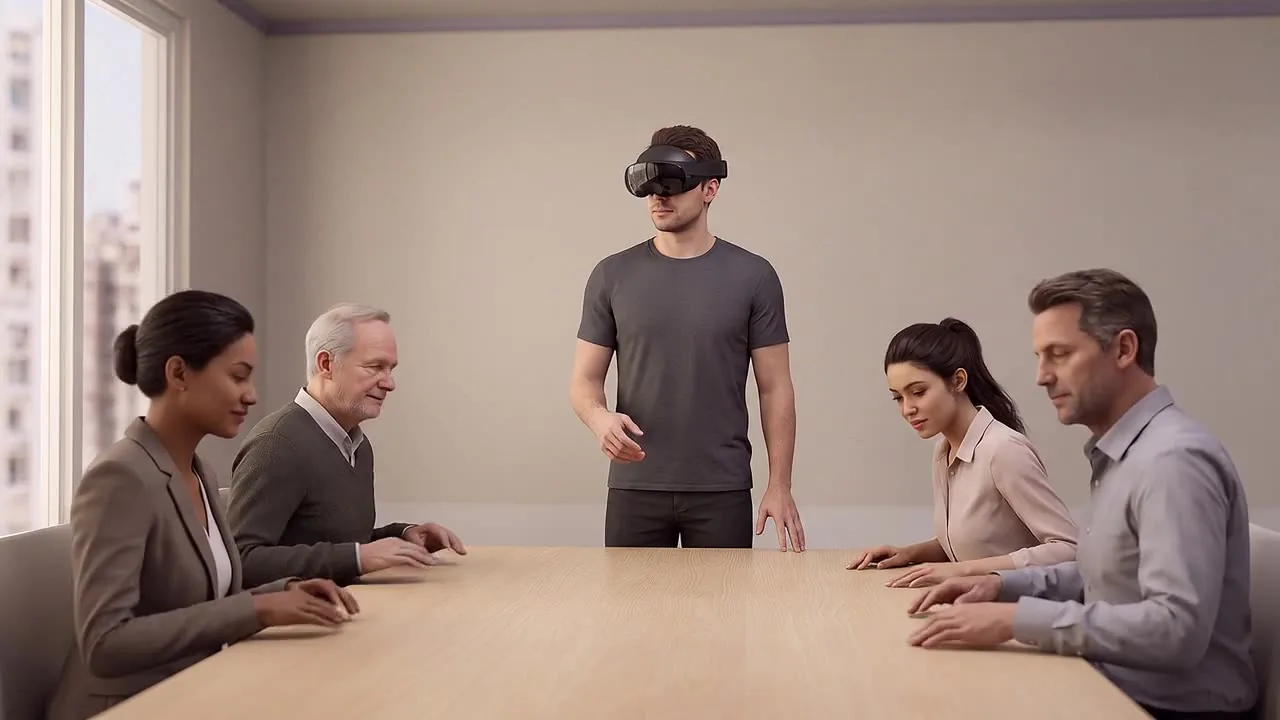
Ask any VR training provider, us included, what happens in the room once the headset comes off.
Read the article →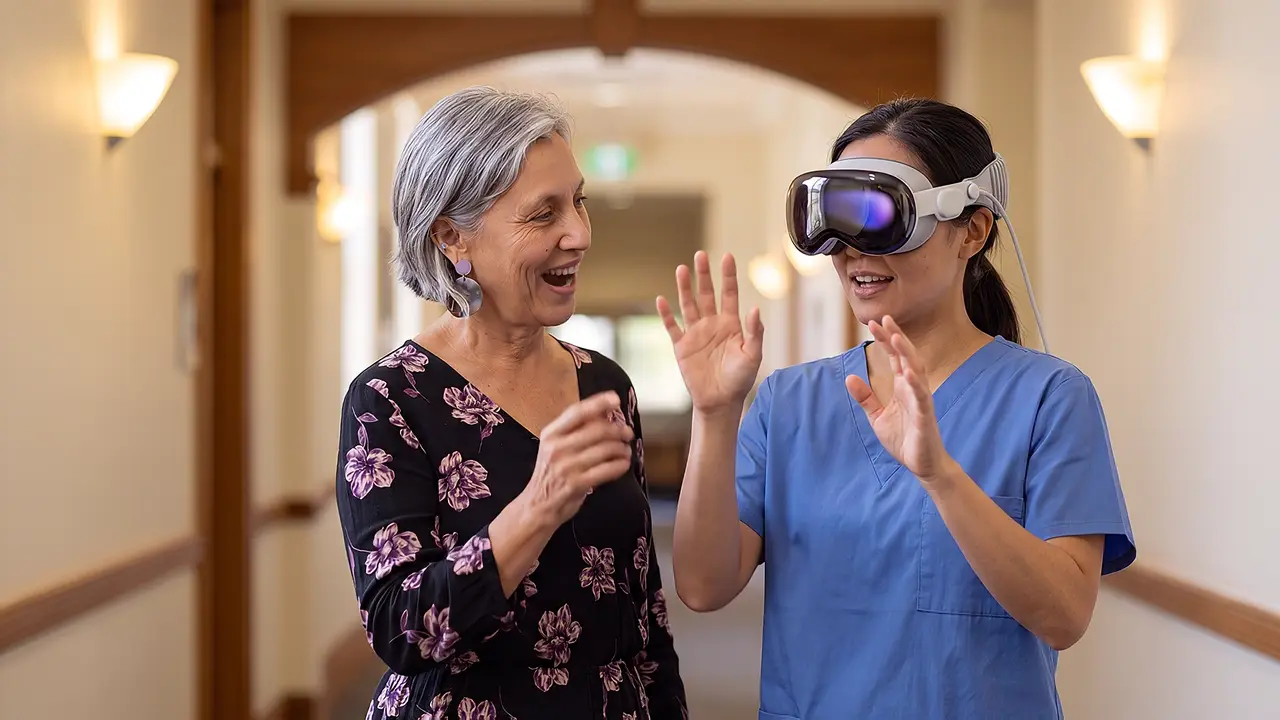
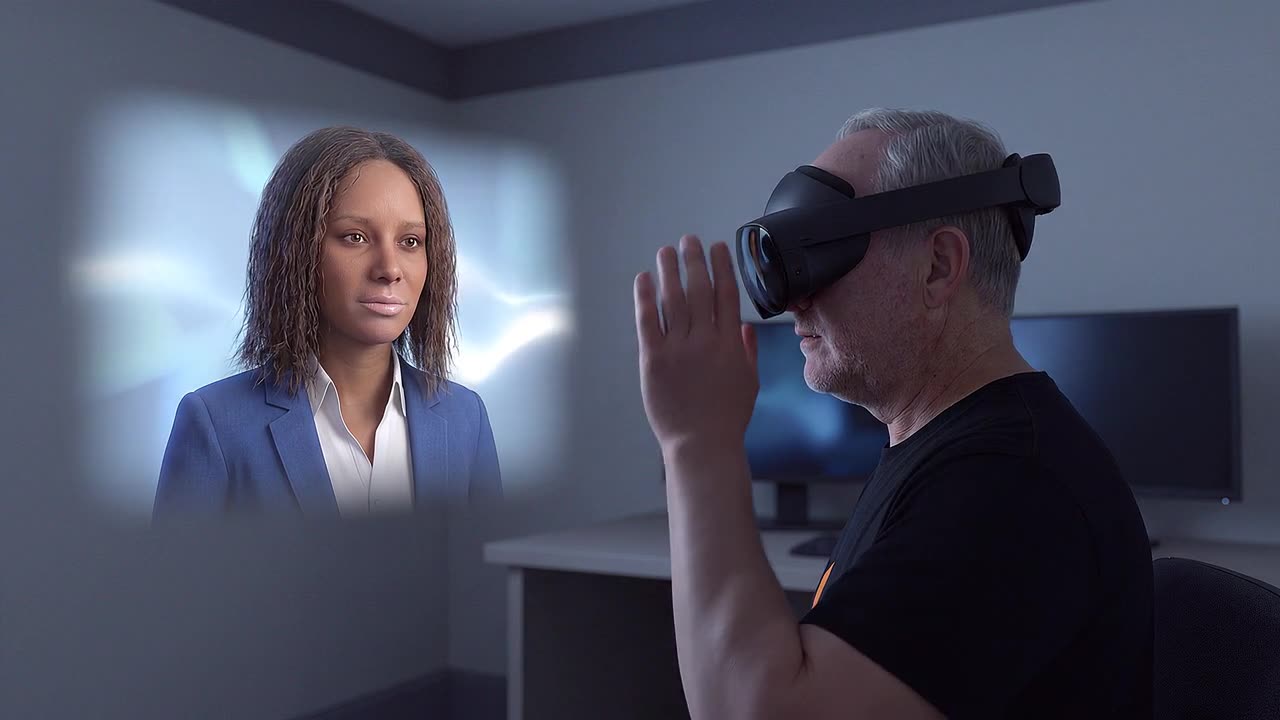
VR training is experiential rather than descriptive: instead of reading about a difficult conversation, a learner steps into the scenario, makes their own choices, and sees the consequences play out.
Read the article →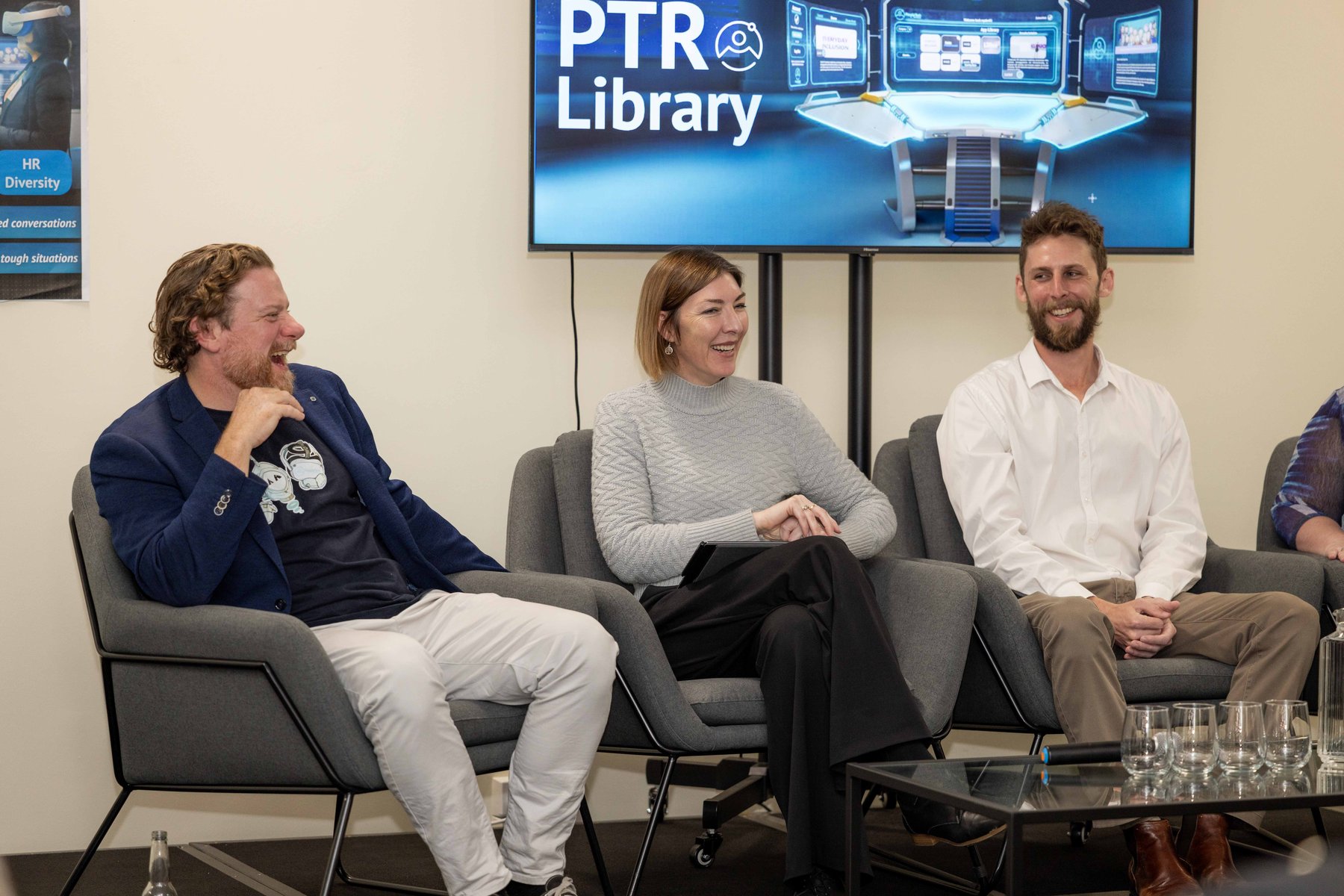
Guests were fitted with a headset, handed the controllers, and took a turn inside a Library scenario.
Read the article →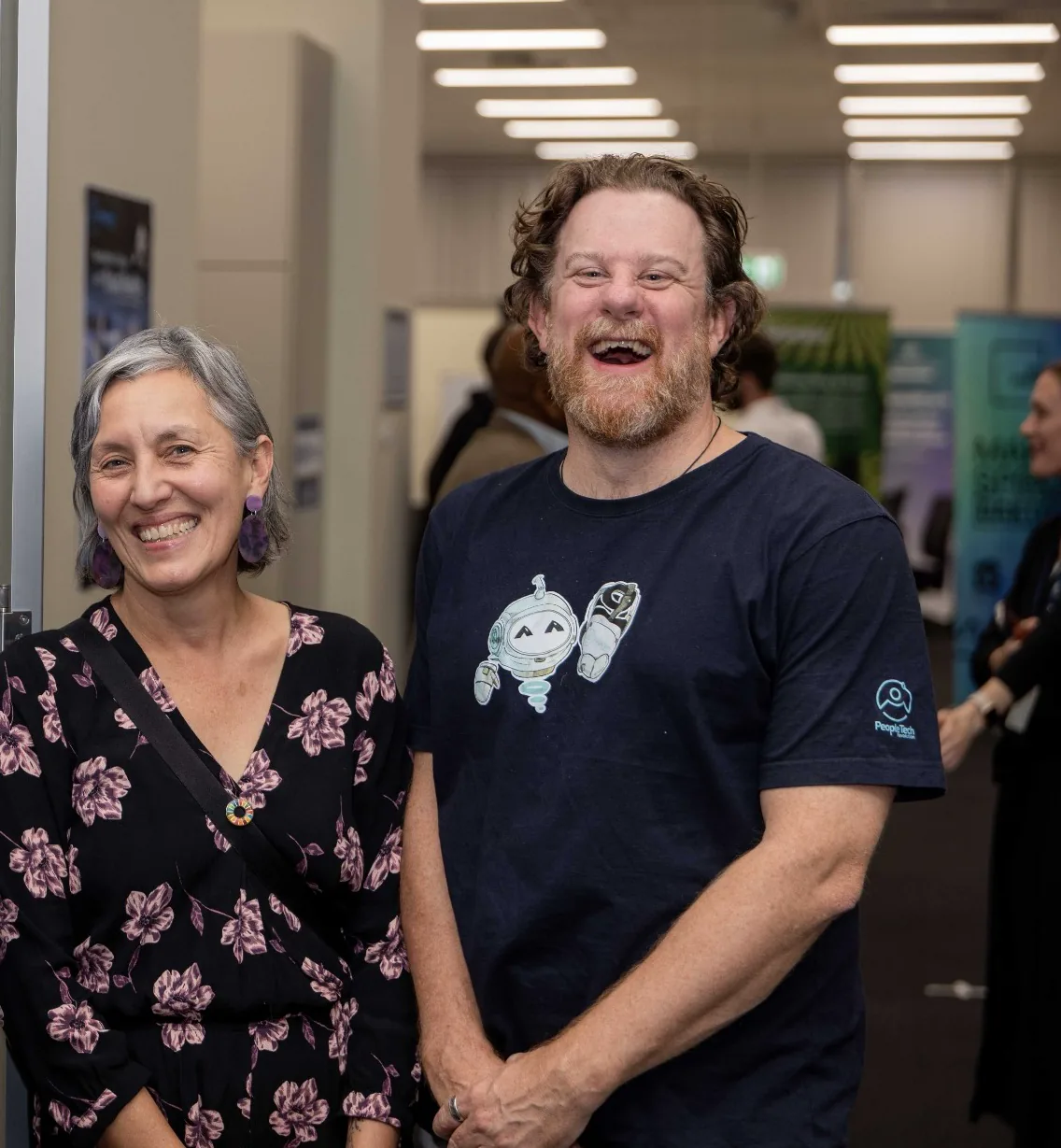
“We create safe spaces for difficult conversations and situations.”
Practice rooms for the conversations people dread, in a headset, a browser or a real room.
VR inclusion training led by PTR co-founder Leonie Sanderson, built with Equal Reality, a subsidiary of People Tech Revolution, and Google’s employee volunteers, and evaluated in a paper at ACM CHI 2024 she co-authored.
Explore the case study
Speaking with Good Judgement: VR communication practice delivered across Mater campuses, backed by Advance Queensland.
Explore the case study
A Day In a Lifetime was offered to 1,149 nurse and social-worker leaders, with peer-reviewed empathy and upstander gains.
Explore the case study
A two-day cabin crew inclusion pilot using the Everyday Inclusion and Mind Shift modules.
Explore the case study
Community disability-awareness VR delivered across council services and events.
Explore the case study
Everyday Inclusion, the three-part VR experience on unconscious bias, co-designed with Cornell University.
Explore the case study
Your people rehearse the hard conversation before it counts, with a debrief and a second go.
Training programsVirtual, augmented and mixed reality: a headset or a phone puts a scene in front of you, or over the room you are in.
What XR isCharacters that listen and answer back, twins of real experts, and roleplay in a browser.
What our AI doesA working version of your idea in days, in the hands of the people who will use it.
See fast buildsA scene you stand in is practice. A character who reacts to what you say makes it real.
Together they turn a briefing into a rehearsal.
Pick the one your team finds hardest.
Speaking up for safety. Raise the risk with someone senior, and practise hearing it too.
De-escalation. Rehearse the first few seconds at the counter, the bedside or the bus door.
Difficult conversations. Feedback, complaints and bad news, practised with someone who answers back.
Bias and inclusion. Feel exclusion from the inside, then practise the words that change the room.
Run it under your brand, with your trainers or ours.
A bedside needs different practice from a classroom.
Explore workplace practice for feedback, service and the conversations people rehearse.
rise in empathic feeling and expression in the group that trained, relative to a control group. Mayo Clinic, peer reviewed.
82%average agreement that the VR training was better than Google's standard DEI training, among the trainees who returned the optional survey.
96%of participants wanted more of their training delivered in VR. Mater Education pilot report.
XR is virtual, augmented and mixed reality: a headset or a phone puts a scene in front of you, or over the room you are in.People Tech Revolution builds practice scenarios, products and demos with it.
Ready-to-run VR titles for the conversations workplaces find hardest: Equal Reality VR, Mindshift VR and LIFT VR. Your team stands in somebody else's position, then talks it through.
Ask PTR’s CEO, Simon Lowe’s digital twin a question. Talk with the live avatar here, then explore Didymo for your own business.
Explore digital twins →Learn about Didymo →
Simon's Twin runs on Didymo. Chat, call, meet the avatar or book time, on the phone or browser you already have.
Type a question on your phone or in the browser. The twin answers in text, drawing only on material the organisation has approved.
Explore chatSpeak instead of typing. A voice call with the twin, on the phone or in the browser, in the twin's own voice.
Explore voiceA live face on your phone or laptop screen, for the conversations that need one.
Explore the avatarBook real time with the person the twin represents: a Google Meet appointment, made straight from the conversation.
Explore bookingSimon's Twin above runs on Didymo: his voice and face, answering at any hour. Your twin does the same for your business, from the way your best people explain it.
Bring the questions your customers ask to a twin of your own, just as Simon has.
Hospitals, workplaces, councils and universities bring us the conversation their people find hardest. We build the practice, and their teams rehearse it.
Speaking up at Mater. Mater’s feedback program, rebuilt in VR. Its own facilitators were trained to run it.
Inclusion at Google. Leonie Sanderson led it, built with Equal Reality, a subsidiary of People Tech Revolution.
Central Coast Council. Everyday barriers felt from the inside, now built into teacher and staff training.
Cornell University. Co-designed with Cornell, Everyday Inclusion has since run with airlines and rail operators.
Choose the conversation. From induction to bedside bad news, practised in a headset or a browser.
Proof for sign-off. Mayo Clinic tested the program People Tech Revolution built against a control group.
In the Mayo Clinic evaluation, nursing leaders practised responding to bias in VR and reported greater empathy afterwards. Follow the research and evidence from headset to ward.
Explore research and evidence →
A peer-reviewed Google study of VR inclusion training built with Equal Reality, a Mayo Clinic controlled trial and a Mater Education pilot evaluation. Take the documents into your sign-off meeting.
Start with XR explained: what changes when a headset puts you inside a situation. Then see how AI and XR work together when that person answers back.
We will show you how teams like yours rehearse it, what a pilot looks like, and the evidence your clinical, safety or HR owner will ask for.
Follow the Google study from the headset to the discussion afterwards. Explore healthcare training and the Library launch to see how the work reaches people.
Ask any VR training provider, us included, what happens in the room once the headset comes off.
Read the article →VR training is experiential rather than descriptive: instead of reading about a difficult conversation, a learner steps into the scenario, makes their own choices, and sees the consequences play out.
Read the article →Guests were fitted with a headset, handed the controllers, and took a turn inside a Library scenario.
Read the article →
“We create safe spaces for difficult conversations and situations.”