
AI
Applied AI for sensitive conversations.
People are already taking their hardest questions to general-purpose AI. We build systems designed for that weight.
THE BUILDING BLOCKS
How does PTR build applied AI?
The same parts appear in every build: a twin or companion that talks, the approved knowledge it draws on, the person who reviews it, and the workflow it hands into.
01
Digital twins
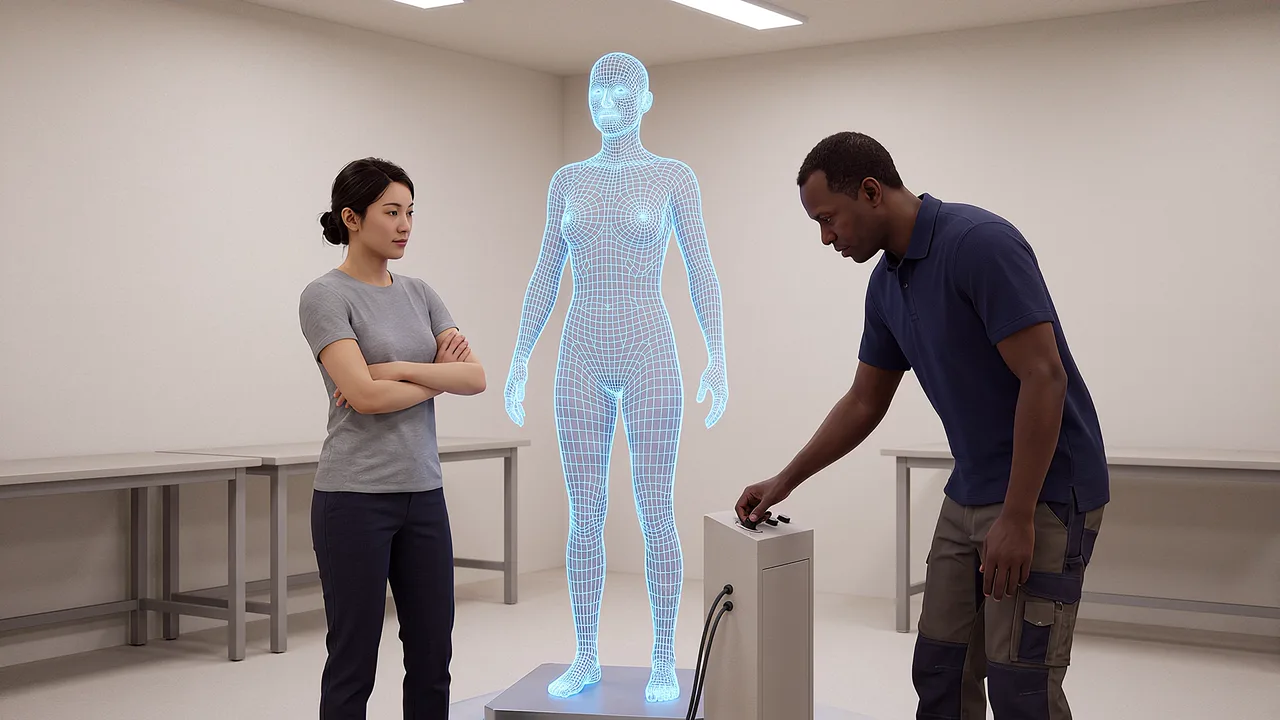
A version of a real professional that can talk to clients, answer questions and handle simple tasks around the clock.
02
AI companions
Domain-grounded conversational systems designed around a defined purpose, approved knowledge and clear boundaries.
03
Conversational agents
Chat and voice assistants that hold real conversations, with configurable guardrails and escalation paths.
04
Approved knowledge
Retrieval over approved content so responses reflect the organisation's own policy, practice and expertise.
05
Human oversight
AI that extends practitioners' reach rather than replacing their judgement, with review and audit built in.
06
Connected workflows
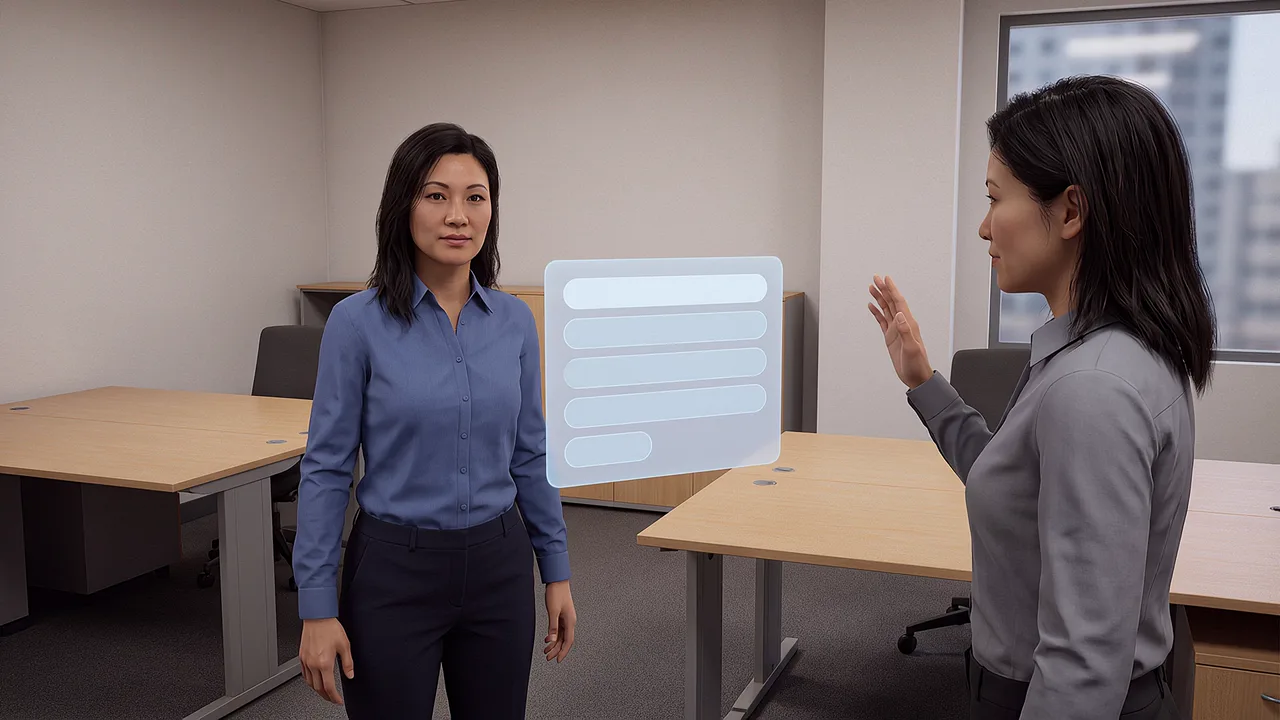
Connect conversations to calendars, booking, follow-up and business tools.
AI LANES
What can PTR build with AI?
A twin that answers as a named professional, a practice partner for hard conversations, and an experience built around one organisation's own knowledge. The same building blocks, arranged differently for each job.
Digital twins: Didymo

A digital twin for professionals with no time to spare
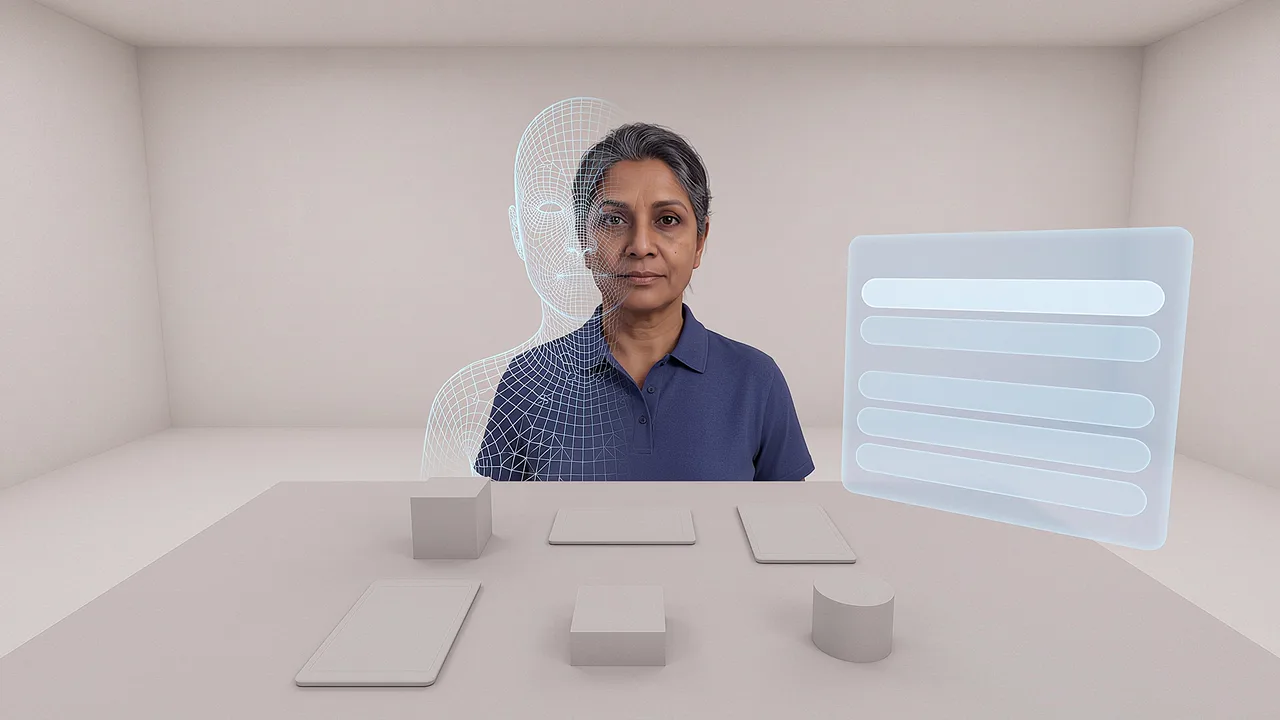
Clinicians, advisers and educators answer the same questions every week. Didymo, PTR’s own product, answers them from the professional’s approved material, by chat, voice, a live avatar or a booked meeting, and hands over to the person when a conversation needs them.

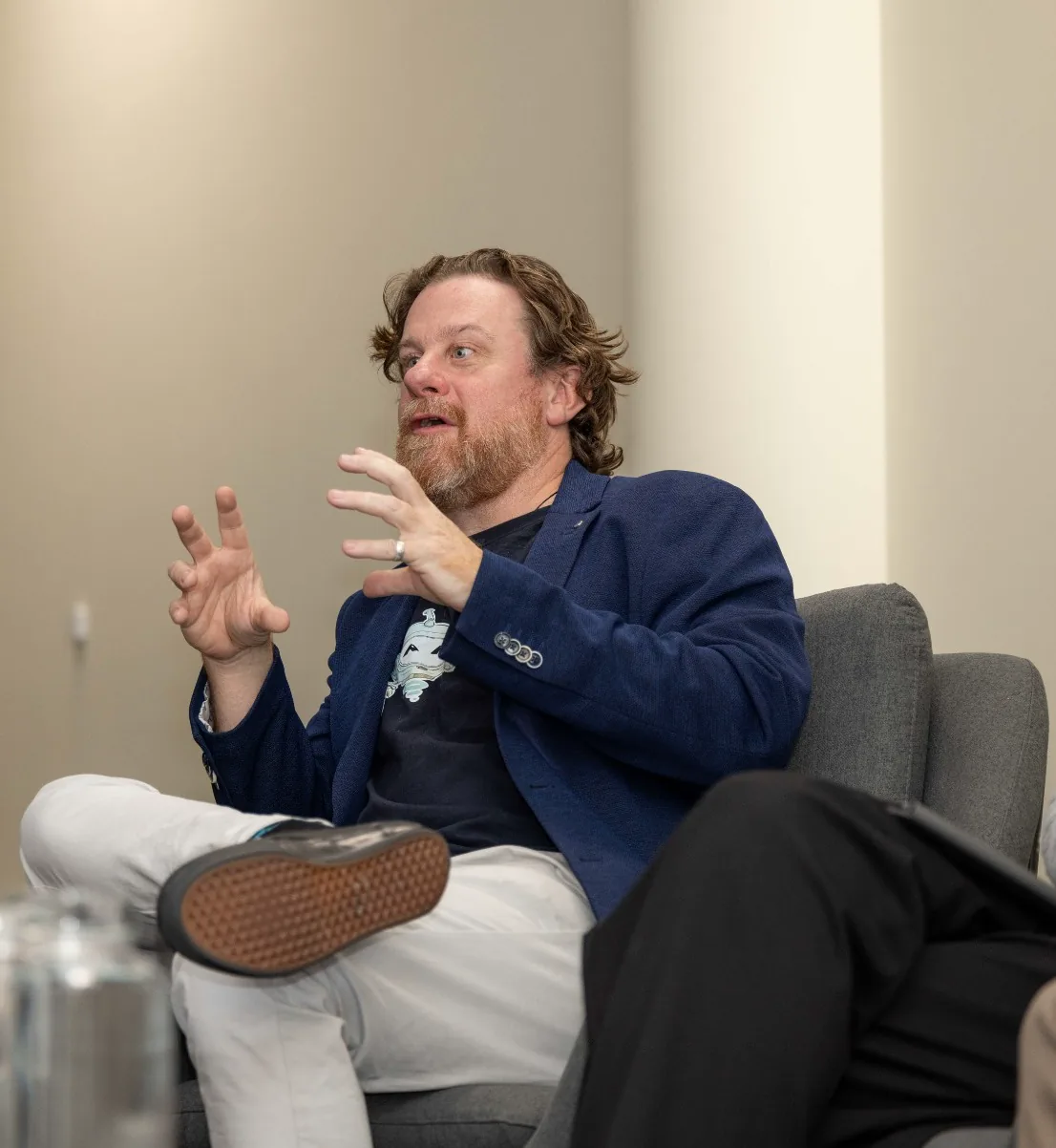
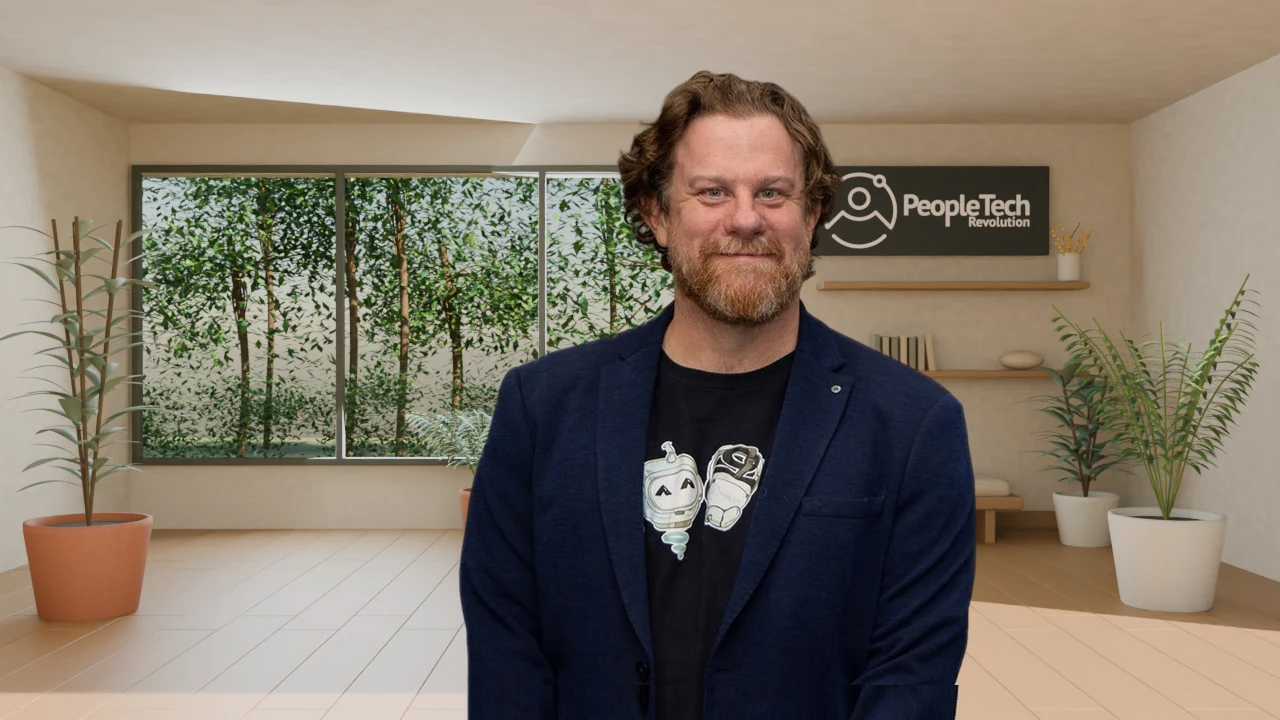 Simon's Twin, ready to talk about PTR.
Meet PTR’s CEO, Simon Lowe, as a digital twin.
Talk about VR training or AI with Simon's Twin in chat, voice or a live avatar call.
AI roleplay and practice
Practise the conversation before it matters.
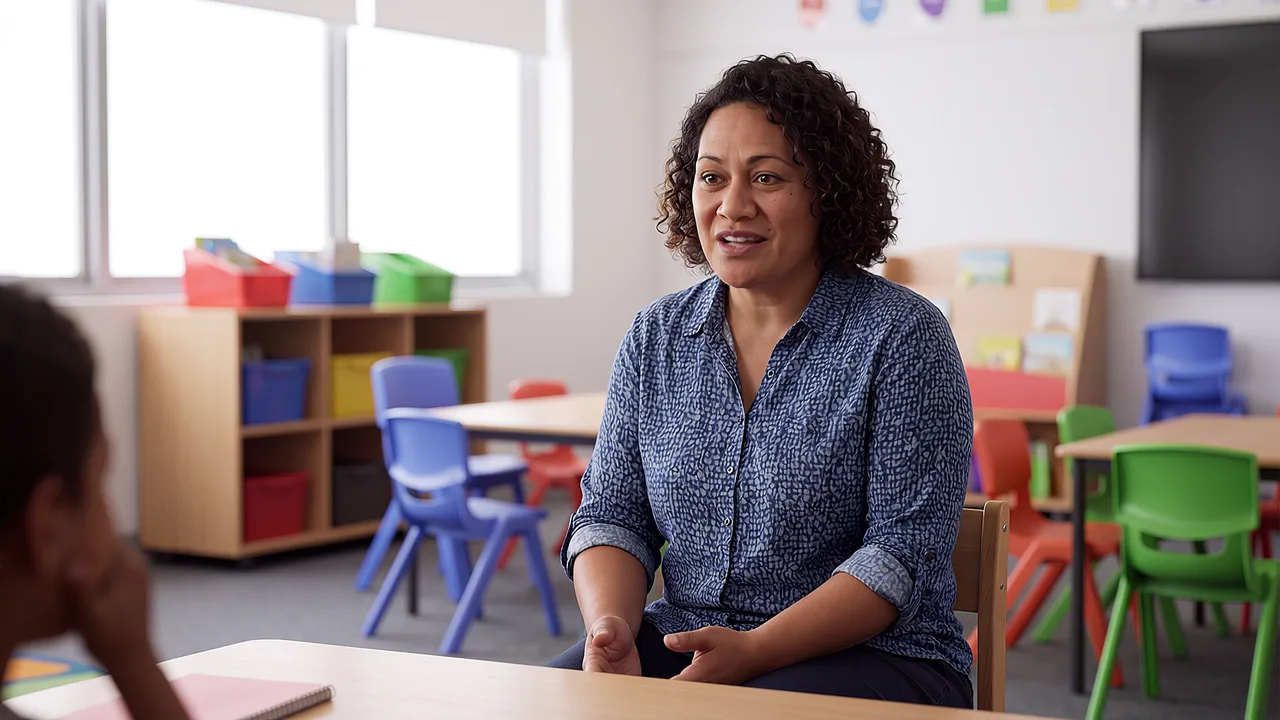
A difficult conversation, rehearsed on a laptop or phone as many times as it takes, with the same briefing, structured review and human escalation PTR uses in its VR practice work. No headset needed.
"AI plays a crucial role here as well, especially now, helping to script and gamify scenarios that provide a more realistic experience. It enables us to craft narratives that adapt in real-time, making the experience progressively more challenging and thus more effective."
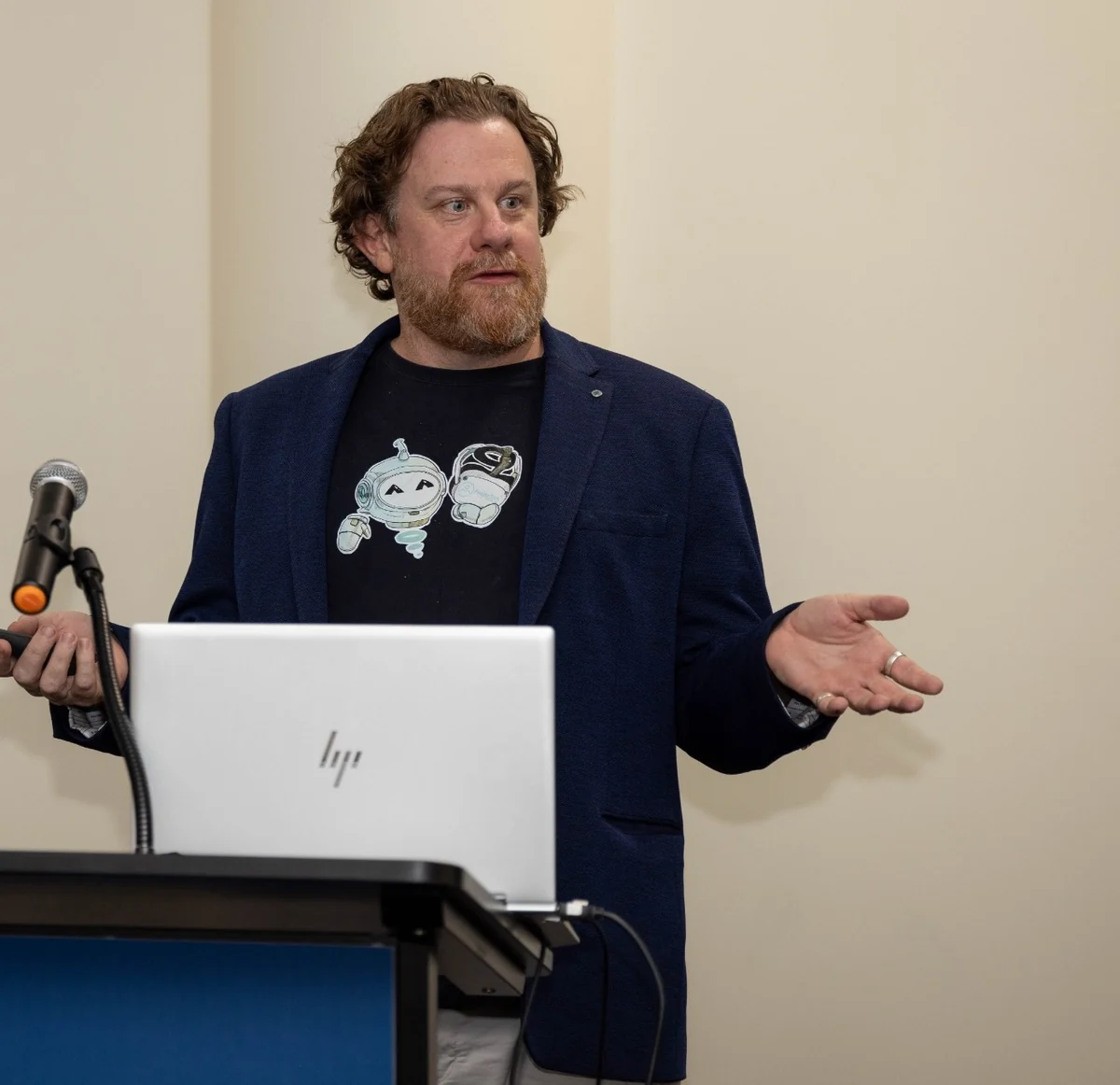 Simon Lowe
CEO, People Tech Revolution, on AI inside PTR's scenarios. The Cusp of a Revolution, Global Best Practice Group, October 2024
Custom AI experiences
Built around your knowledge, your people and your workflow.
PTR combines the building blocks above, a twin or companion, approved knowledge, human oversight and connected workflows, with what an organisation already knows and how it already works.
Every build moves through discovery and consultation, co-design workshops, prototyping and development, testing and deployment, and ongoing support. The full process is on our approach.
What does it look like in practice?
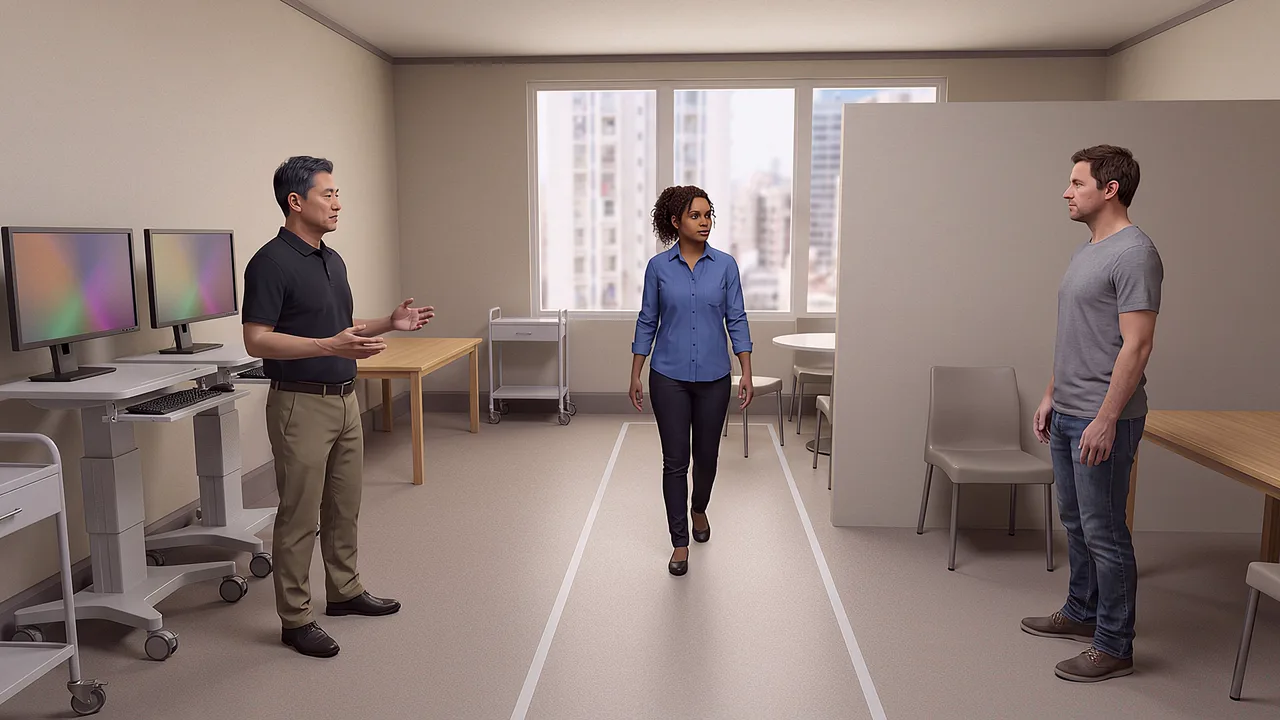
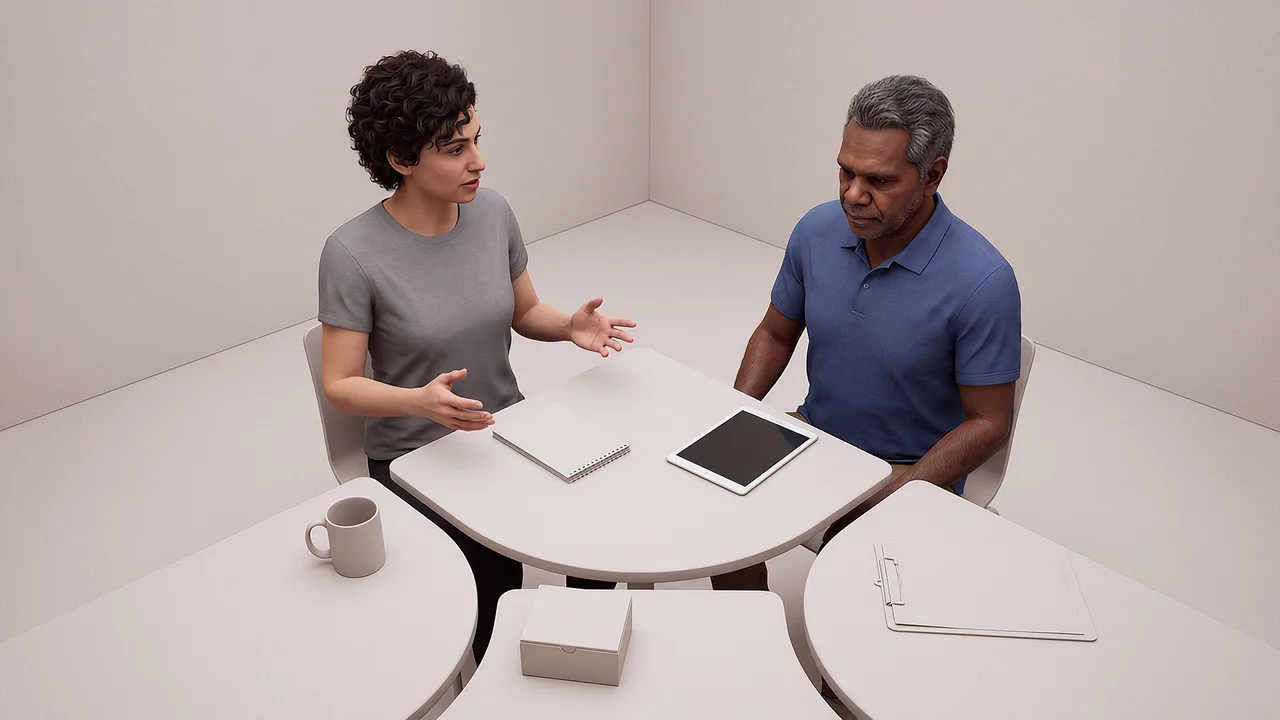
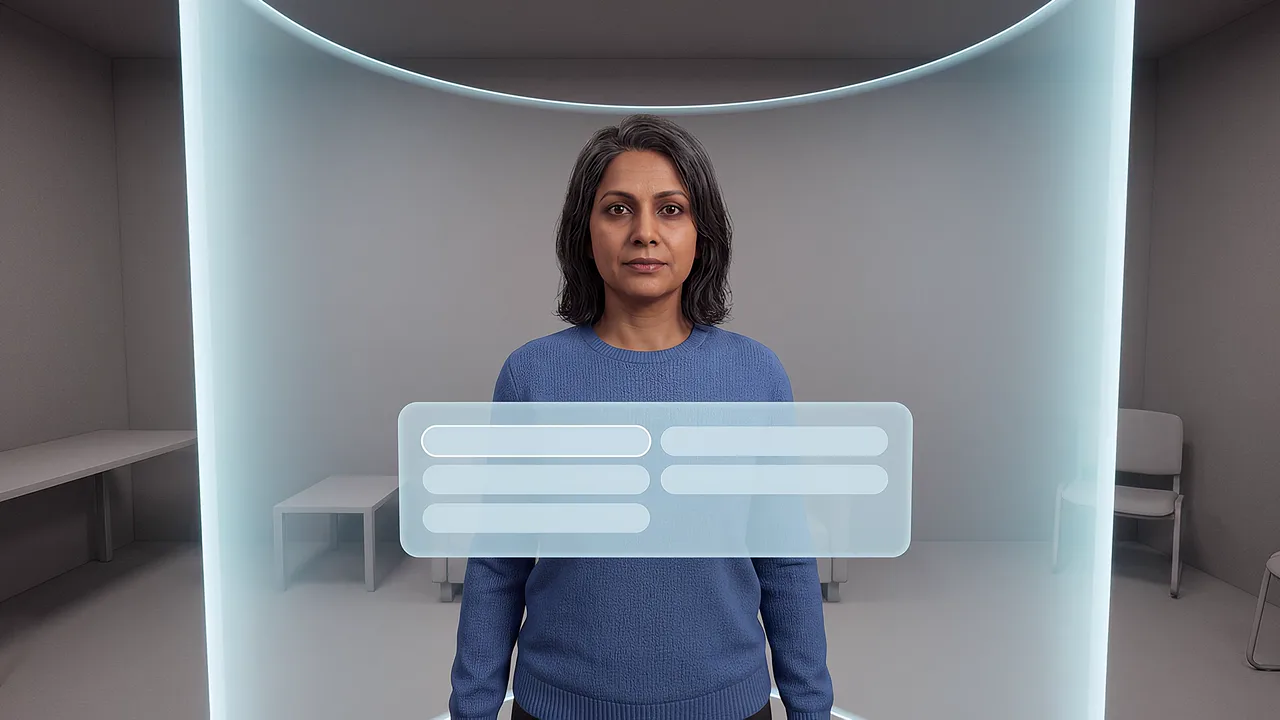
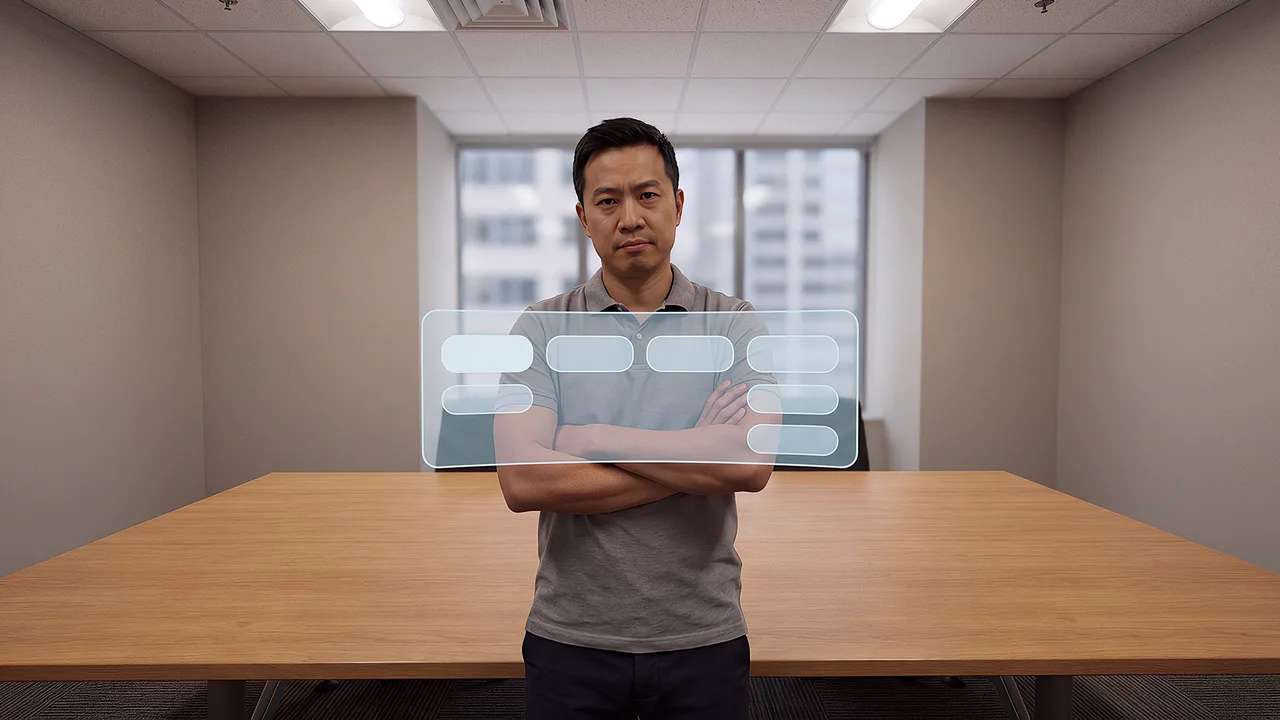
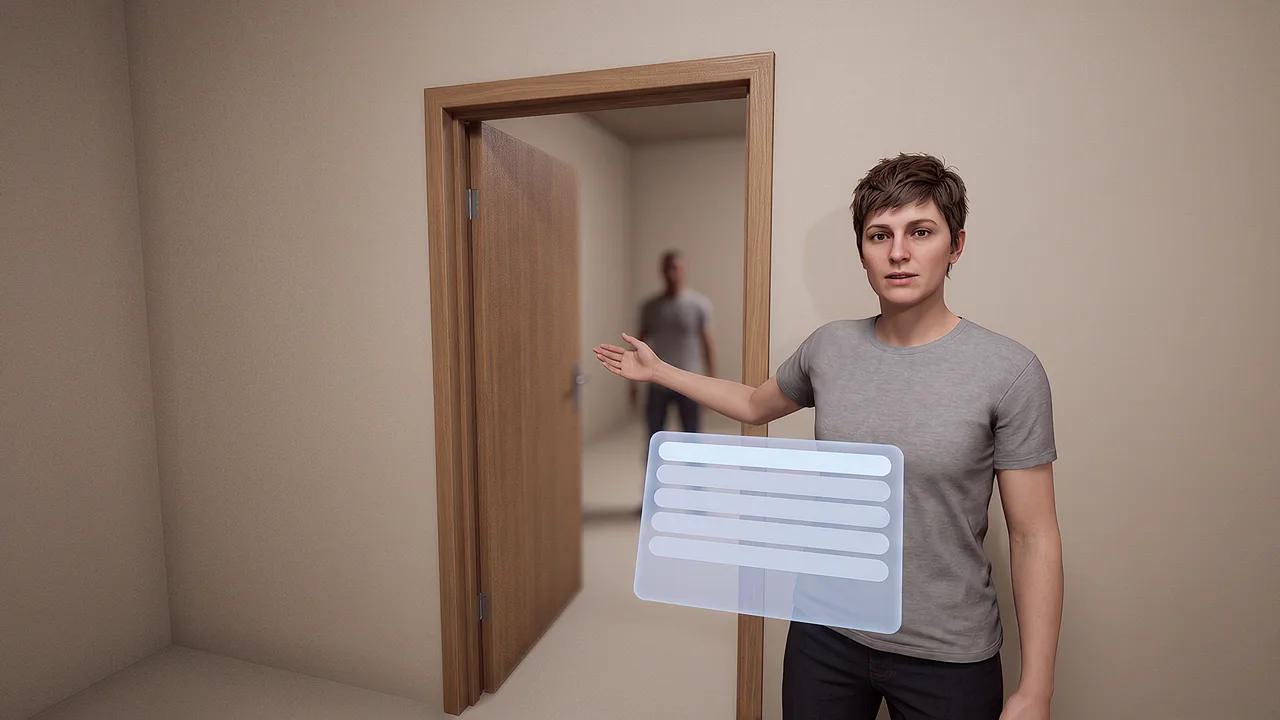
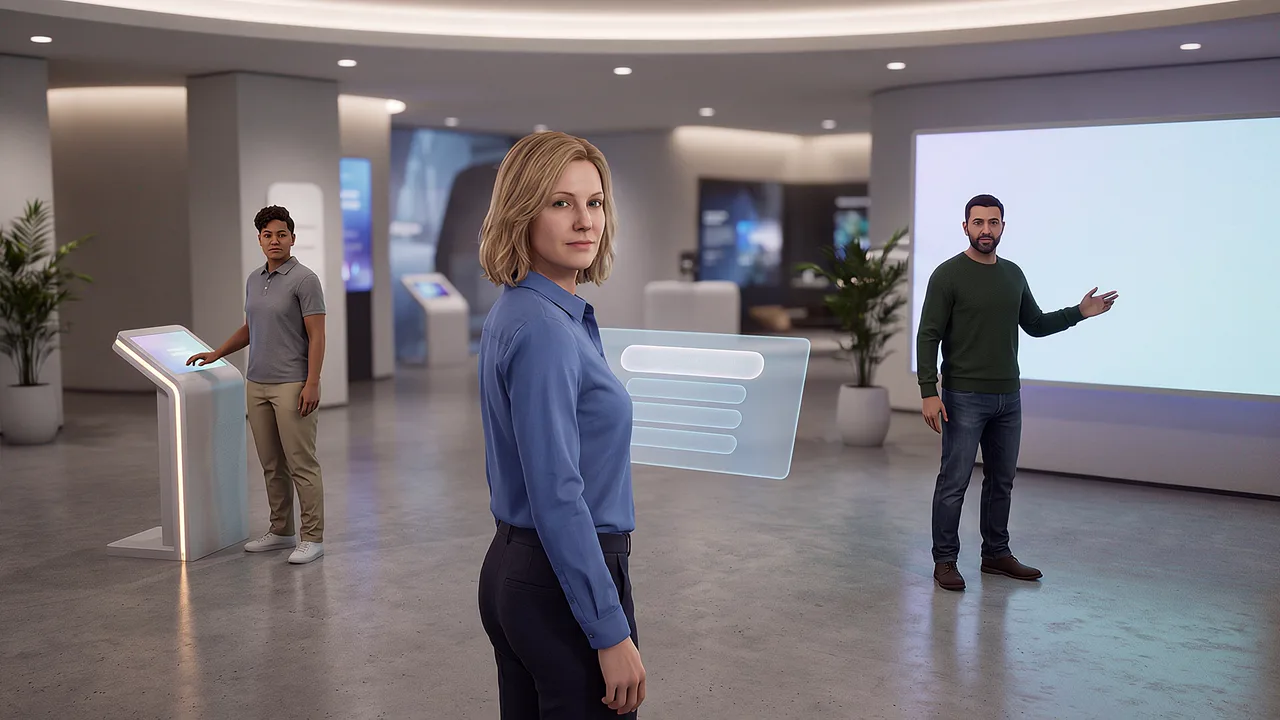
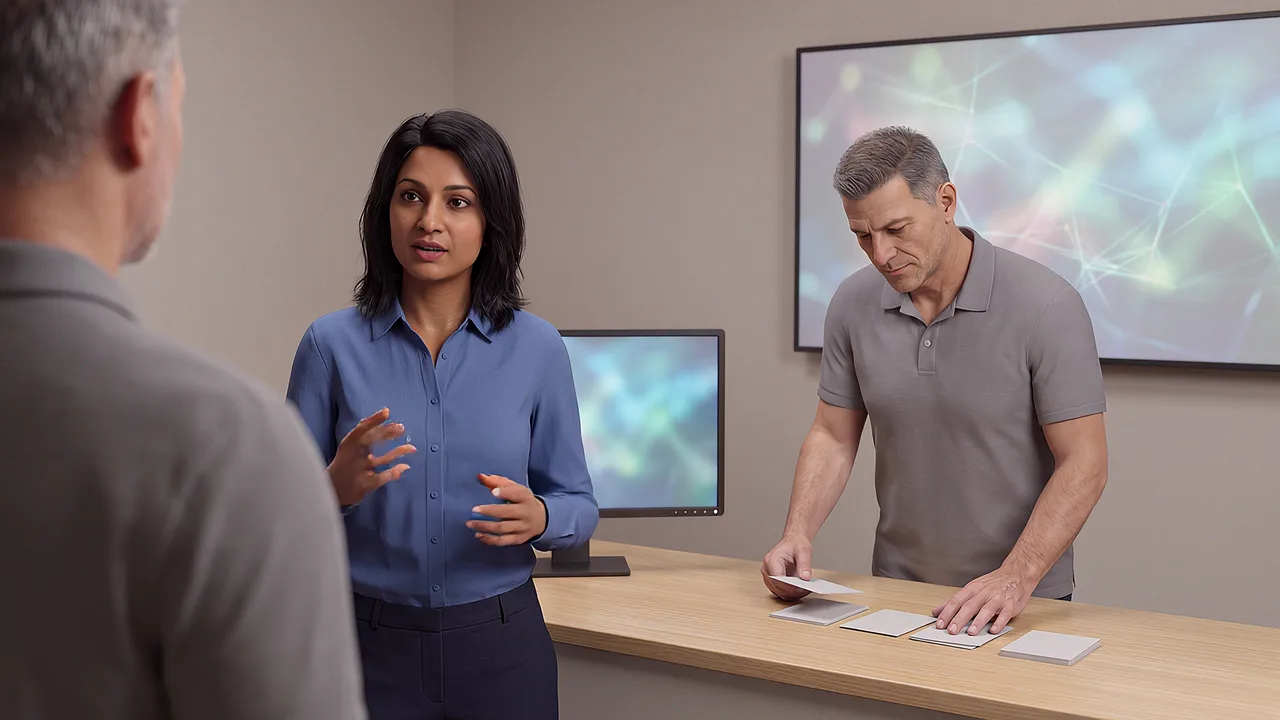
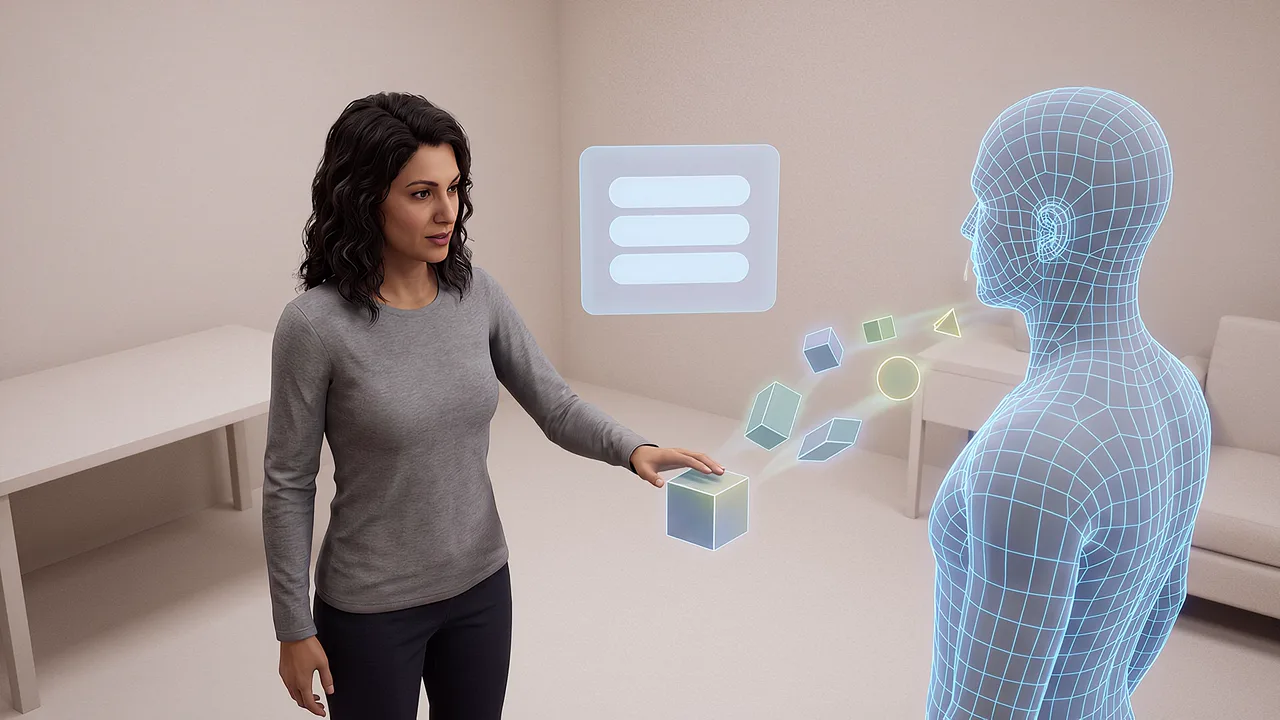
The person the practising person faces, and the human adviser it hands over to.

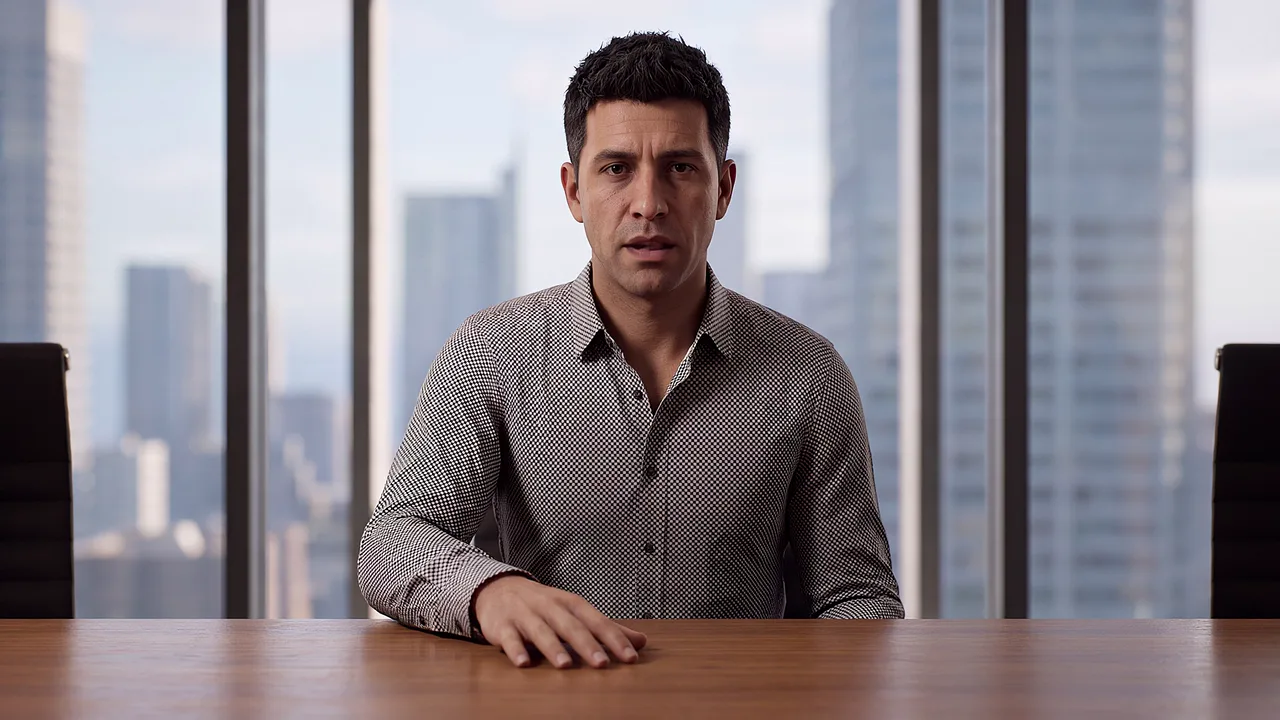
DIGITAL TWINS
Meet the product by using it.
Chat, a voice call, a live avatar on screen and a booked meeting are ways into the same conversation with the twin on this page. Each runs on the phone or browser you already have.
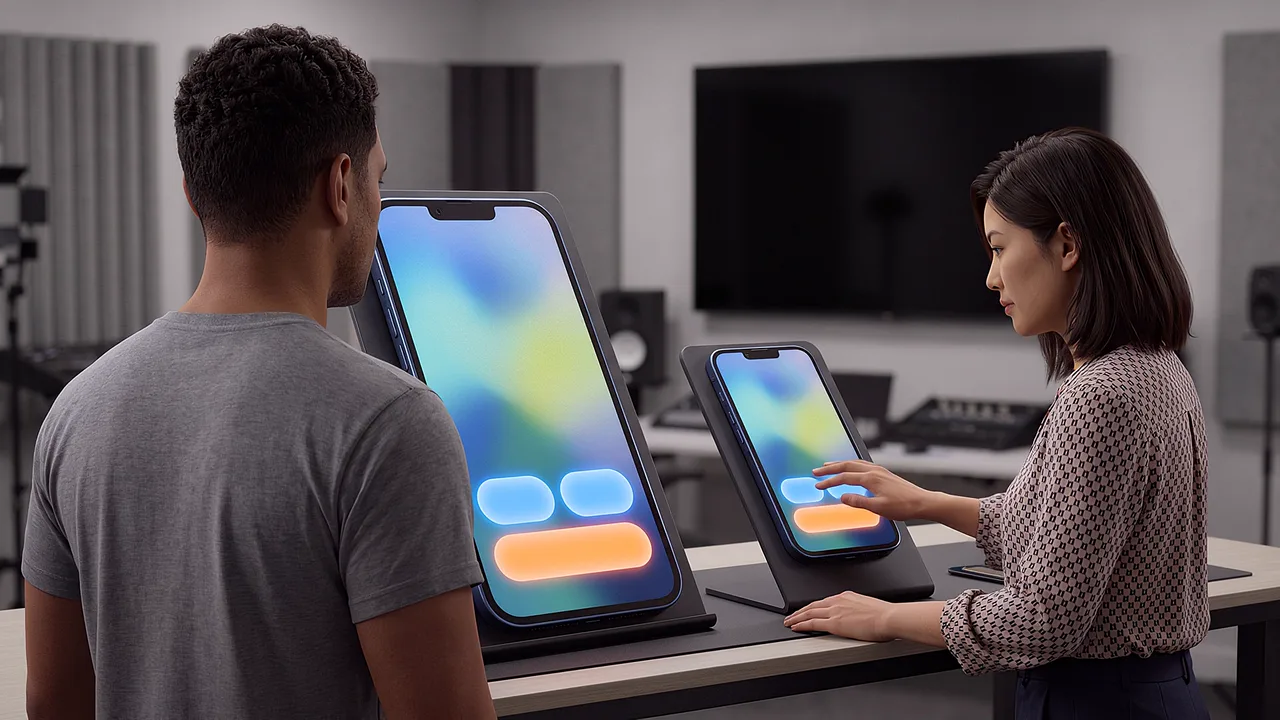
Chat
Type a question on your phone or in the browser. The twin answers in text, drawing only on material the organisation has approved.
Explore chat →
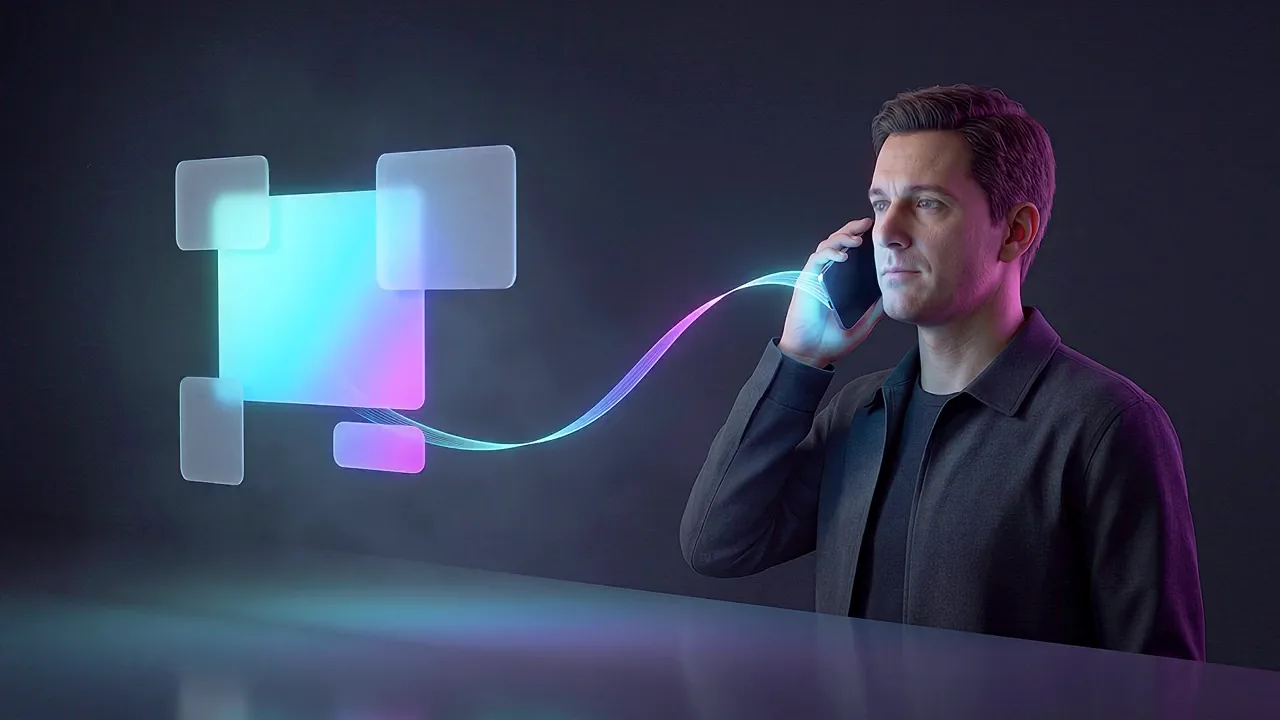
Voice
Speak instead of typing. A voice call with the twin, on the phone or in the browser, in the twin's own voice.
Explore voice →
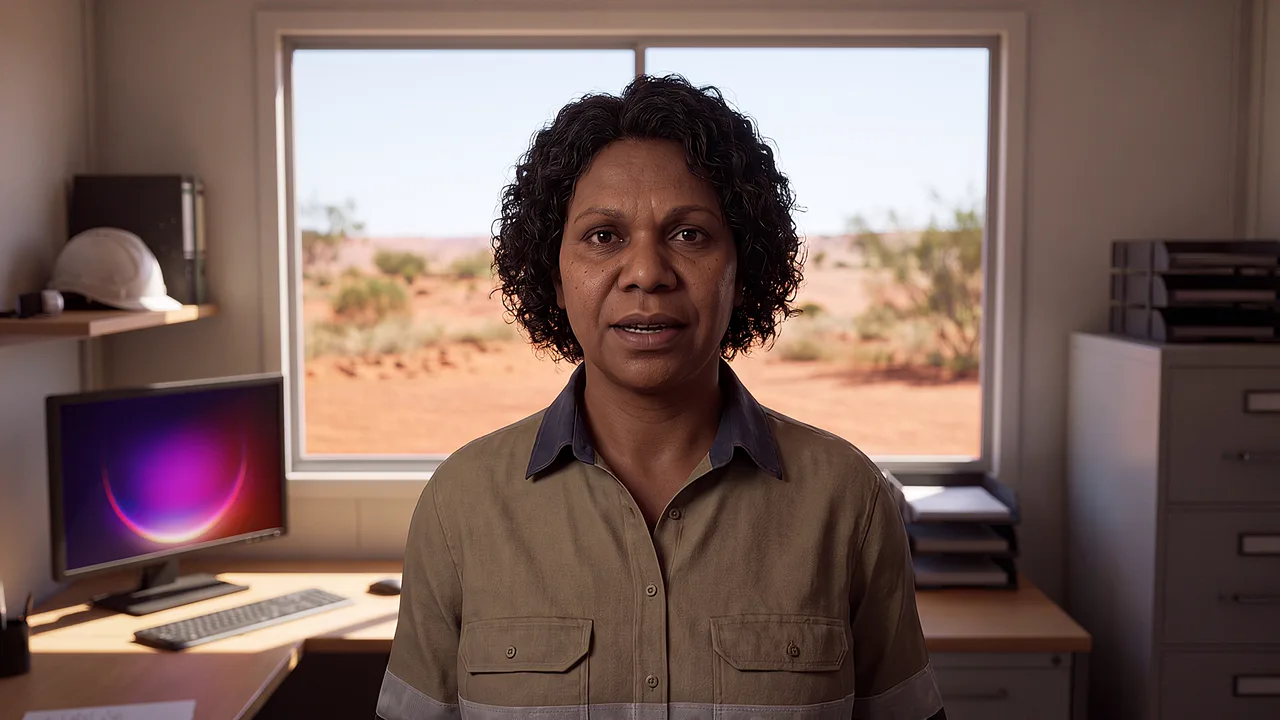
Avatar
A live face on your phone or laptop screen, for the conversations that need one.
Explore the avatar →
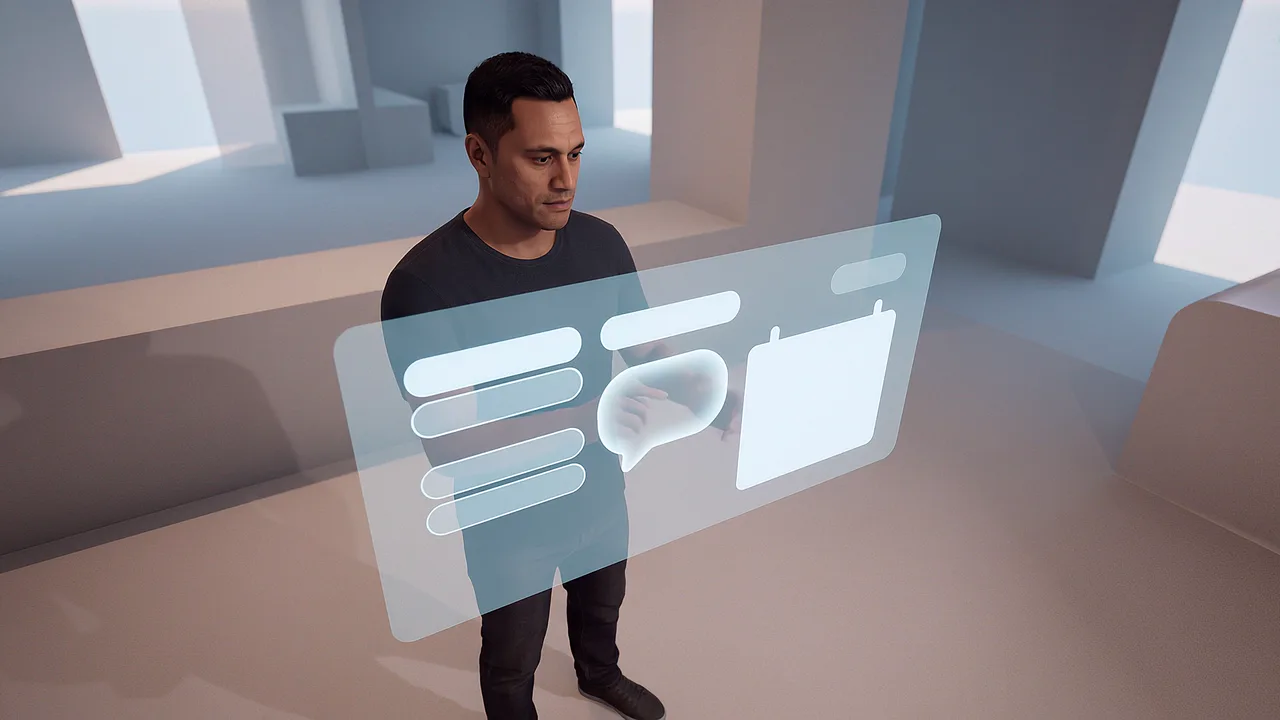
Book
Book real time with the person the twin represents: a Google Meet appointment, made straight from the conversation.
Explore booking →
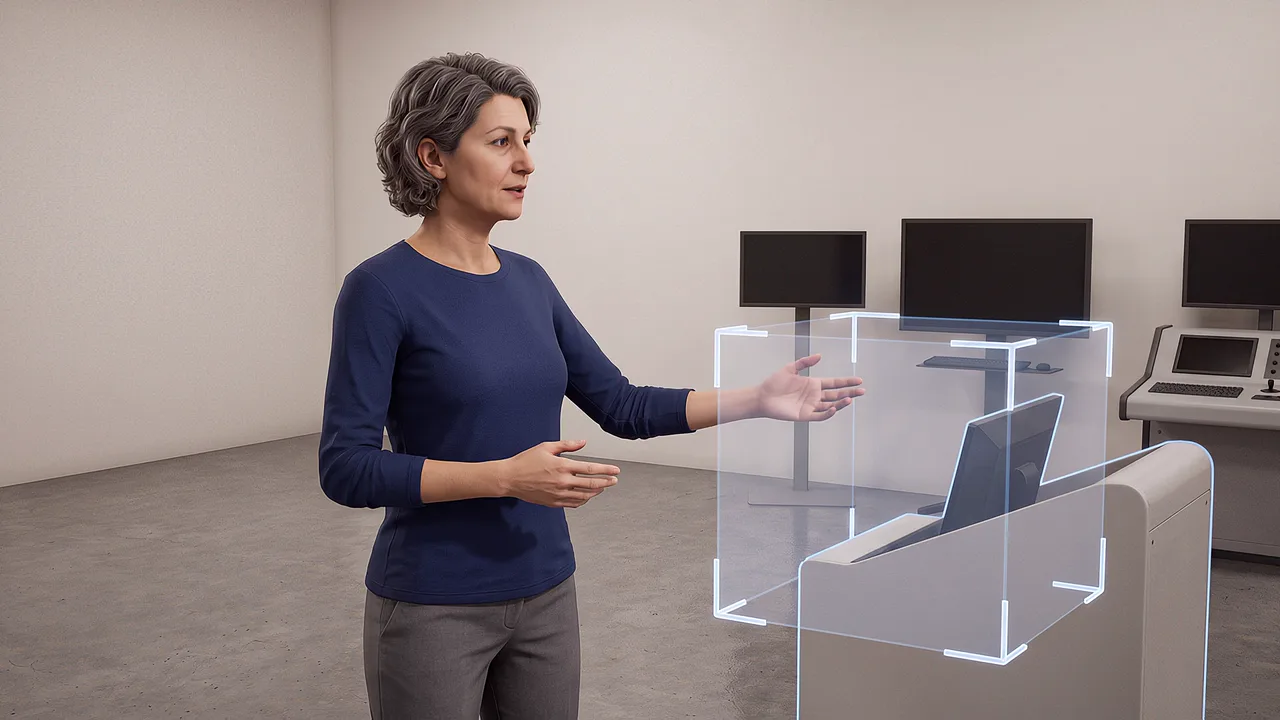
Built for organisations where trust matters.
Every build draws on approved knowledge, works inside boundaries the organisation sets, keeps a person over the answer and leaves a record that can be audited, with deployment and data-location options where available.
Who is on the other end of a twin?
A twin answers one person at a time. What changes is how many of those conversations the professional behind it can be part of.
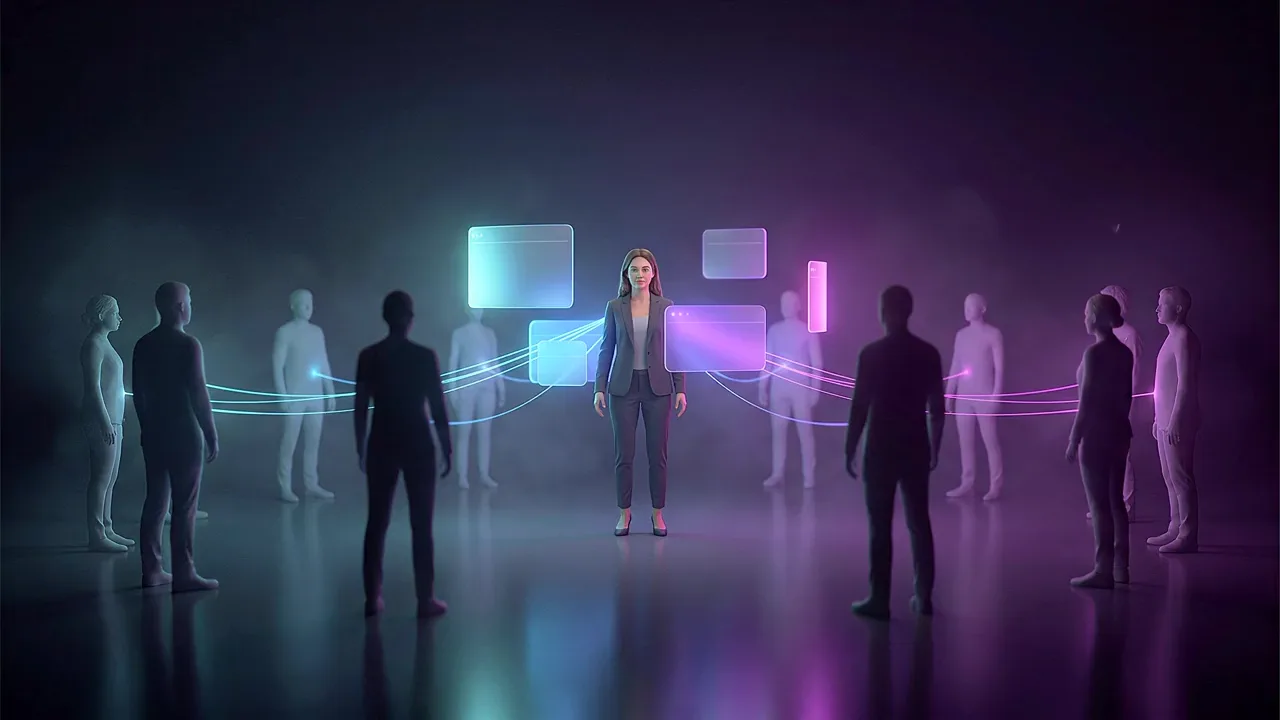
The same answer, given many times over
A professional can hold one conversation at a time. A twin grounded in their approved material can hold the first part of many, then bring them the ones that need their judgement.
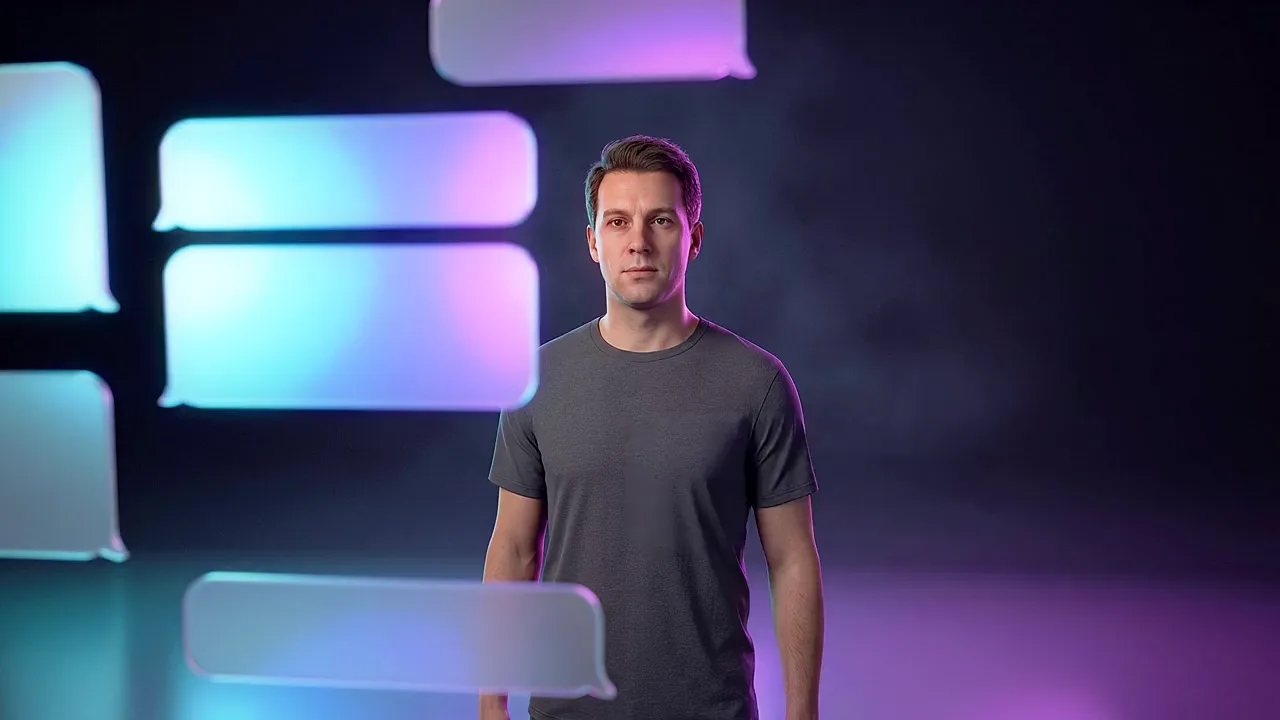
And what it looks like from their side
The person asking gets a reply at the hour they asked it, drawn from what the professional approved, and a way through to that professional when the question needs one.
And at the hour they ask it
Most questions do not arrive during office hours. The one that comes in late is answered from the same approved material as the one that comes in at eleven in the morning.
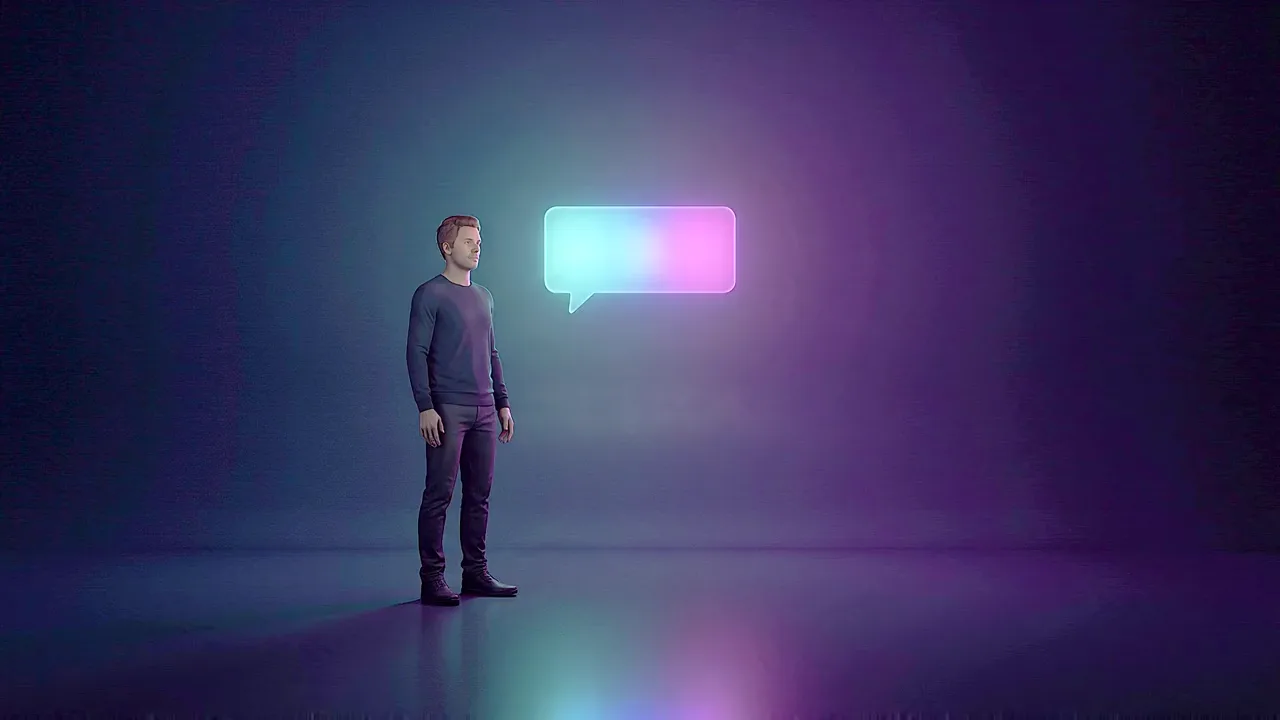
Nobody is at the desk, and the answer still comes
A twin does not improve overnight or invent something to fill the gap. It answers from what the organisation approved, and the professional can read the whole exchange in the morning.
AI IN XR AND MOBILE
Can AI run inside XR and mobile apps?
AI runs wherever your people are: a web page, a laptop, a phone, a VR headset or smart glasses. Only VR itself needs a headset; the twin and the practice partners above do not.
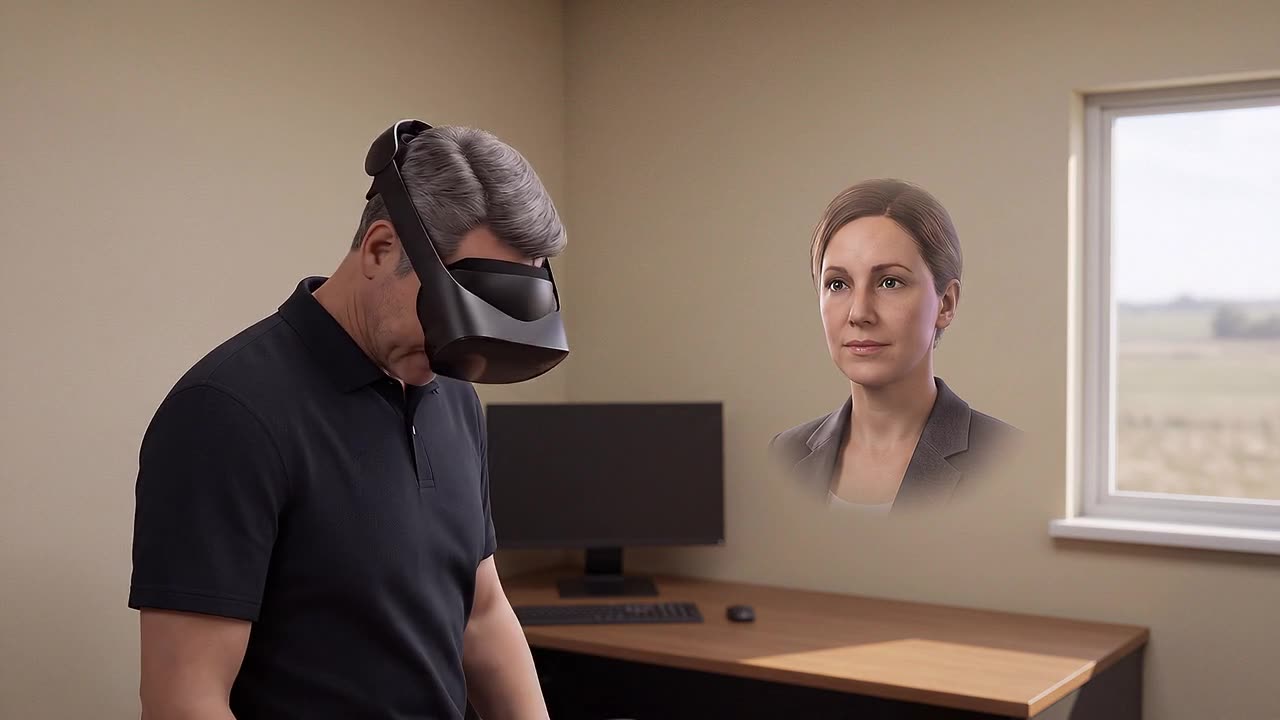
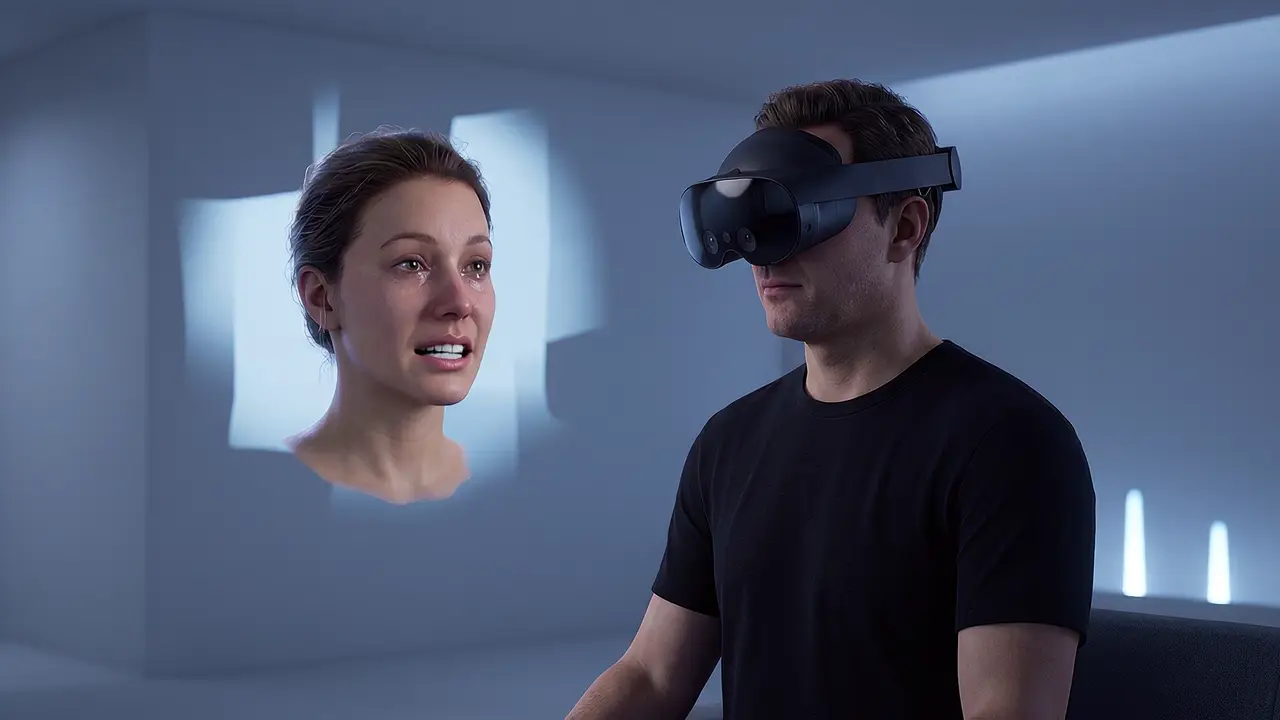
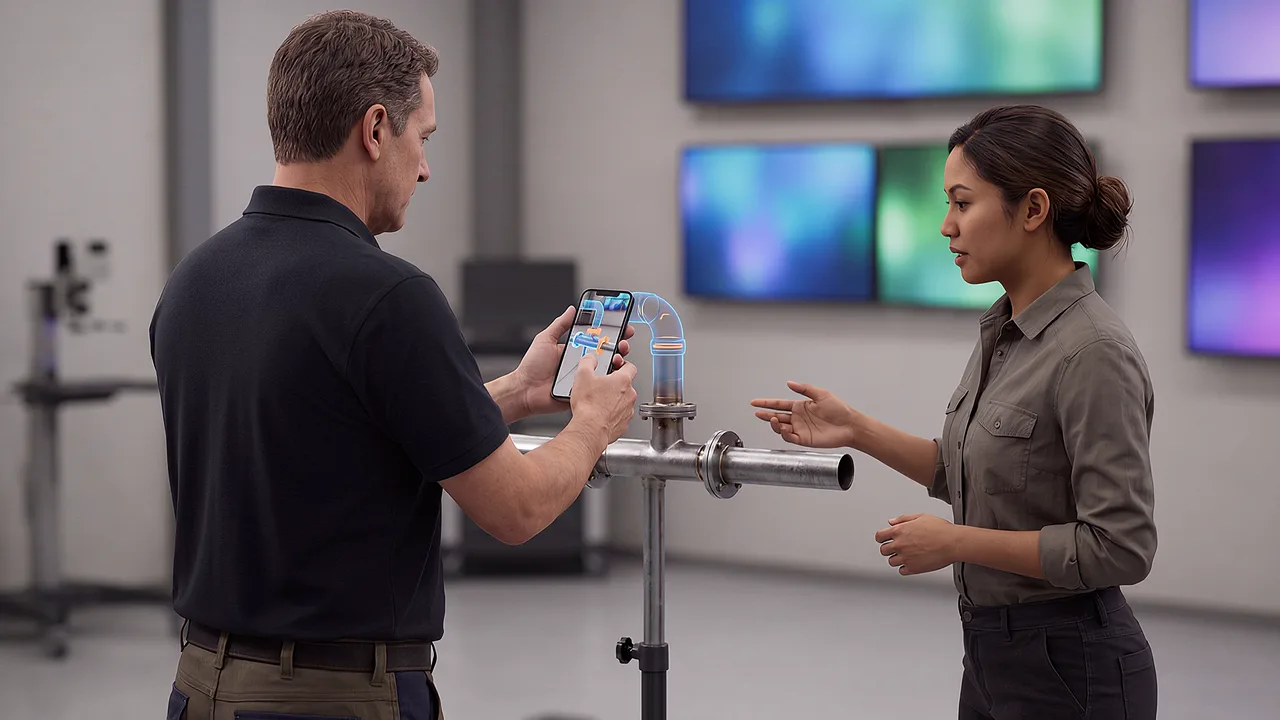
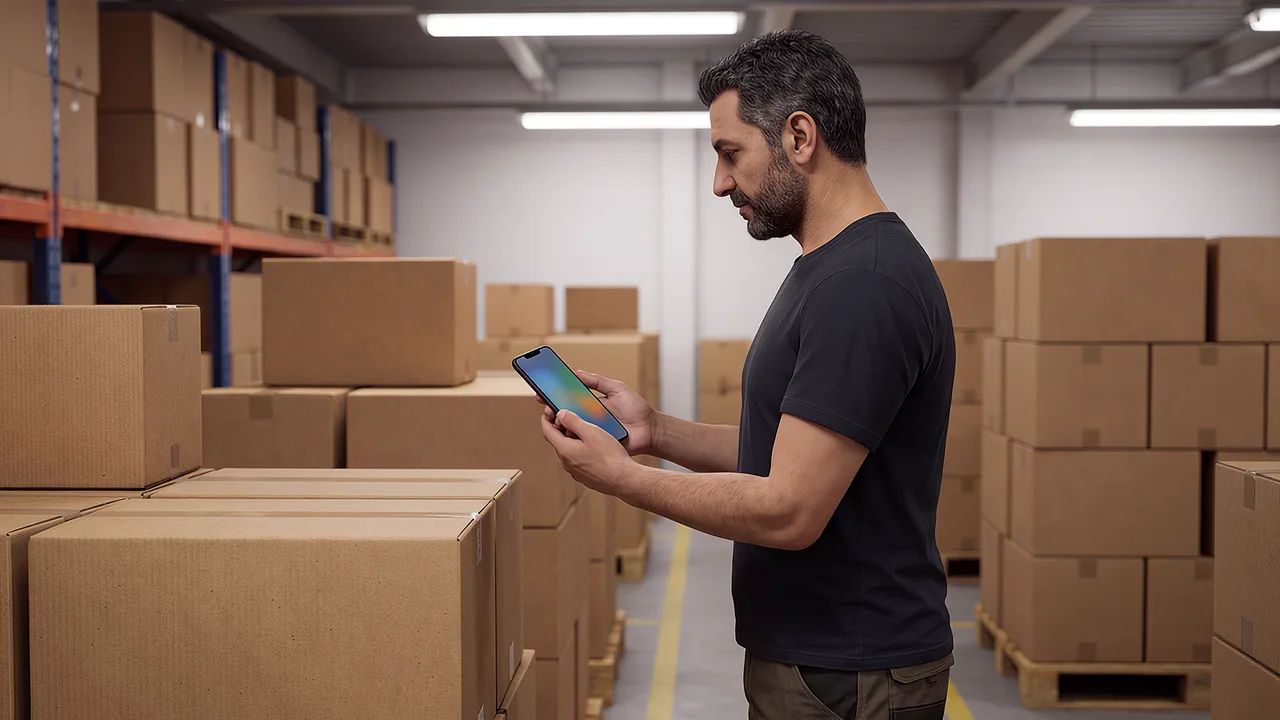
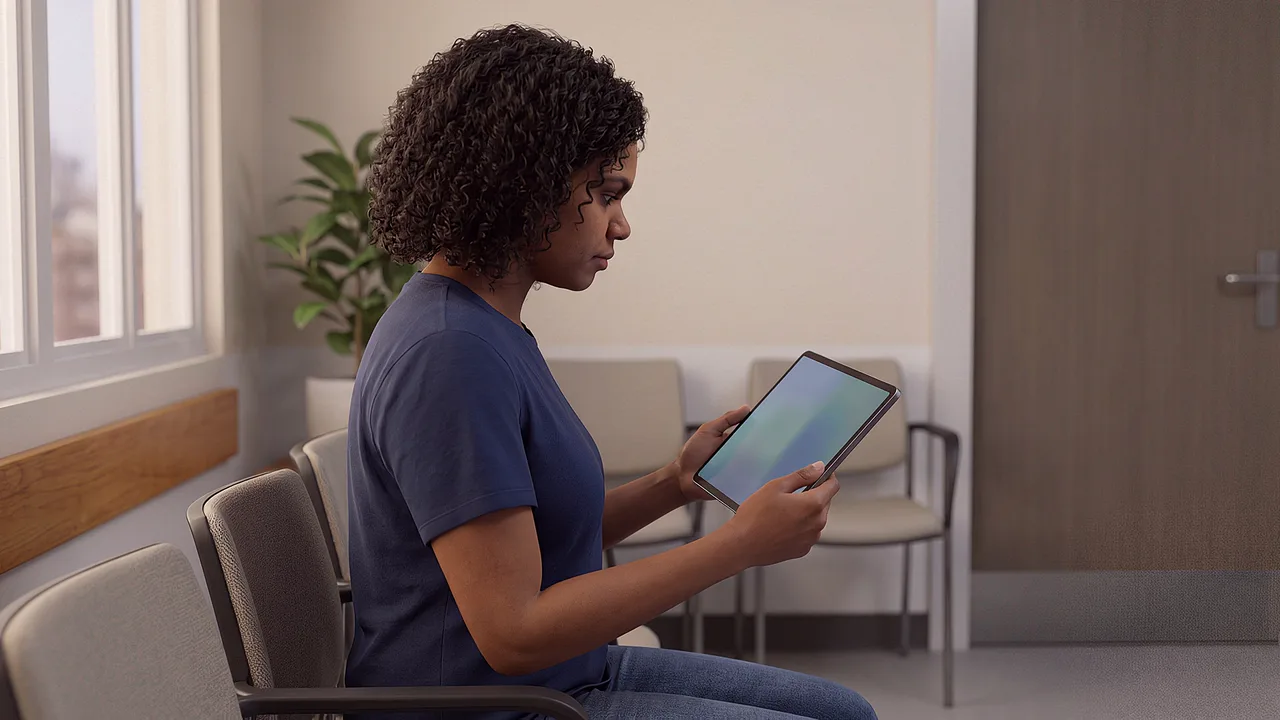
Practise with someone who answers back
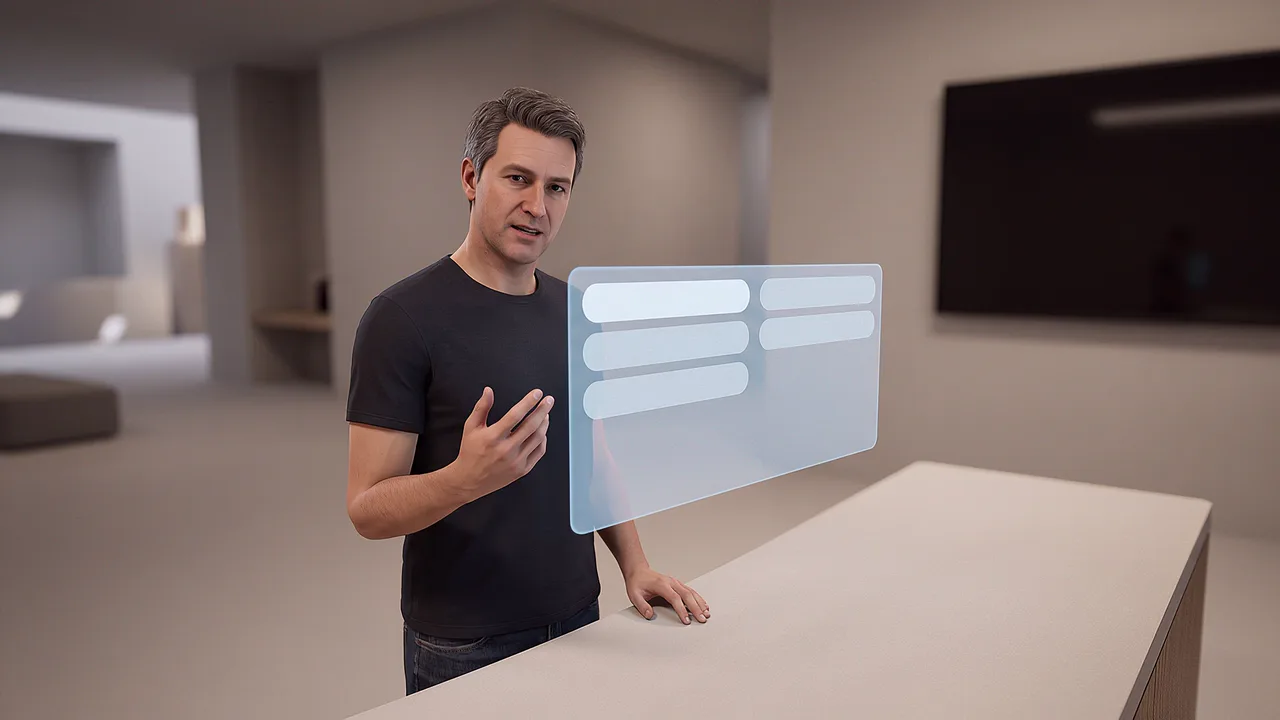
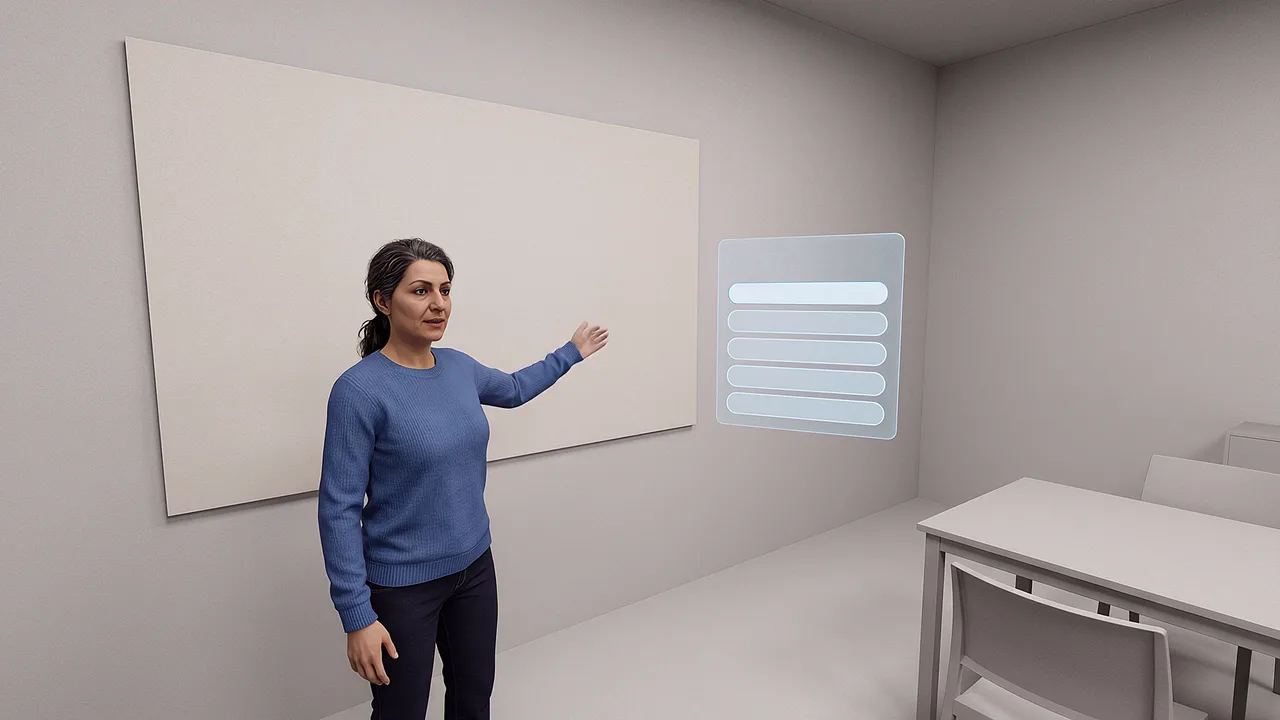
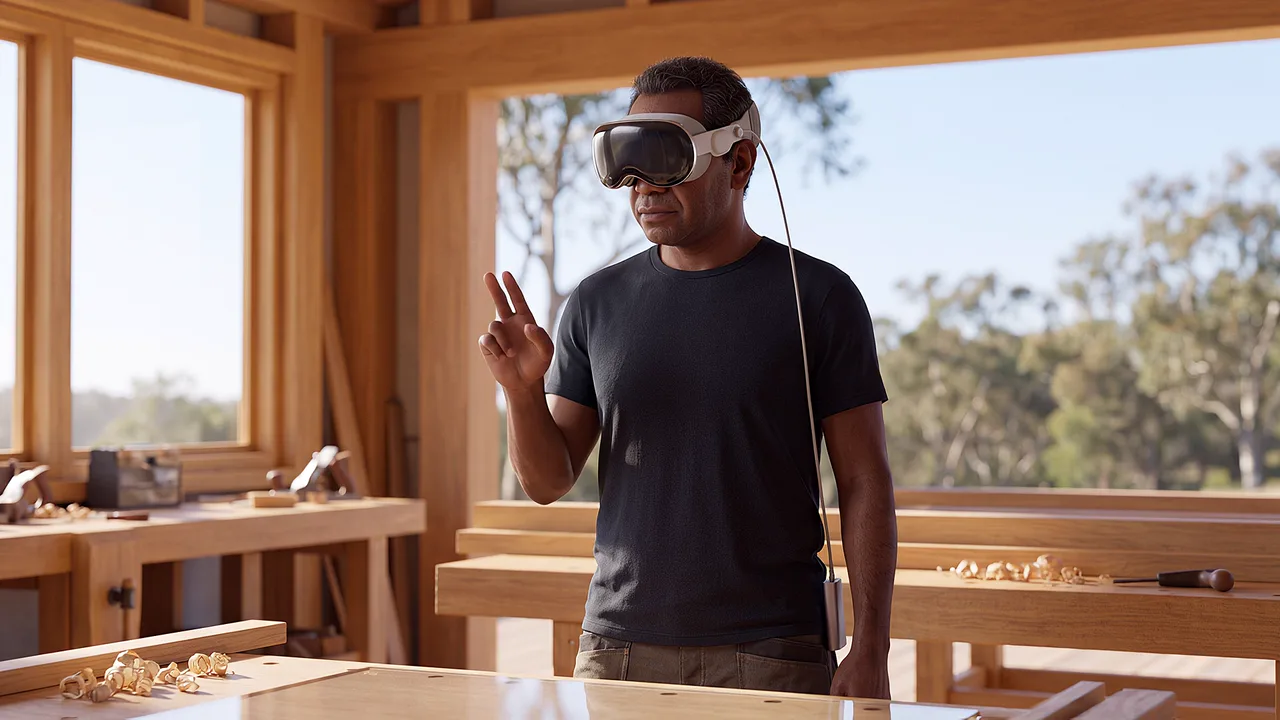
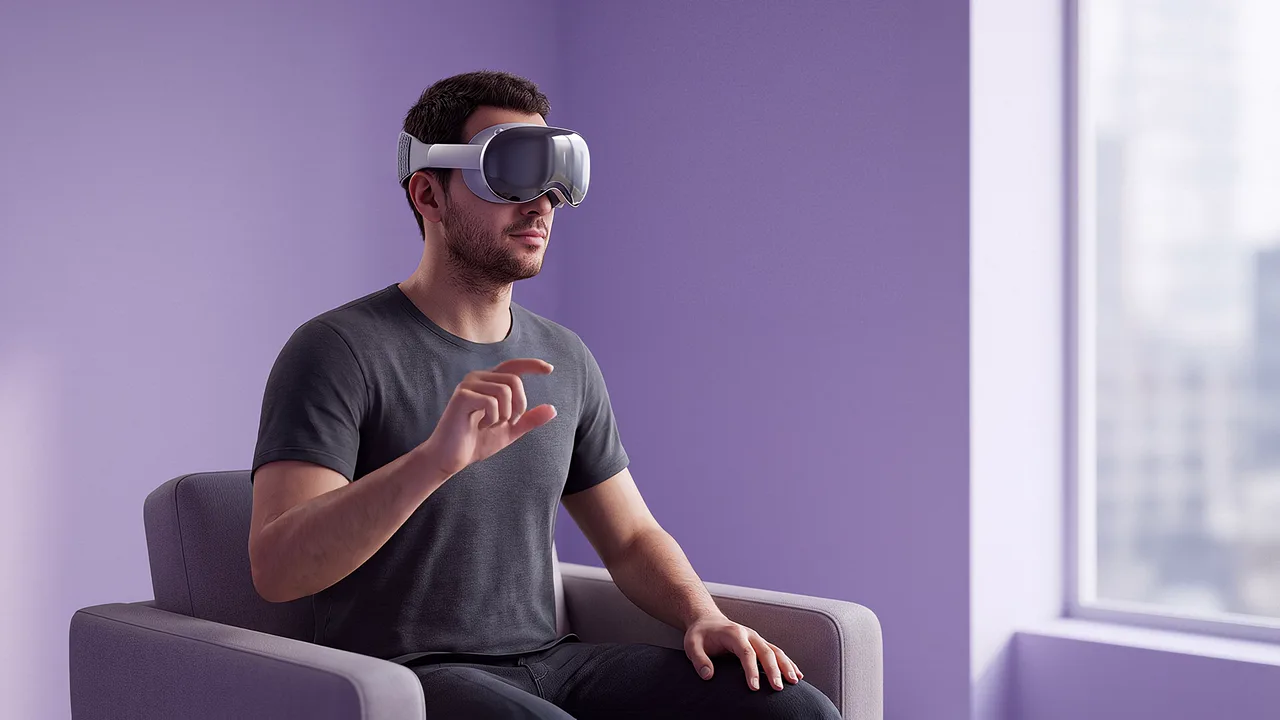
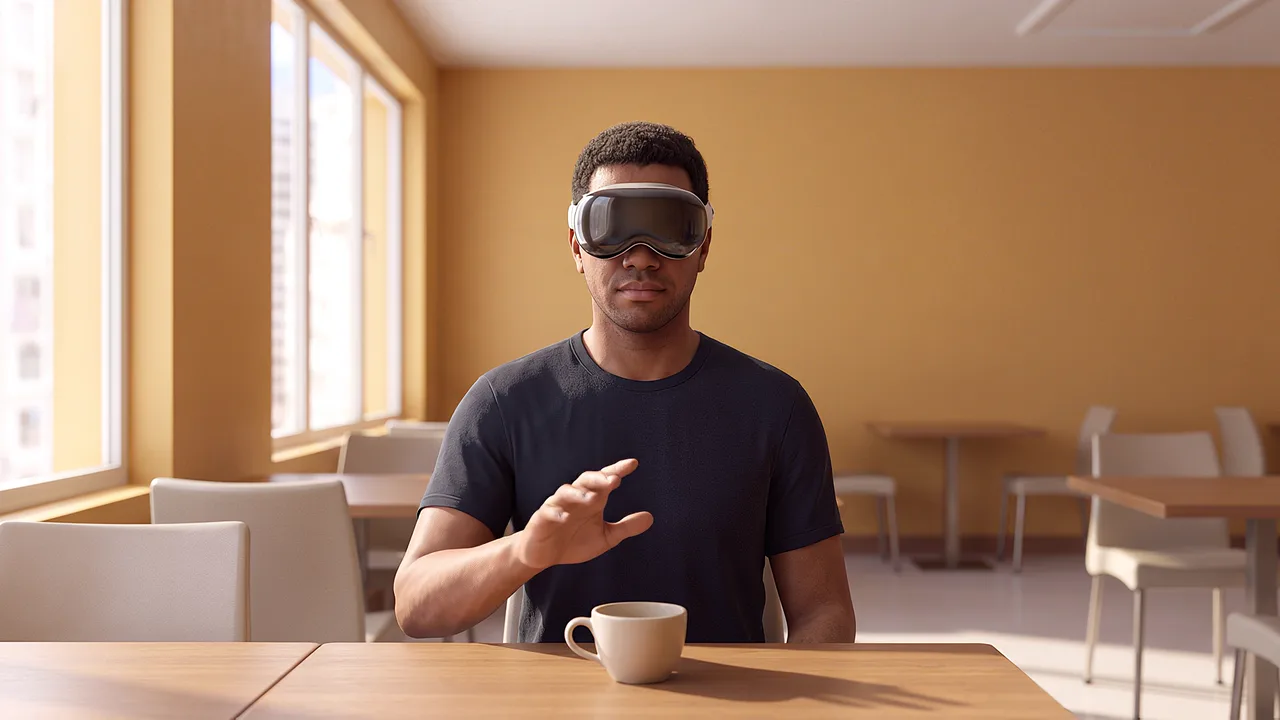
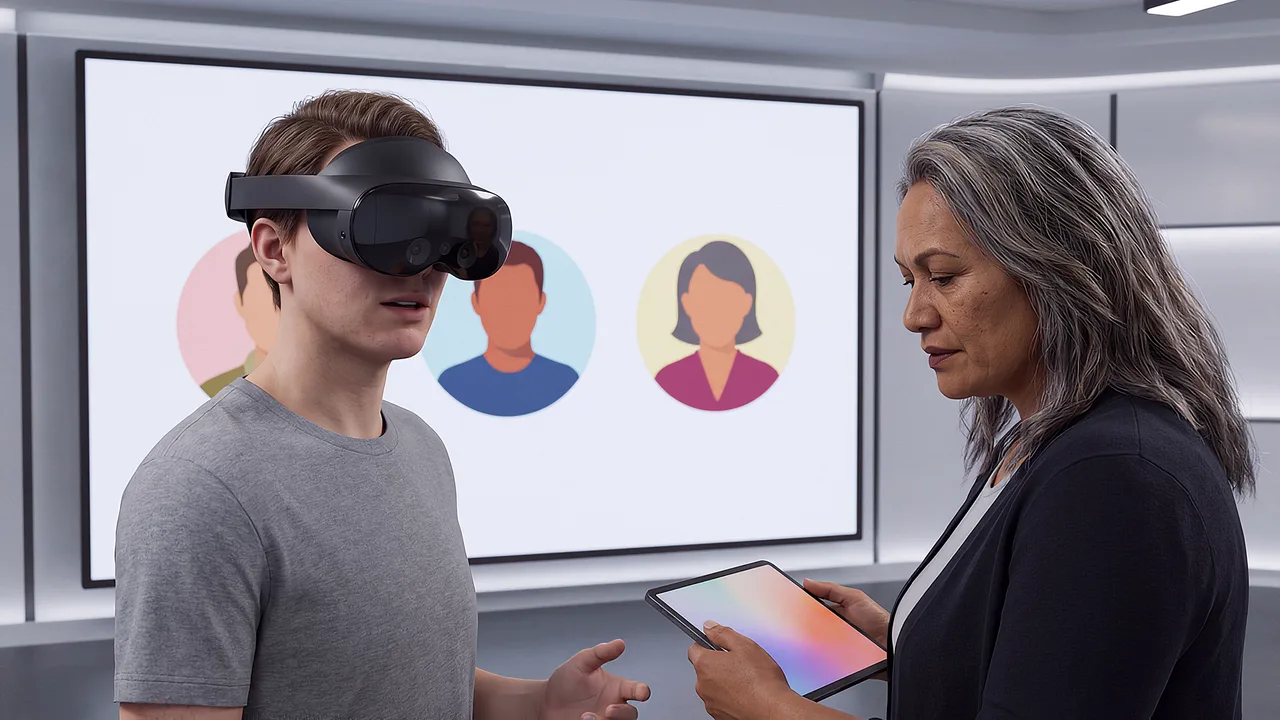
Put the headset on and the manager, the client or the upset customer is already in the room. Say what you would say at work. They respond to your words, not a script, so you can try the hard line a different way each time before it counts.
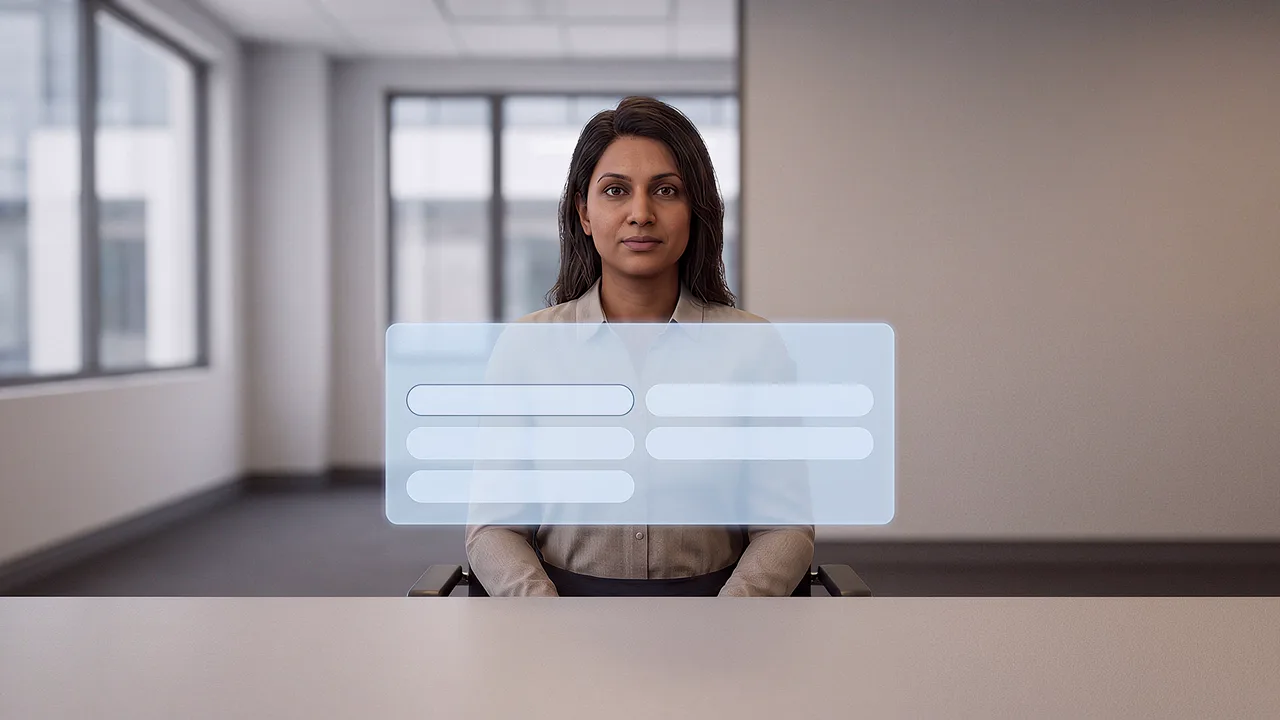
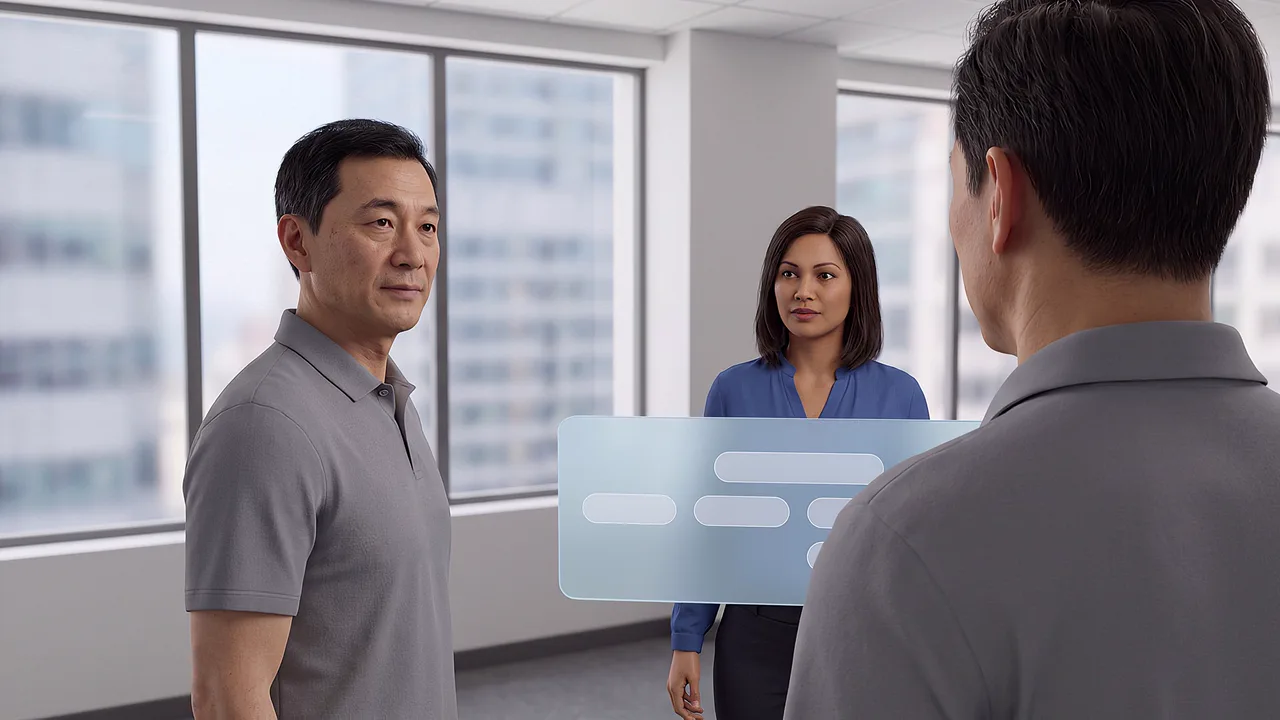
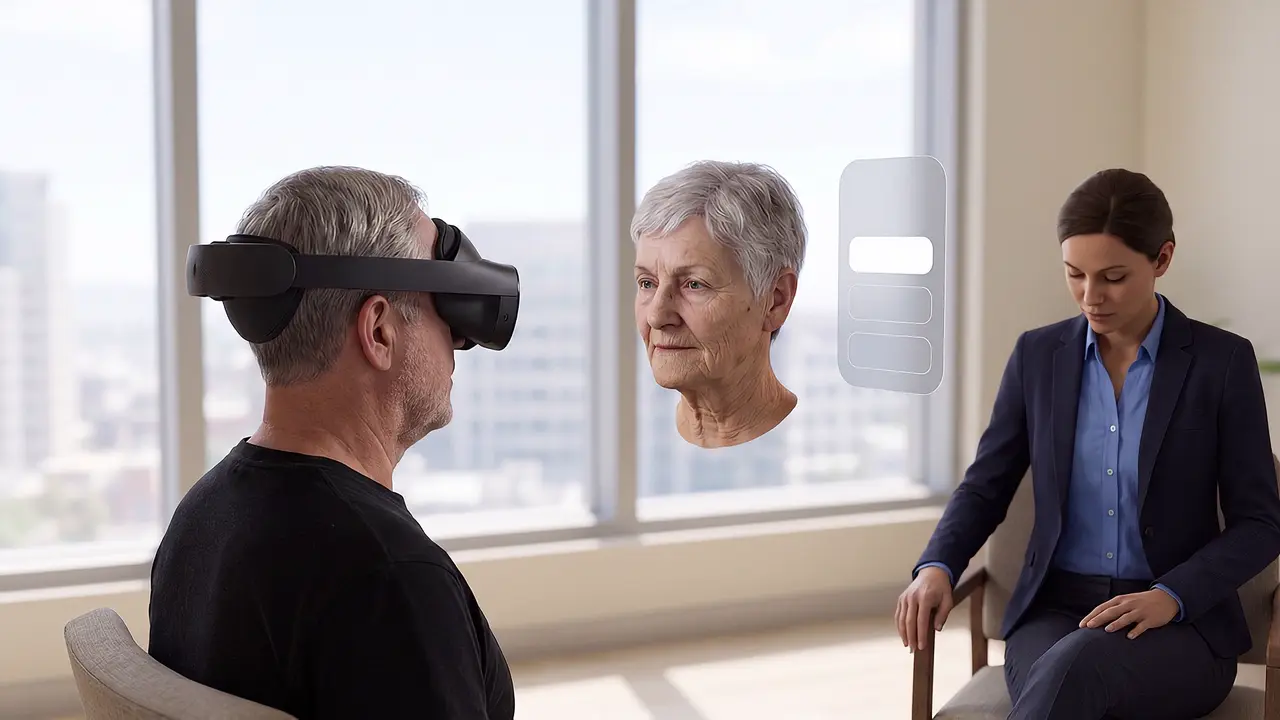
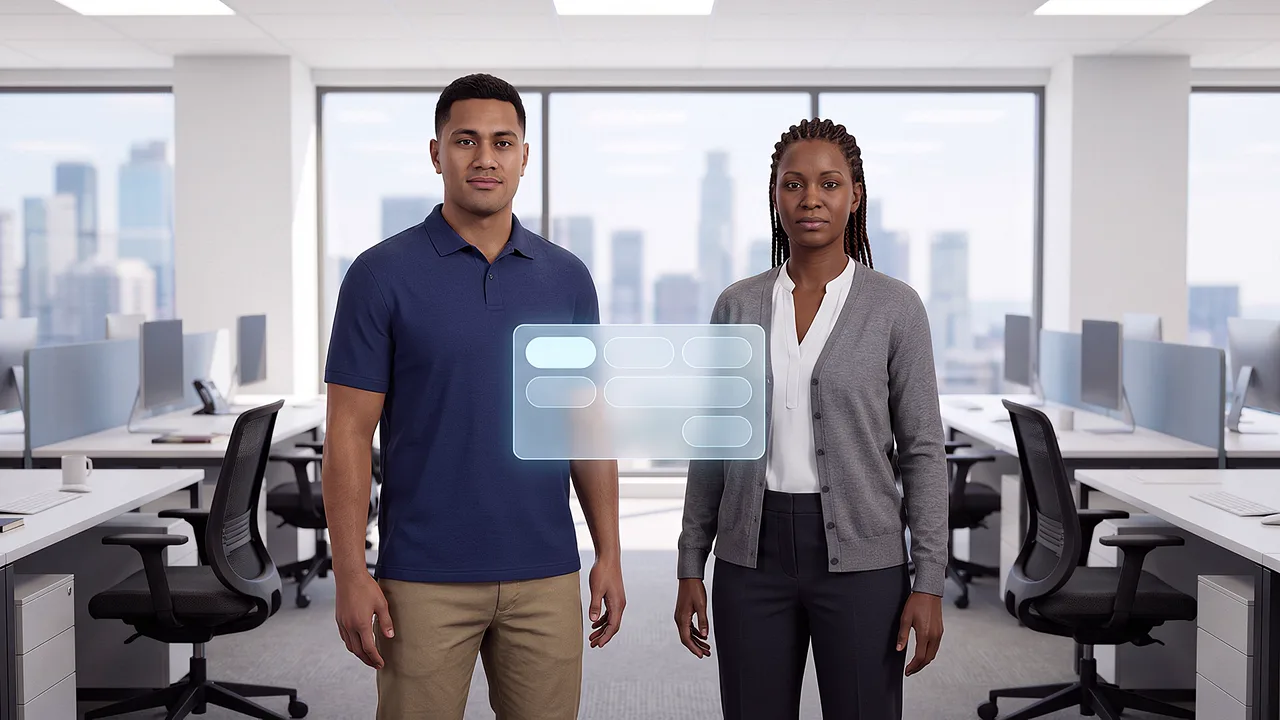
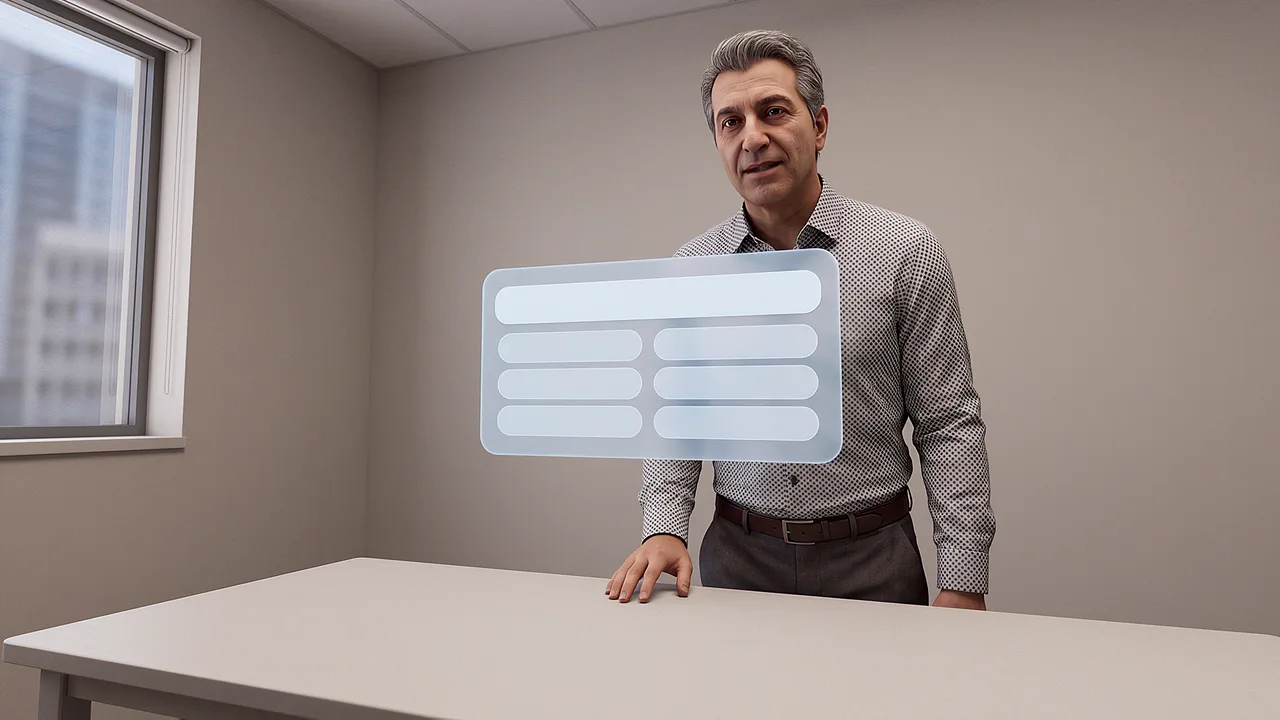
When more than one person is in the room
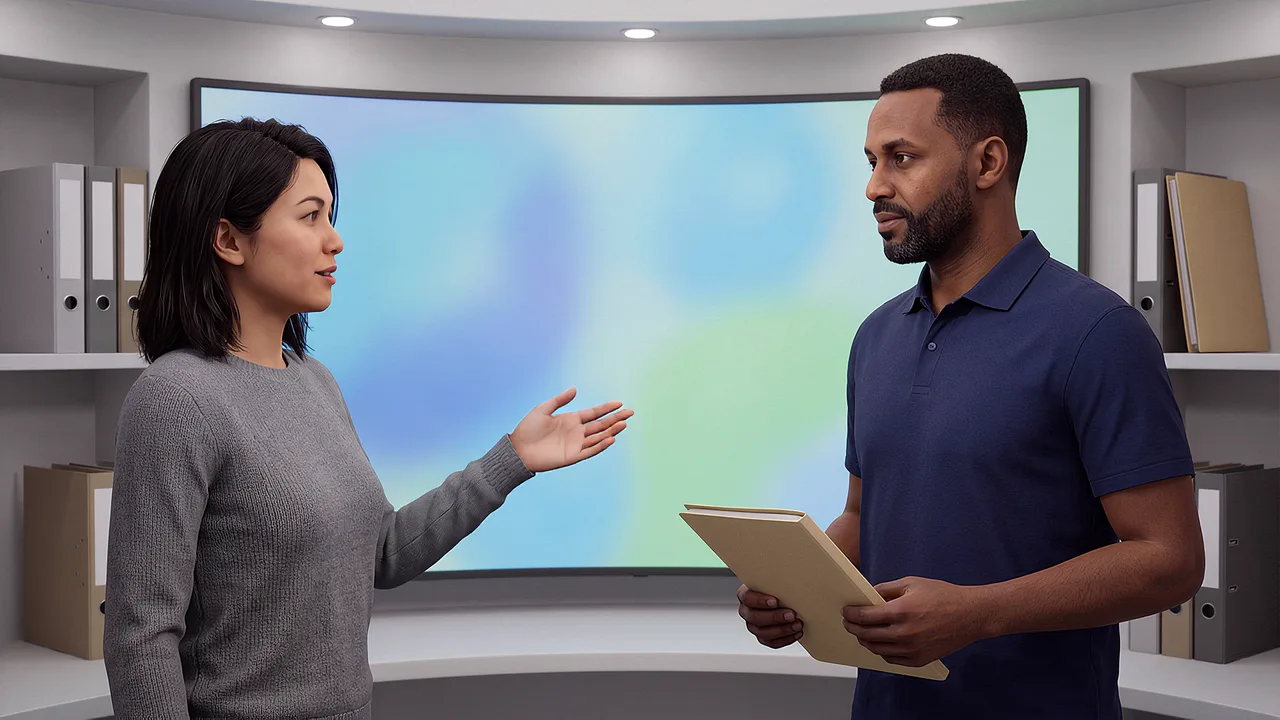
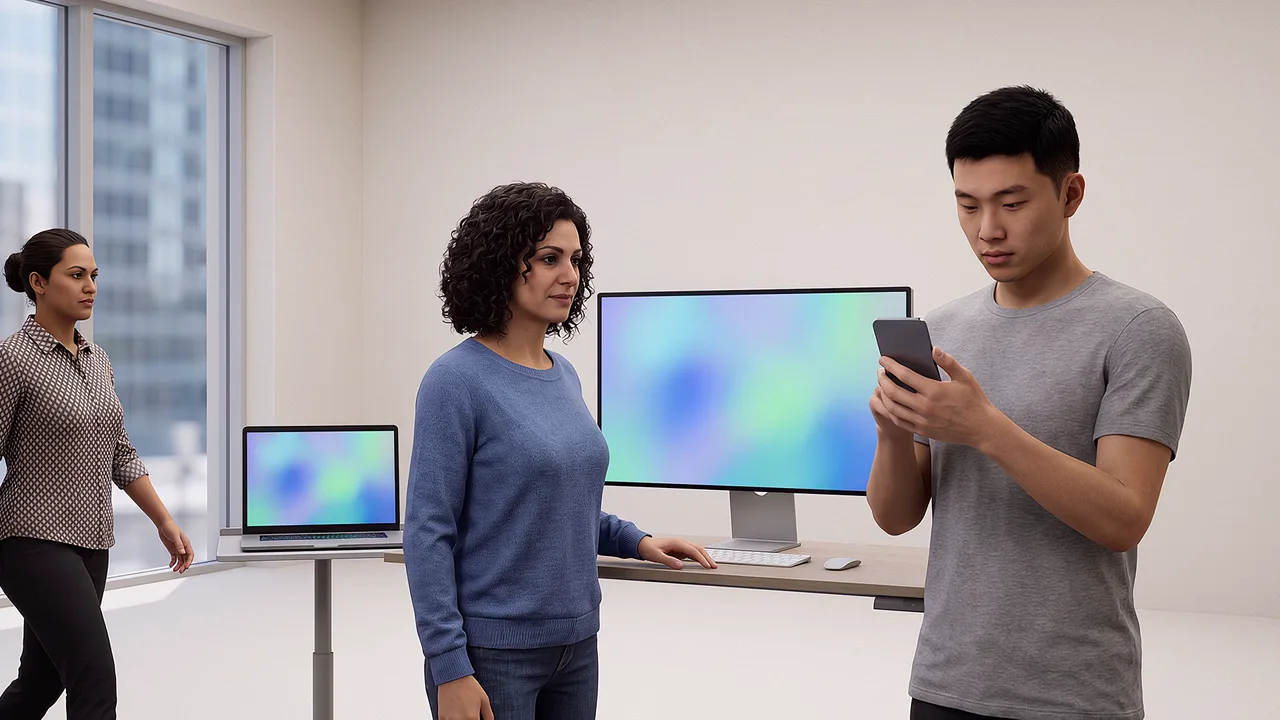
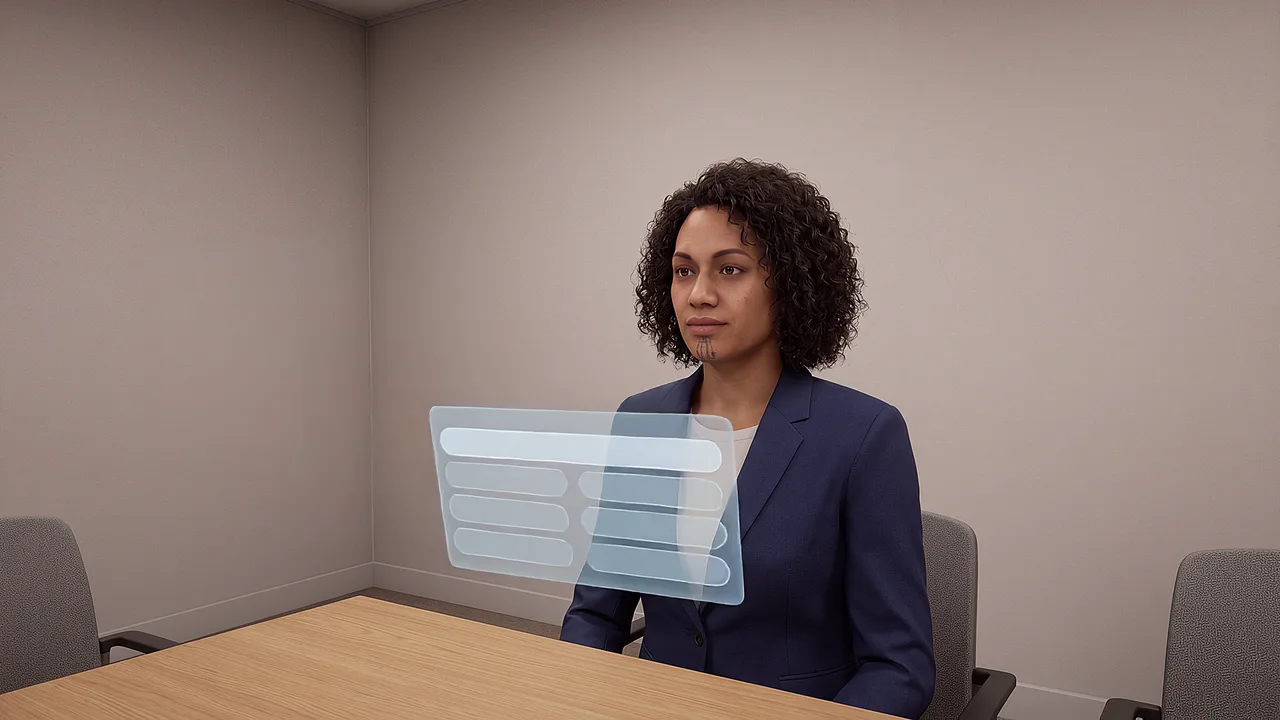
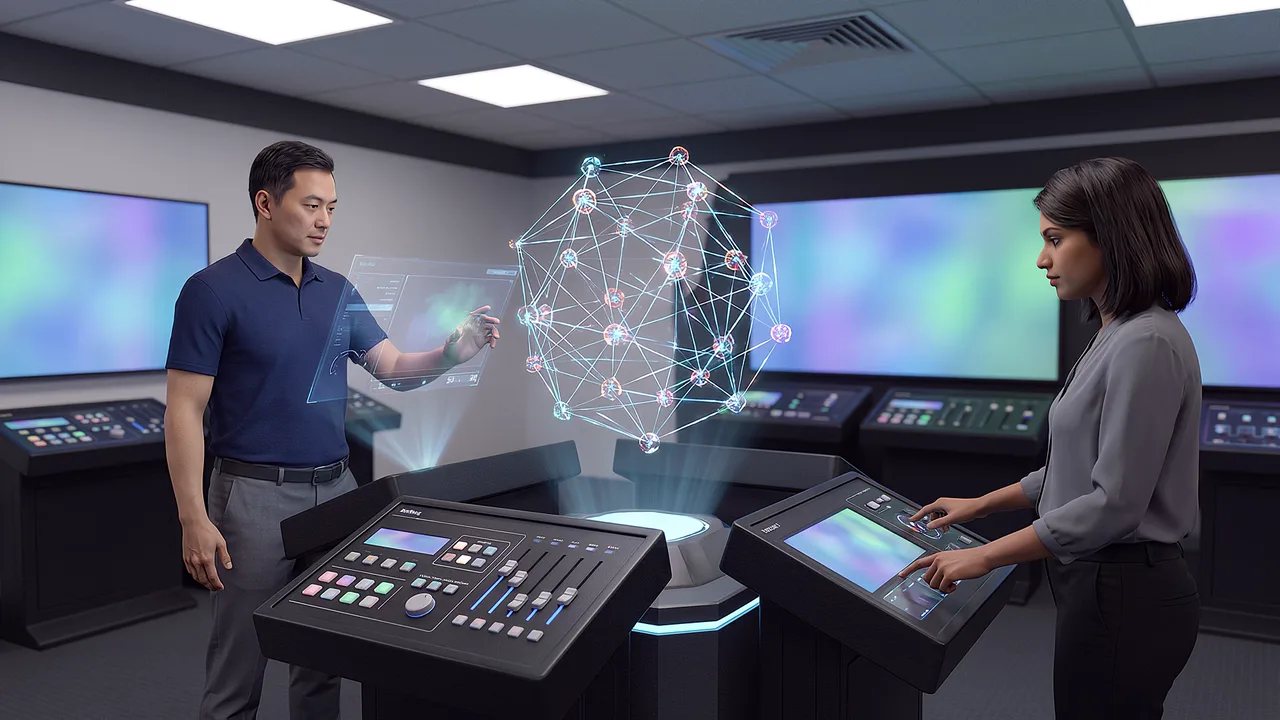
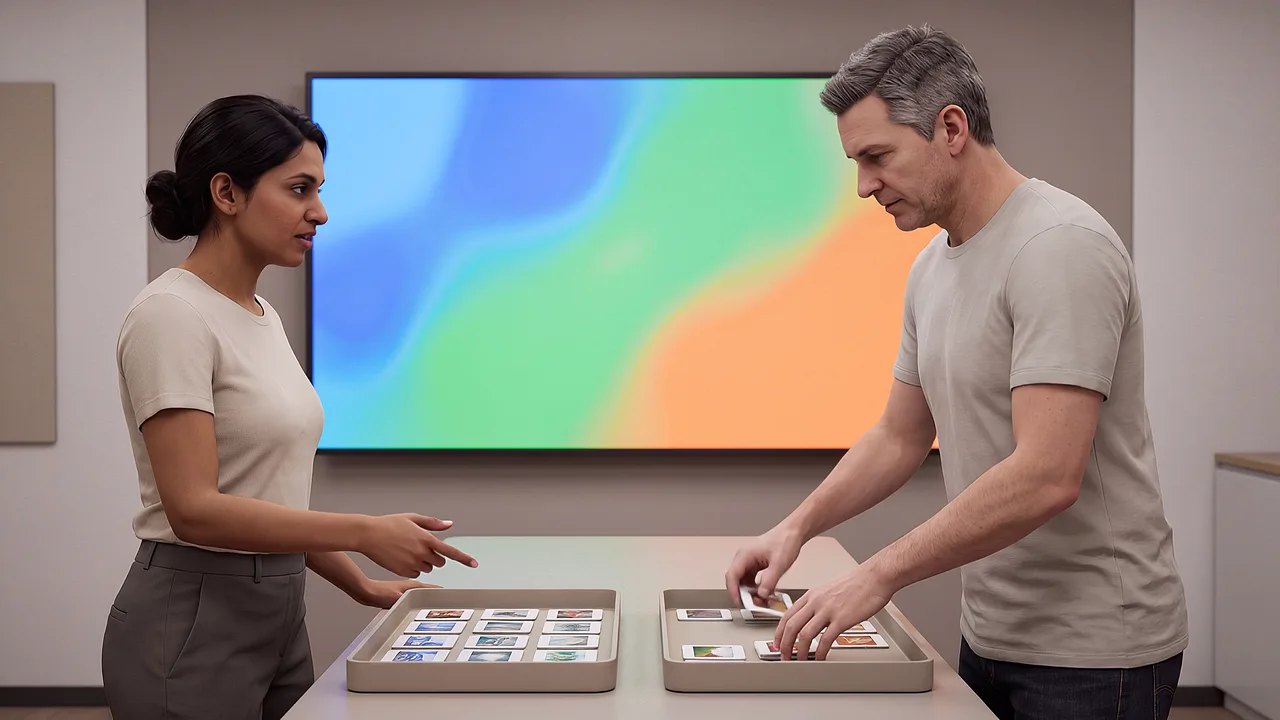
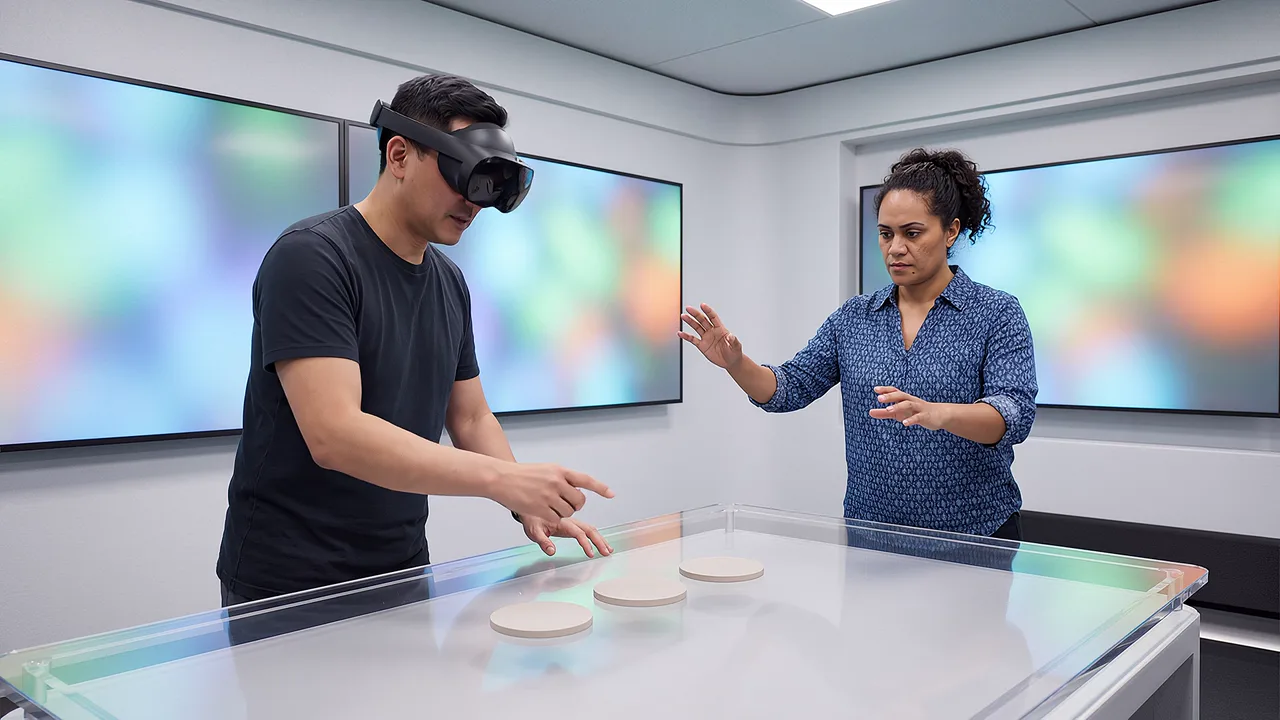
Two colleagues in an open team area, and an adviser at a consultation table. The practice is the same: speak, and they answer.
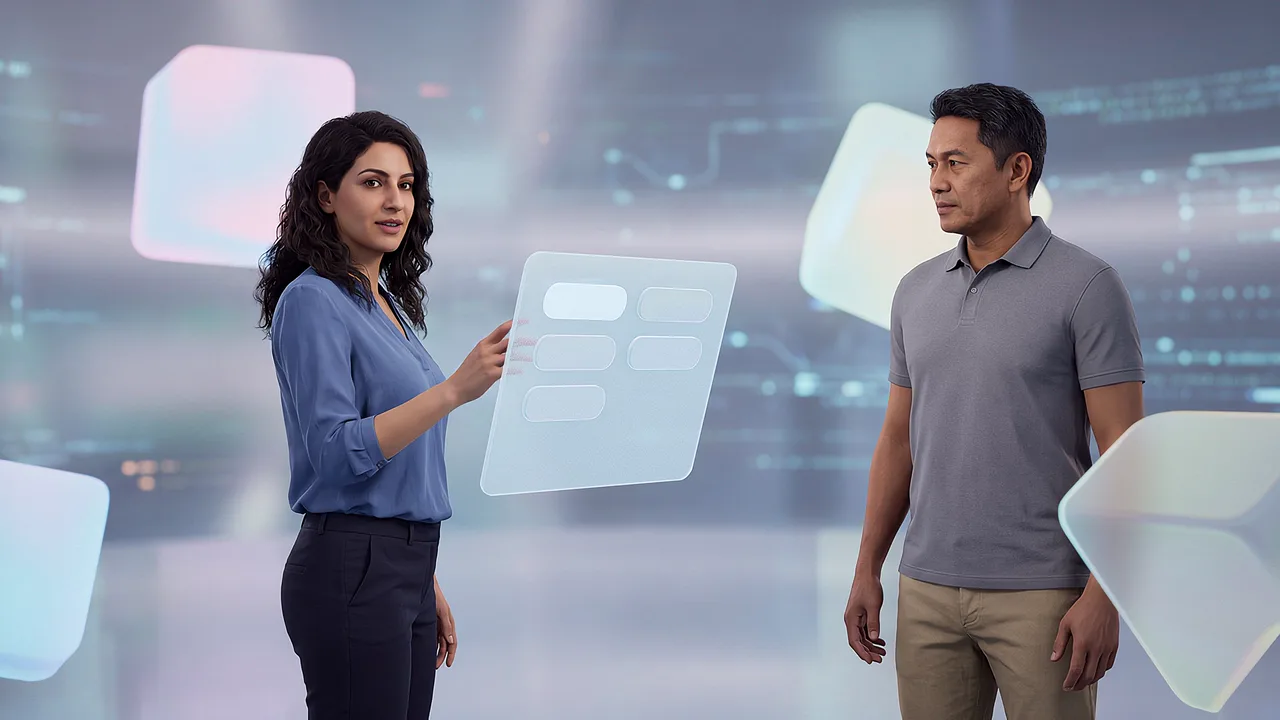
After the conversation, the review
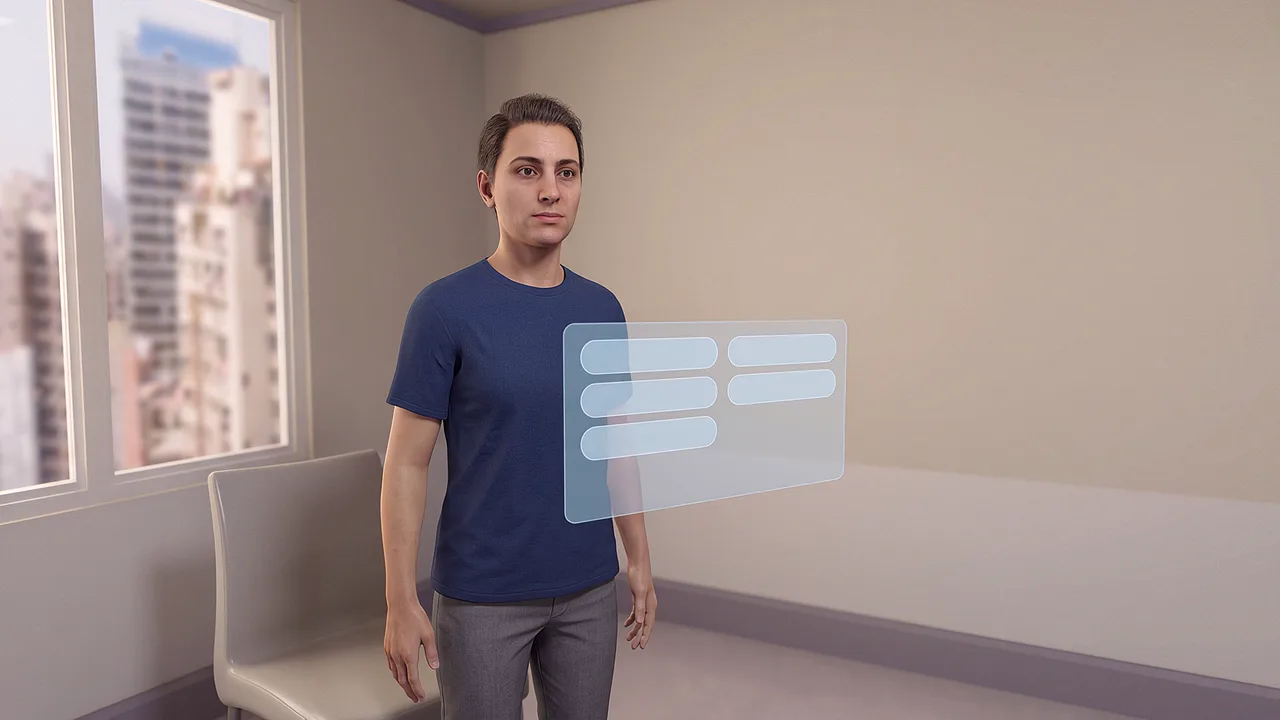
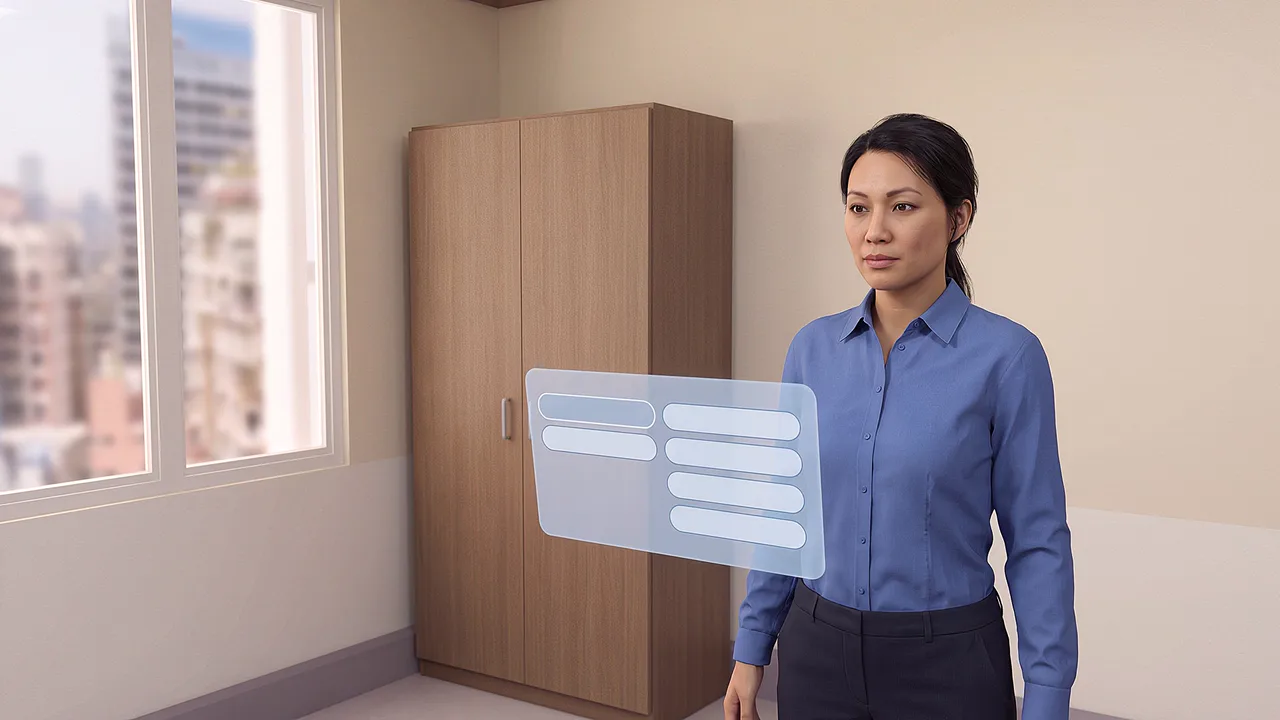
The answer given is held up against the intended one, and a walk-through space shows how the parts of an experience fit together.
Where do the approved answers come from?
Before a twin says a word, someone chose the material it may draw on and the lines it will not cross.
Written with the staff who will face it
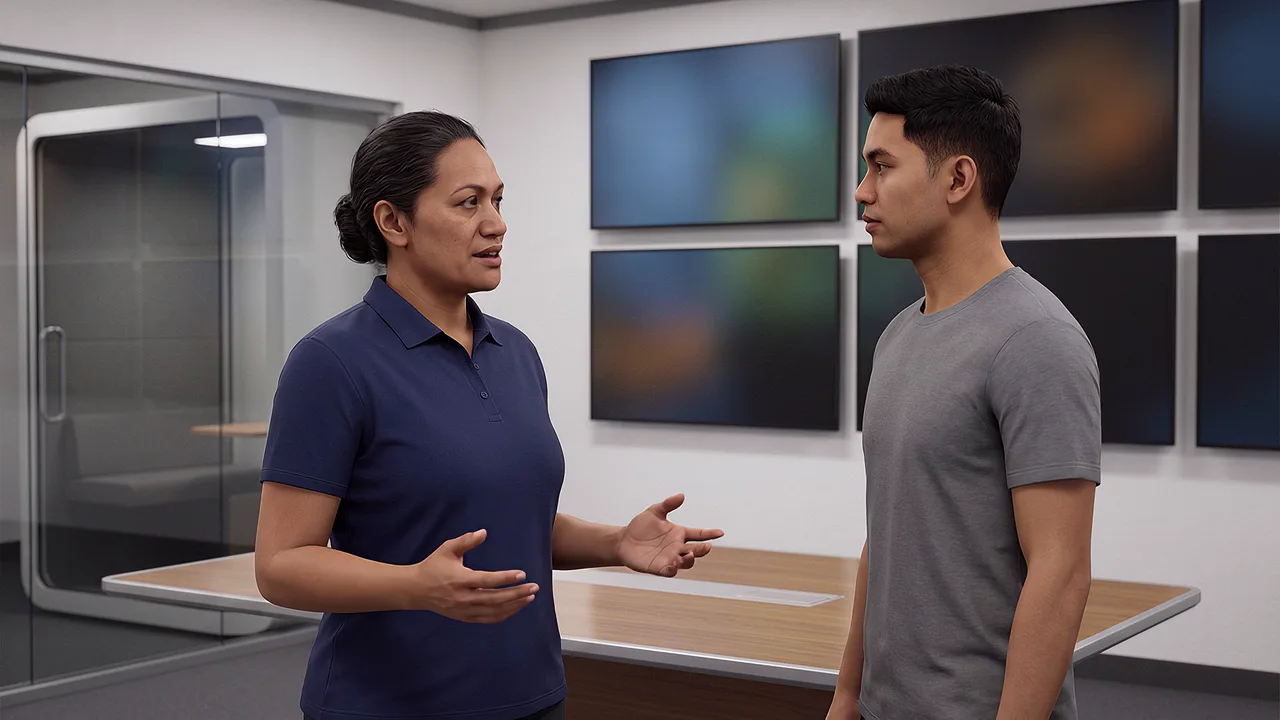
Your frontline staff bring the moments they dread. We turn them into scenarios, they test and critique each one, and it is rebuilt until it sounds like their workplace, before anyone else practises in it.

Decide with these
Which pages help you decide on AI?
Start with how AI works, then the questions a review, a budget or a team will ask.
Learn how it works
Plain explanations of AI, digital twins, AI in XR and AI roleplay.
What is AI? How AI learns patterns, where it fails, and when people must oversee it.
What is a digital twin? The engineering model and the AI that answers: what each term means.
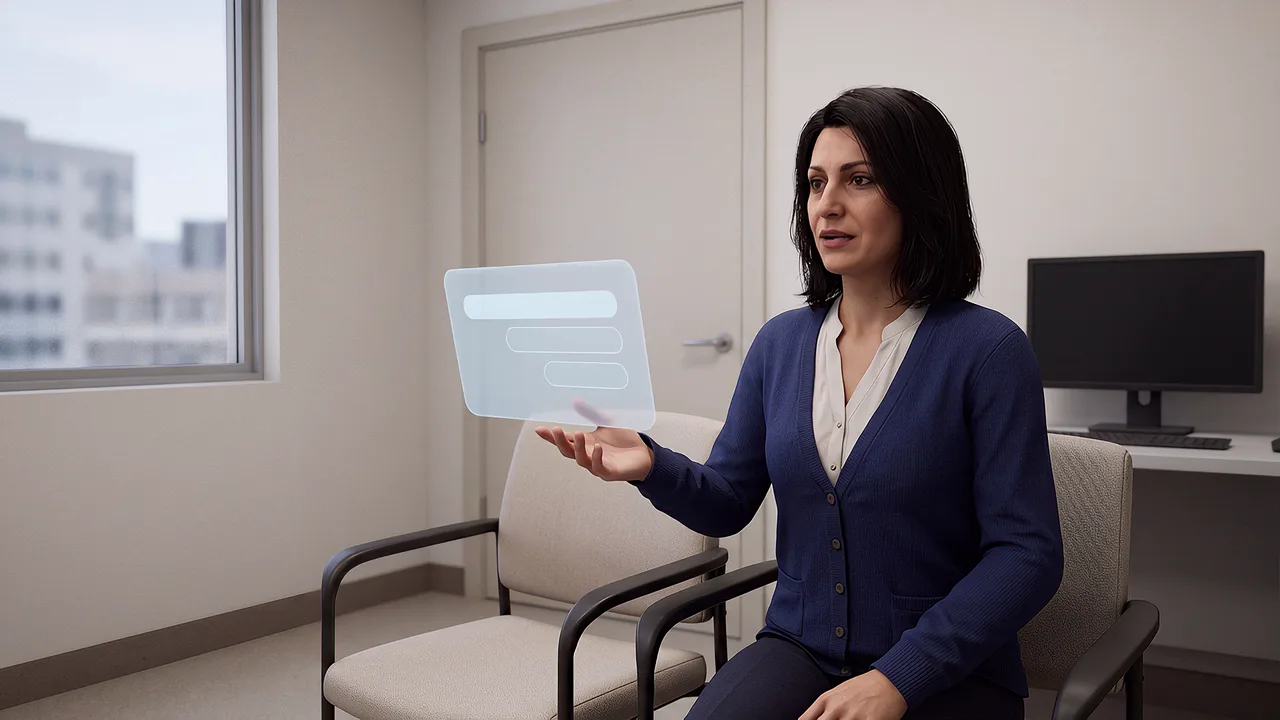
AI and XR. XR builds the place and AI makes it respond.
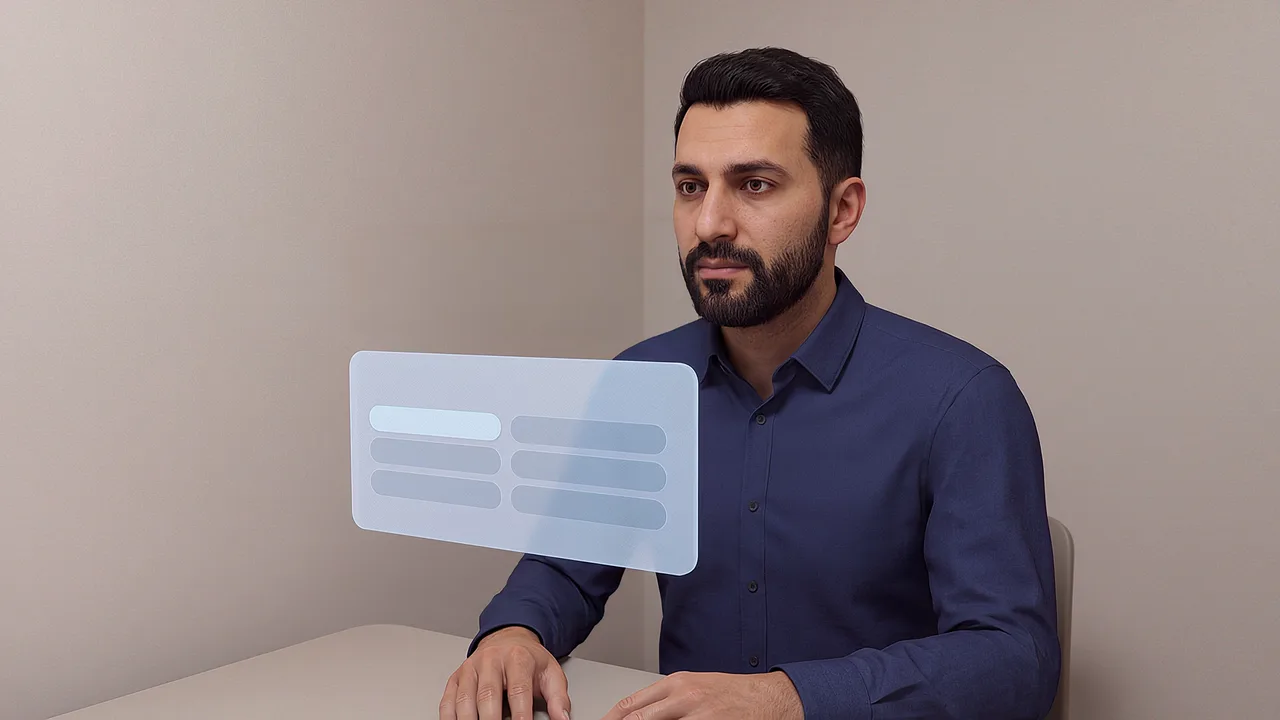
AI for training and roleplay. Repeatable practice for hard conversations, its limits, and where people stay essential.
Decide and check
The product pages, the program page and the answers a governance review needs.
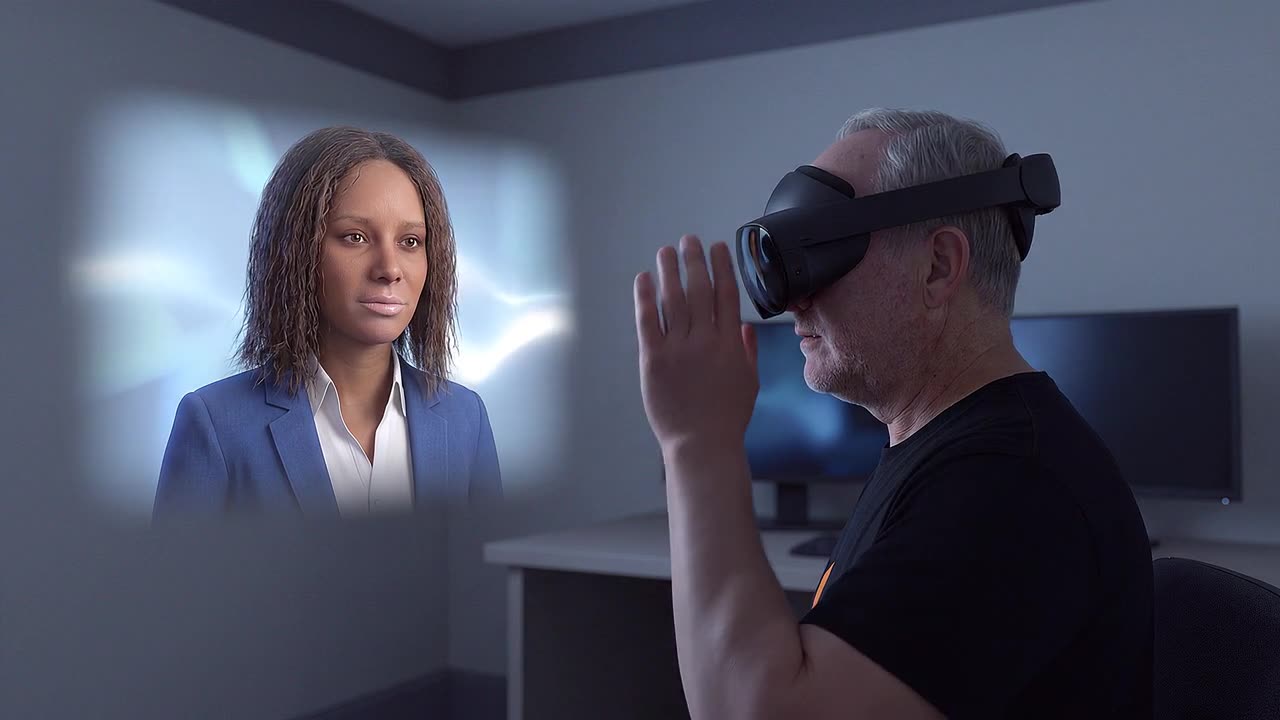
Knowledge twins and expert access. Answers from approved material for associations, universities and scarce experts.
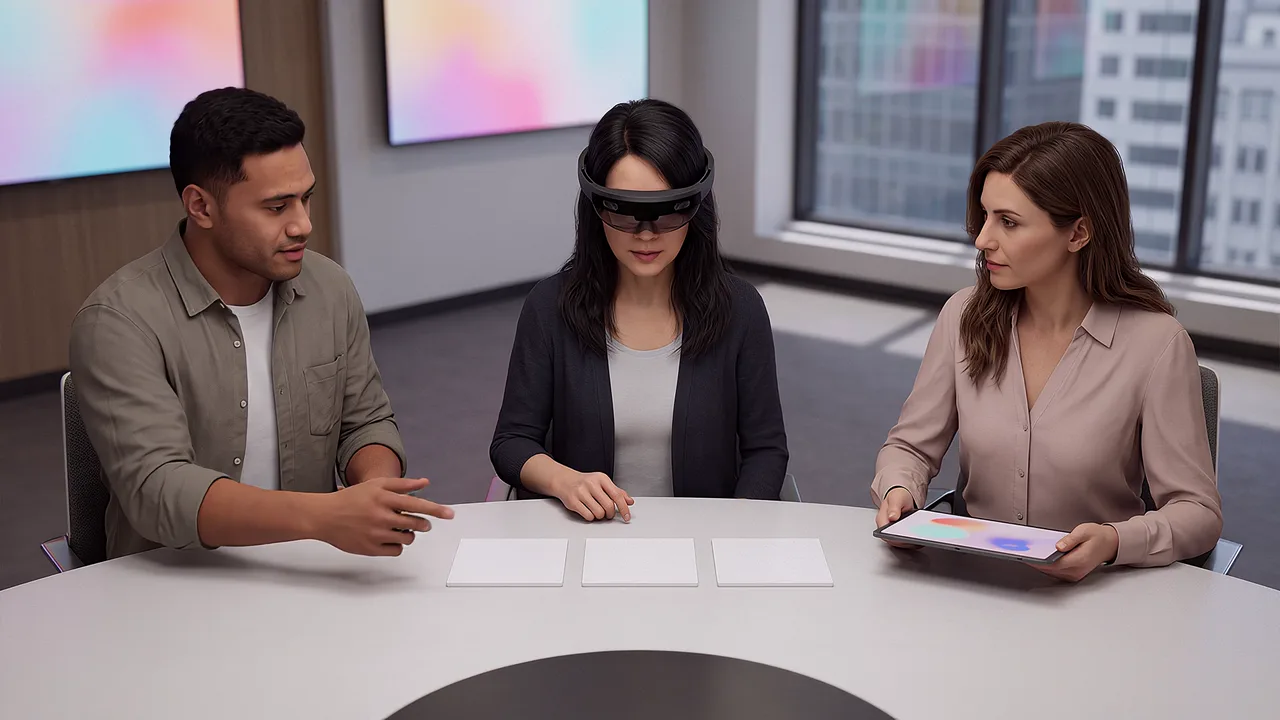
For innovation and digital leads. AI governance frameworks, where data sits, and agreements, from pilot to program.
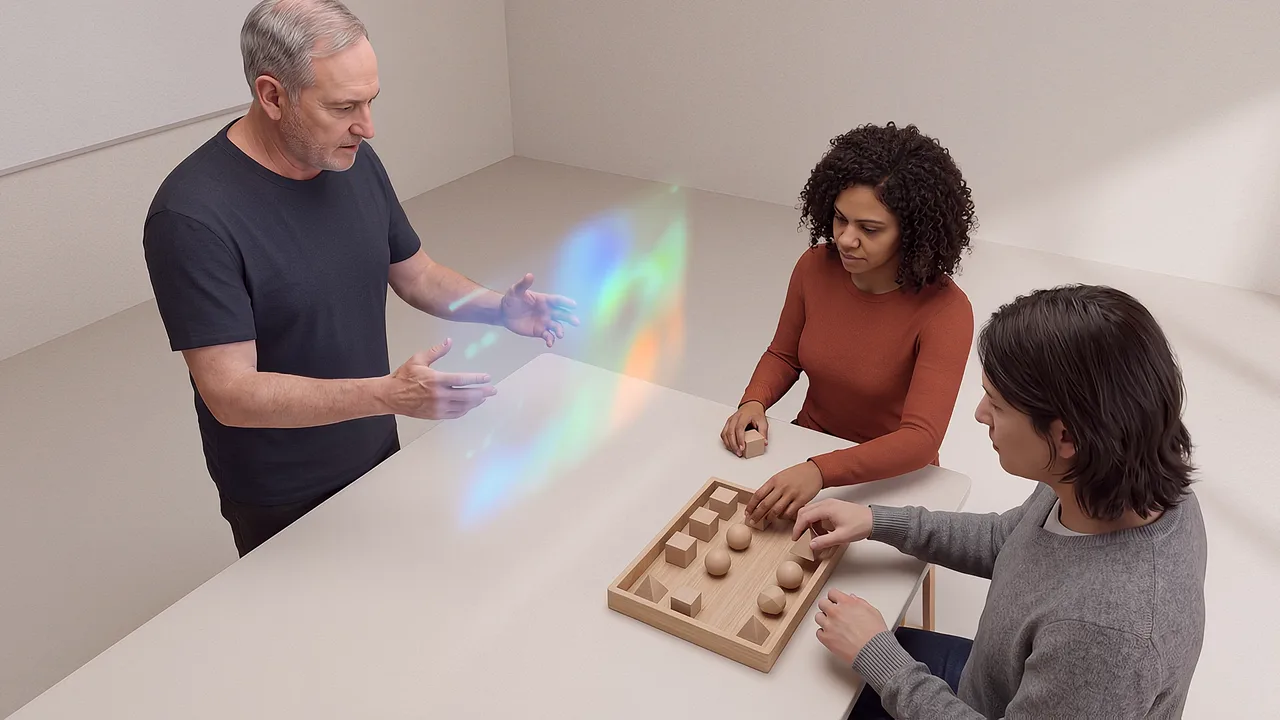
Governance and security. Where data is stored, how access is protected, and the document behind each.
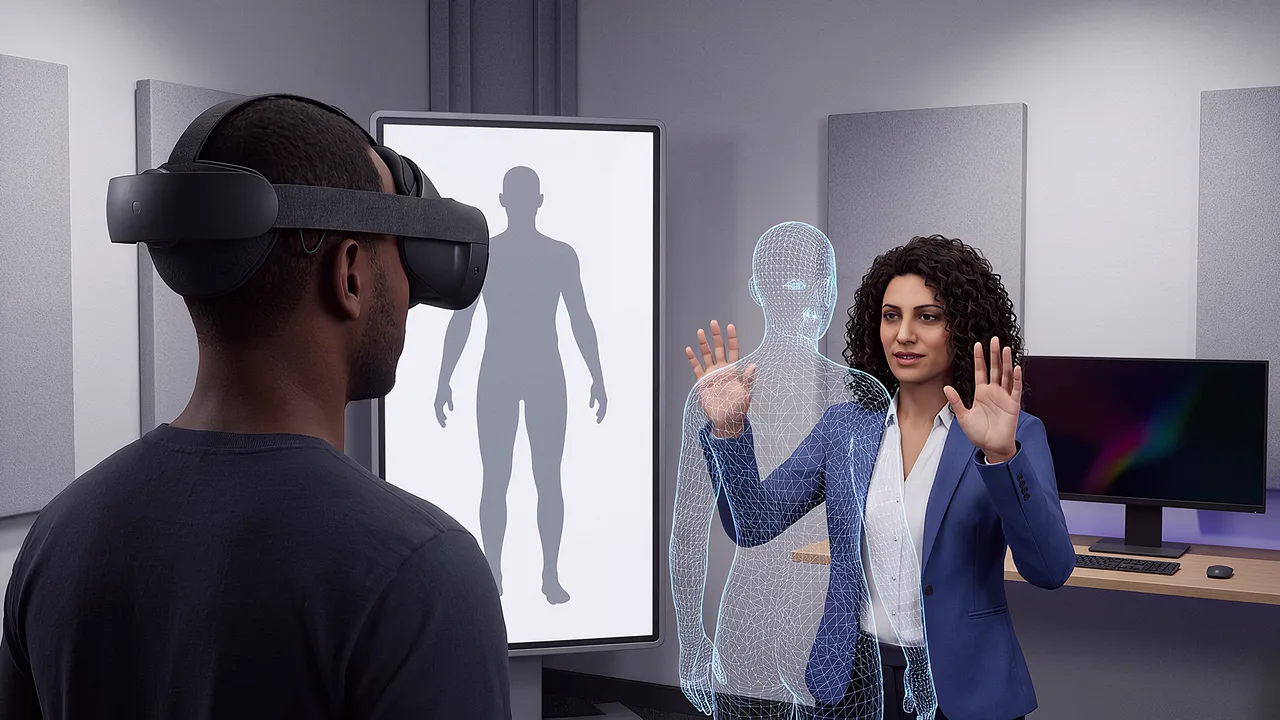
Didymo. Chat, voice, an avatar or a booked meeting, answering from approved material.
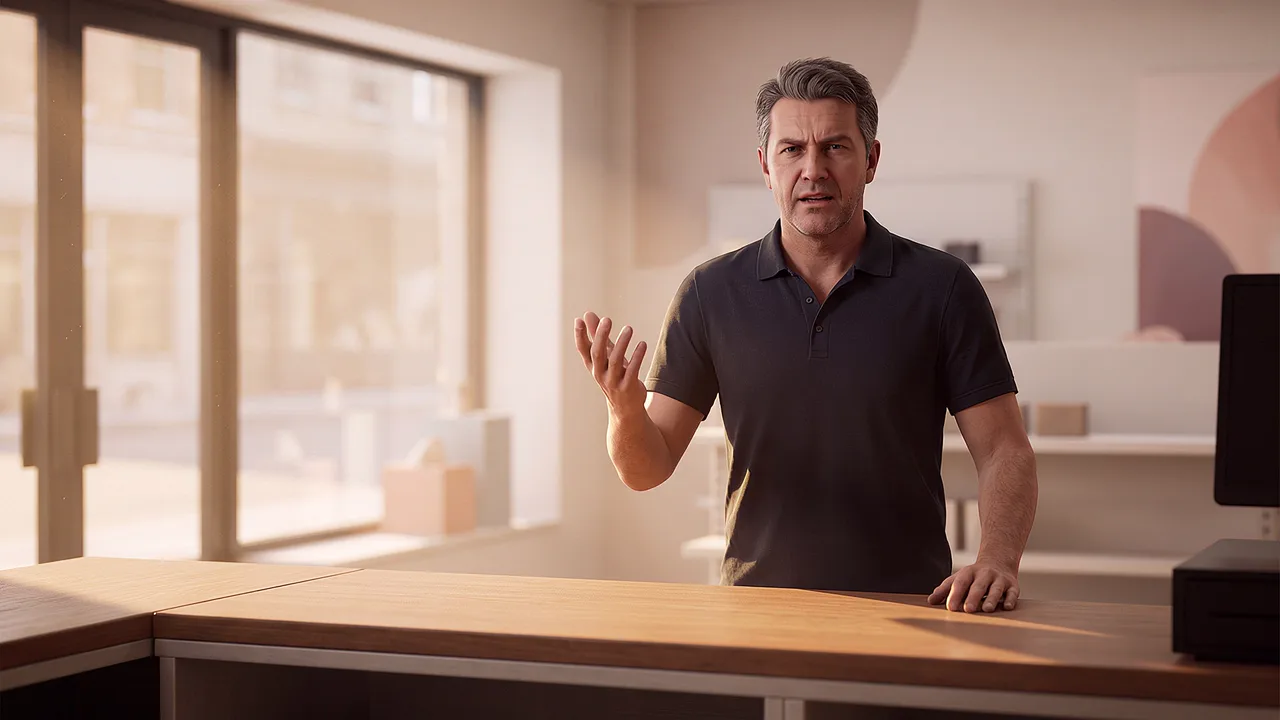
AI roleplay and practice. Rehearse a difficult conversation on a laptop or phone, then run it again.
Questions buyers ask
What do buyers ask before an AI build?
Short answers, each with a link to the full answer.
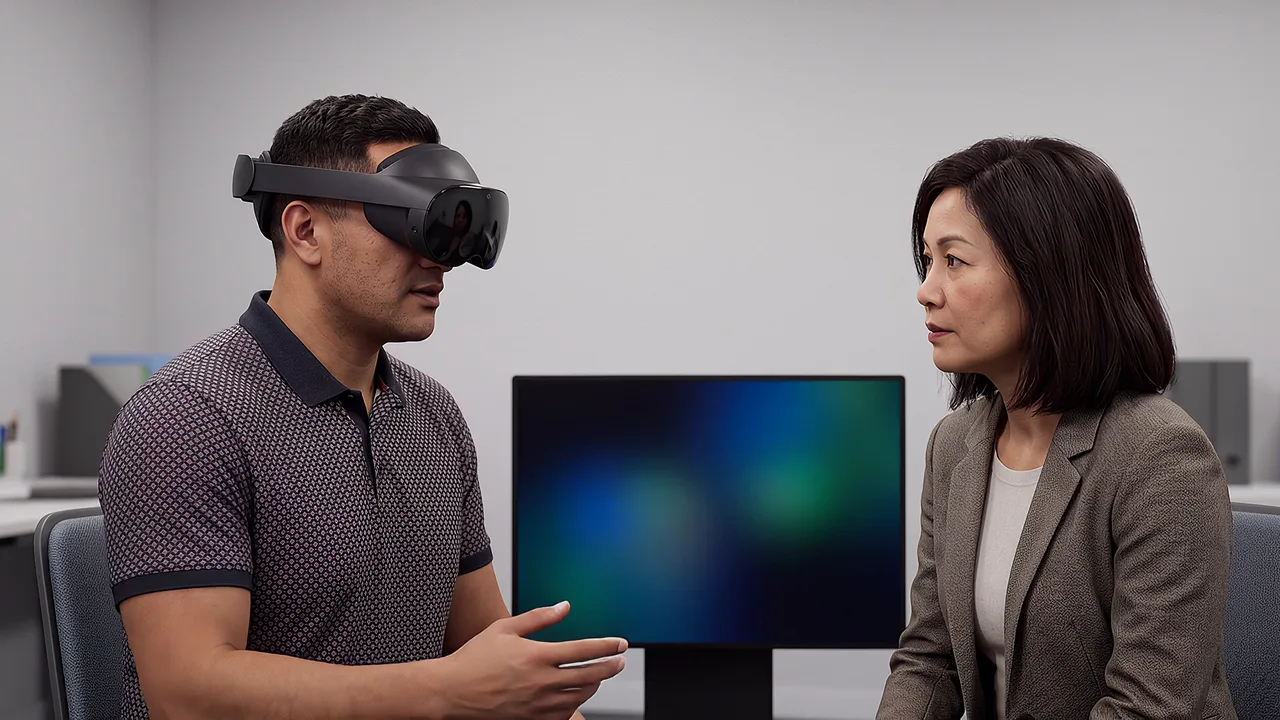
What does an AI roleplay partner do?
It plays the other side of a hard conversation. A session runs as a briefing on the scenario and the objective, a live conversation in which the learner speaks or types and the AI answers, a structured review against set criteria, and the same scenario again. It can be replayed privately as many times as it takes. AI roleplay and practice walks through the format.
What does a knowledge twin answer from?
From the organisation’s own approved material, not general knowledge picked up from the open internet. The professional decides what goes in and what stays out, reviews what the twin has said, corrects an answer when it needs correcting, and keeps the approved-source list as the boundary. Didymo shows how it works.
How do people reach a twin?
Through chat, a voice call, a live avatar on screen or a booked meeting, each on the phone or browser a visitor already has. Booking ends with a Google Meet in the diary of the person the twin represents, and the context of the conversation travels with it. Didymo walks through each way in.
What will our AI governance review ask?
A governance committee, a privacy officer and an IT reviewer each ask a different question. Storage, compute and hosting run in an Australian region by default, or where a client chooses, and a subprocessors register lists each provider by category and location. For innovation and digital leads maps Australia’s AI Ethics Principles and the NIST AI RMF to the documents behind each answer.
When does a conversation move to a person?
When a question needs a person, the conversation moves to them with the context already in place, so it starts where the visitor left it. The twin is built to extend a professional’s reach, and the owner can read the whole exchange and correct an answer. Knowledge twins and expert access covers the handover.
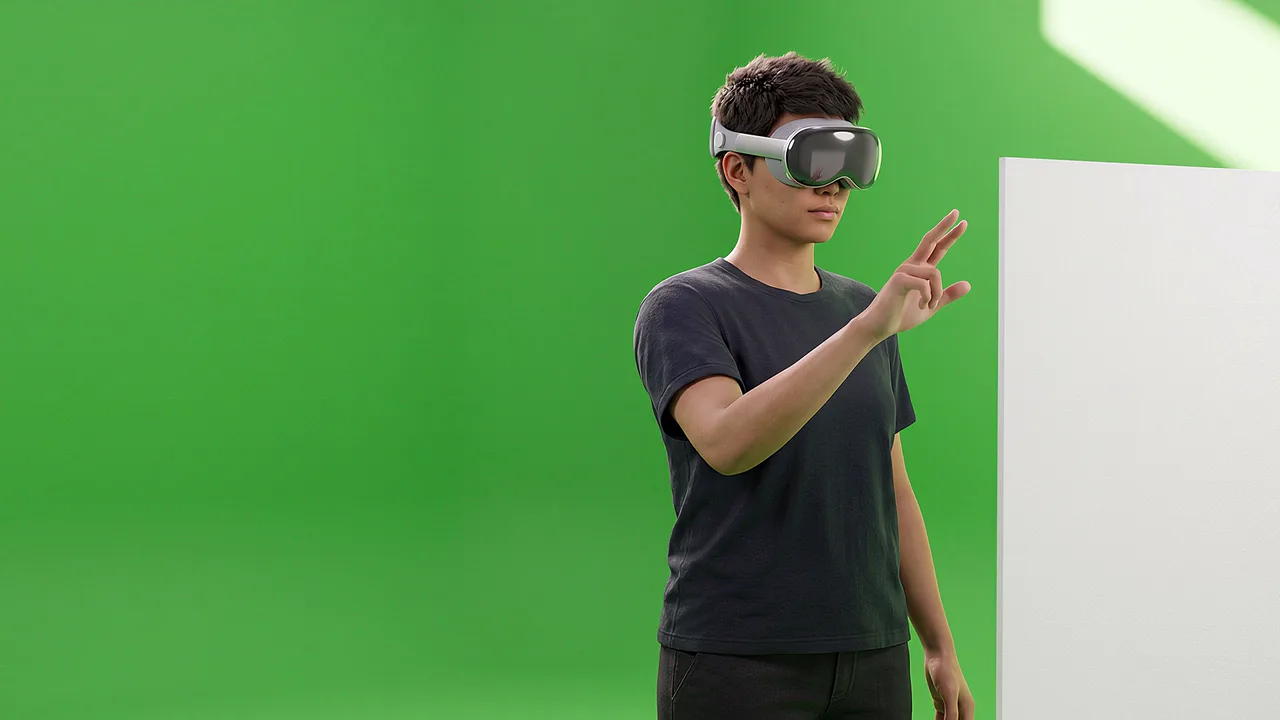
Should practice be AI roleplay or a VR scenario?
AI roleplay puts the counterpart on a laptop or phone, which suits staff spread across sites and shifts. A VR scenario places the learner in a convincing setting, with a sense of presence a flat screen cannot match, and AI can make the character in it respond. Each follows the same briefing, review and repeat pattern. AI and XR covers the pairing.
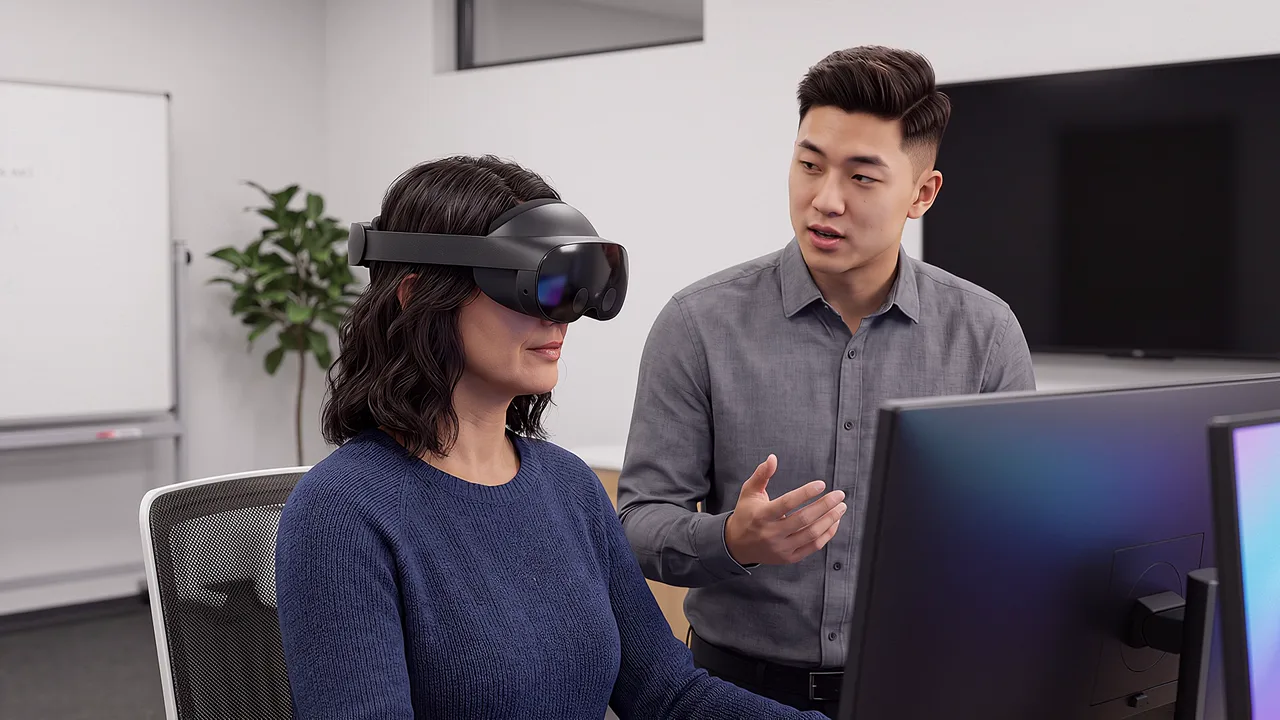
Where does a human facilitator still lead?
Conversational AI reads language, structure and pacing. It cannot read body language or cultural nuance the way a human facilitator can, so mentorship and peer discussion still do that work. PTR grounds each roleplay in the organisation’s own policy and practice, with human oversight and a clear path back to a person. AI for training and roleplay covers where each fits.
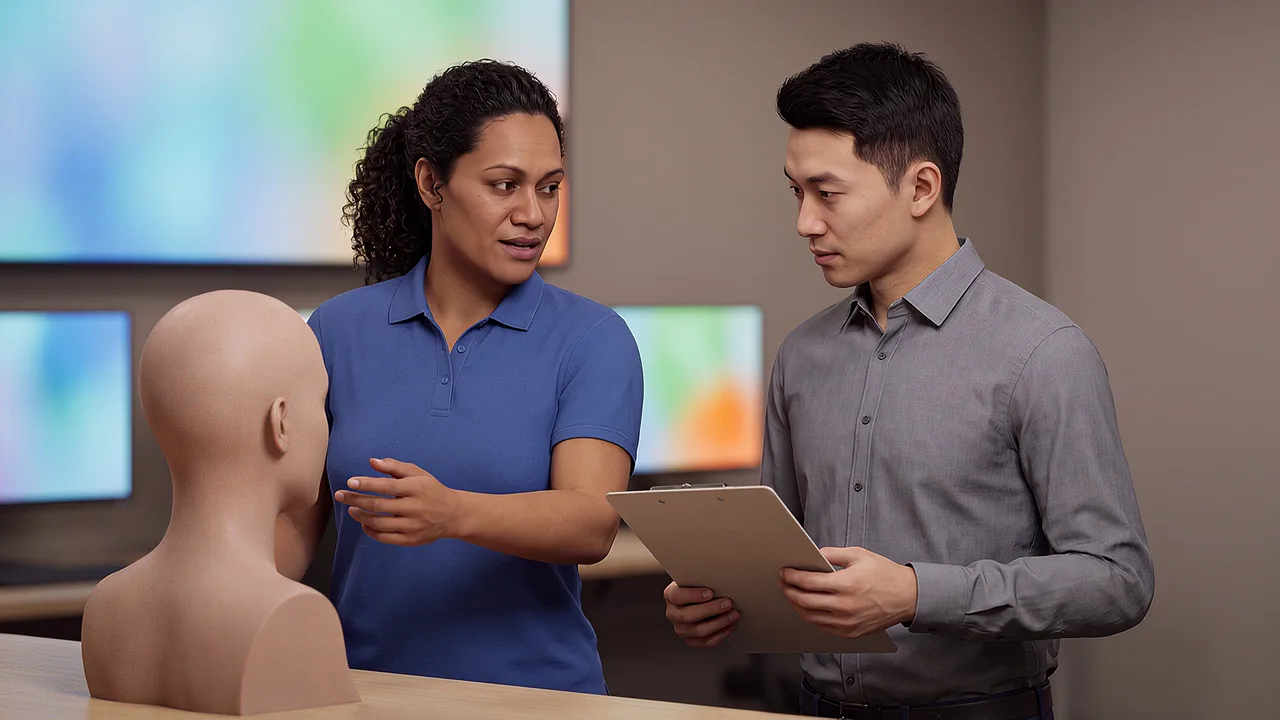
What consent does a twin of a real person need?
Consent, copyright and ethical governance of a real person’s likeness or voice are settled before the build. A digital twin then operates with consent, and with ongoing oversight of what it says on the person’s behalf. Governance and security lists what travels during a live twin call and how long information is kept.
Bring us the AI problem this team is trying to solve.
WHERE NEXT
Where to go next in AI
Each page goes deeper on one way PTR builds AI: the twin that answers for a professional, the practice partner for hard conversations, and the experience built around one organisation.