XR
Immersive XR for the moments that matter.
We give people a realistic situation, real consequences and no real risk. Then we let them run it again.
VR / AR / MR
VR, AR or MR: which fits the work?
Same headset technology, different relationships to the room you are standing in.
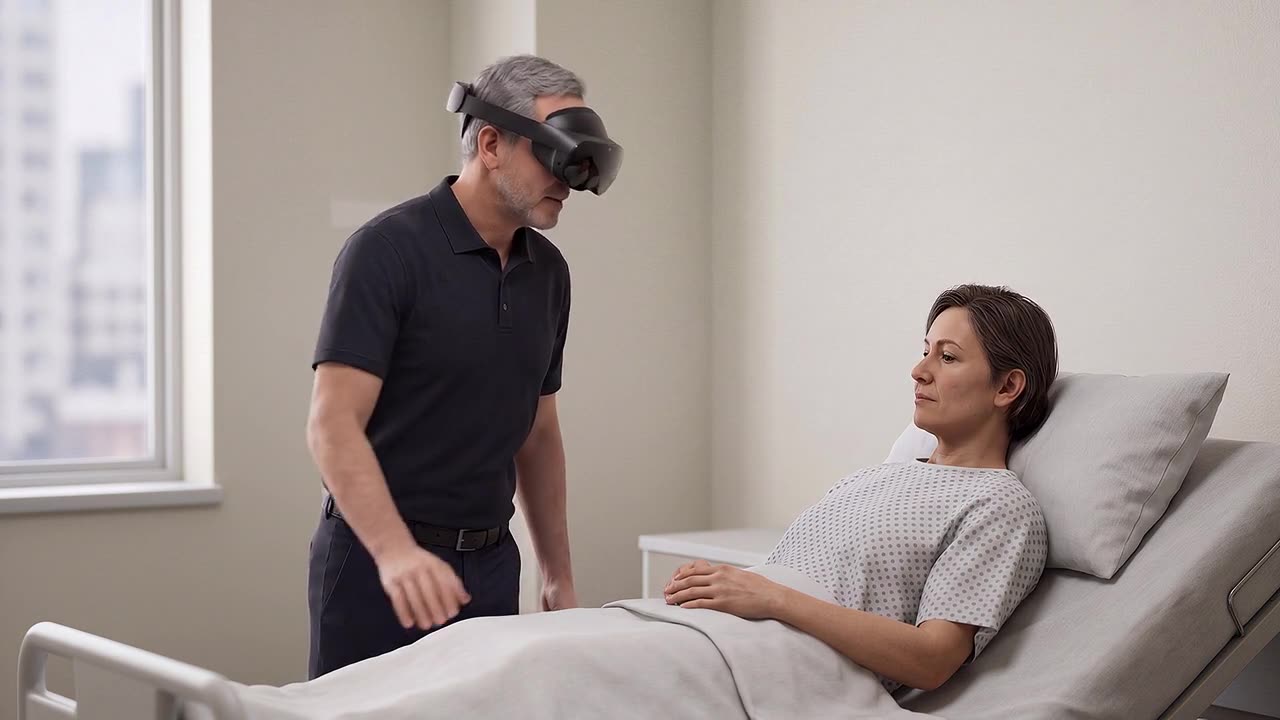
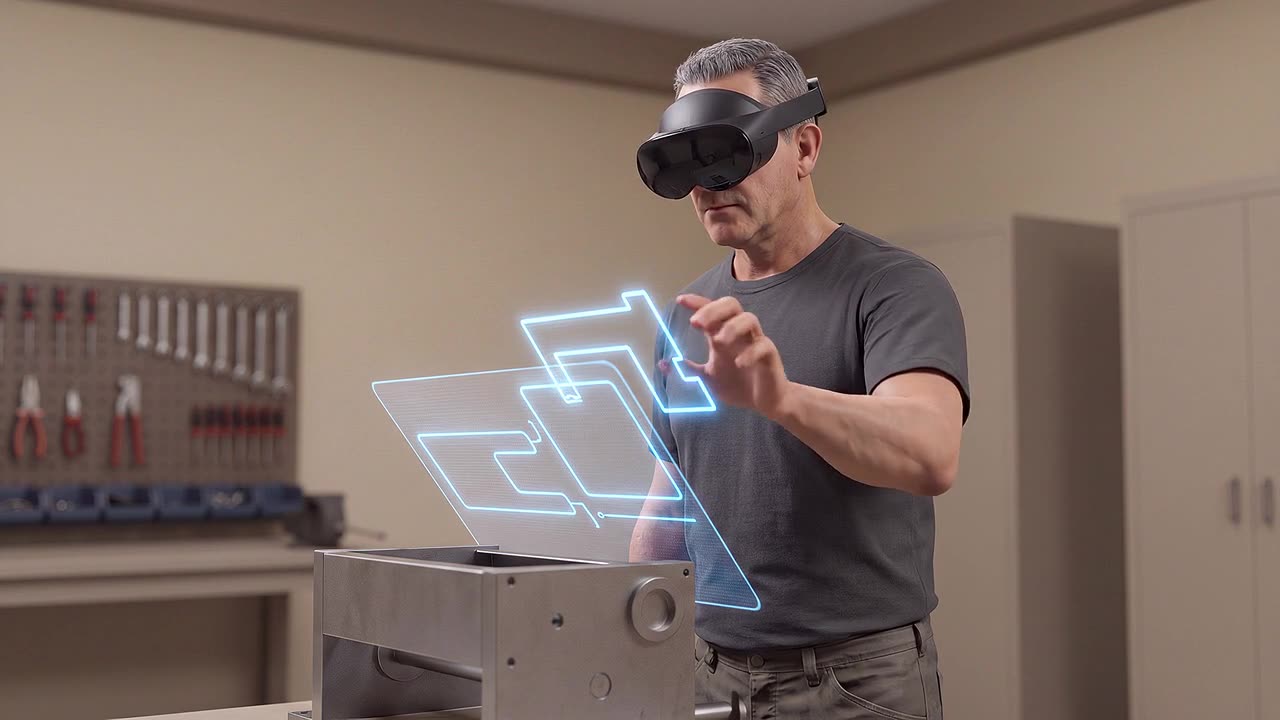
DEVICES
Start with the devices you already have
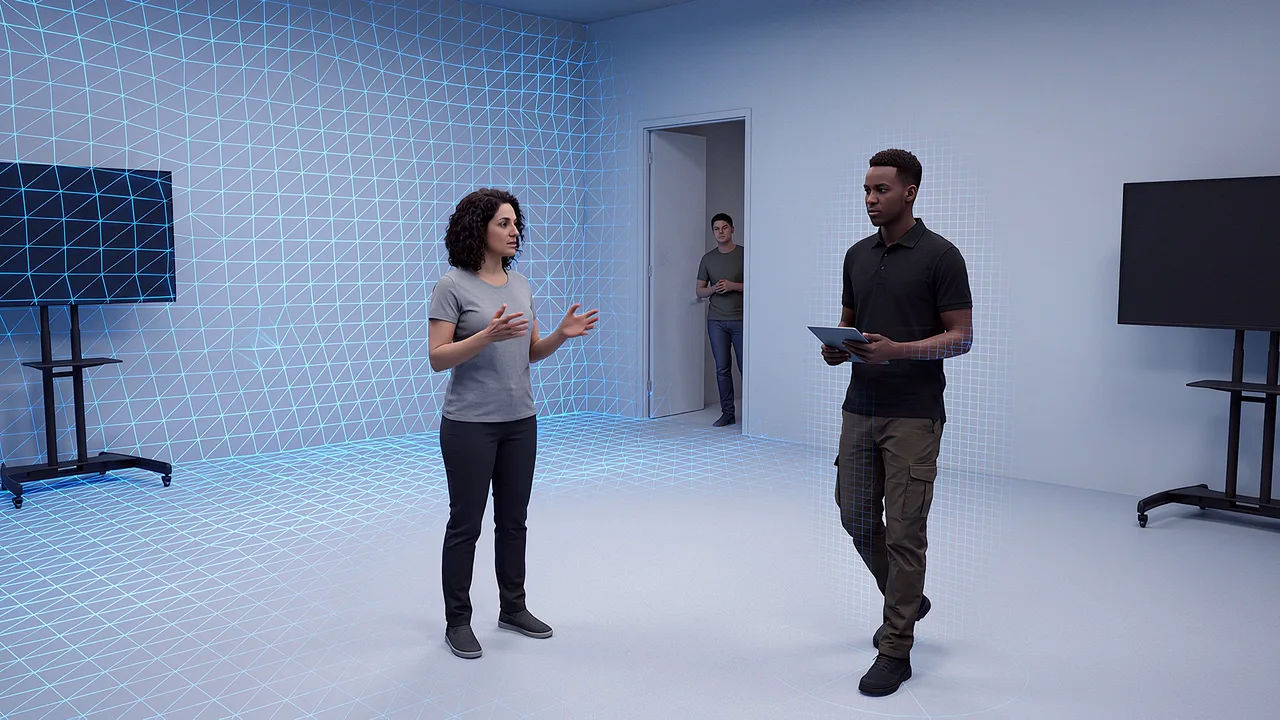
Most programs begin on hardware an organisation already owns. A scenario that replaces the room runs on a VR headset; one set in your real workplace runs on a headset that sees the room; and augmented reality starts on the phones staff already carry. Every headset and device PTR builds for has its own page.
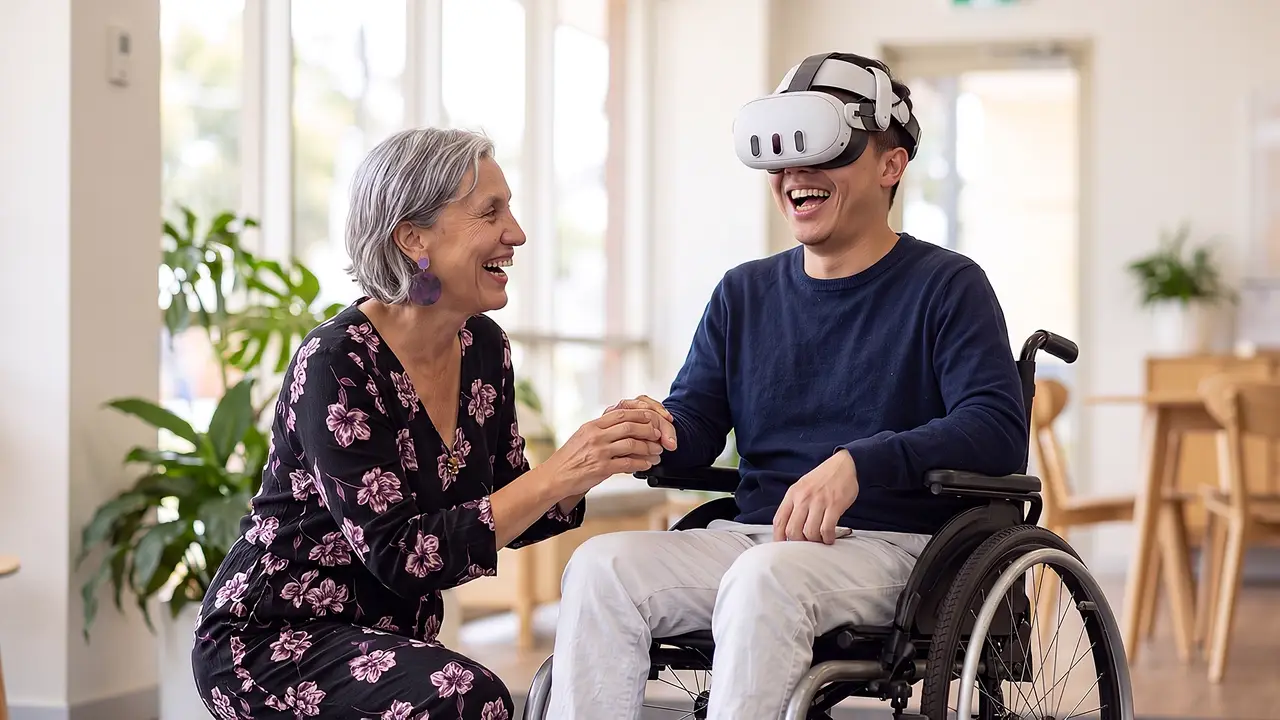
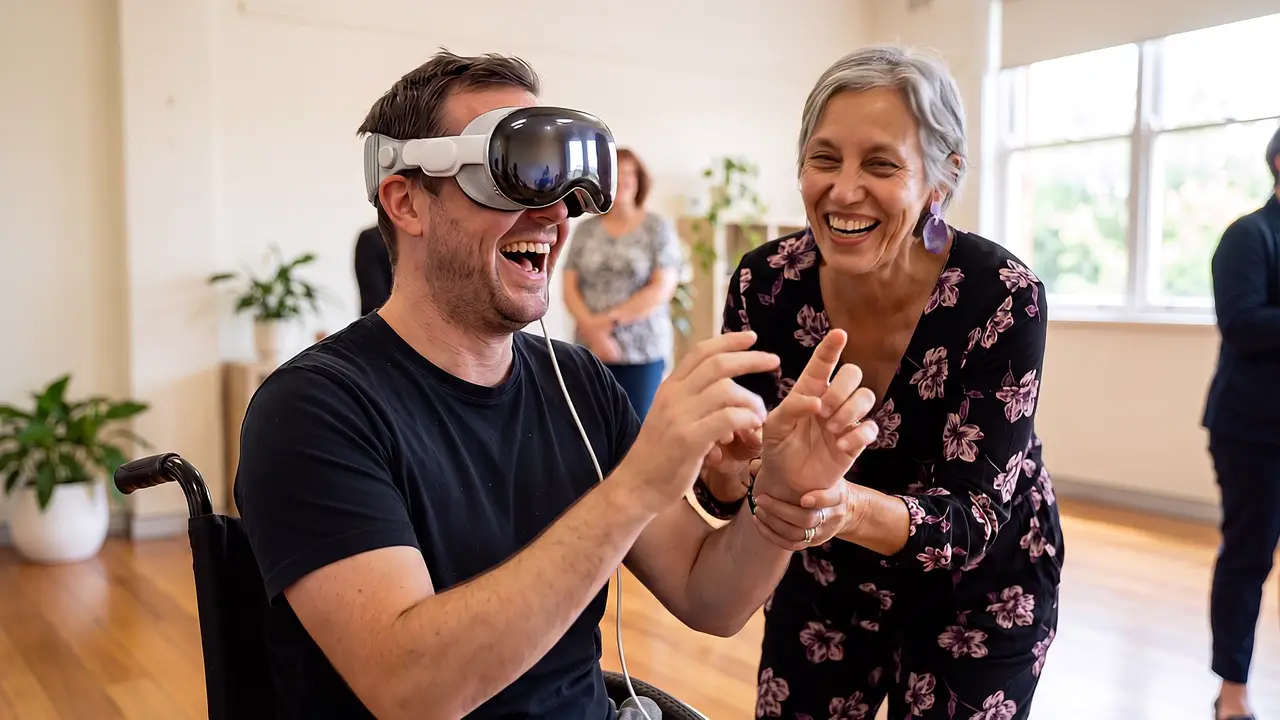
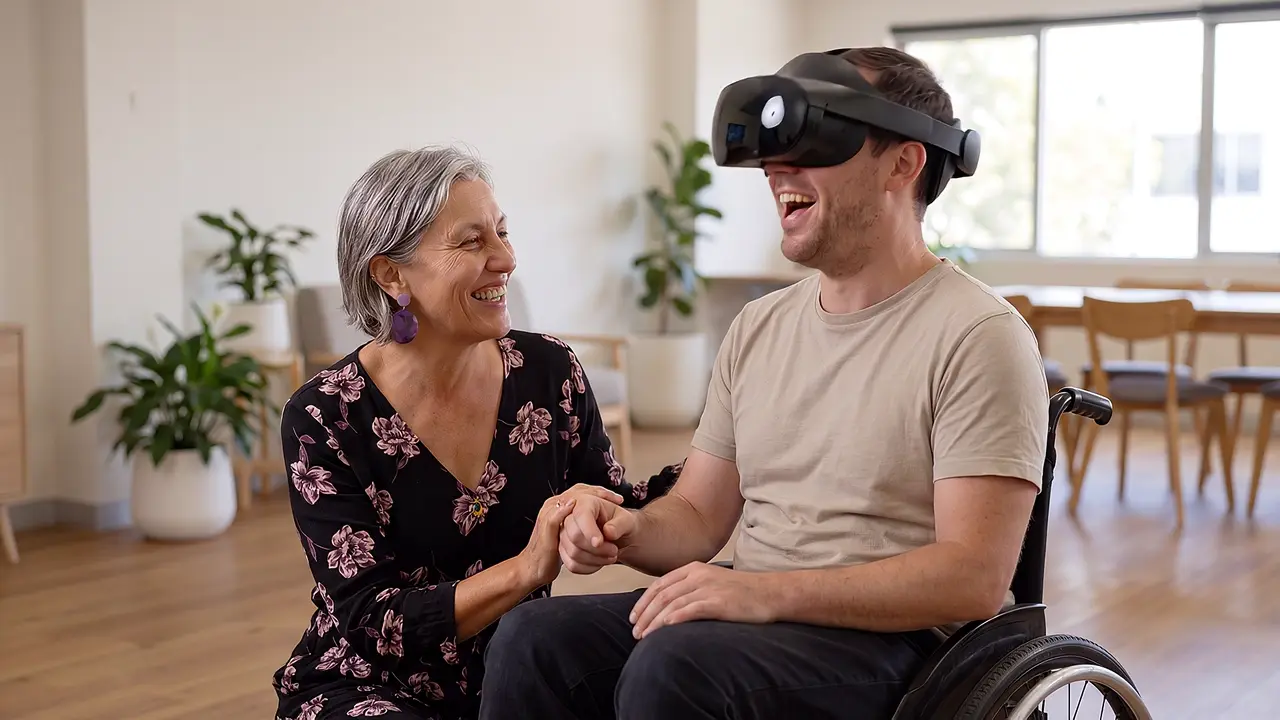
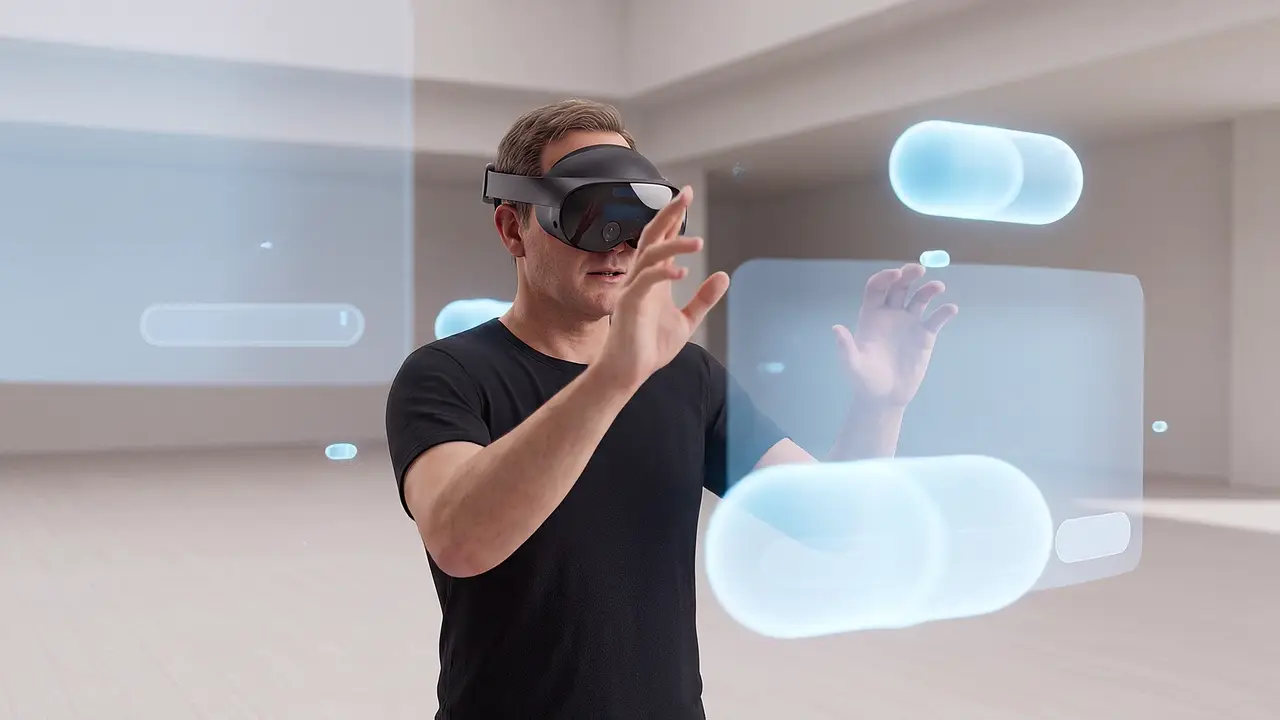
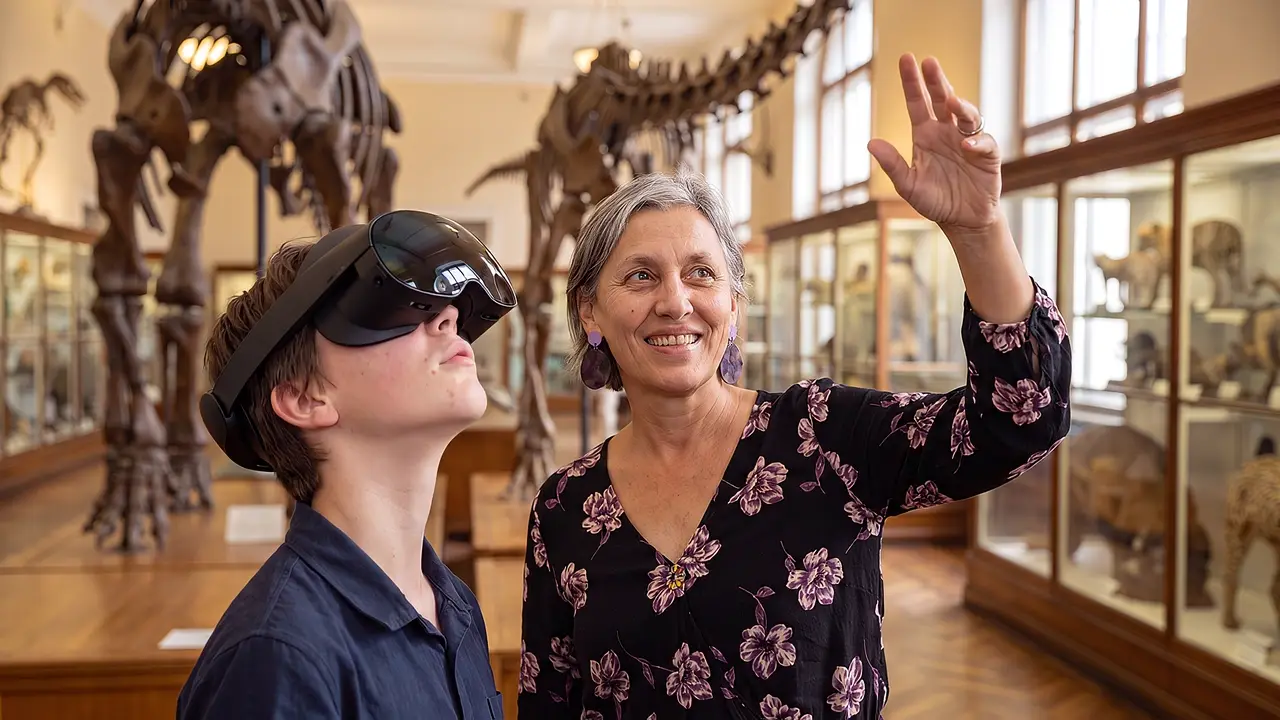
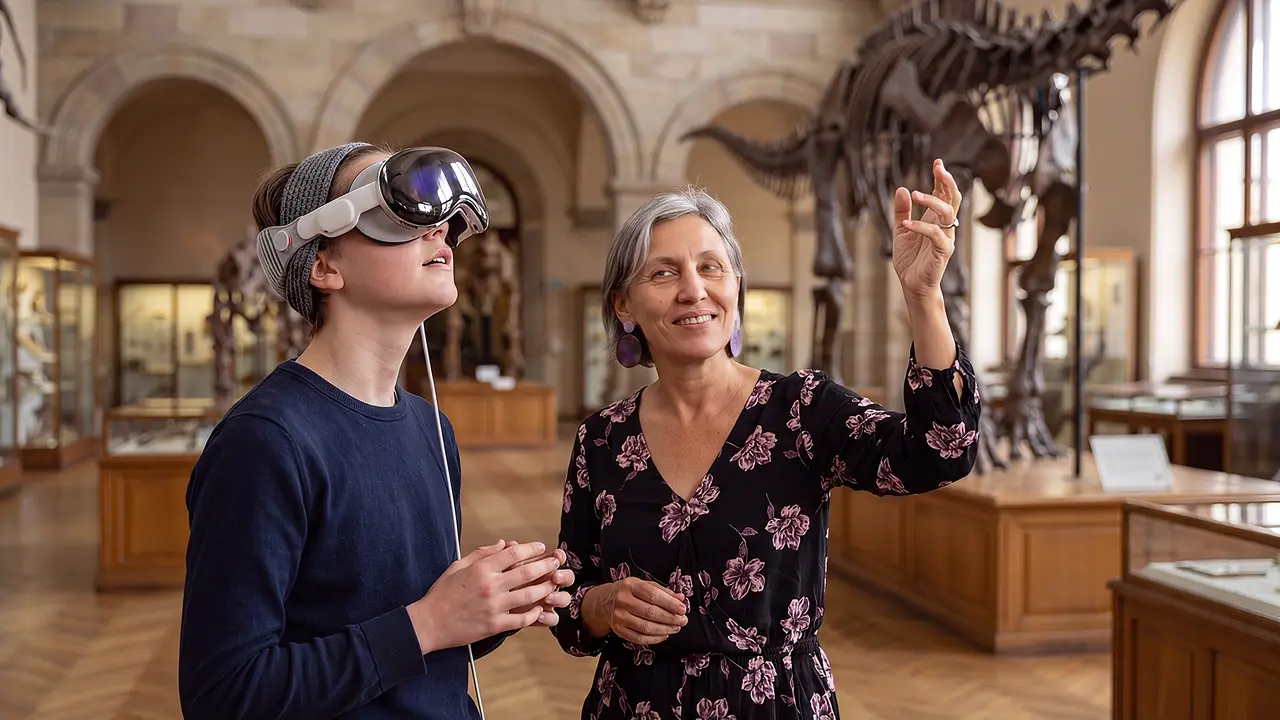
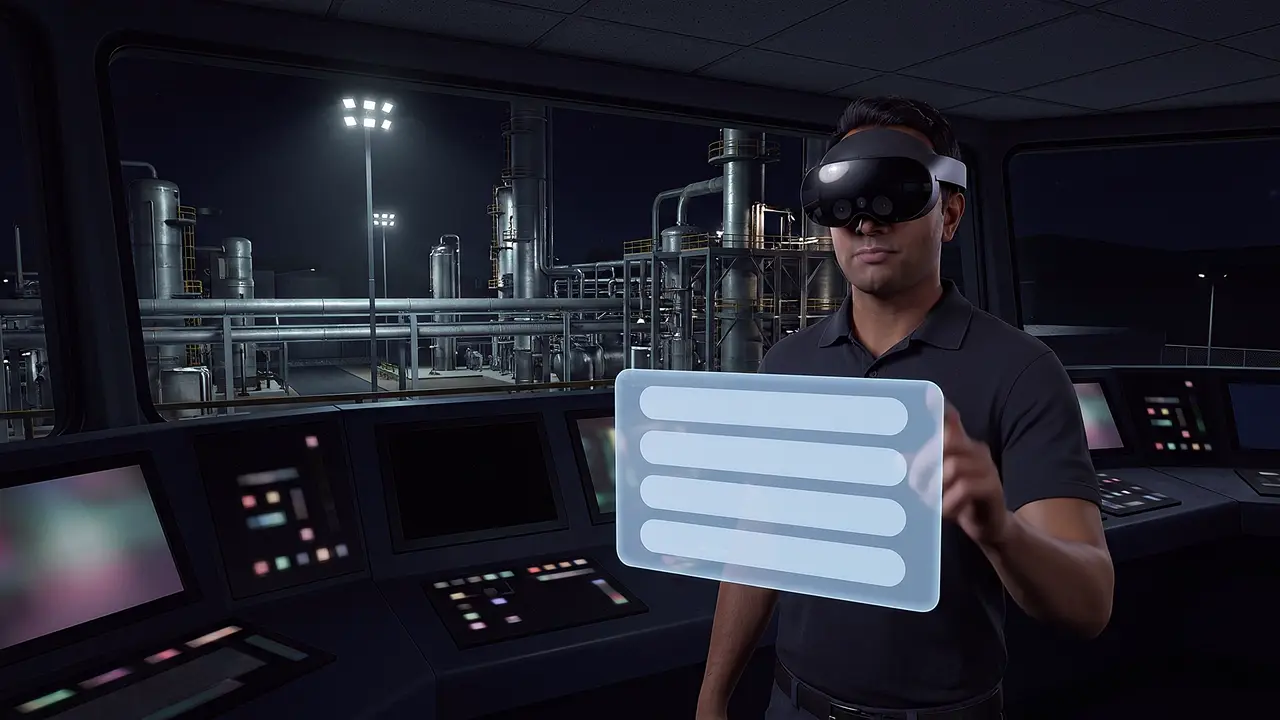
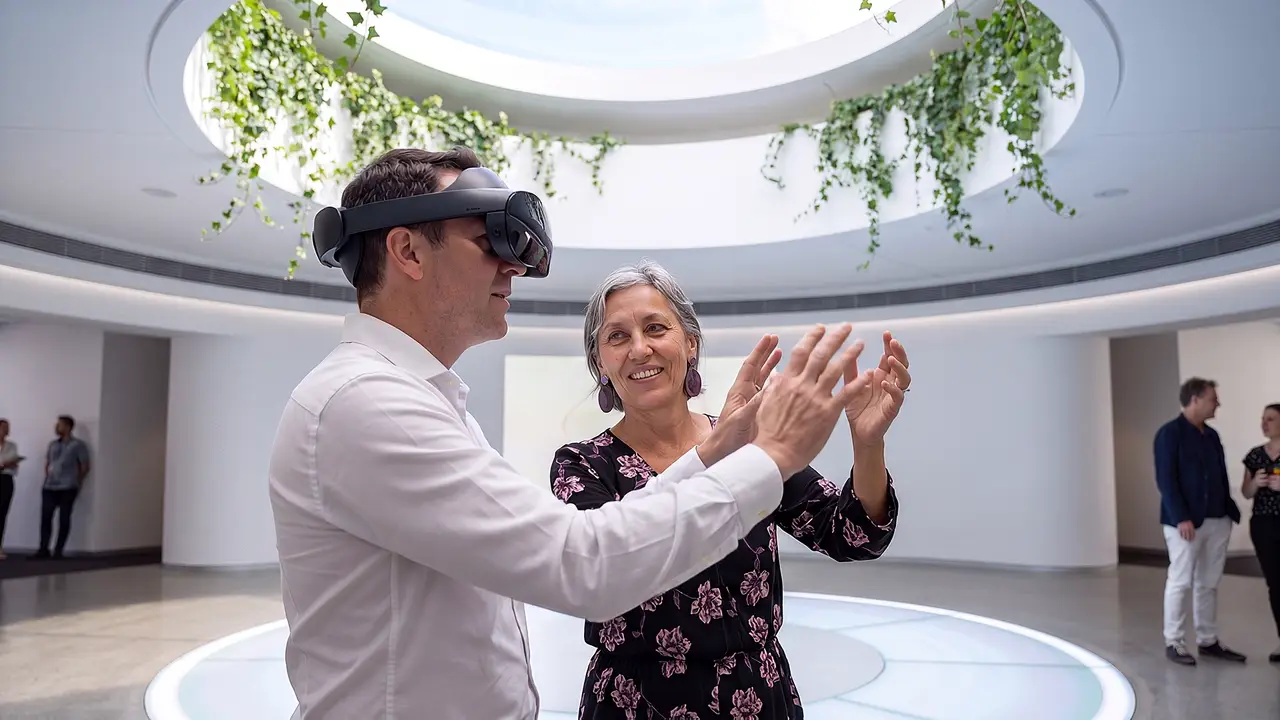
The same scenario on two headsets
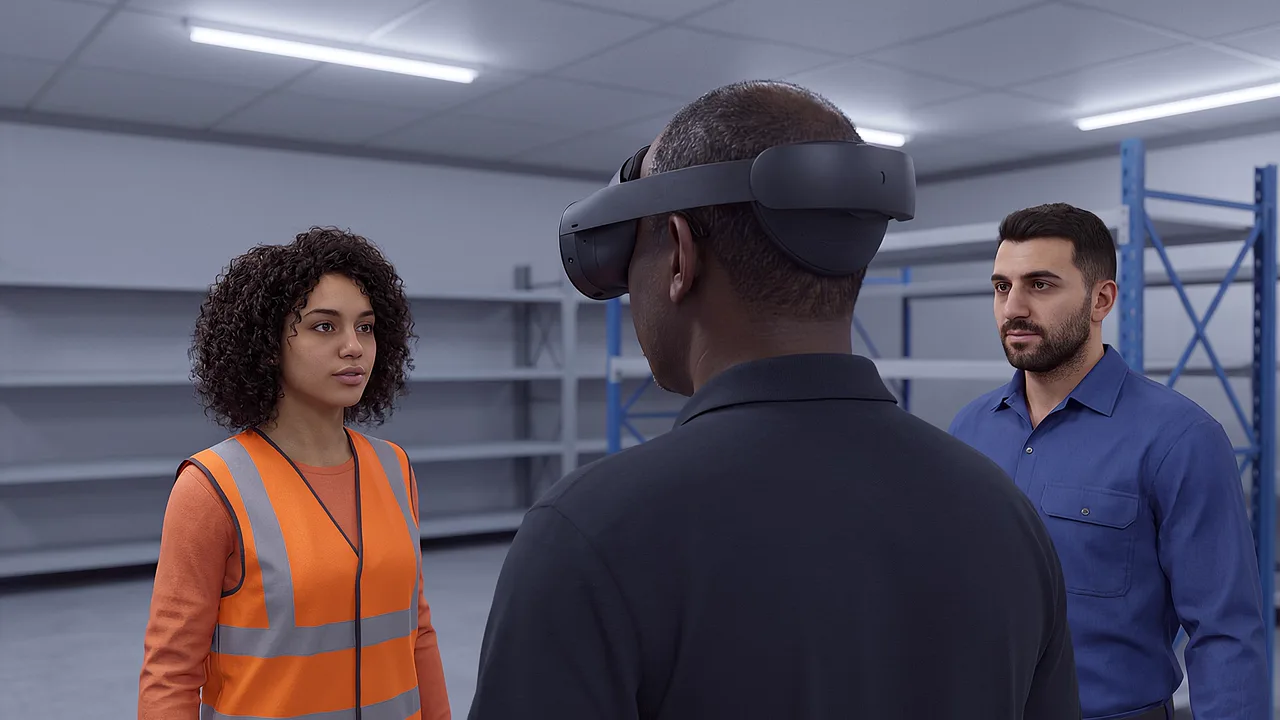
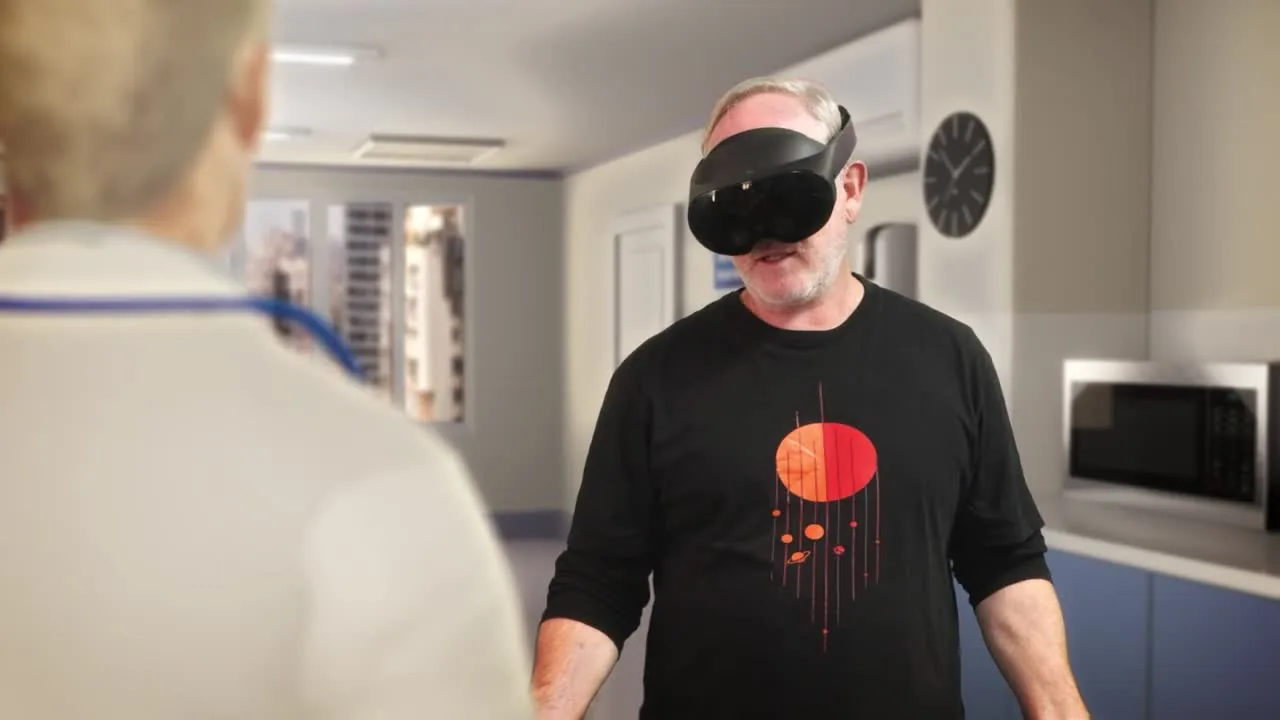
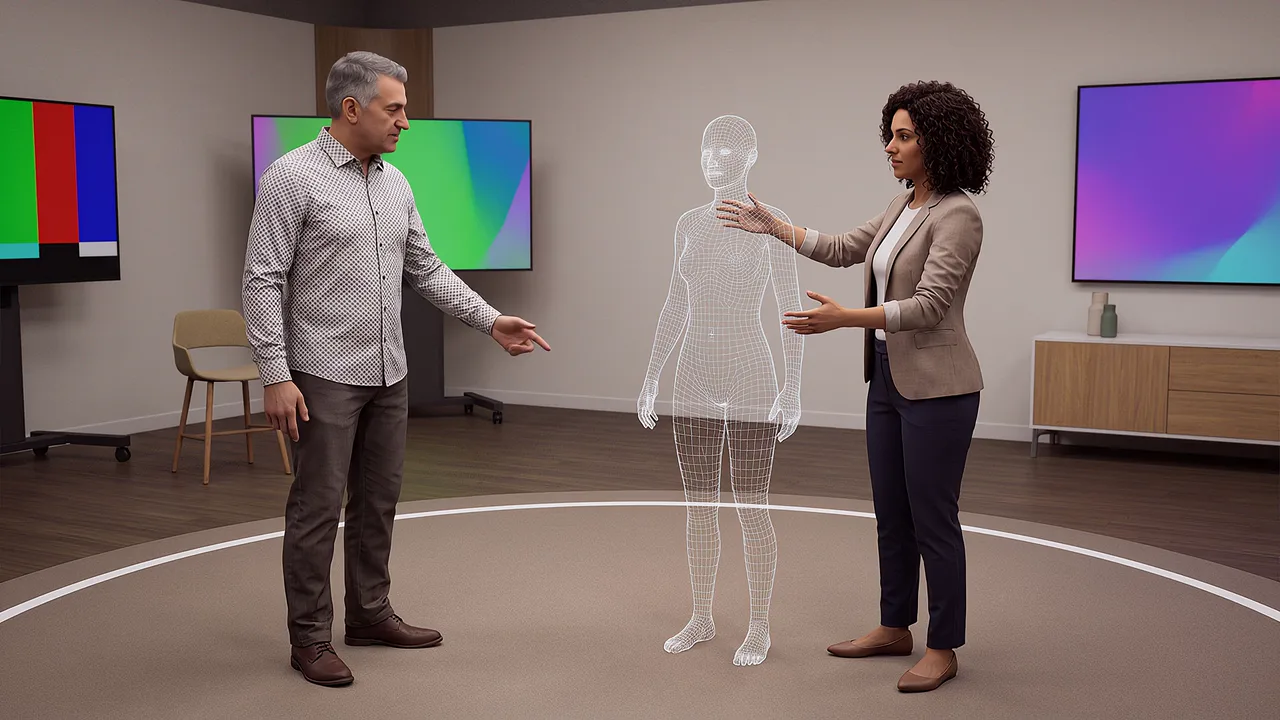
A guided walk-through in VR on Quest Pro, then the same walk-through in mixed reality on Vision Pro: which fits a museum floor, a school group or a ward orientation.
The wider device landscape
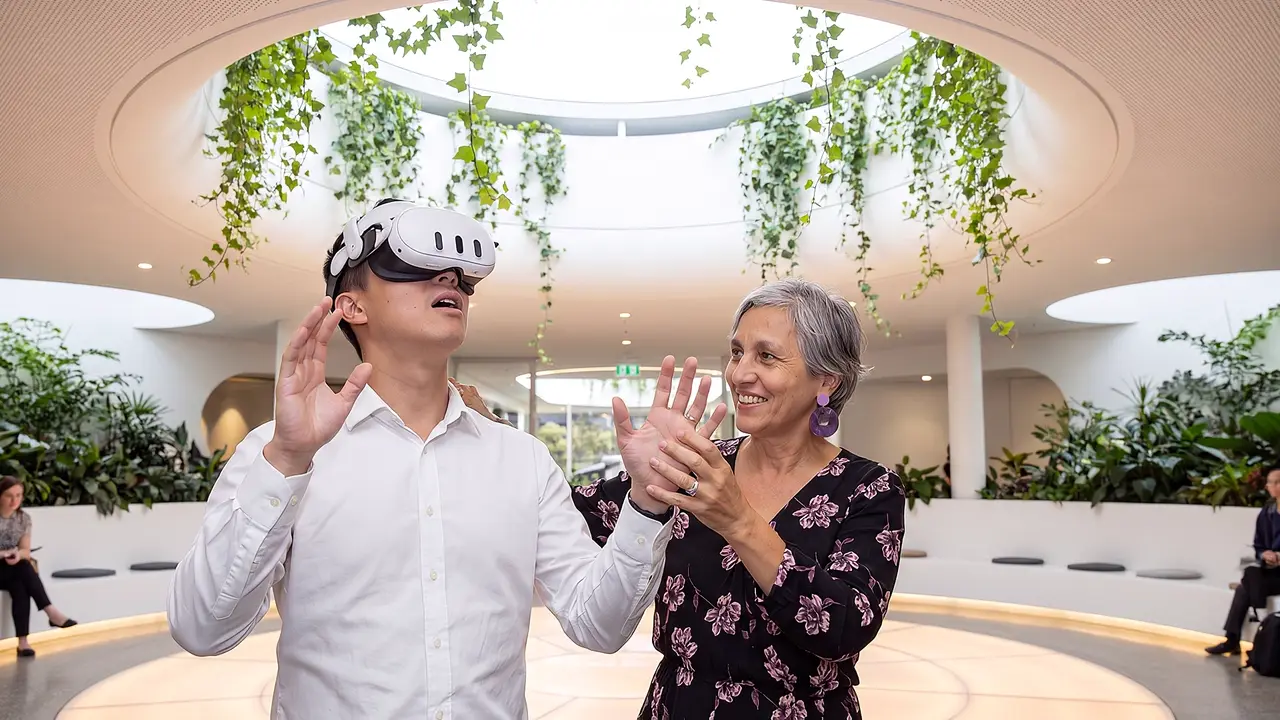
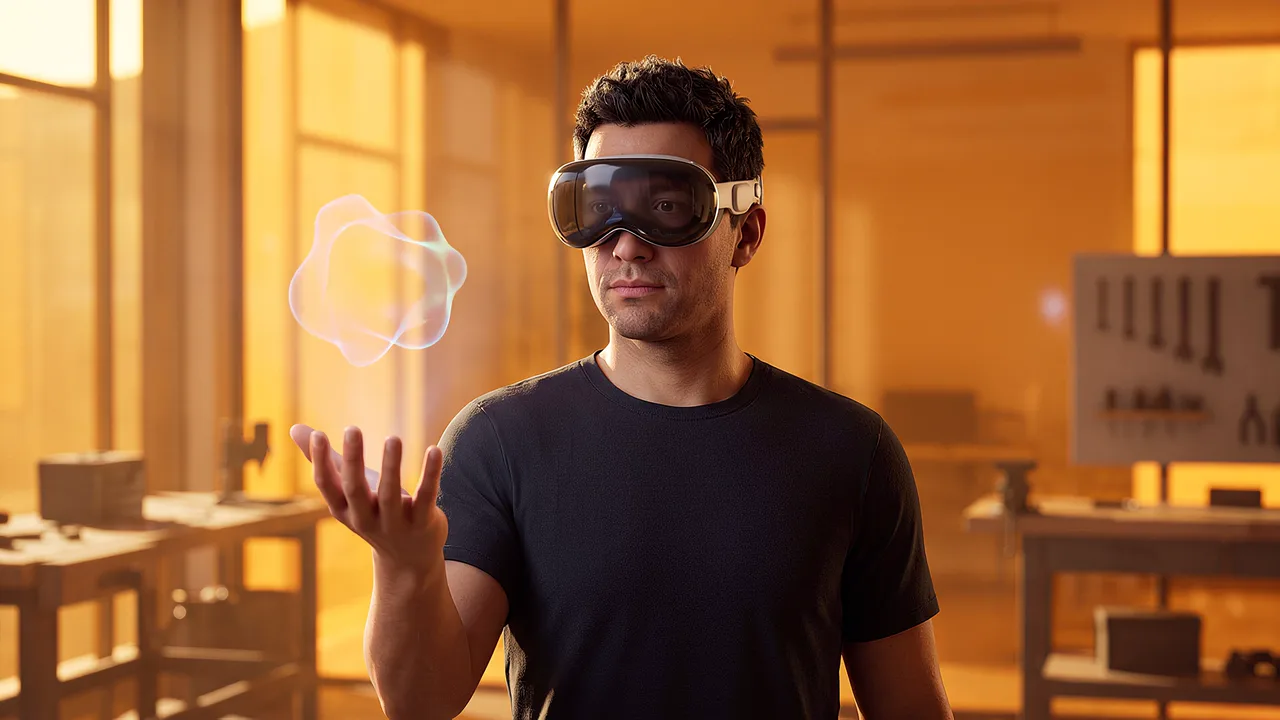
Beyond the headsets PTR ships on most often, the same build reaches whichever standalone VR or mixed reality headset a program already has.
Glasses, phones and the map between them
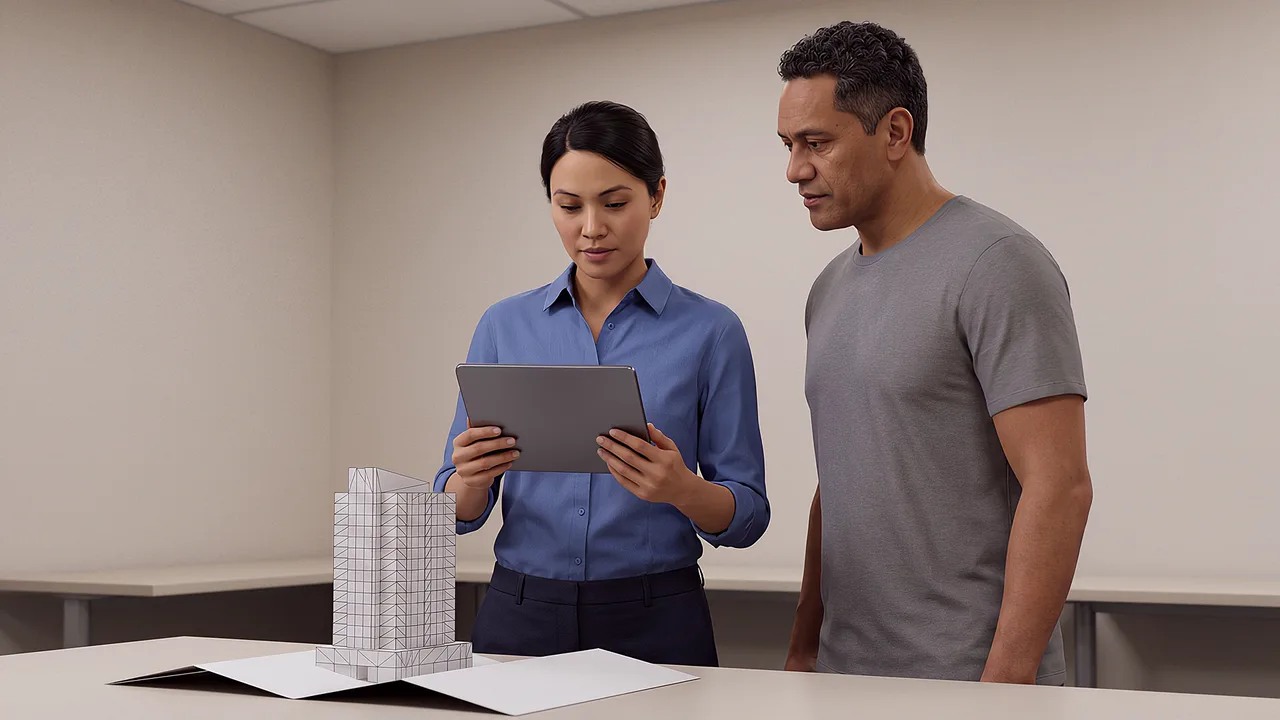
Where a headset is too much, the same content reaches people through glasses or the phone they already carry.
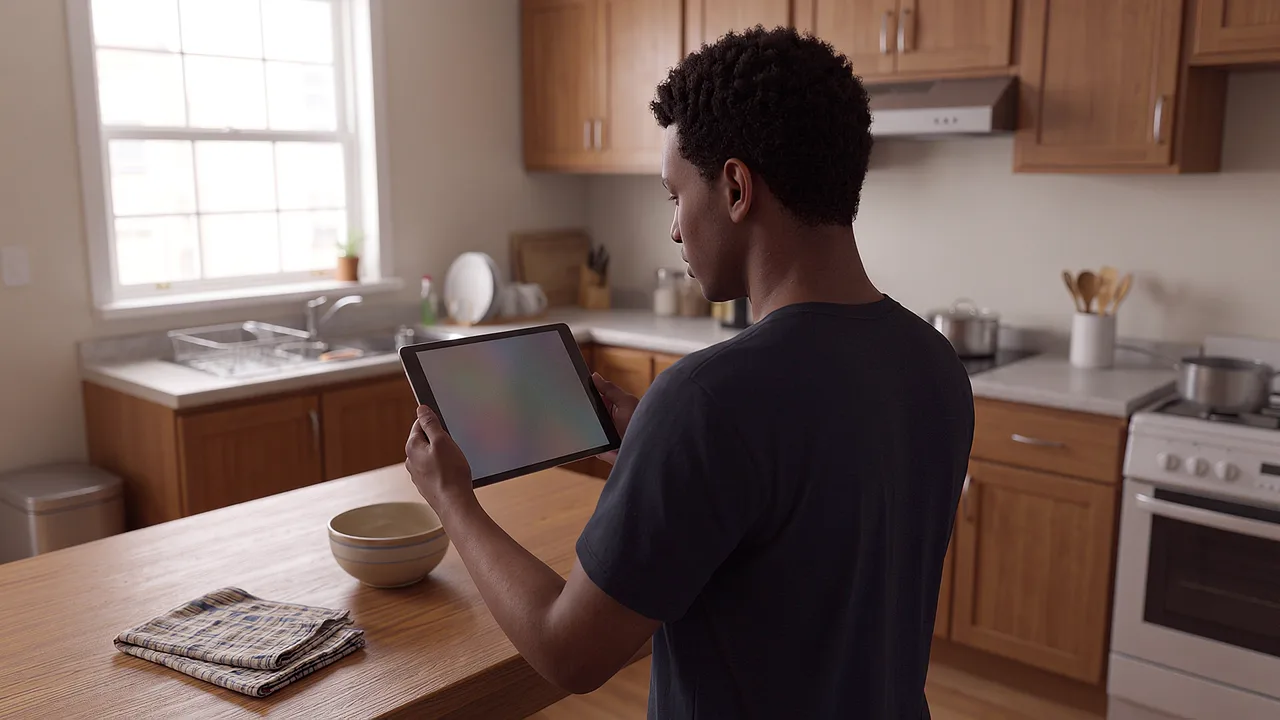
Which device does what: the reality on the left, the device that carries it across the row.
| Reality | Headset | Smart glasses | Phone or tablet |
|---|---|---|---|
| Virtual reality | Meta Quest 3, Quest Pro, PICO, VIVE and Varjo, Vision Pro | Needs a headset: the room is replaced | Needs a headset |
| Mixed reality | Meta Quest 3, Vision Pro, Quest Pro, Android XR, PICO, VIVE and Varjo | Needs a headset that sees the room | A phone through its camera, for a lighter version |
| Augmented reality | Android XR, Vision Pro, in passthrough | Smart glasses, hands free | iPhone, iPad and Android, the widest reach |
Which headset for which program
Match the program to the device
PTR VR Library titles run on standalone headsets such as Meta Quest and PICO; browser practice needs no headset at all. Headsets and equipment covers who brings them and what IT will ask.
EXPERIENCE TYPES
What can people practise inside an experience?
Each chapter changes what a person is asked to do in the room, not only what they are asked to look at.
Role-play and rehearsal
First-person practice of conversations that are difficult to stage any other way.
Perspective experiences
Step into another person's position to build understanding that sticks.
Procedural simulation
Practise a sequence, a decision or a high-pressure environment safely and repeatedly.
Perspective and empathy. Immersive learning. Guided, reflective practice. Environmental and place-based.
"It offers a safe space to 'walk in someone else's shoes,' to build empathy and understanding that traditional training methods simply cannot match."
 Simon Lowe
CEO, People Tech Revolution. The Cusp of a Revolution, Global Best Practice Group, October 2024
EXPLORE XR AT PTR
What does PTR build in XR?
How PTR builds real immersive products and custom experiences for clients, from full VR productions to a catalogue of ready-to-run titles.
XR IN PRACTICE
Where has XR run with real teams?
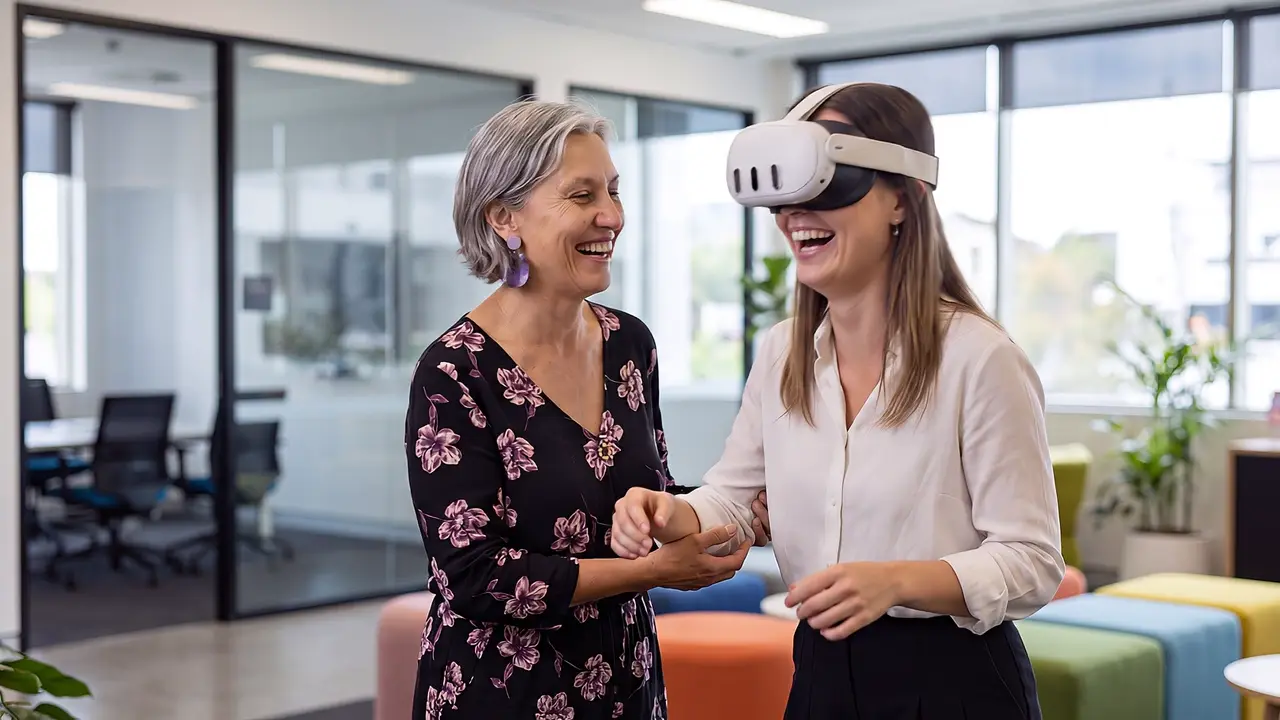
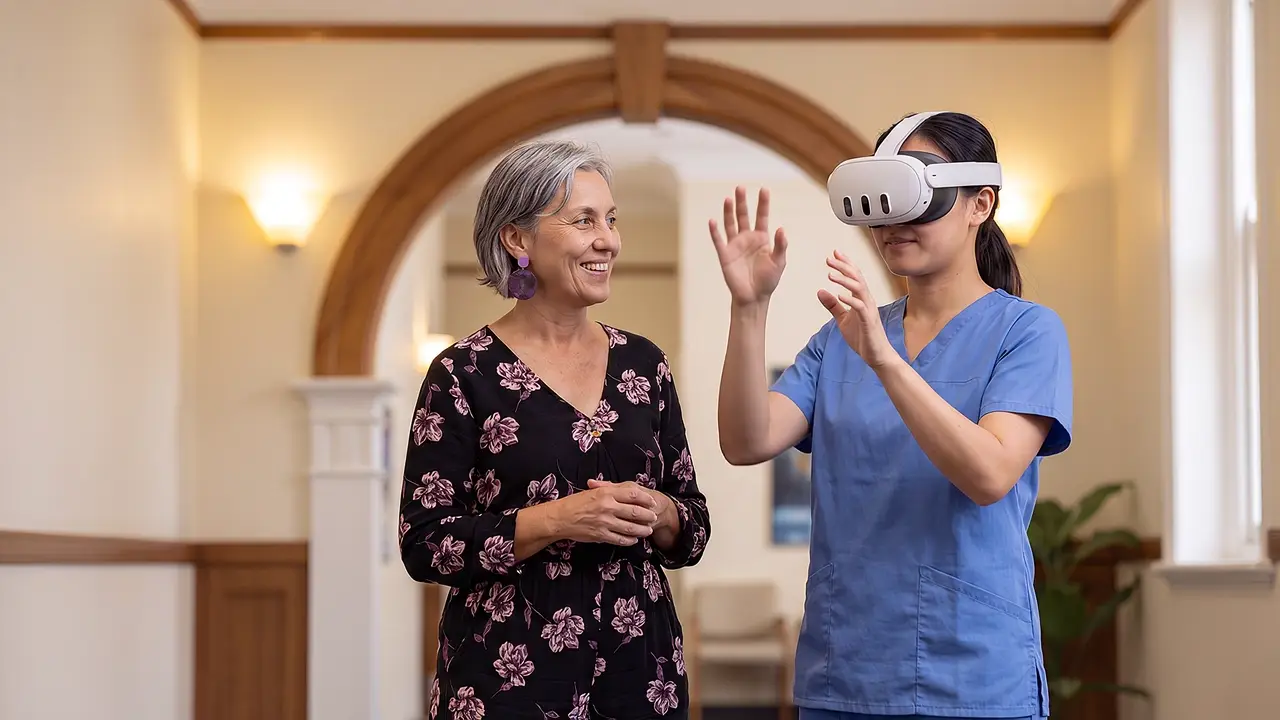
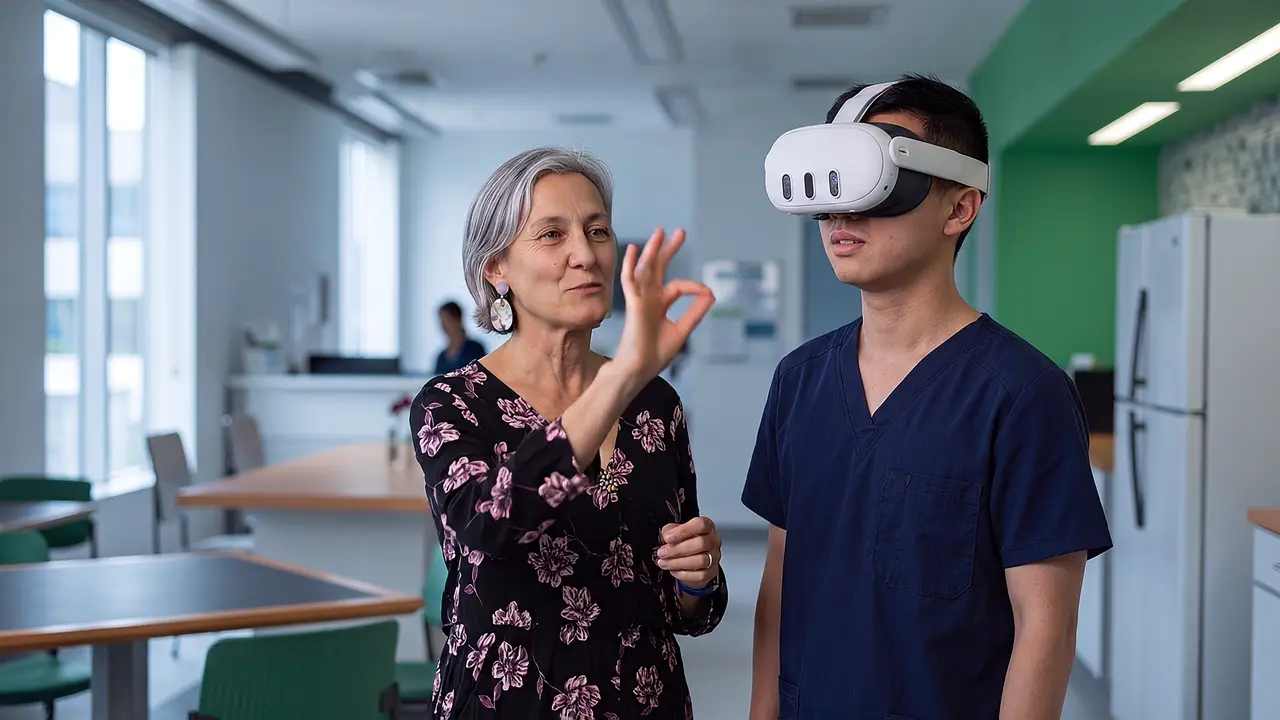
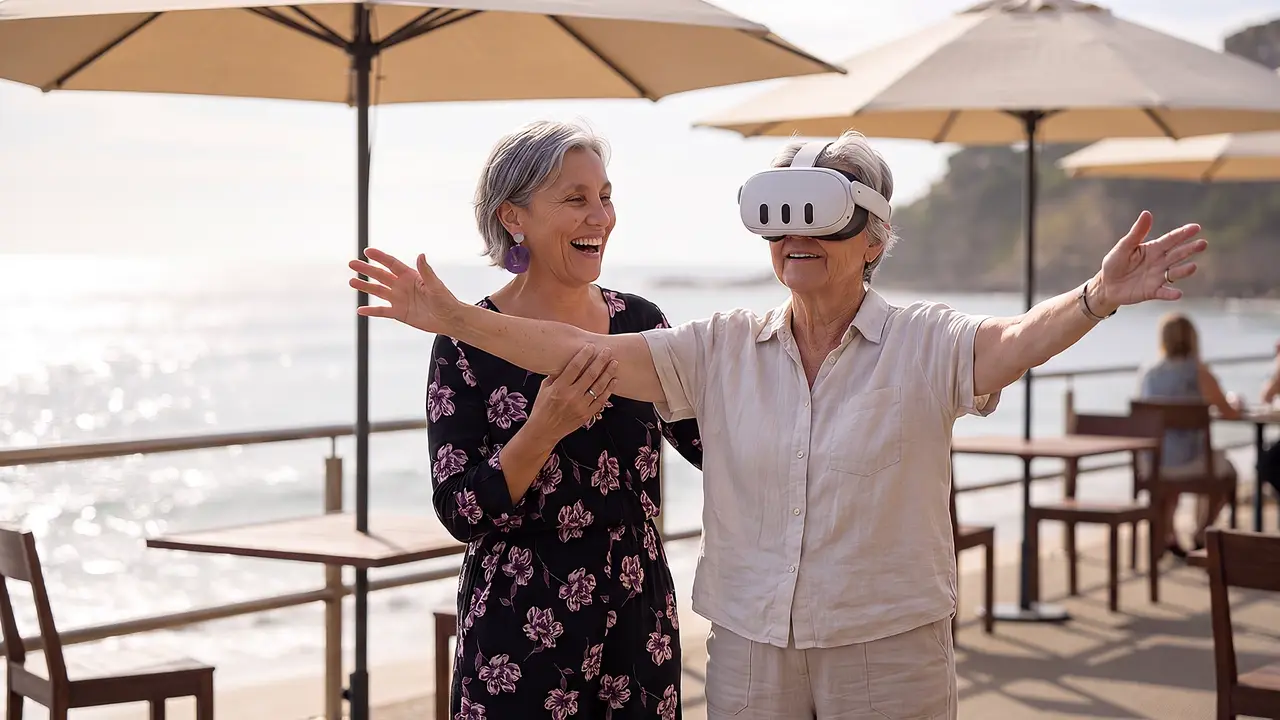
Programs that ran with real teams: two hospital groups, a council, and one that went on to be published as research.
The evidence, by outcome
What did the evidence measure, and who measured it?
Read these before a budget meeting: each card names the outcome, the measure and the people who took it.
Preferred to standard DEI training
82%average agreement among the 7 trainees who returned the optional survey that it was better than Google’s standard DEI training; 94% average satisfaction
Google researchers with PTR co-founder Leonie Sanderson, who led it, peer reviewed at ACM CHI 2024. Built with Equal Reality, a subsidiary of People Tech Revolution.
Engagement, and appetite for more
90%of participants reported an increase in concentration; 77% found the scenarios more engaging than face-to-face delivery, and over 96% wanted more training in VR
Mater Education, in its own pilot closure report (2025).
Empathy, against a control group
p = .002self-reported empathic feeling rose in the leaders who trained, in the week after the class, while a control group not yet trained did not
Mayo Clinic researchers, peer reviewed in Social Science & Medicine. People Tech Revolution built the DEI module for nurse leaders.
Learning objectives met
91.9%of respondents agreed or strongly agreed they achieved the learning objectives
Mayo Clinic researchers, peer reviewed in The Journal of Nursing Administration.
Evaluations returned
593 of 1,131learners who attended the education completed the evaluation
Mayo Clinic researchers, peer reviewed in The Journal of Nursing Administration.
An independent review
A peer-reviewed software review of VR empathy training describes People Tech Revolution as an Australian company that develops VR courses for soft-skills training.
Khukalenko and Khanolainen, Journal of New Approaches in Educational Research (Springer), 2025.
Decide with these
What should you settle before you commit to XR?
Each page answers a decision a buyer makes before any headset is unpacked.
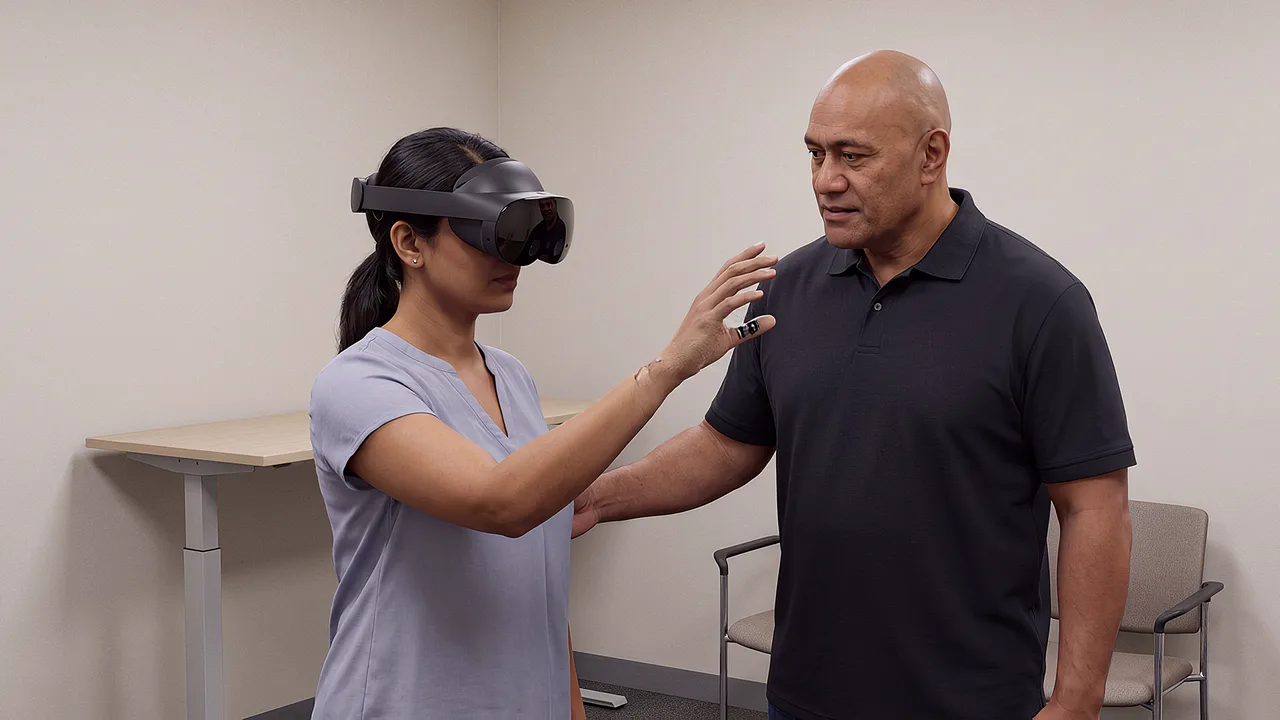
Headsets and equipment. Whether you need headsets, who brings them, and what IT will ask.
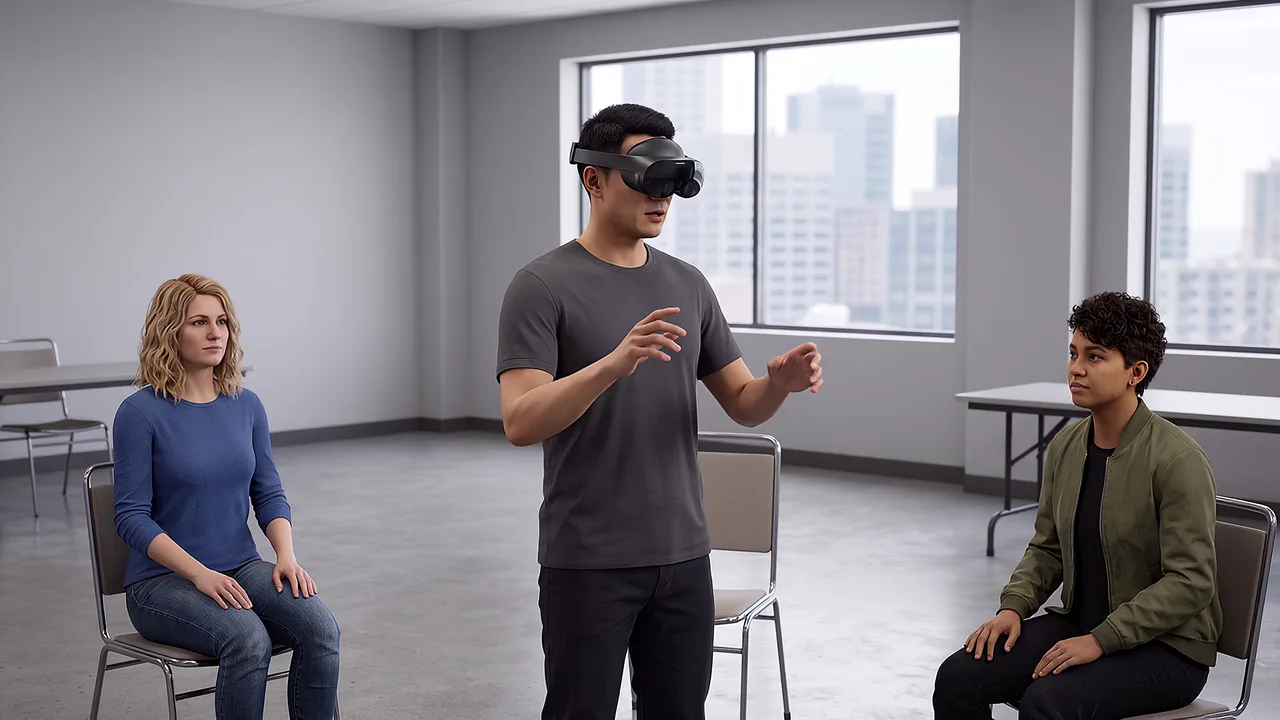
How a pilot runs. The stages from alignment to decision, and who does what on each side.
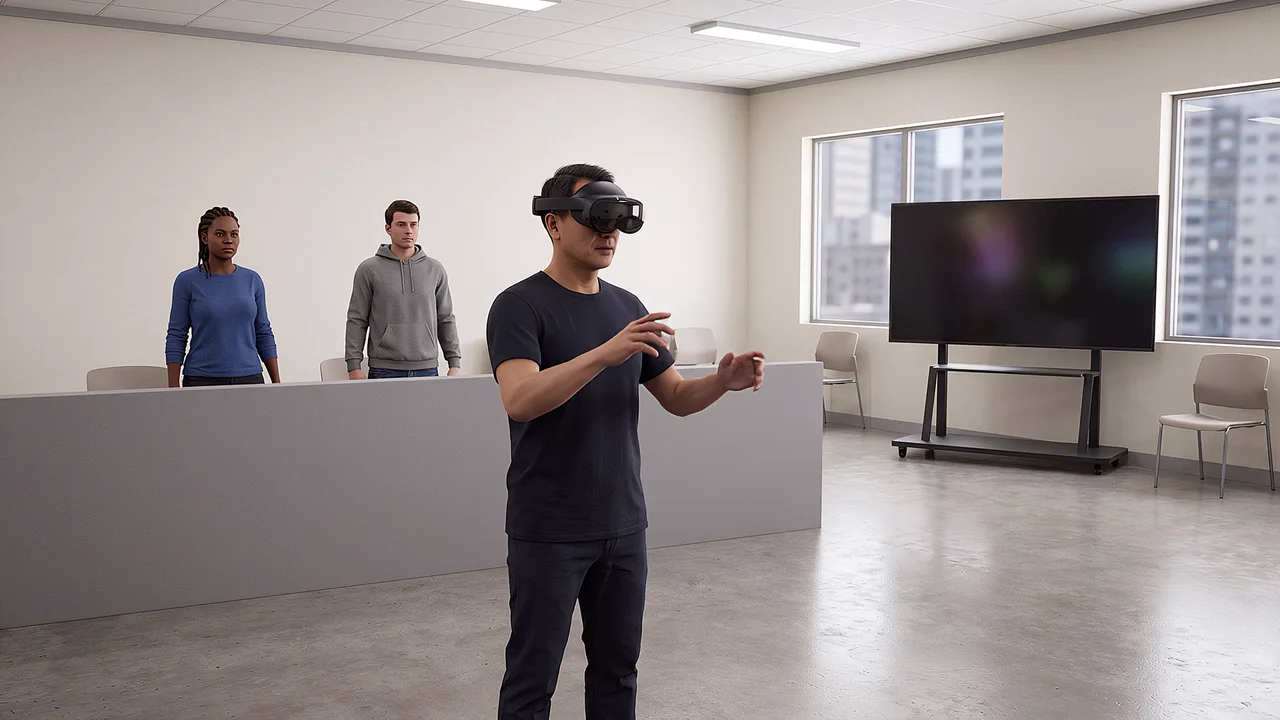
Business case and evaluation. How to measure a program, and the outline a budget holder reads.
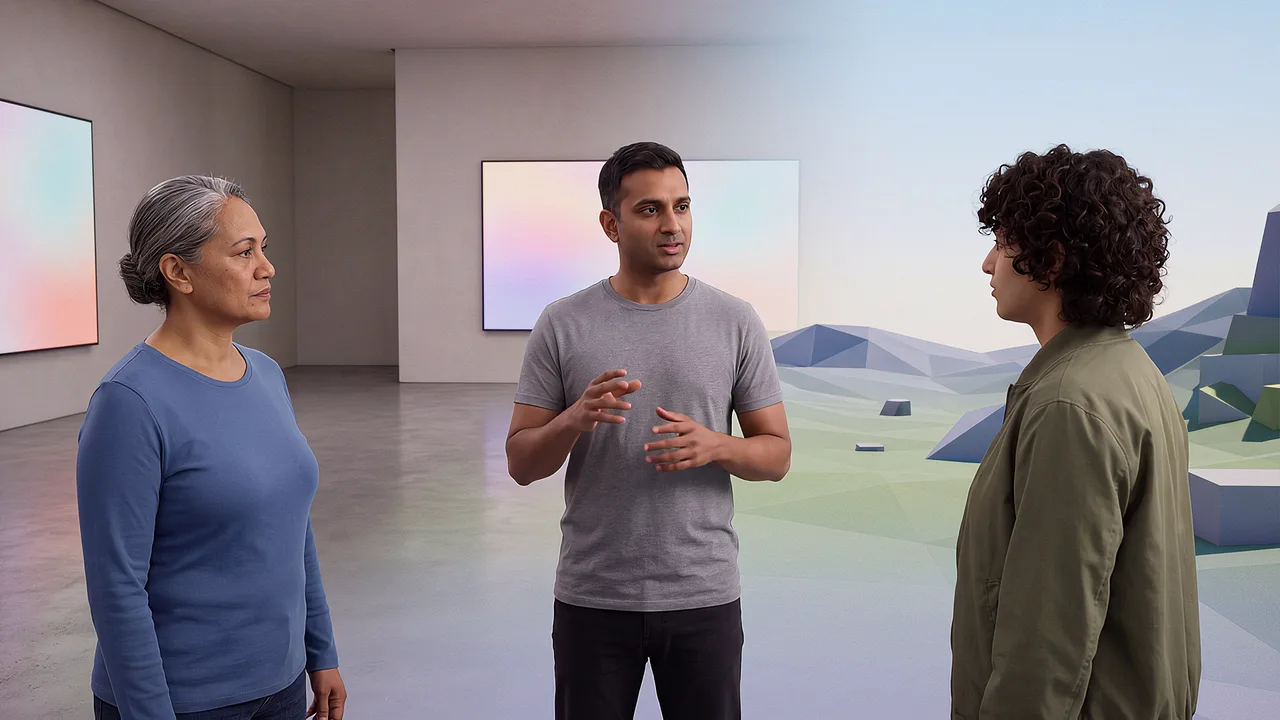
VR, AR or MR. Whether the real room stays visible, and what that means for training.
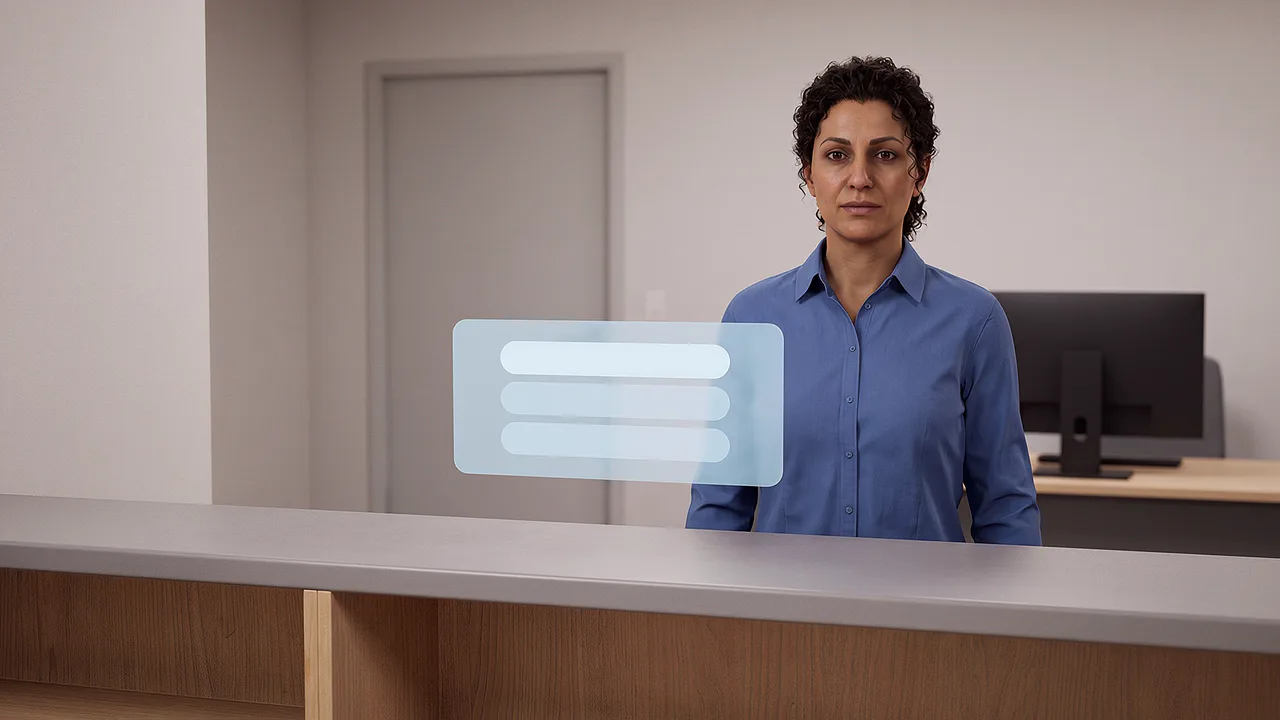
The de-escalation evidence. Study by study: what VR de-escalation research measured, and for how long.
Governance and security. Where data is stored, how access is protected, and the document behind each.
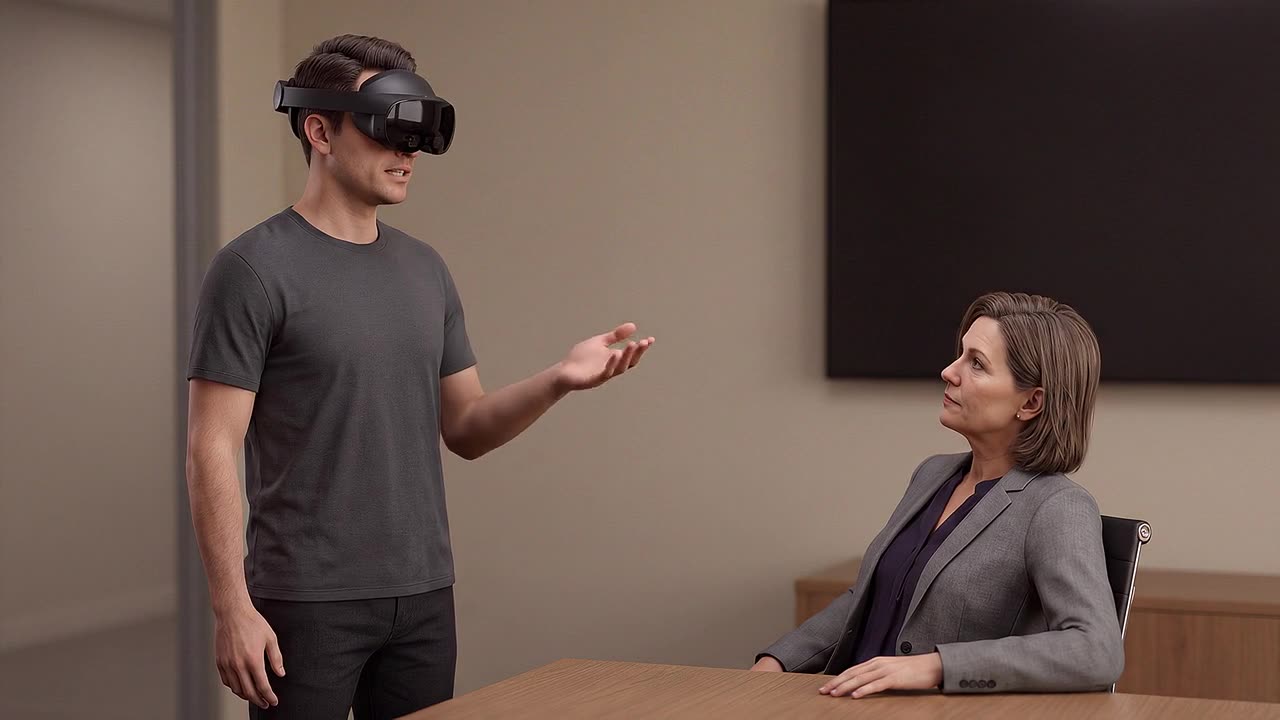
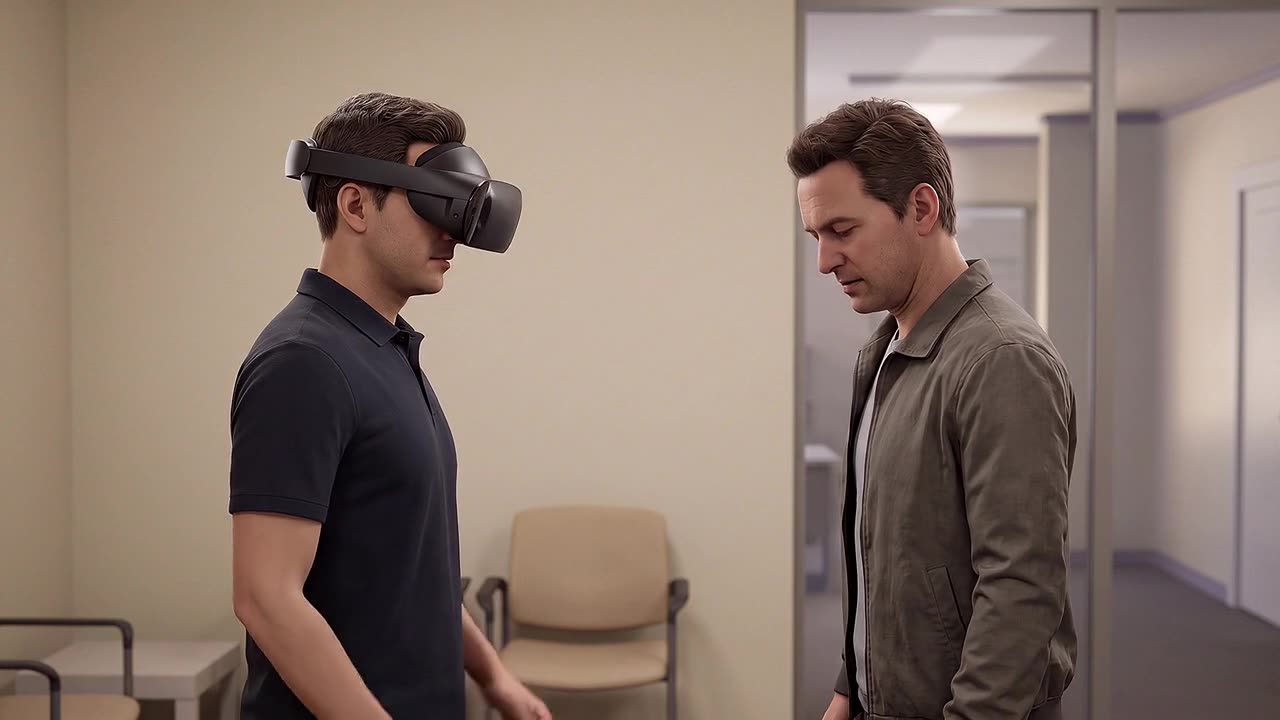
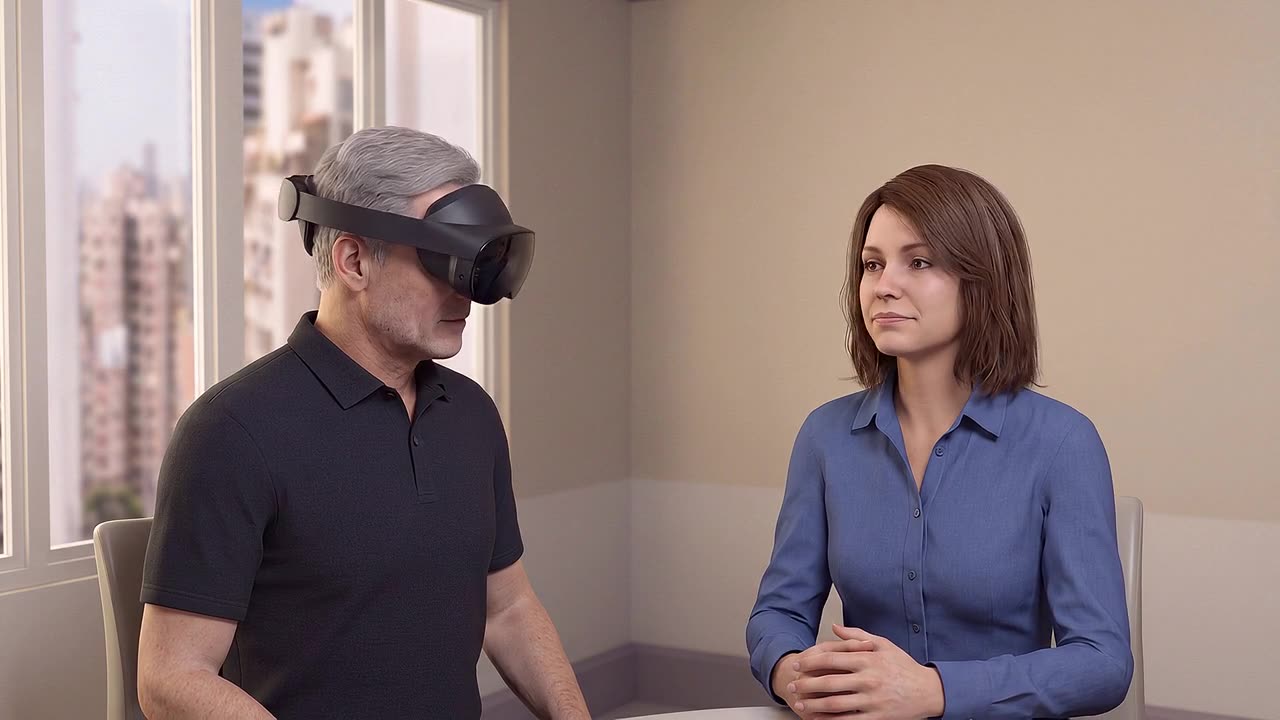
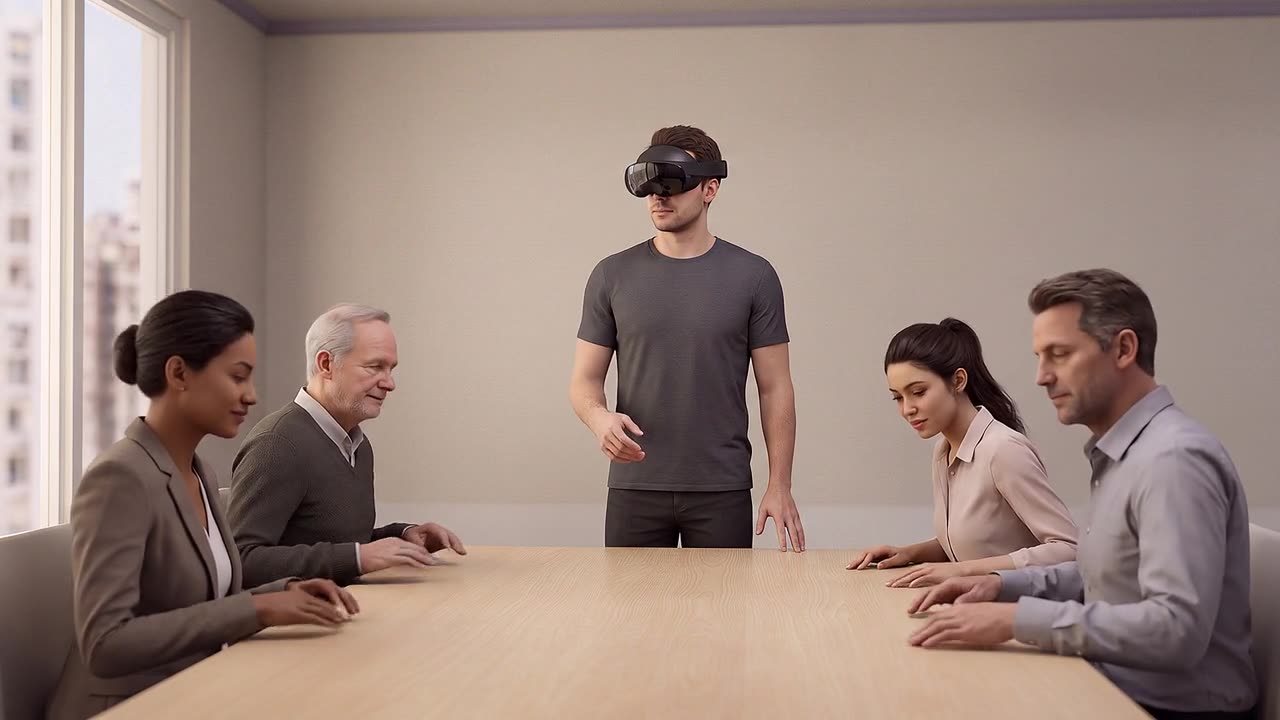
Stepping into the scenario
Not wearing a headset. Being in the room.
Before any of the technology matters, something simpler happens. The situation stops being hypothetical.
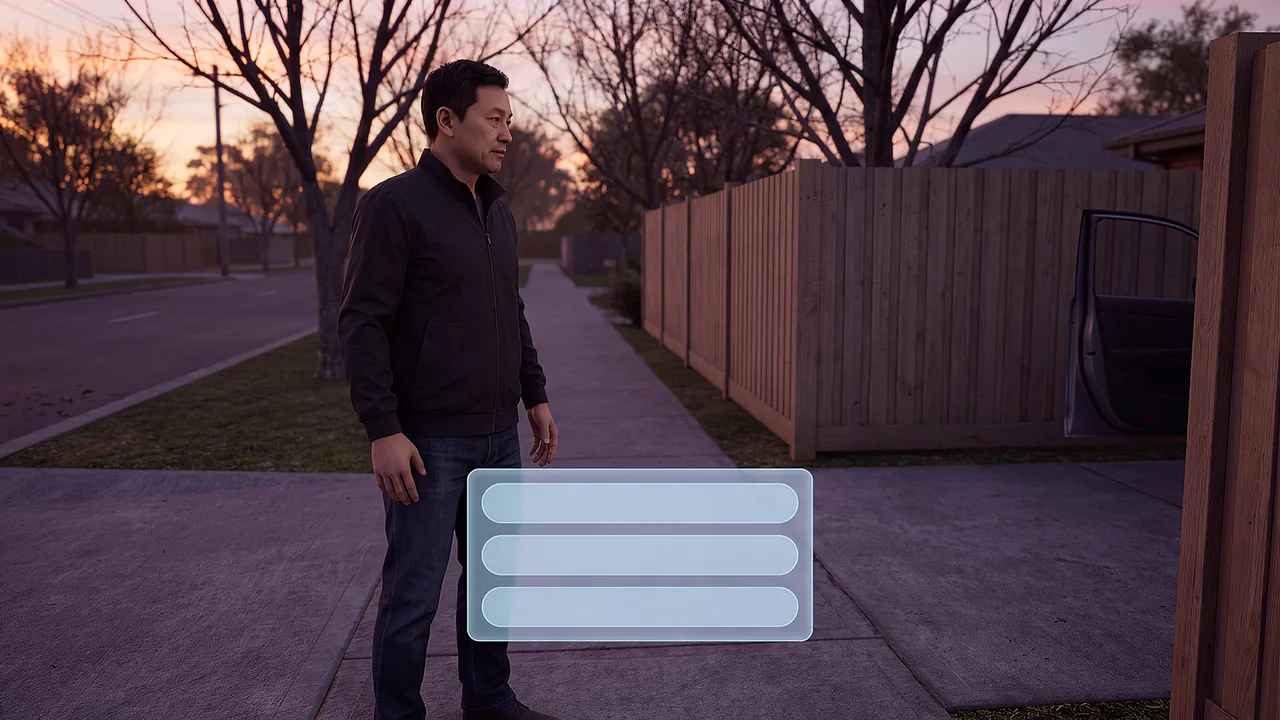
The moment it stops being hypothetical
The value is not the hardware. It is the shift from reading about a situation to standing inside it, with a real reaction and a real choice to make.
The scene resolves and an ordinary room becomes the scenario you are about to practise. From here on, nobody is watching a video of a conversation. They are in one.
Featured work
How did Mater Education practise speaking with good judgement?
A safe simulated space for healthcare staff to practise communication under pressure.
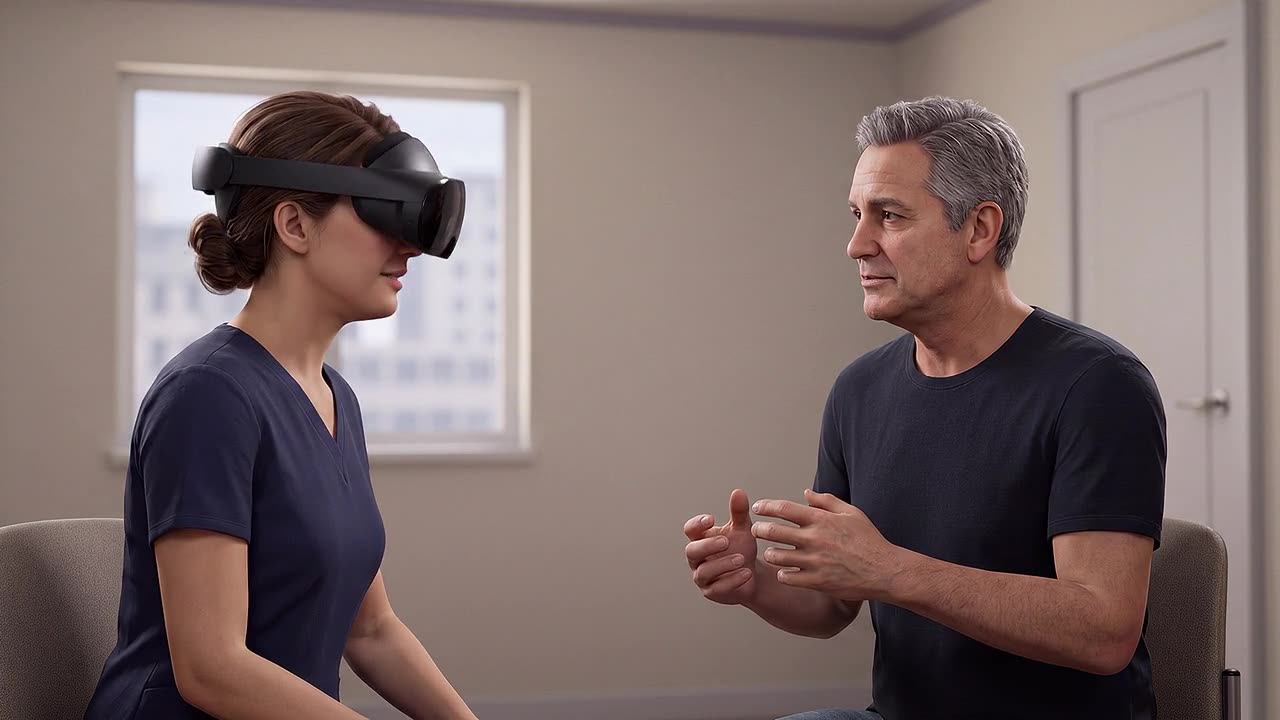
Practised before it has to be real
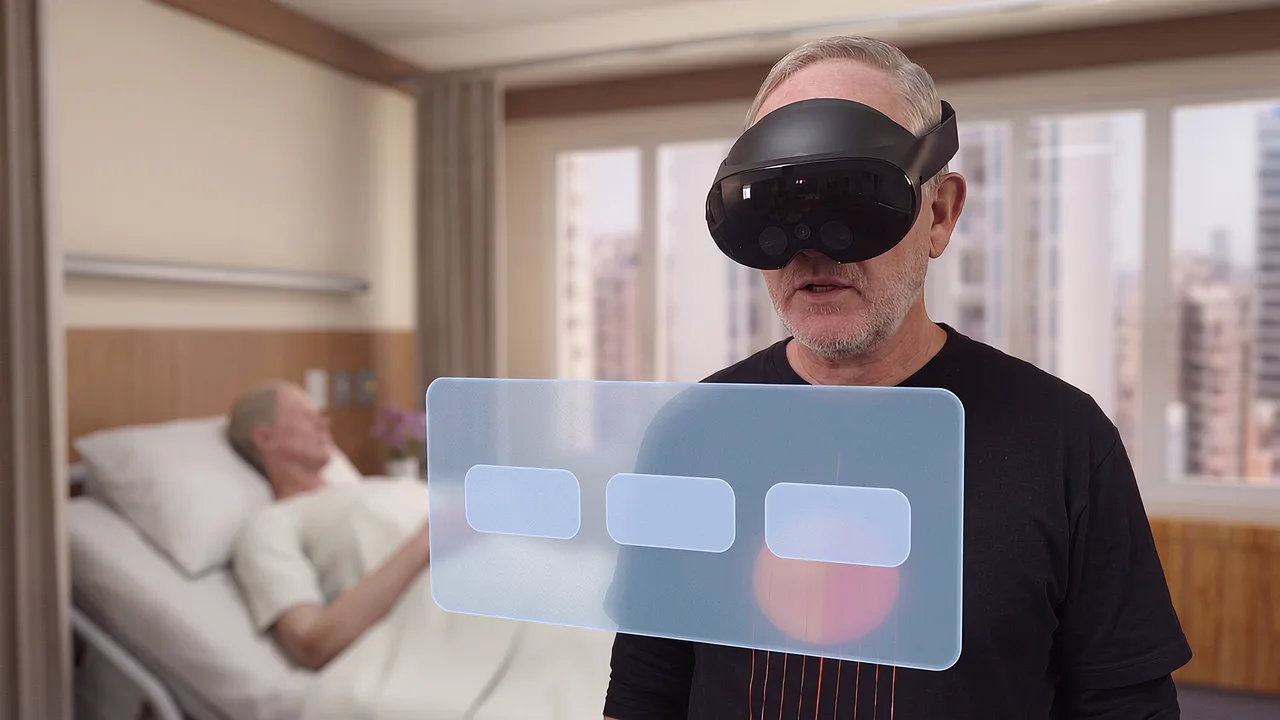
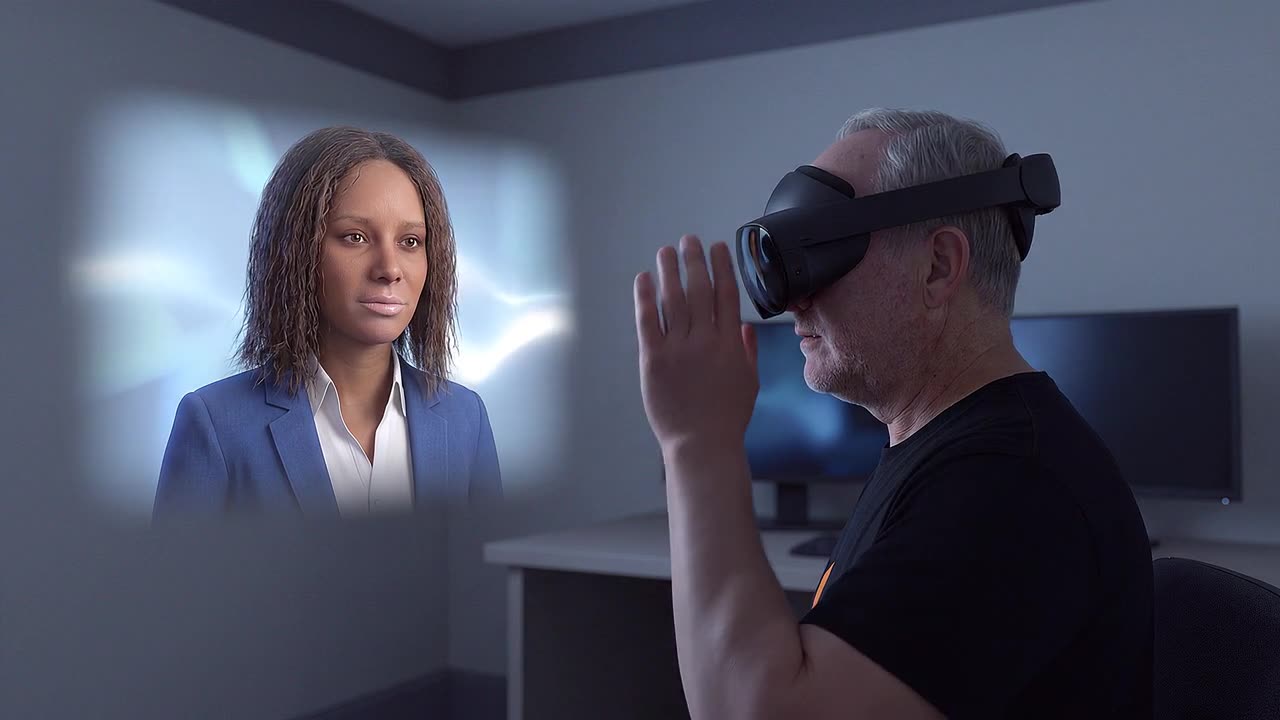
Clinicians rehearse the conversation they dread with a simulated patient who answers back, then debrief on what they chose and why.
Mater Education evaluated the pilot with the staff who took it. The four figures below are their own reported results, from Mater Education's immersive learning pilot closure report (2025).
reported enjoying the experience
reported an increase in their concentration
found scenarios more engaging than face-to-face
wanted more of it
Figures as reported by Mater Education following the program evaluation.Mater Education, immersive learning pilot closure report, 2025
Featured work
How does a driver rebuild confidence after a critical incident?
Back behind the wheel at a pace the driver sets, with someone beside them.
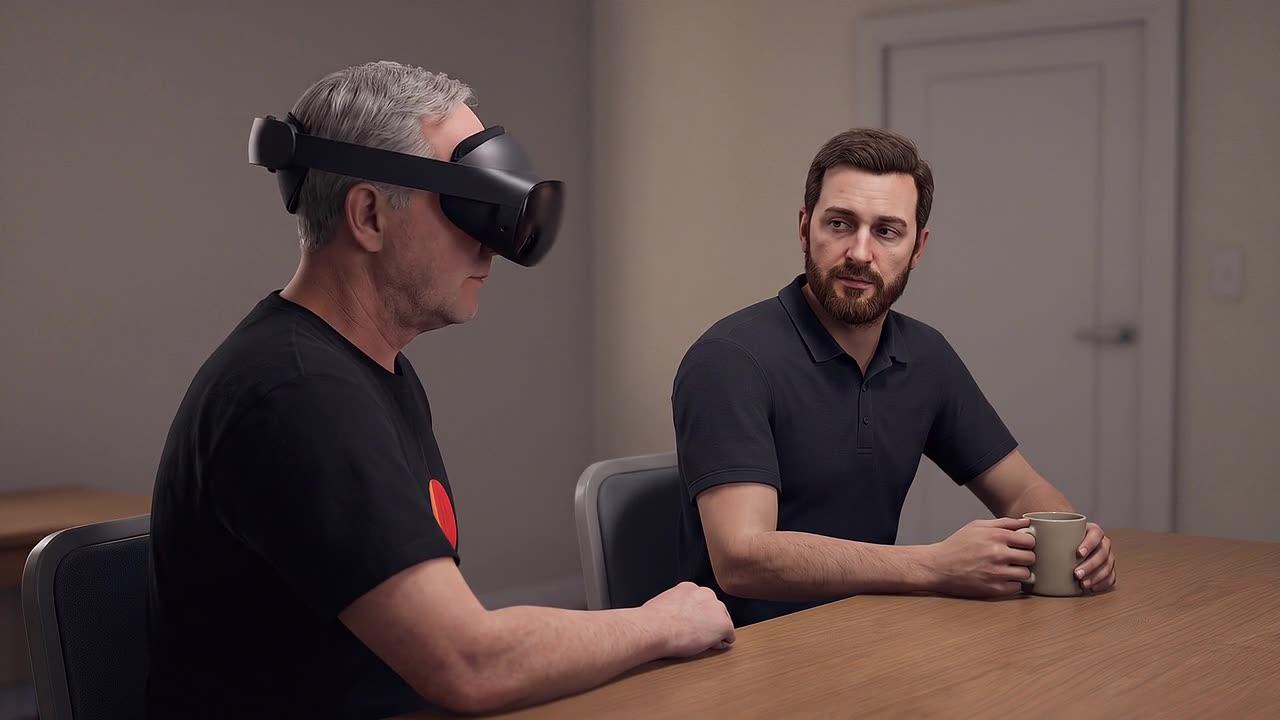
The depot, at a controlled pace
Immersive experiences reintroduce the driving environment at a controlled pace, with guided regulation and confidence-building scenarios.
The return-to-work conversation is rehearsed in the room it will happen in, so nobody has to improvise it for the first time on the day.
"Their ability to understand clinical and operational needs and translate complex ideas into safe, realistic VR environments has made the partnership both productive and enjoyable."
 Martine McCash
Vice President - Services, XRHealth Australia
HOW WE DESIGN
How does PTR design an immersive experience?
These are patterns proven across PTR's shipped titles and client work, refined build after build rather than invented for any one brief.
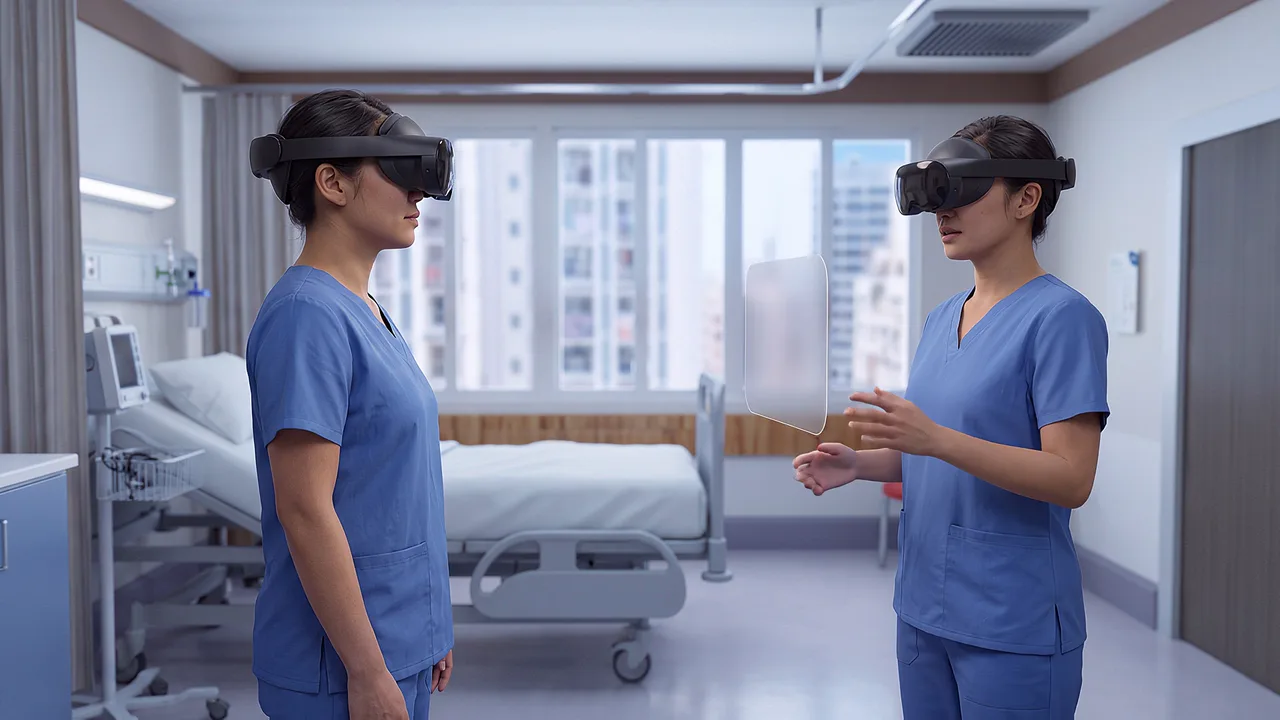
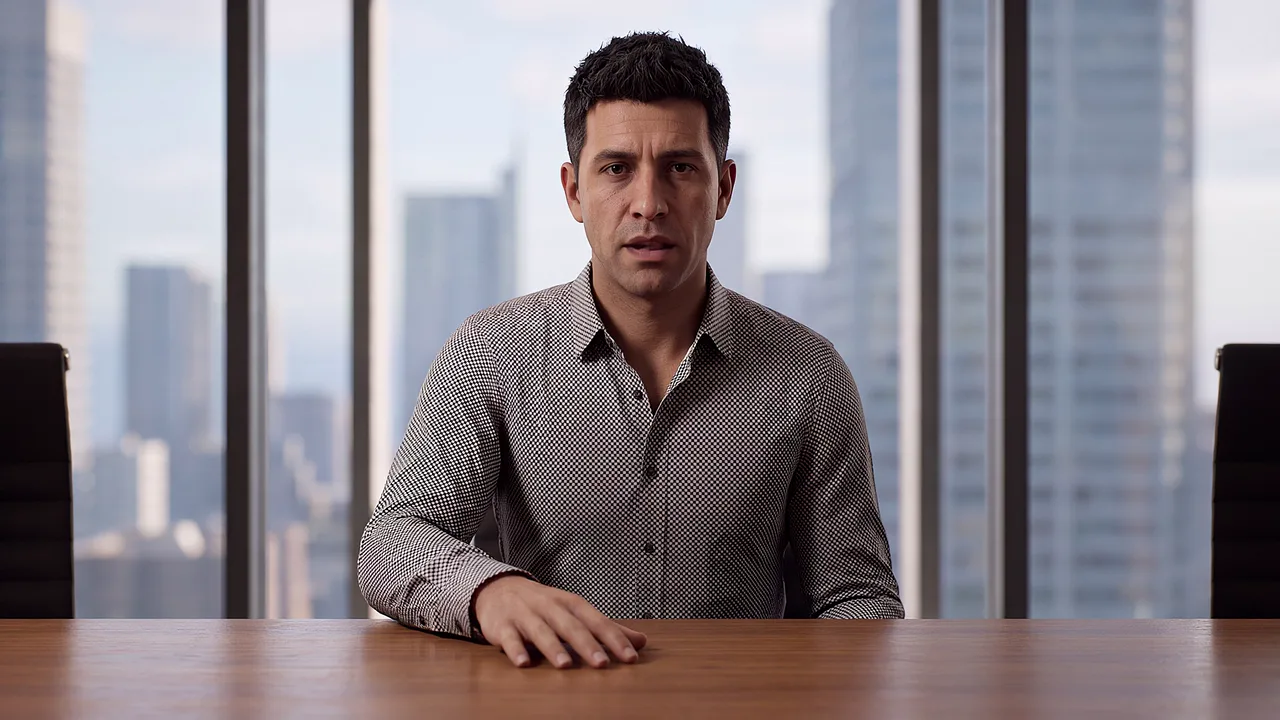
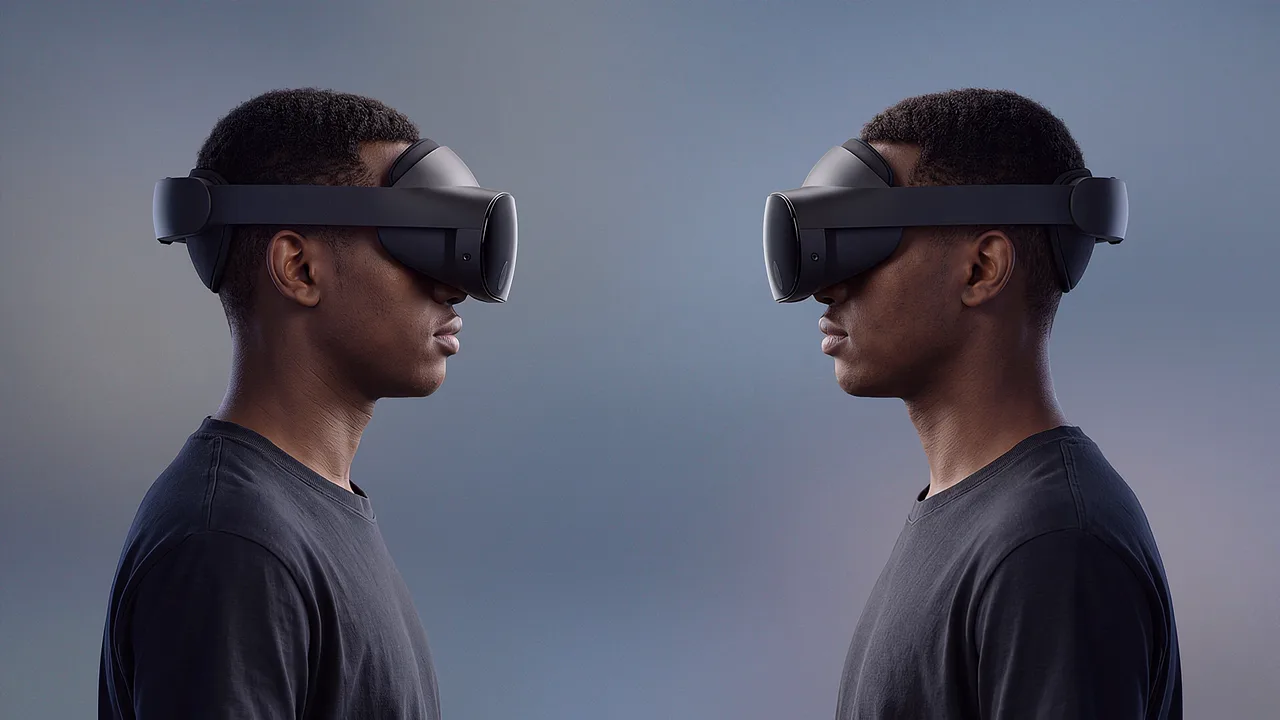
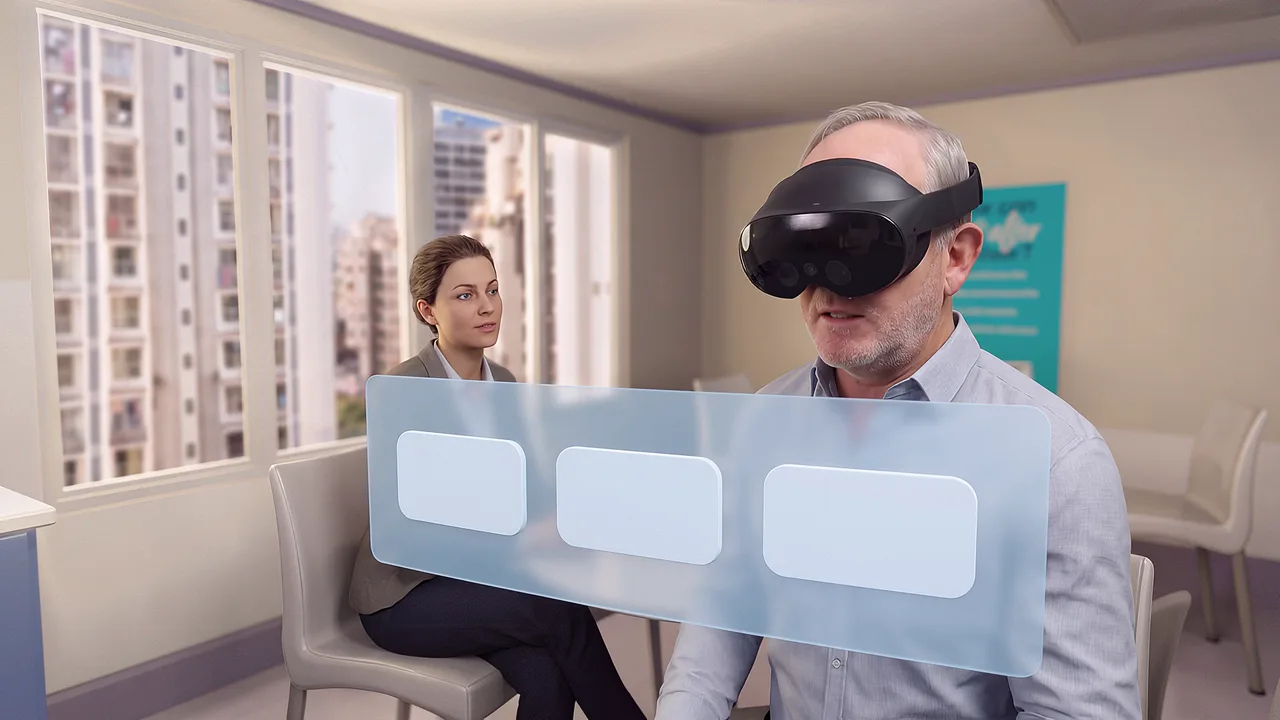
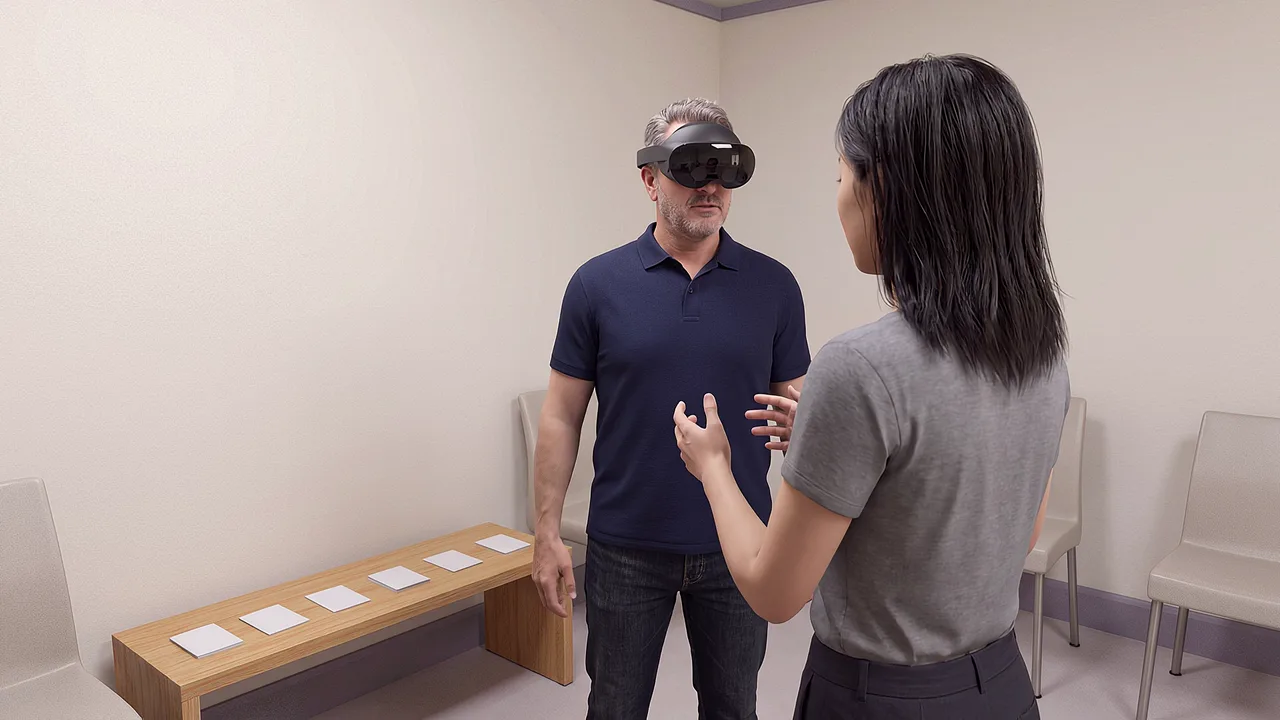
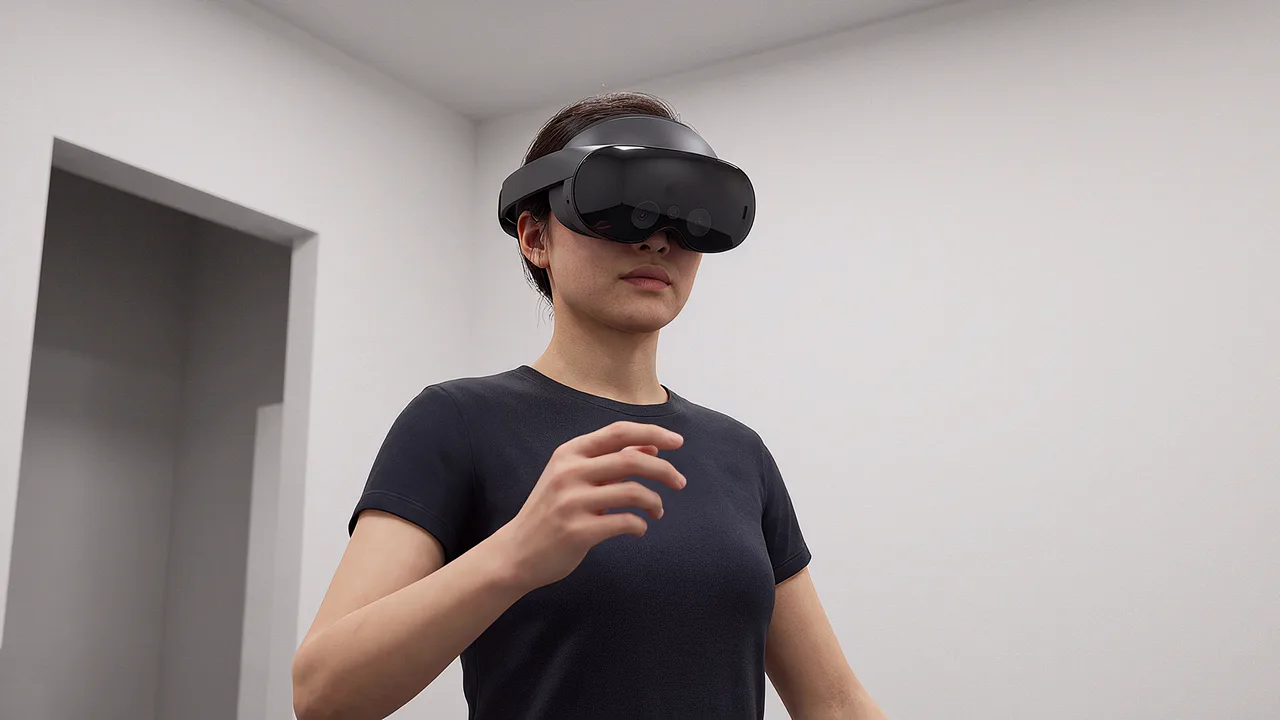
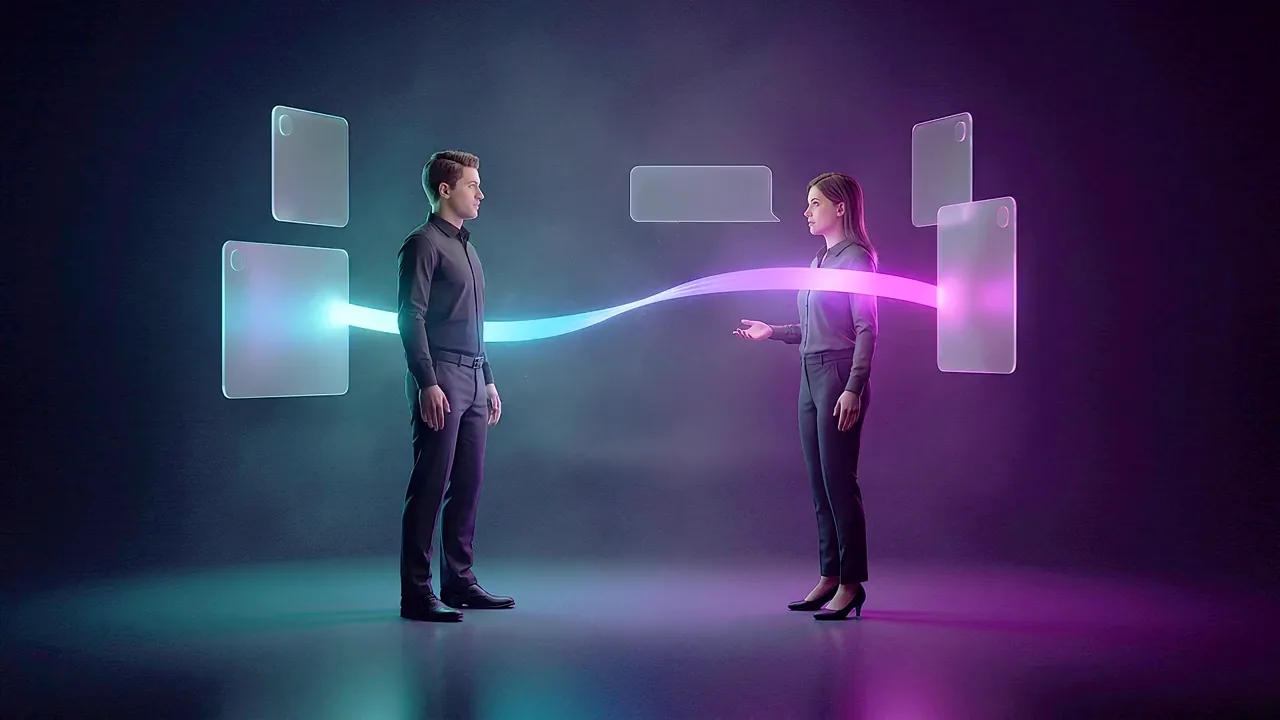
Built to run again, and to run in more than one language.
A pattern only earns its place if it survives the second session, and the one after that, in whatever language the room speaks.
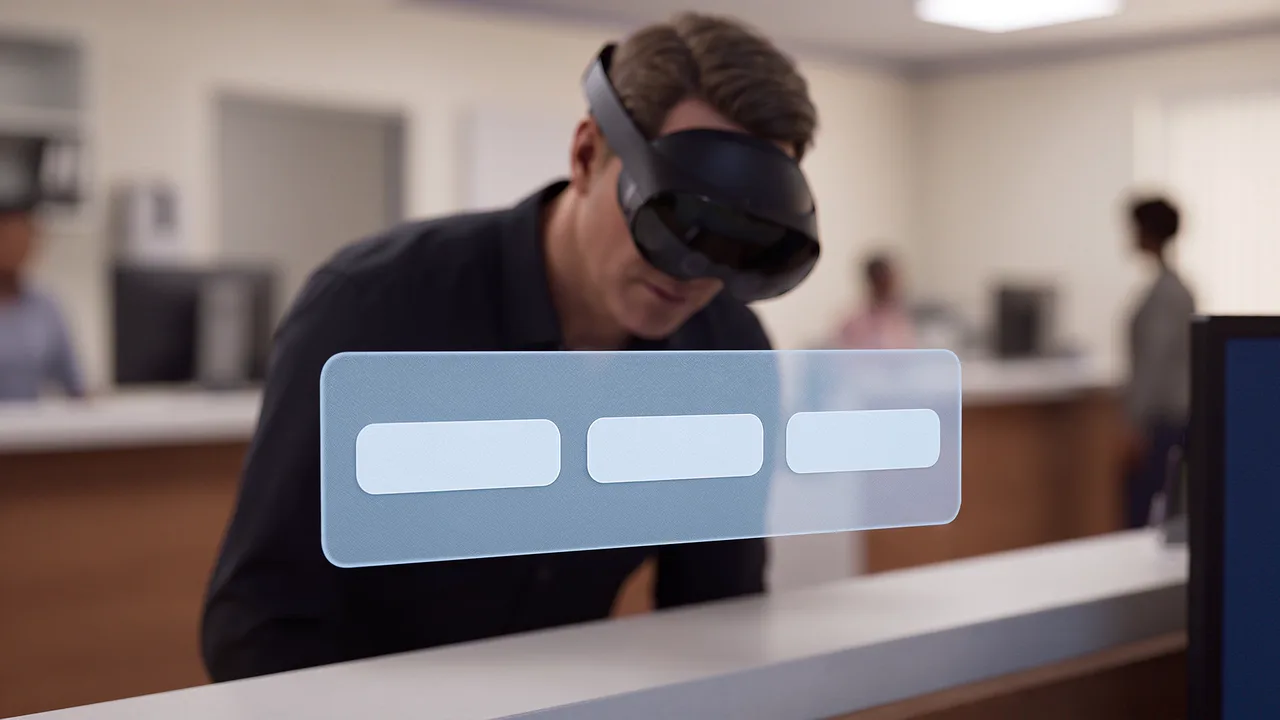
FACILITATION AND REVIEW
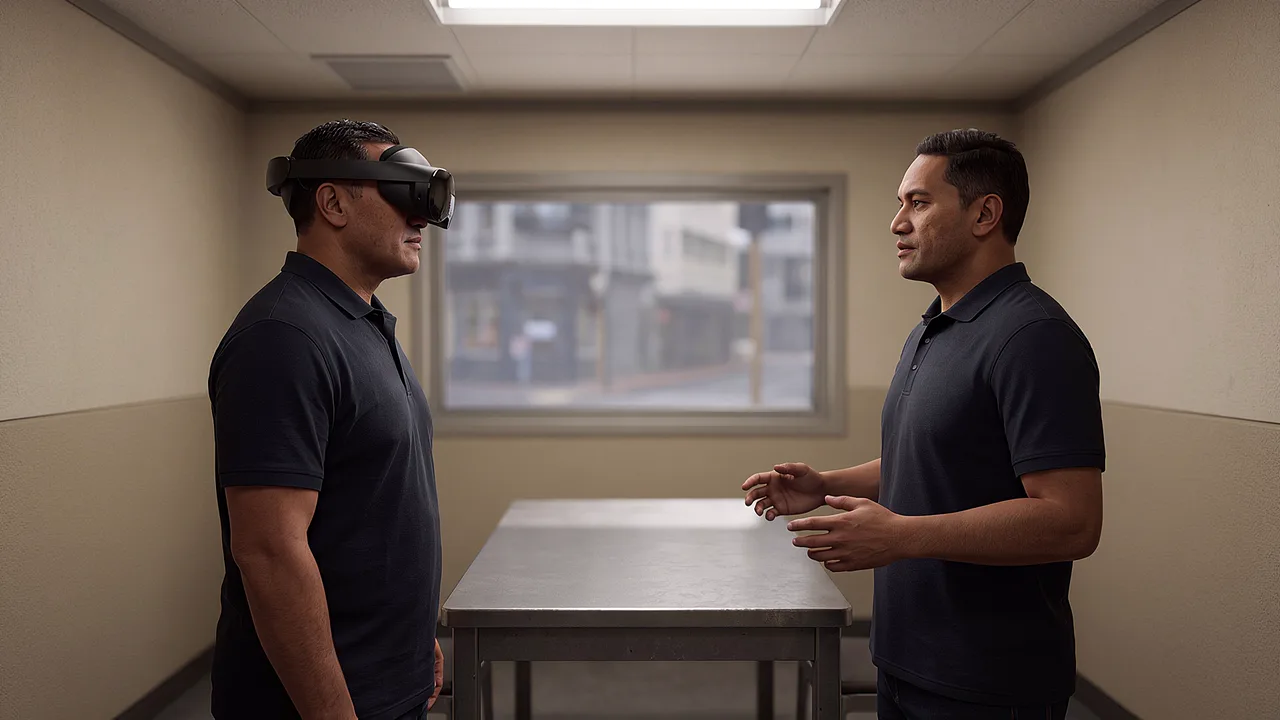
A session runs the same steps every time.
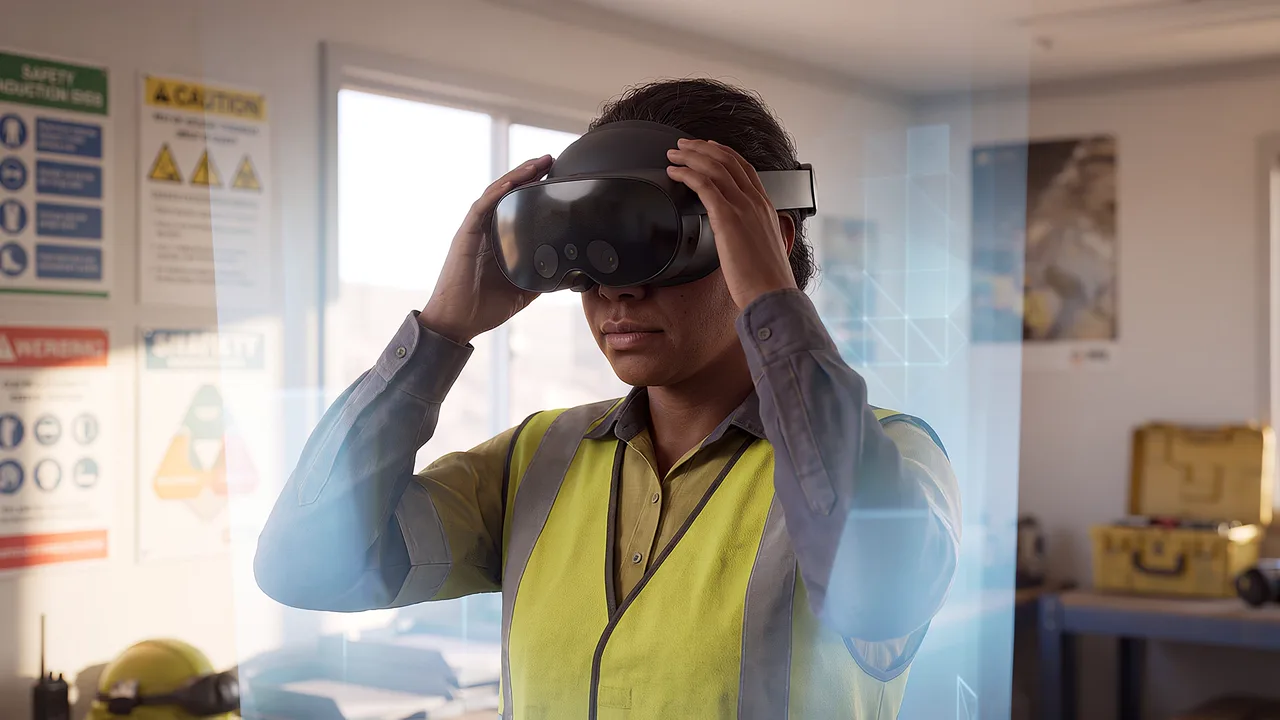
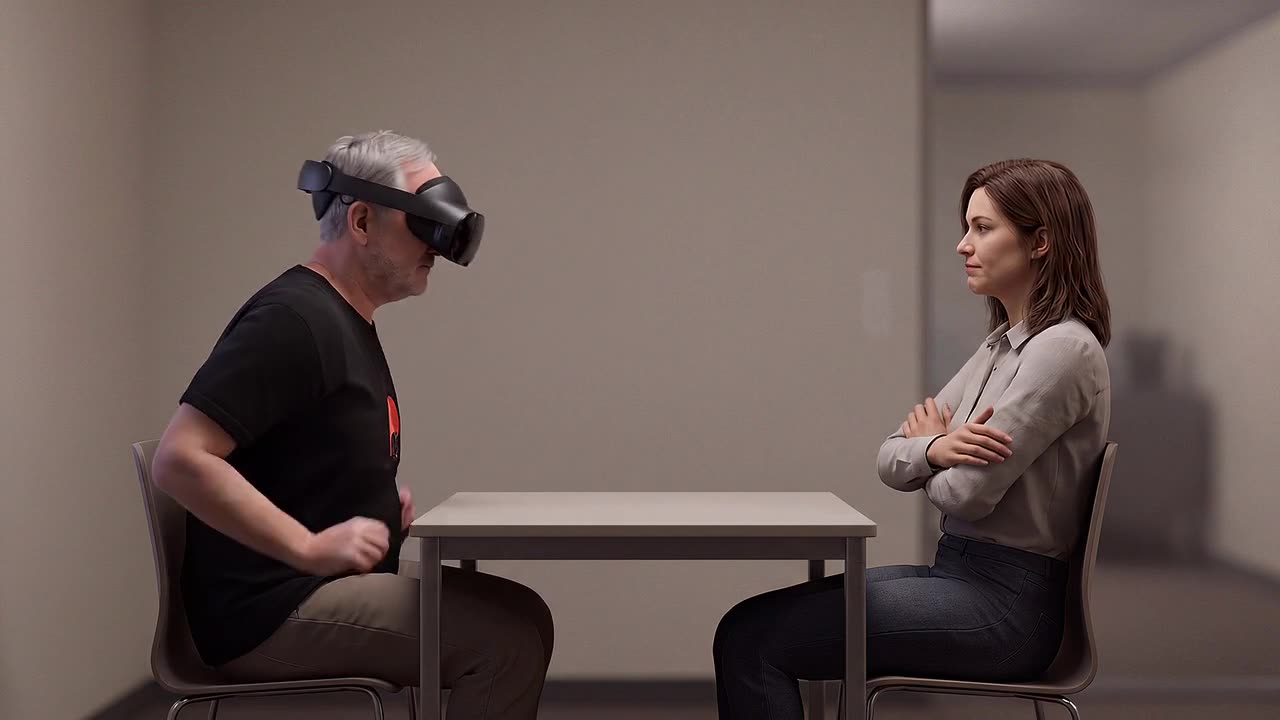
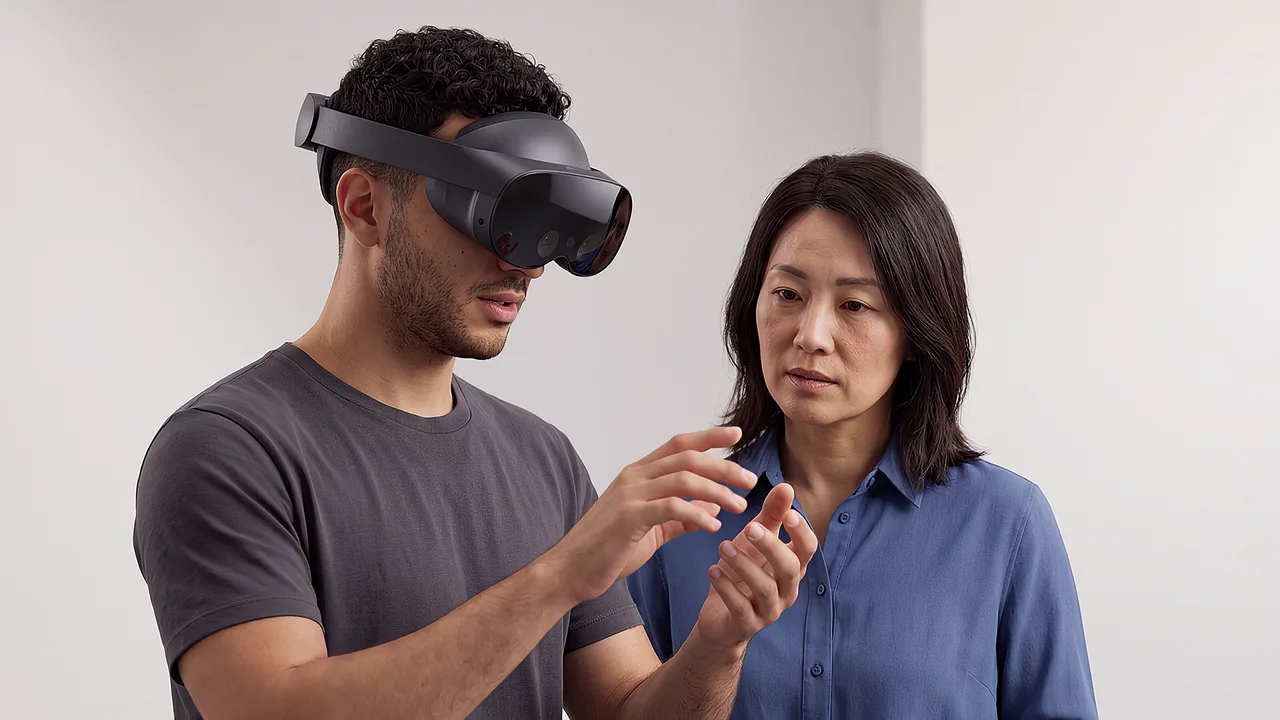
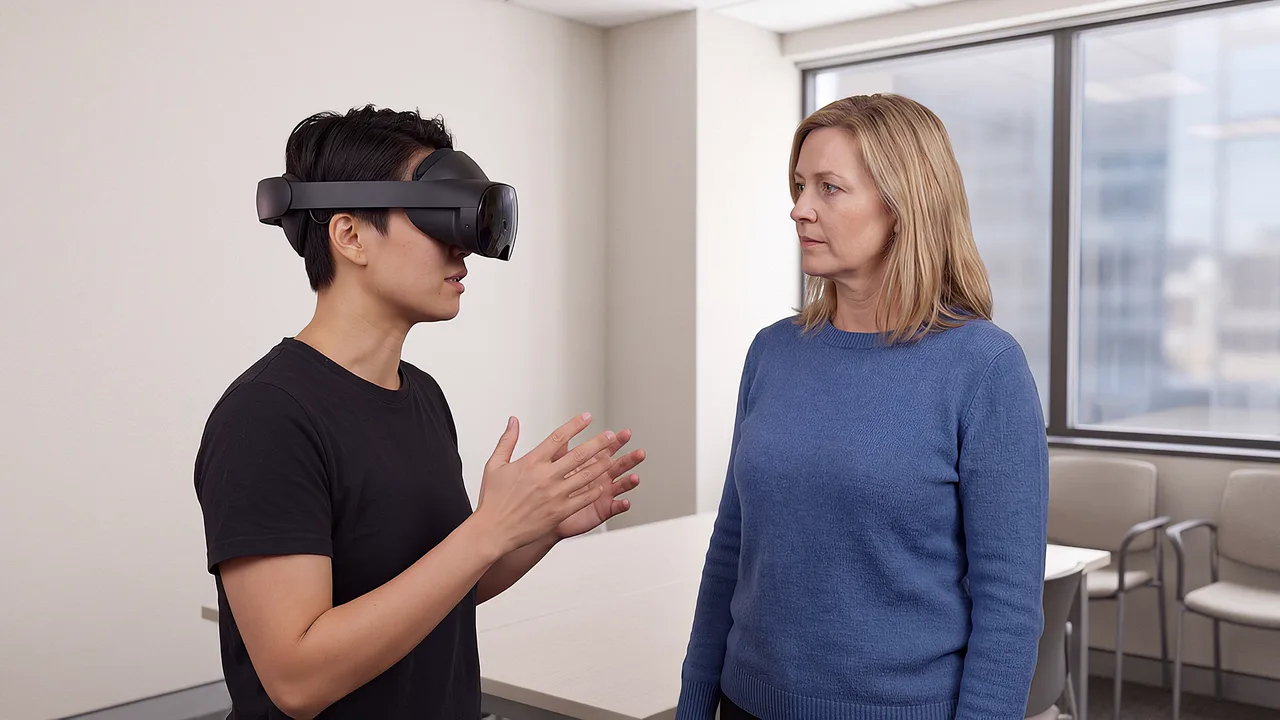
Set up, practise, watch, debrief, then go again. The scenario changes and the shape of the hour does not.
HOW WE BUILD
Which engines does PTR build XR in?
PTR builds VR, AR and MR in Unity and Unreal Engine, and in WebXR when an experience should open in a browser without an install. Native mobile, modern web and AI stacks carry the same scenario to a phone or a laptop.
Questions buyers ask
What do buyers ask before an XR program?
Short answers, each with a link to the full answer.
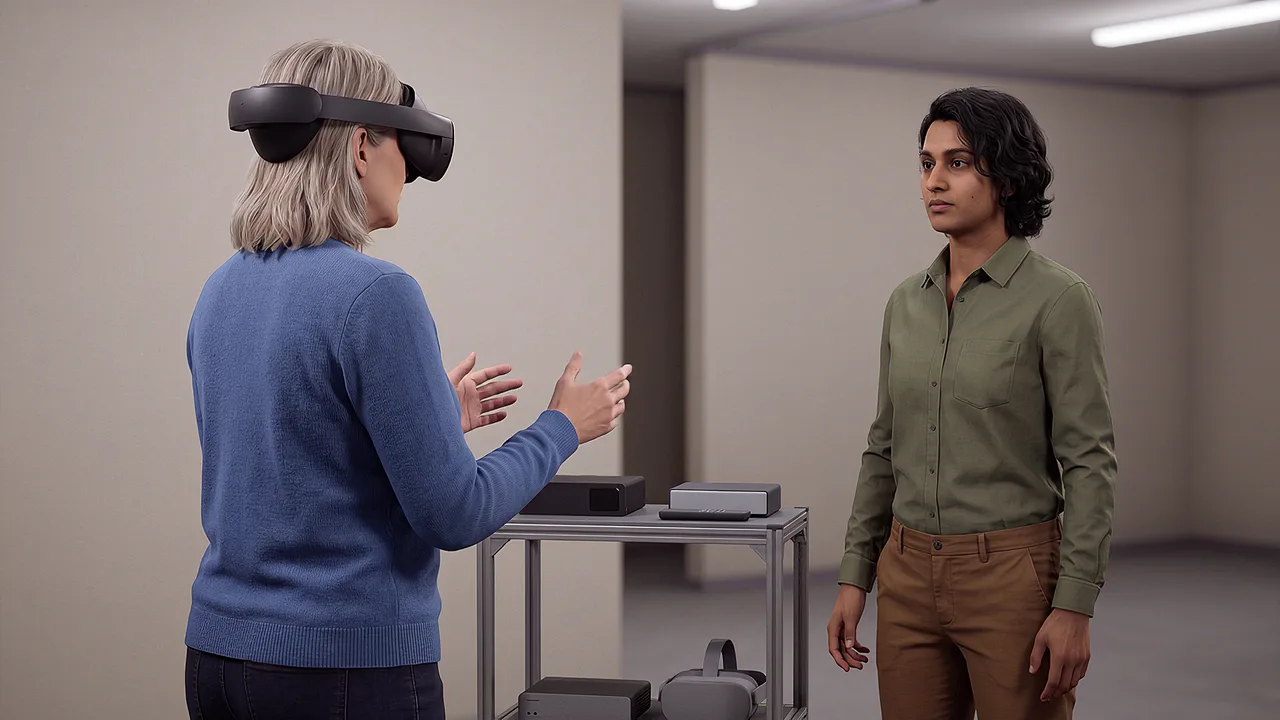
How does the training get onto our headsets?
PTR VR Library titles run on standalone headsets such as Meta Quest and PICO, and PTR agrees suitable hardware with you when a session is planned. A device manager such as ArborXR manages headsets across brands, and it lists People Tech Revolution with device support for HTC, Meta and PICO. Headsets and equipment covers accounts, wifi and the IT questions to settle before a session.
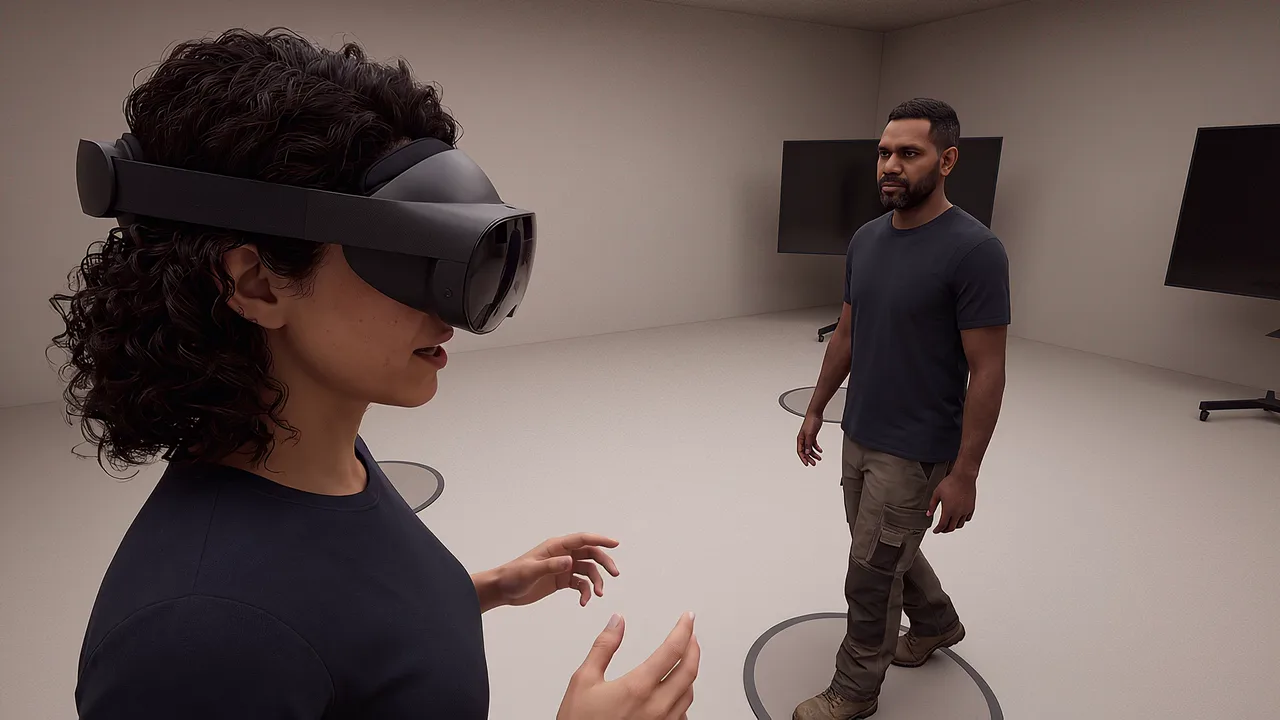
Do we need to buy headsets?
Sessions can run on headsets you already own, through a partner trainer, or with no headset at all, rehearsing with an AI roleplay partner in a browser. Who supplies headsets for a session PTR runs or joins is settled when the pilot is planned. Sessions run in turns, so a group needs fewer headsets than people. Headsets and equipment covers each route.
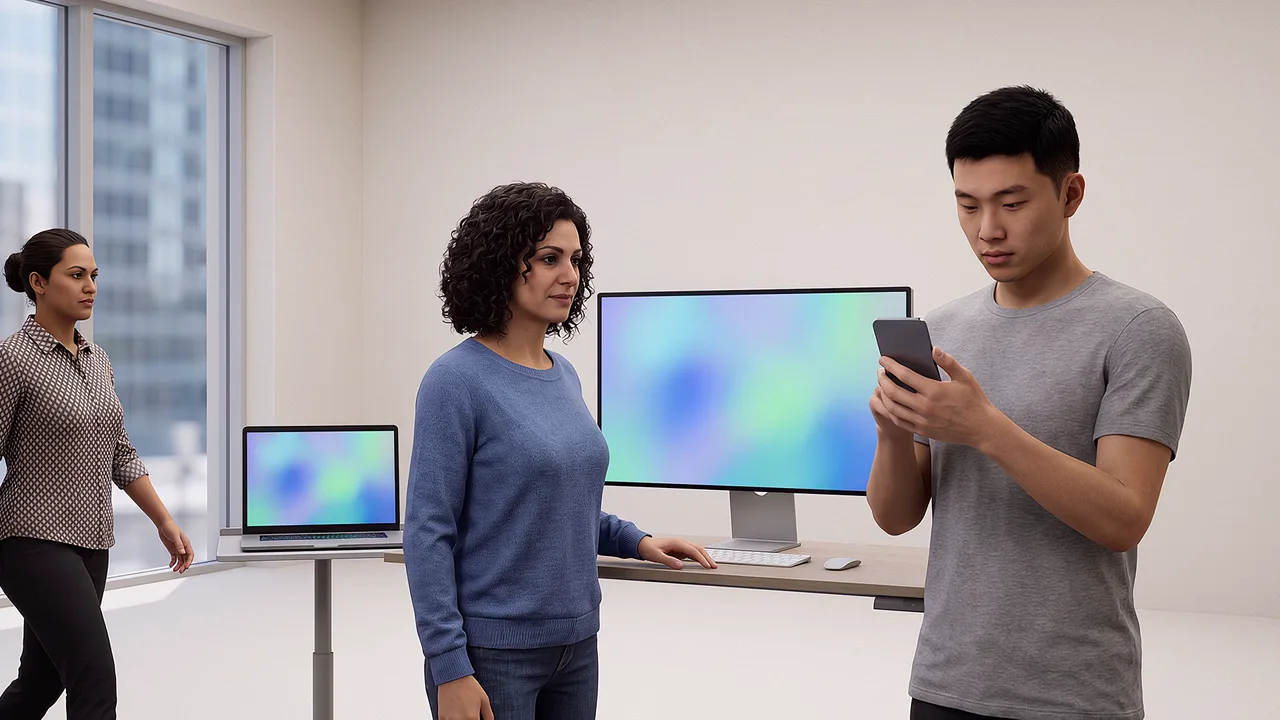
Does practice need a headset, or can staff use a browser?
The headset is the deepest version, and practice does not stop there. PTR’s practice, twin and augmented reality products run in a browser with no headset and no installation, and WebXR opens a scene in a browser without an install. Staff can rehearse with an AI roleplay partner on the laptop they already use. Choosing the right technology matches each option to the outcome you need.
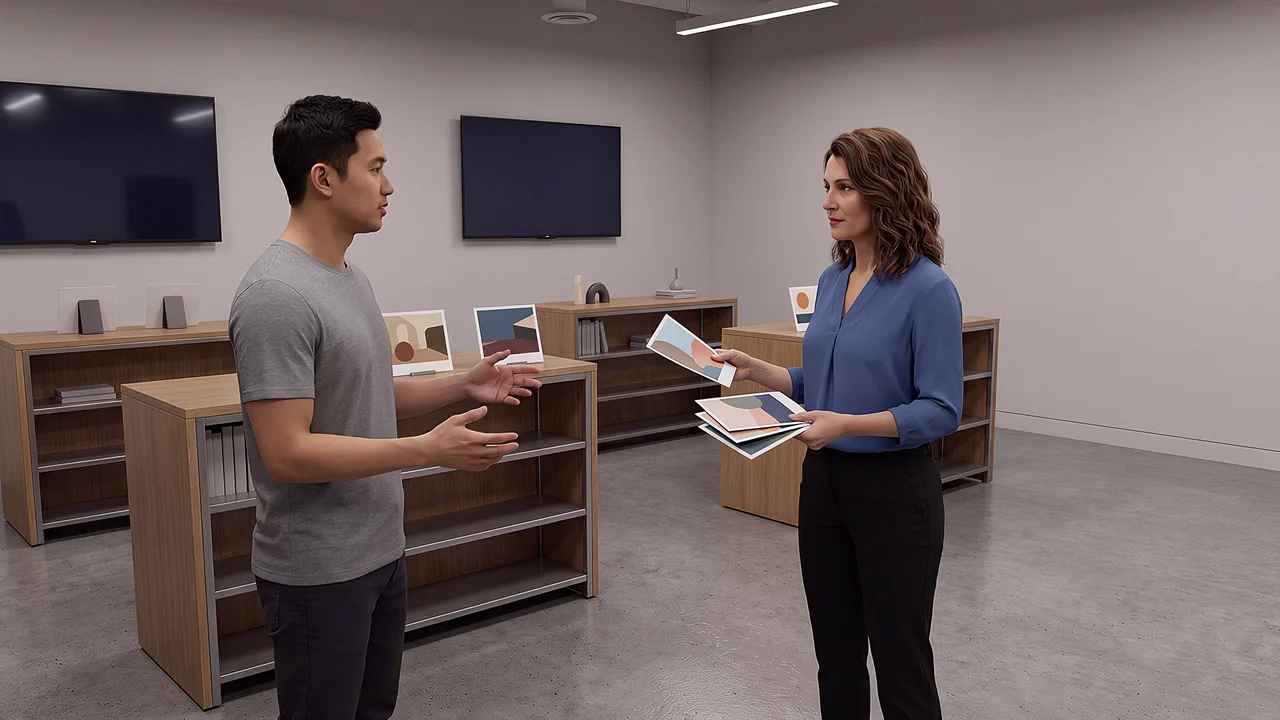
Should we use a library title or commission a custom build?
A PTR VR Library title is ready to run: each covers a conversation such as bias, discrimination or a sensitive request, inside a facilitated workshop. A custom build sets the scenario in recreations of your own spaces, written from the moments your staff describe. Compare the PTR VR Library with XR builds.
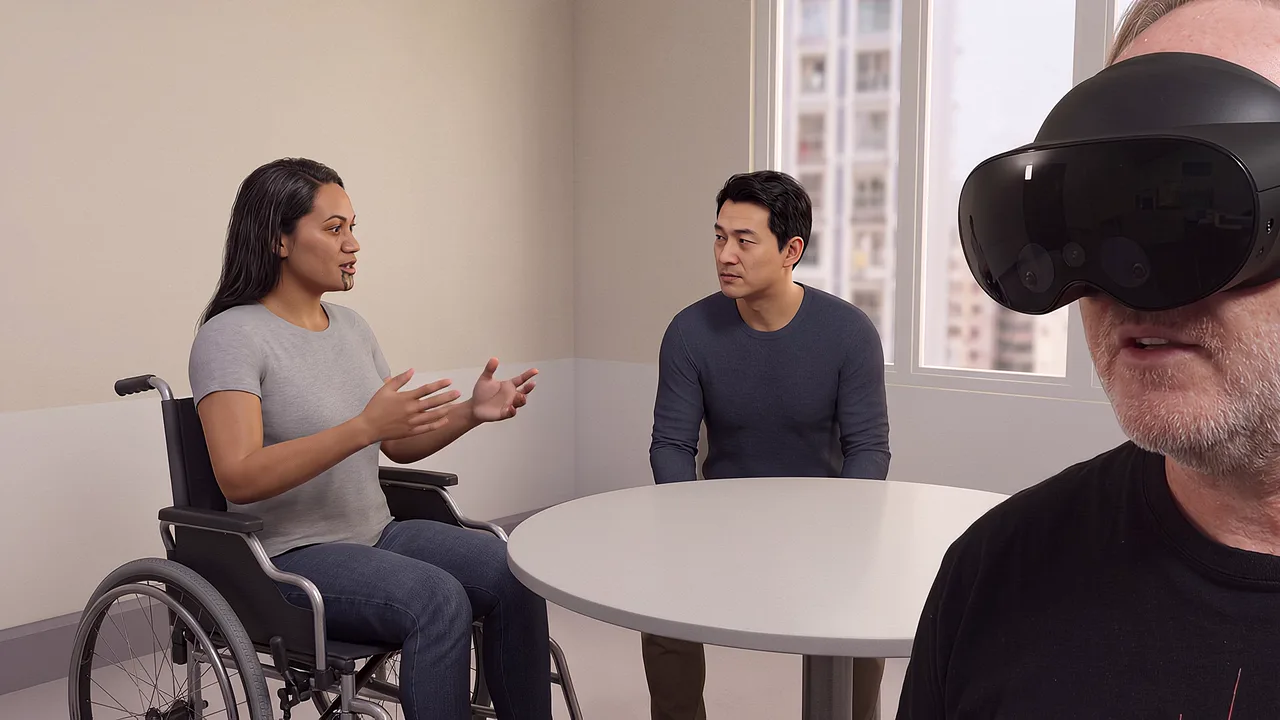
What makes a headset session comfortable?
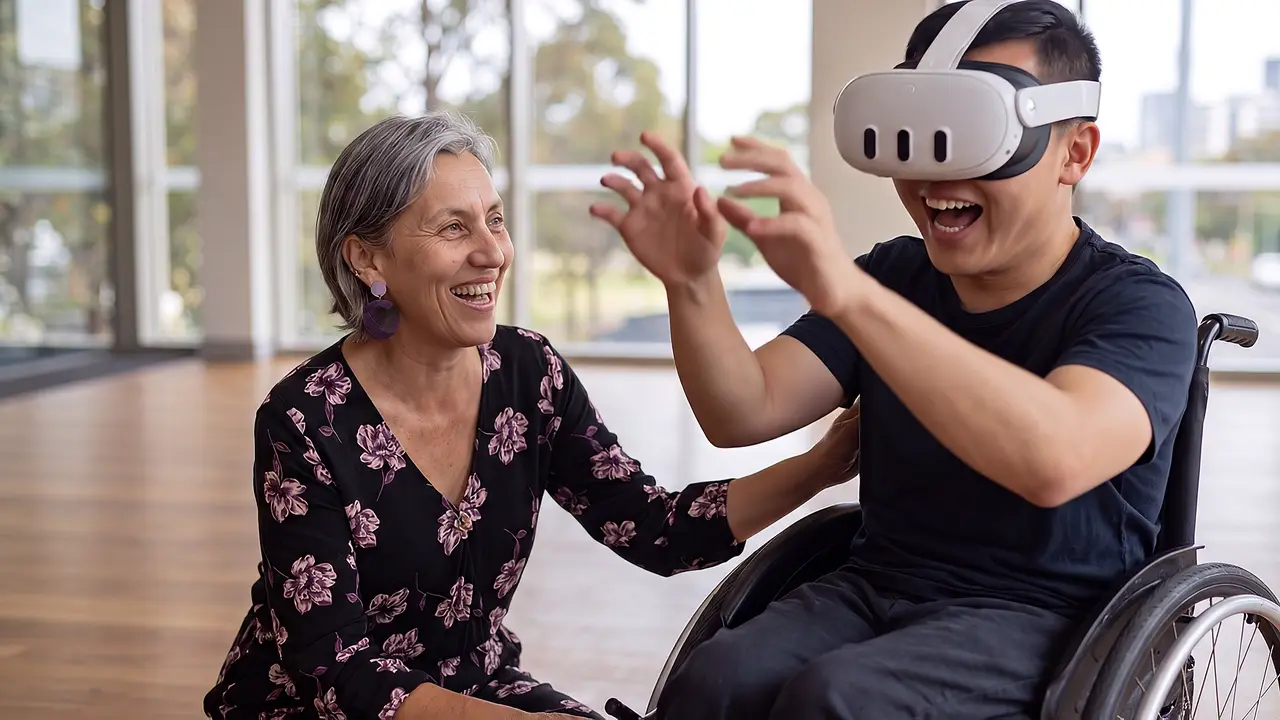
The library experiences use limited controller input, simple trigger pulls for people with mobility issues, limited movement and short scenarios that reduce eye strain. Motion sickness is less common in seated, slower-paced experiences, and glasses can usually stay on. A trained facilitator runs the debrief in the room. Governance and participant safety covers the rest.
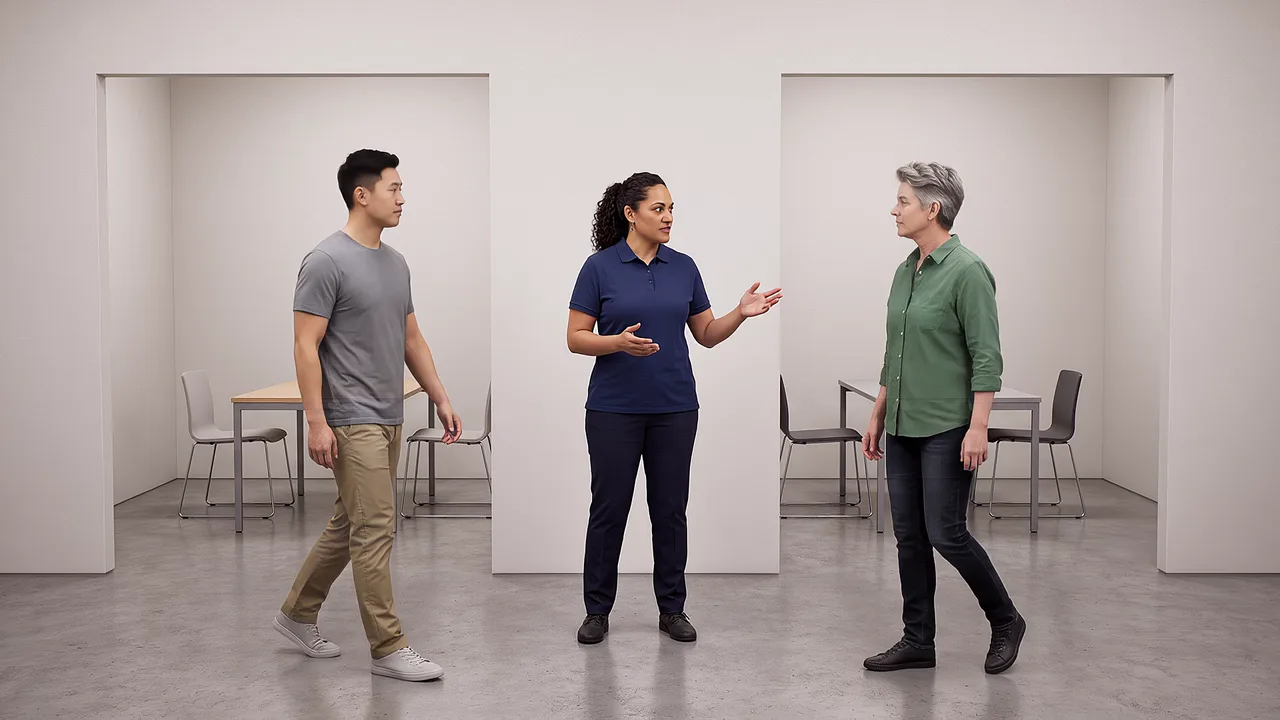
How does a session run?
A session follows the same steps each time: set up, practise with a counterpart who answers back, observe, debrief after the headset comes off, then try again. A trained facilitator runs the debrief, and the stages, roles and measures of a pilot are agreed up front. How a pilot runs walks through each stage.
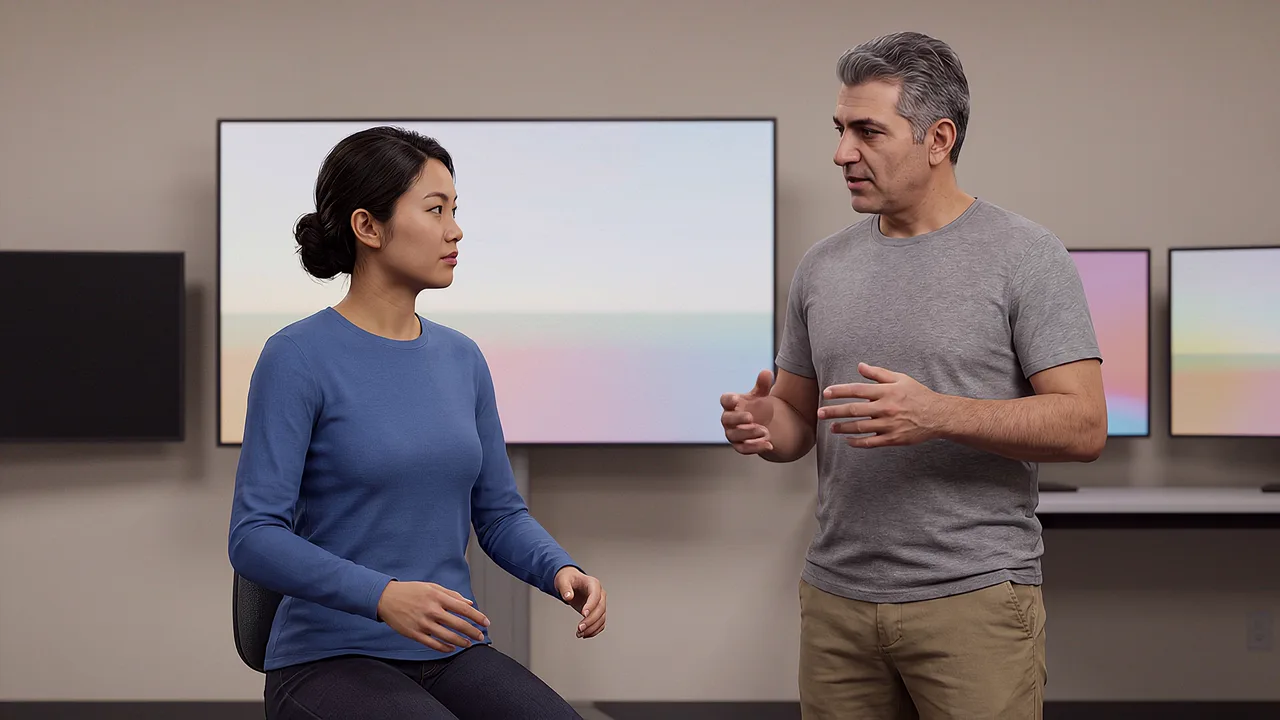
What does the research say about VR training?
Controlled studies report measurable gains. In the Mayo Clinic trial, empathy scores rose further in the trained group than in a control group, and a meta-analysis of VR in teacher education reports a positive moderate effect. The studies measure change in the people trained, so track incidents beside the training record. Does VR training work? covers each study.
Bring us the scenario your team needs to rehearse.
Next