Learn
XR and AI, explained simply
Extended reality, artificial intelligence and rapid prototyping each cover several different things at once. These guides define each one, compare the formats side by side, and mark where each fits and where it does not.

Written for the people who have to choose
These guides are for the people choosing technology in healthcare, government, education and enterprise, with the limits stated as plainly as the benefits. Each one is short, defines its term, and ends with the questions that decide whether it is the right fit.
XR basics
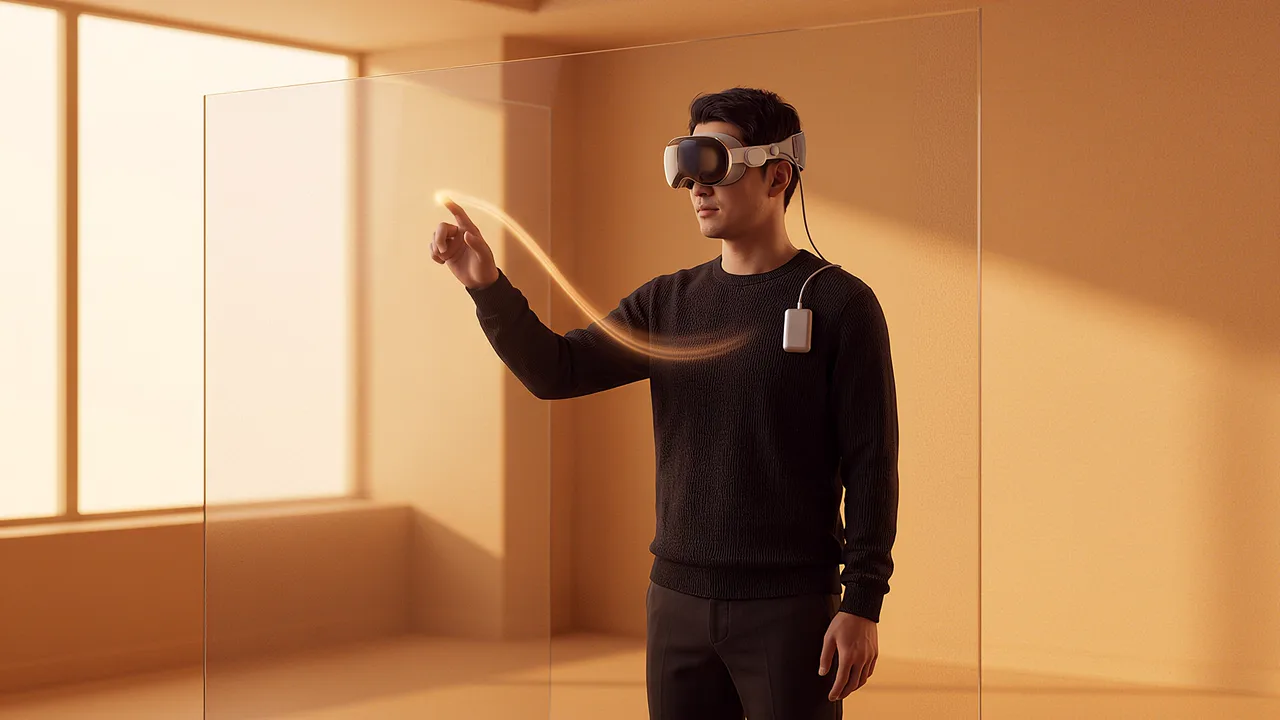
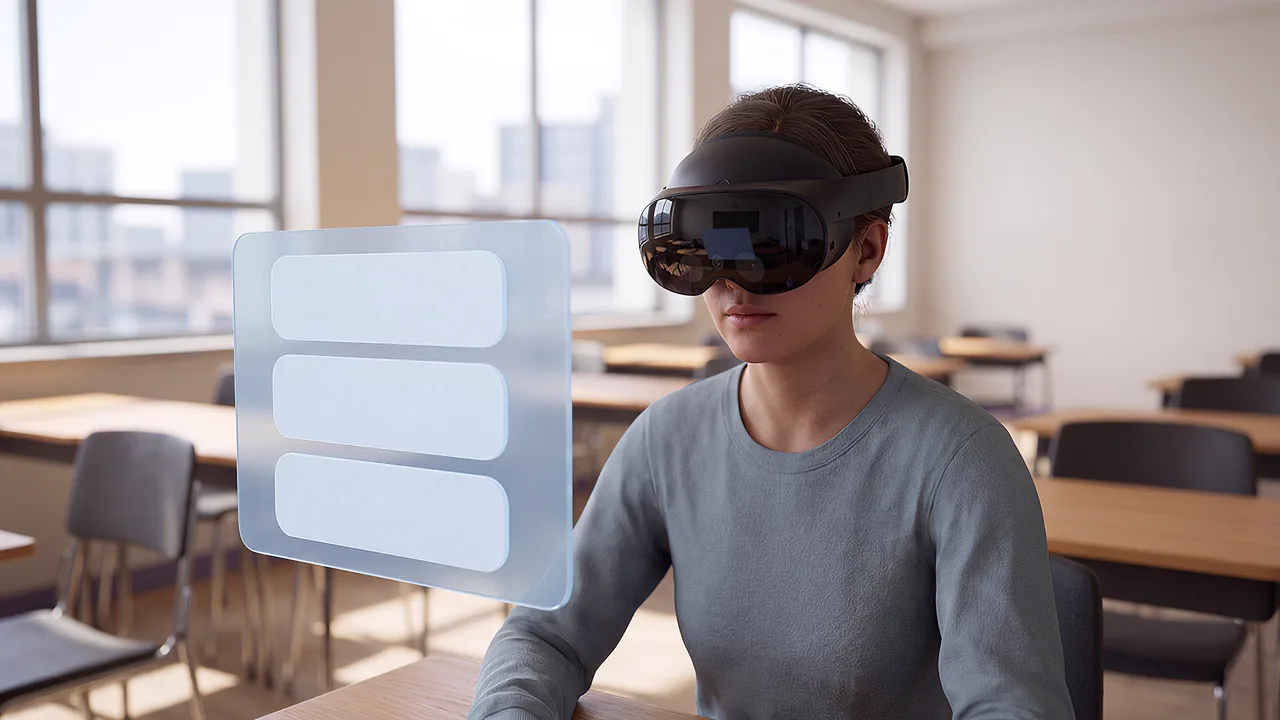
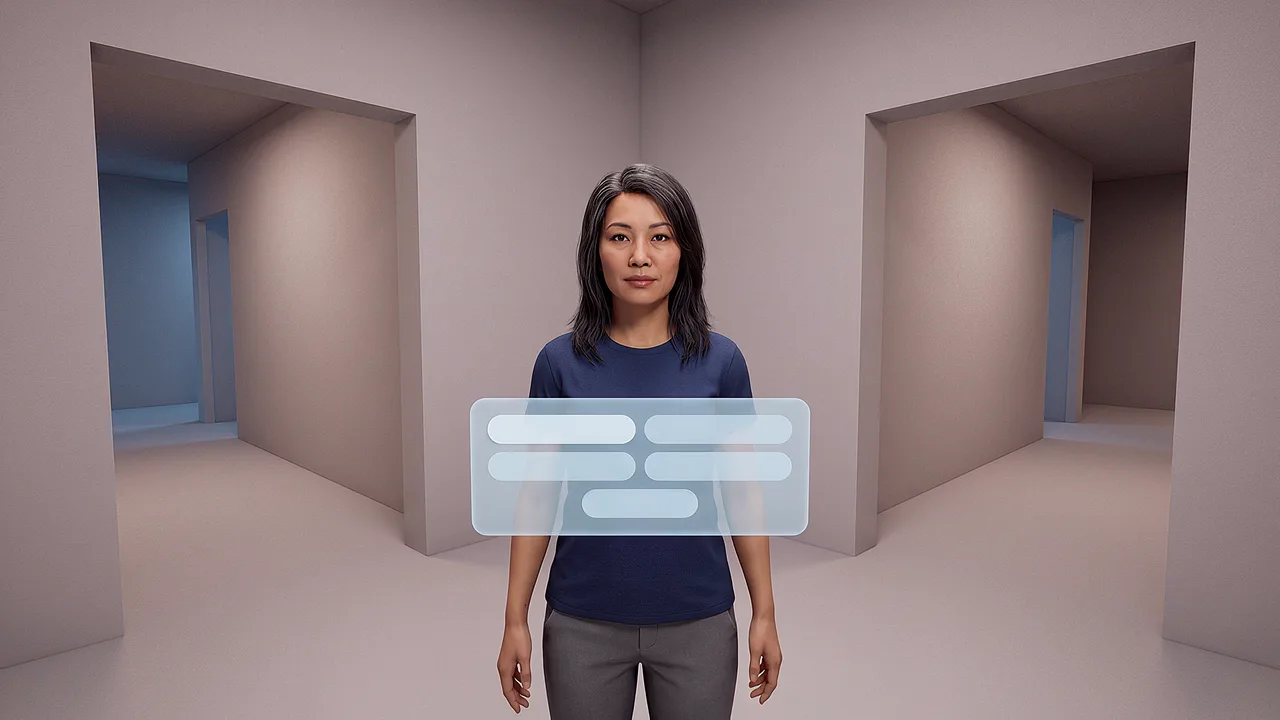
Extended reality runs from a digital label on a phone screen to a room that has been replaced entirely. The guides below take one format each.



AI basics
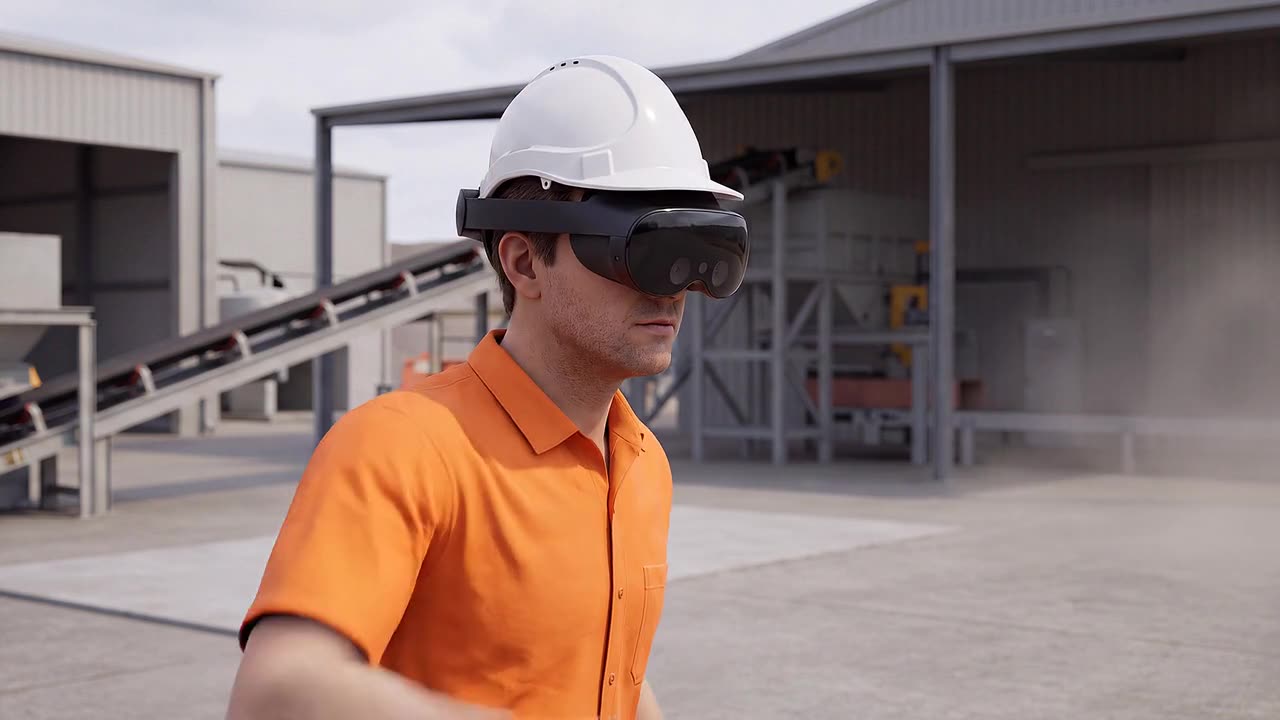
AI means systems that learn patterns from large amounts of data, then use those patterns to write text, sort information, recognise an image or suggest a response.
The guides below cover what that does well, where it fails, and what a digital twin is.

Comparing and deciding
Start with the outcome, then where the audience will use it, then the devices and systems already in place.
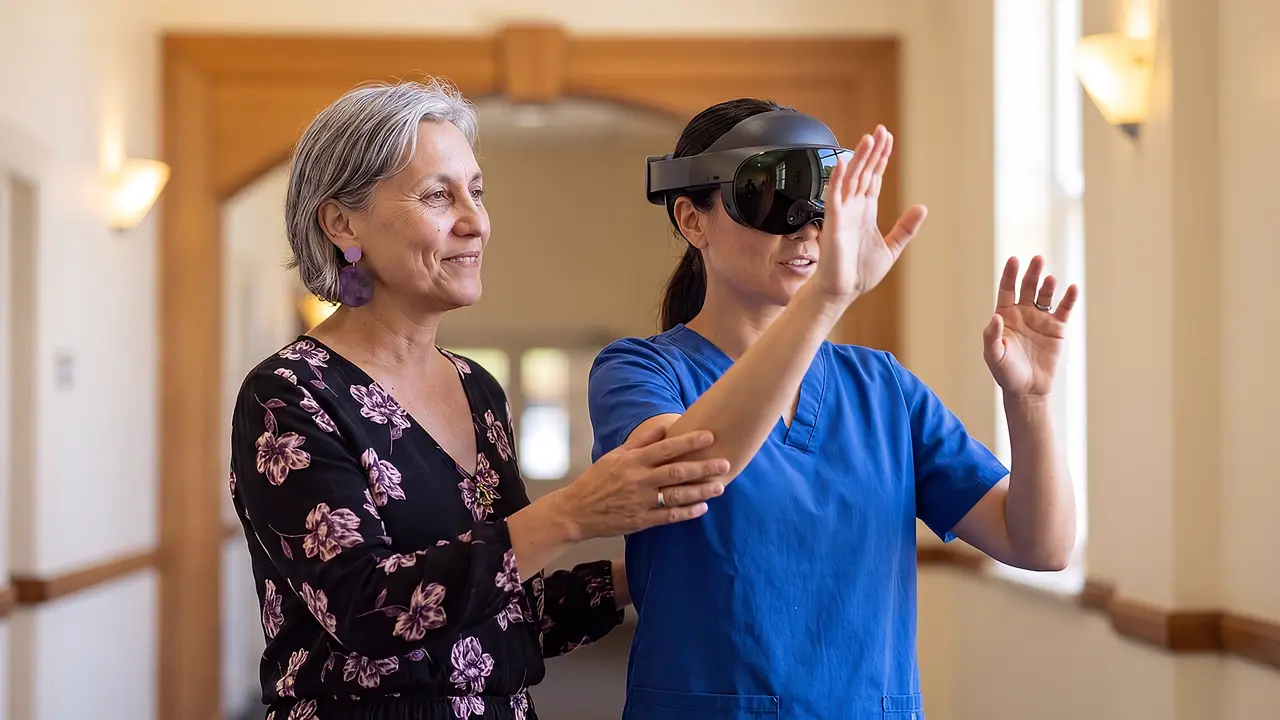
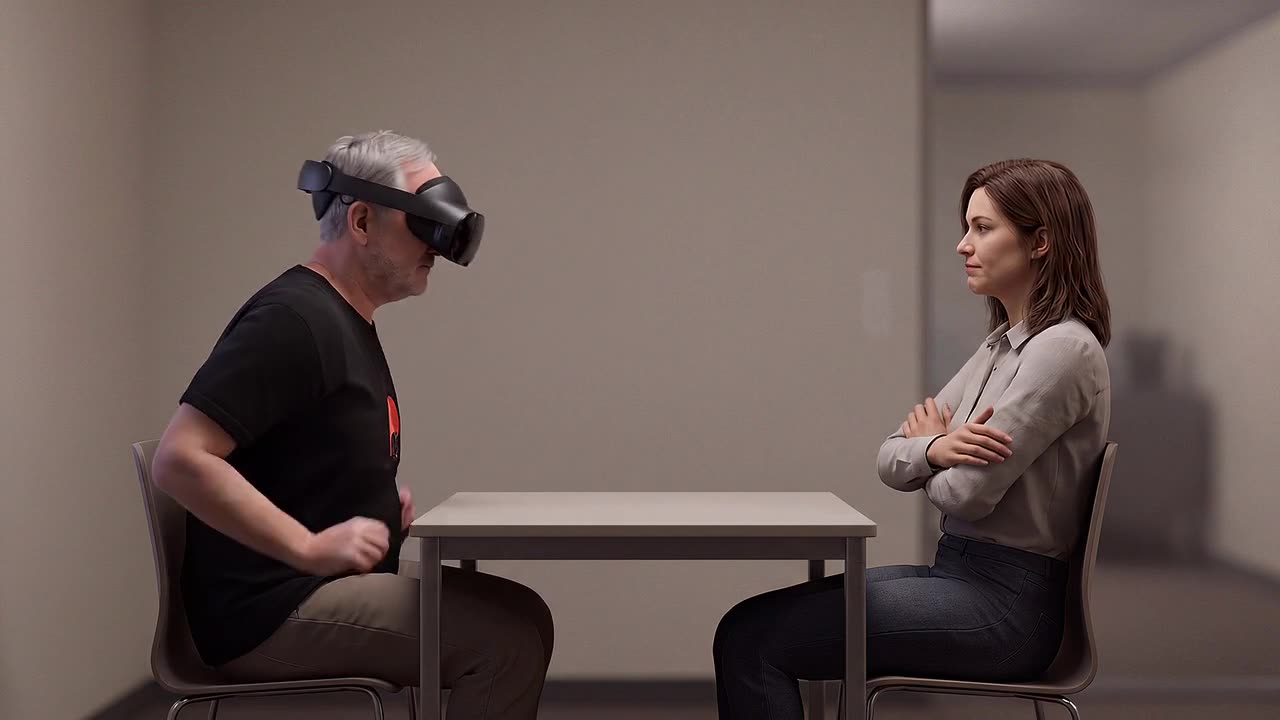
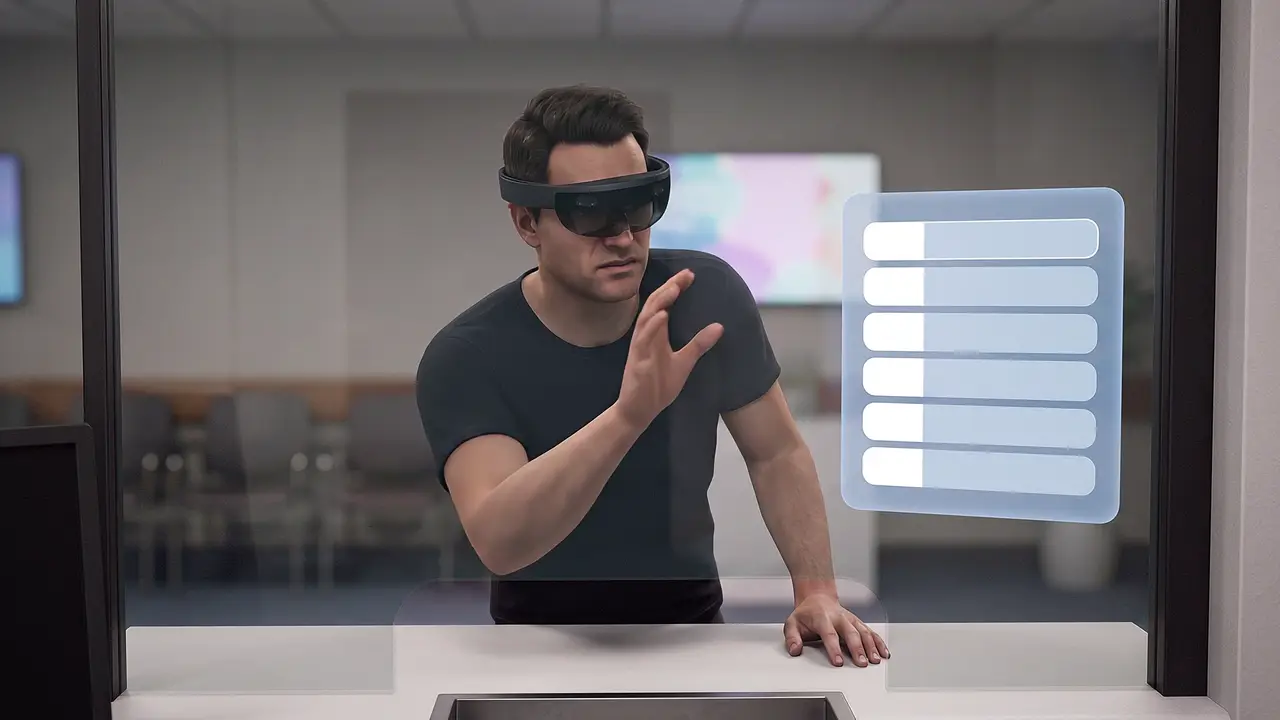
The conversations staff rehearse
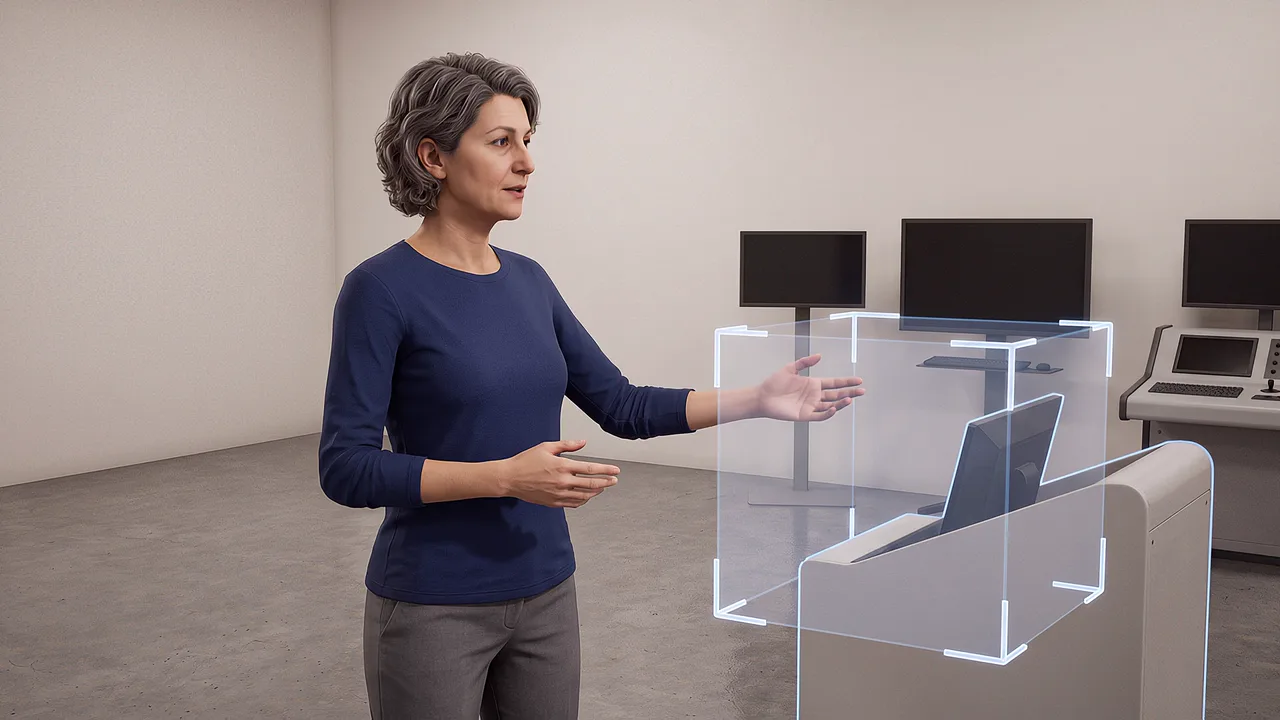
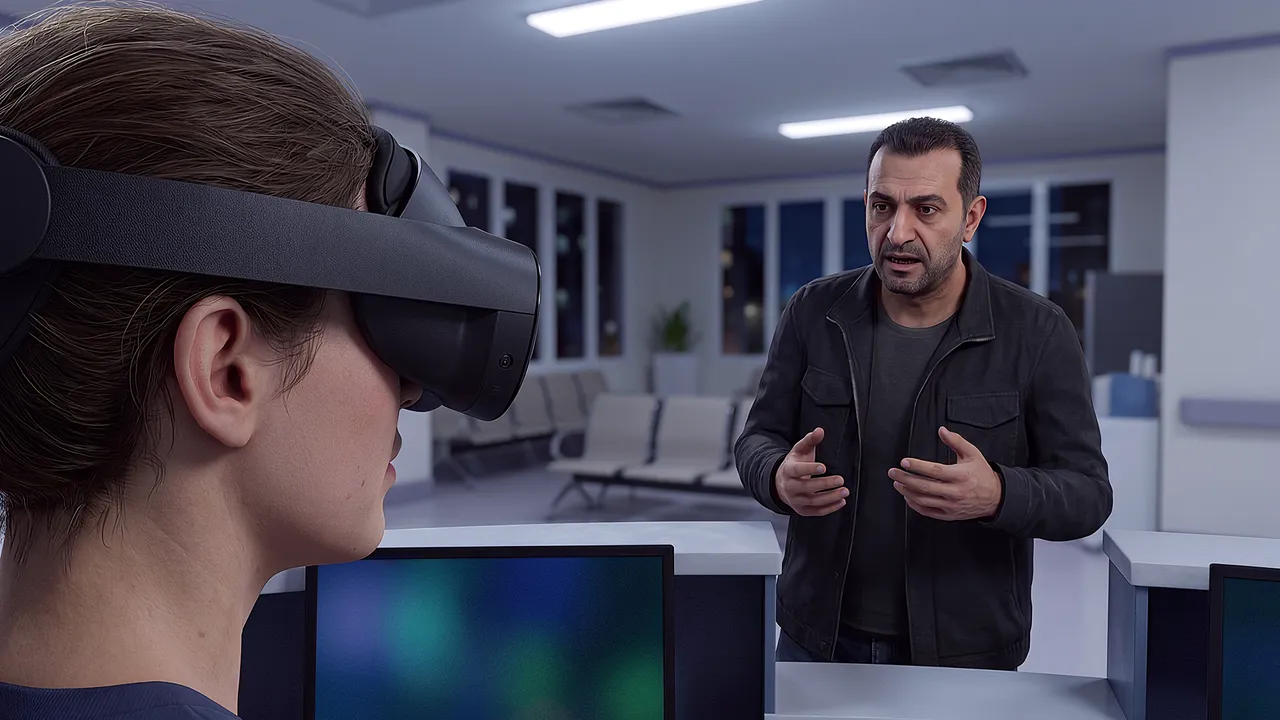
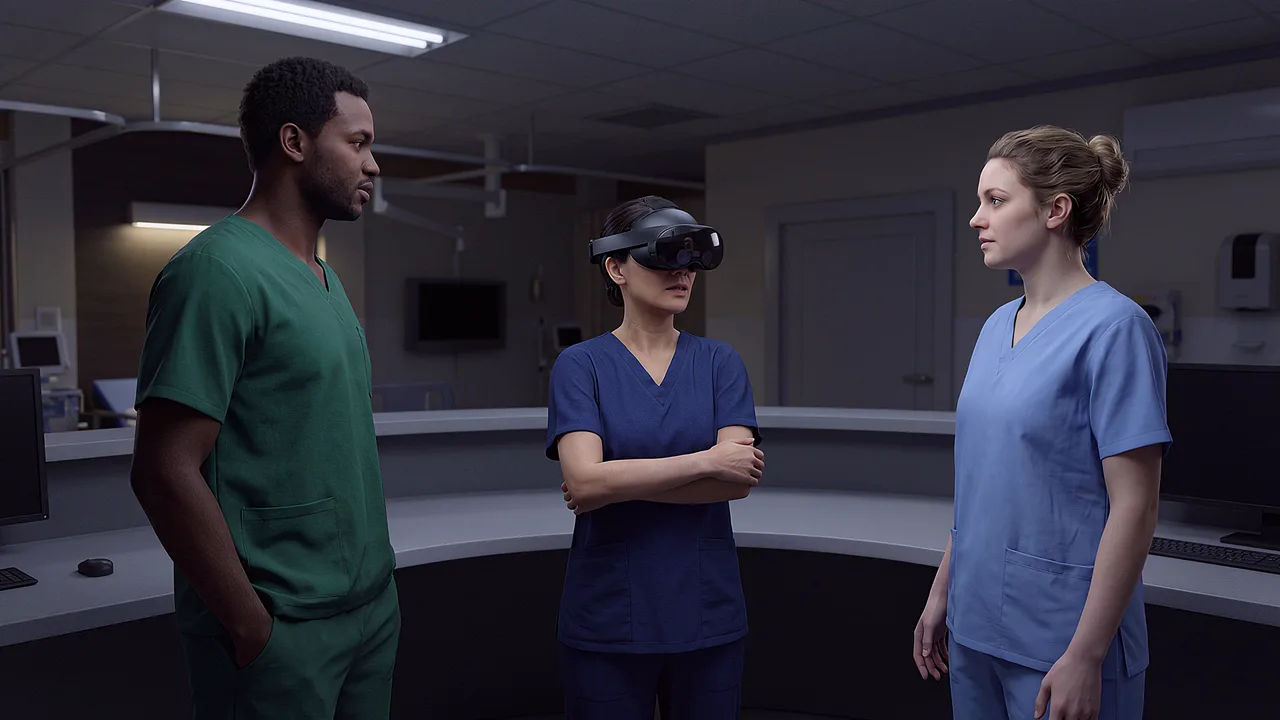
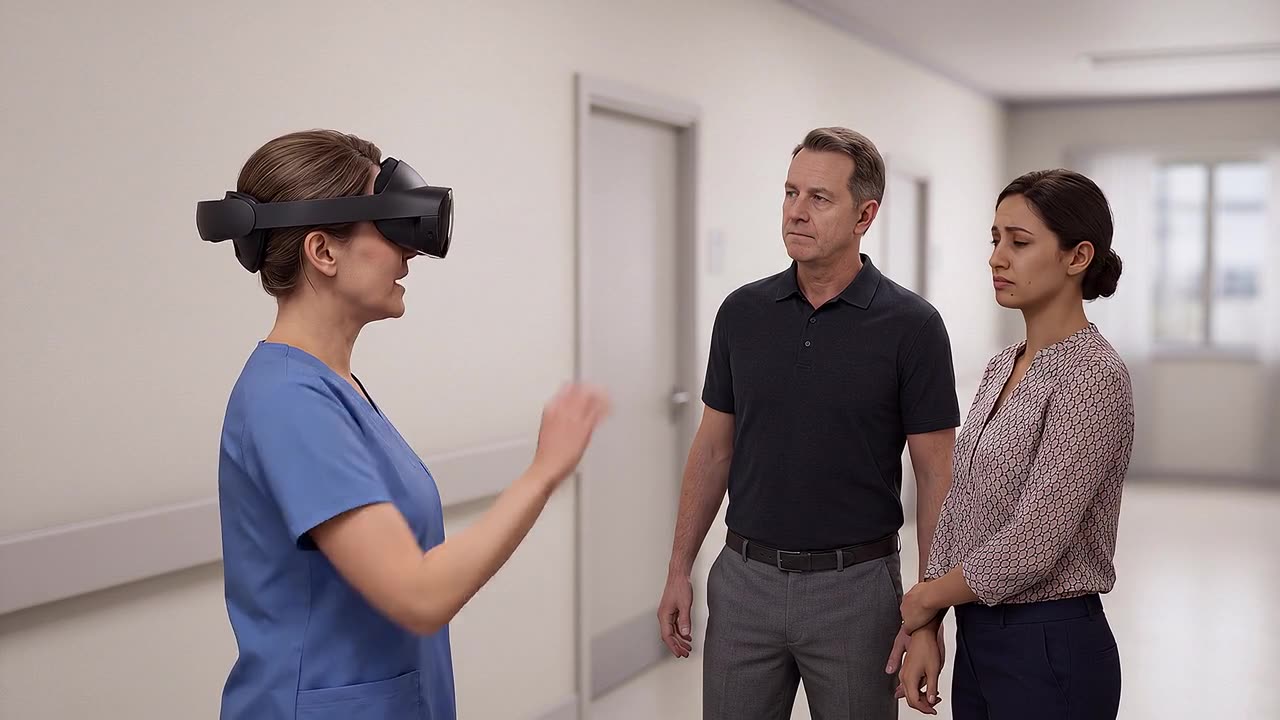
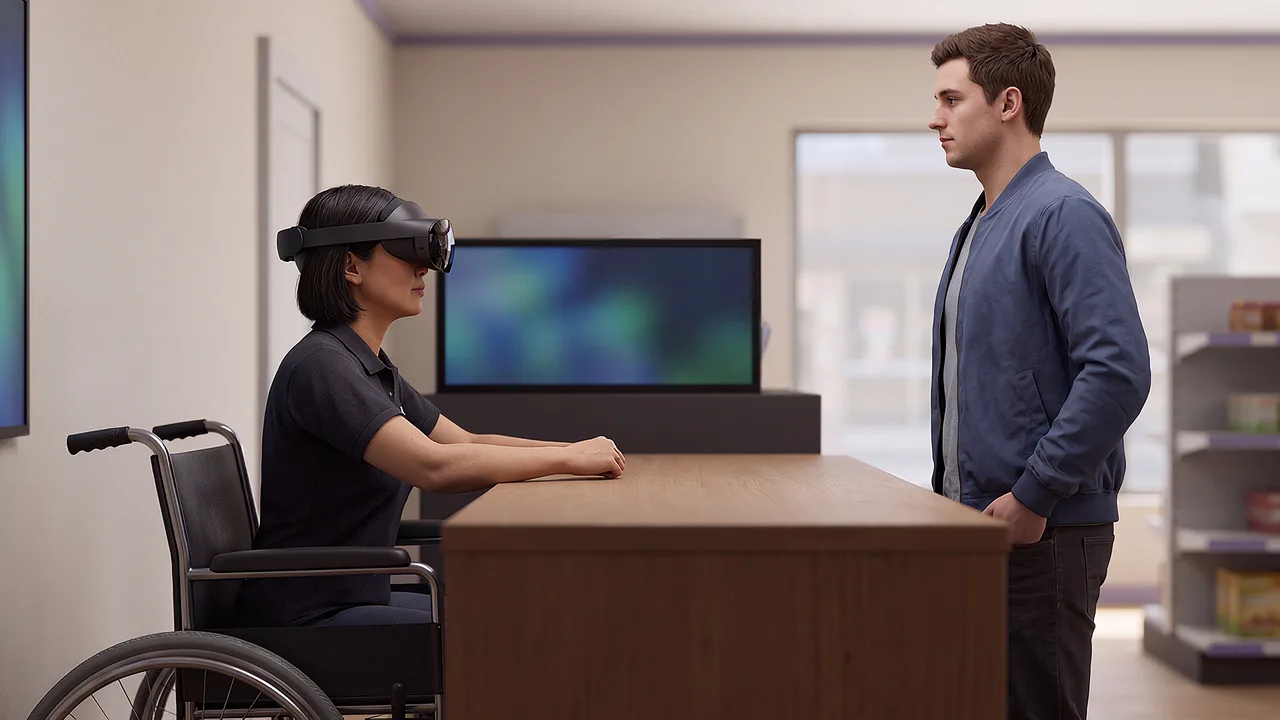
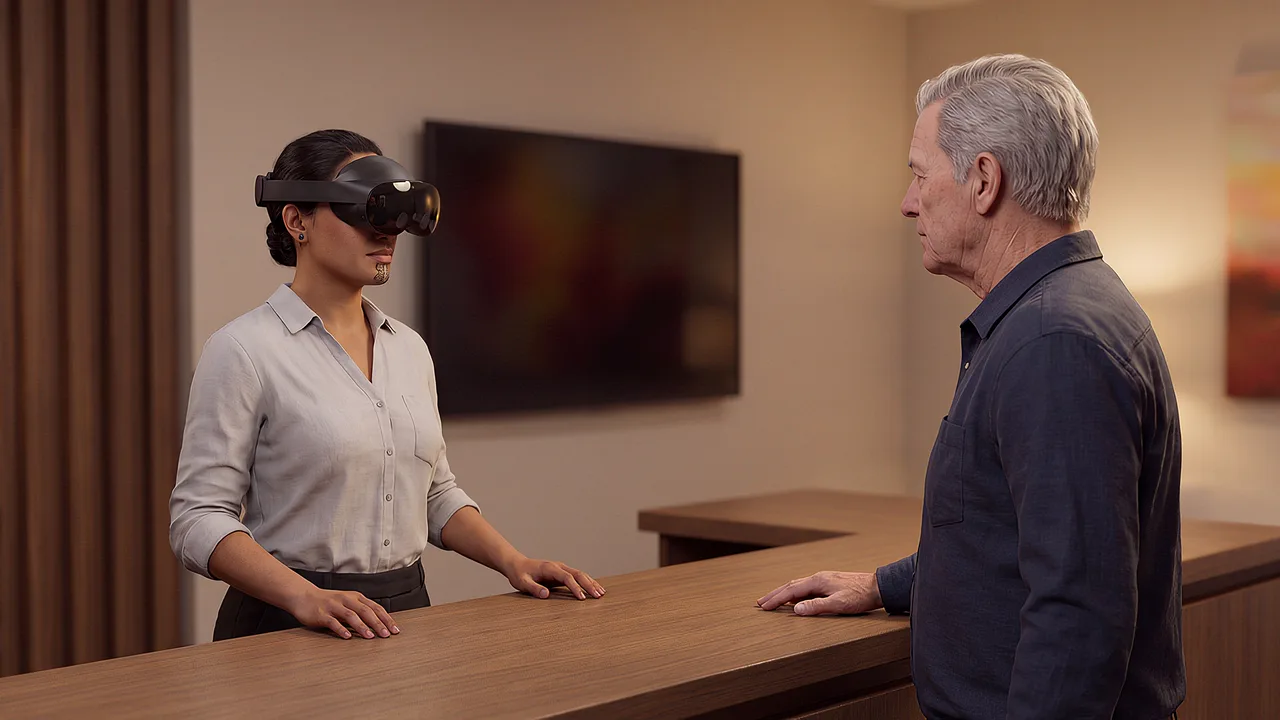
Speaking up, hard conversations, the council counter and the support worker’s shift. Each guide sets out the rules and how to design the rehearsal.


And the question that comes before the technology
Nobody has a virtual reality line in their budget. Every build PTR has delivered was paid for out of money already committed to something else, and the precedents are written up in one place.
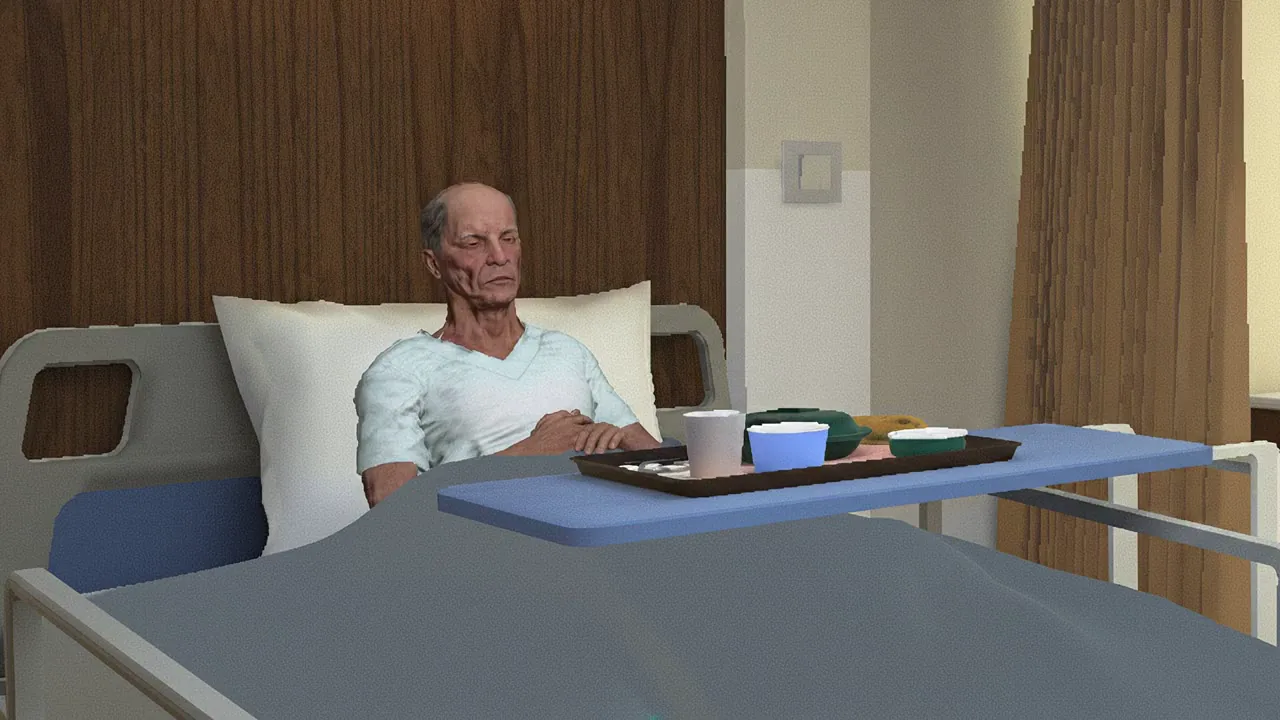
The two lines every Australian hospital is assessed against
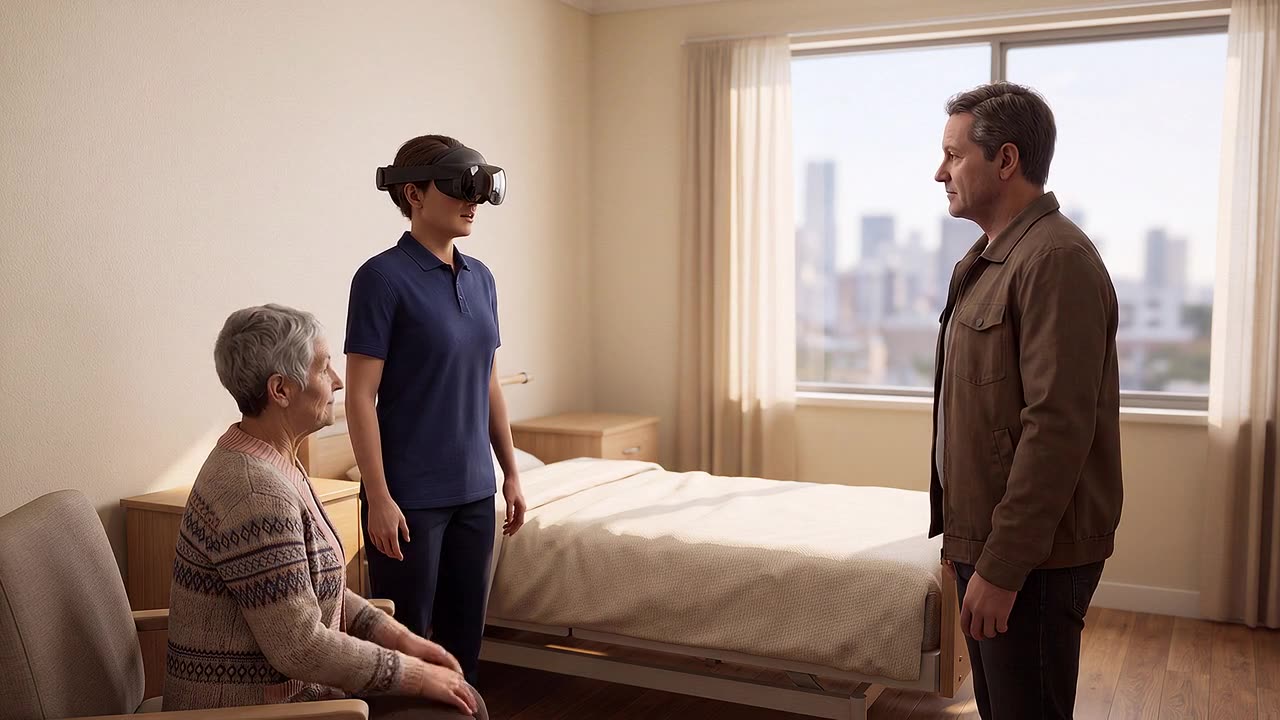
The national standards a hospital is accredited under have one action about mandatory training and one about aggression at the bedside. Both are explained in the Commission's own words, with the source.

What a reviewer and a developer each ask for next
One page carries the identifiers, the processing locations, the consent position and the documents a procurement, clinical governance or security reviewer reads. Another carries the widget embed, its events, the machine-readable site and the PTR API and SDK.
Where the ideas on this hub turn into rooms
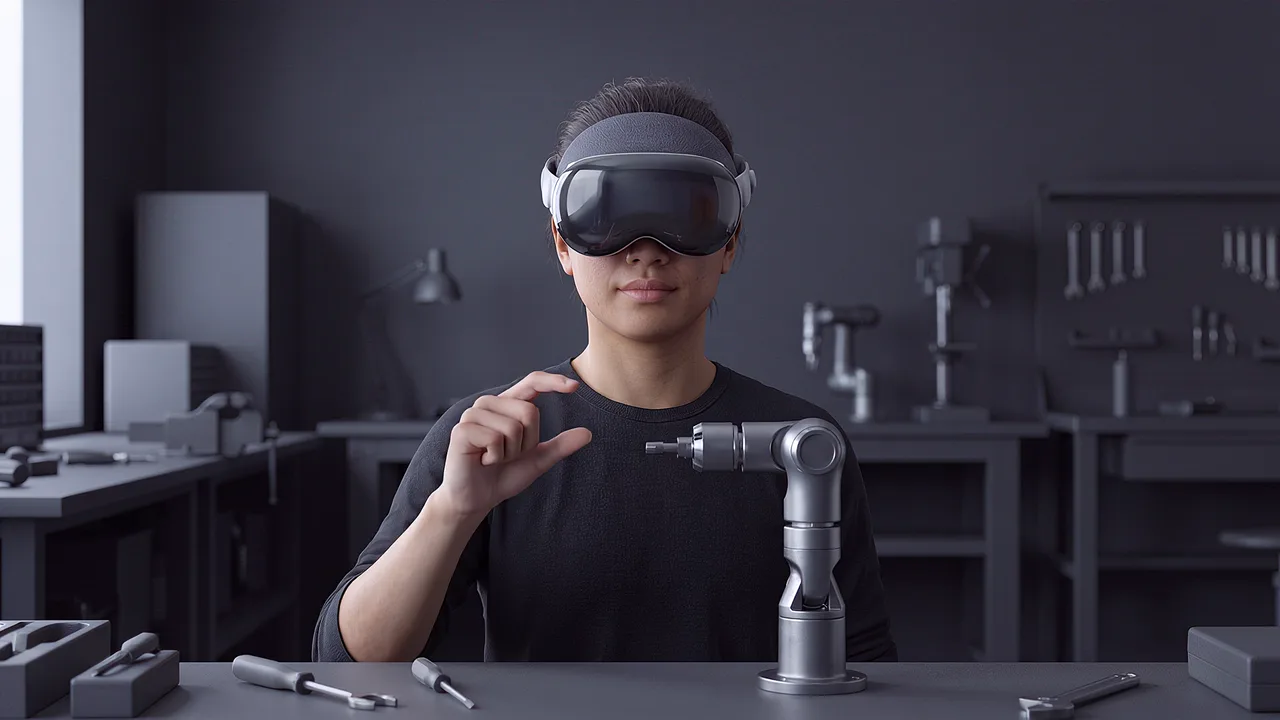
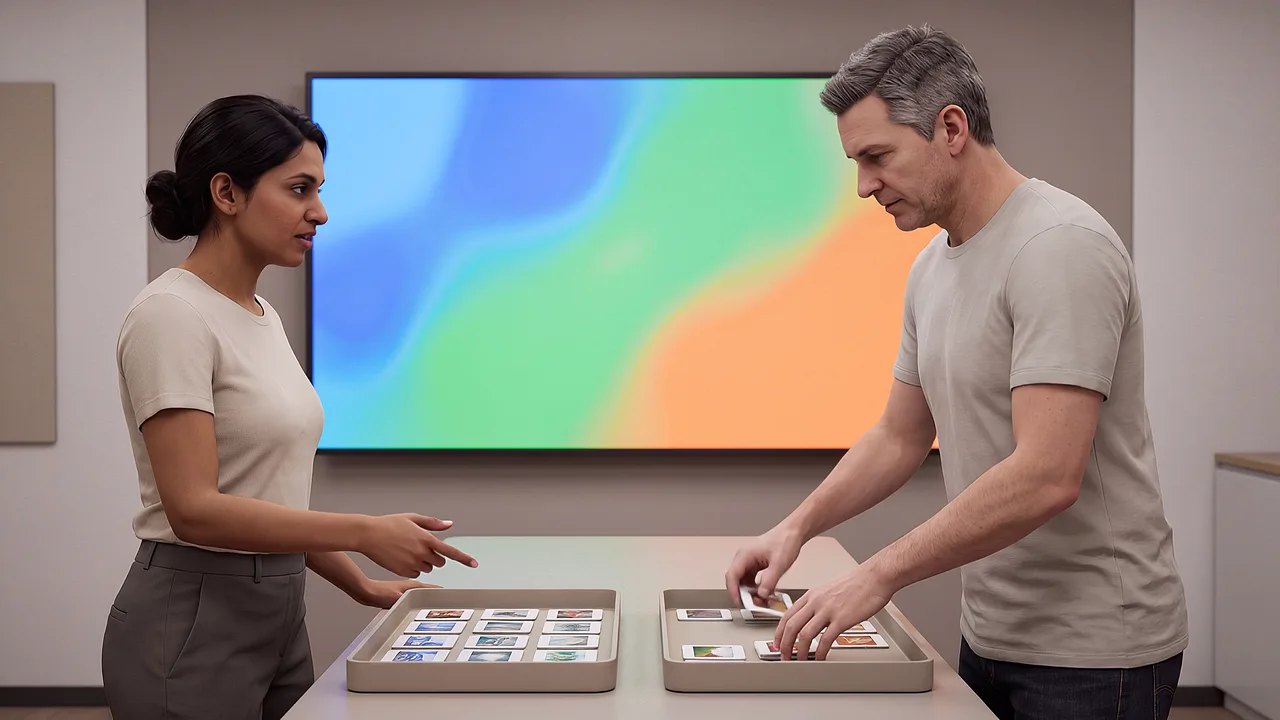
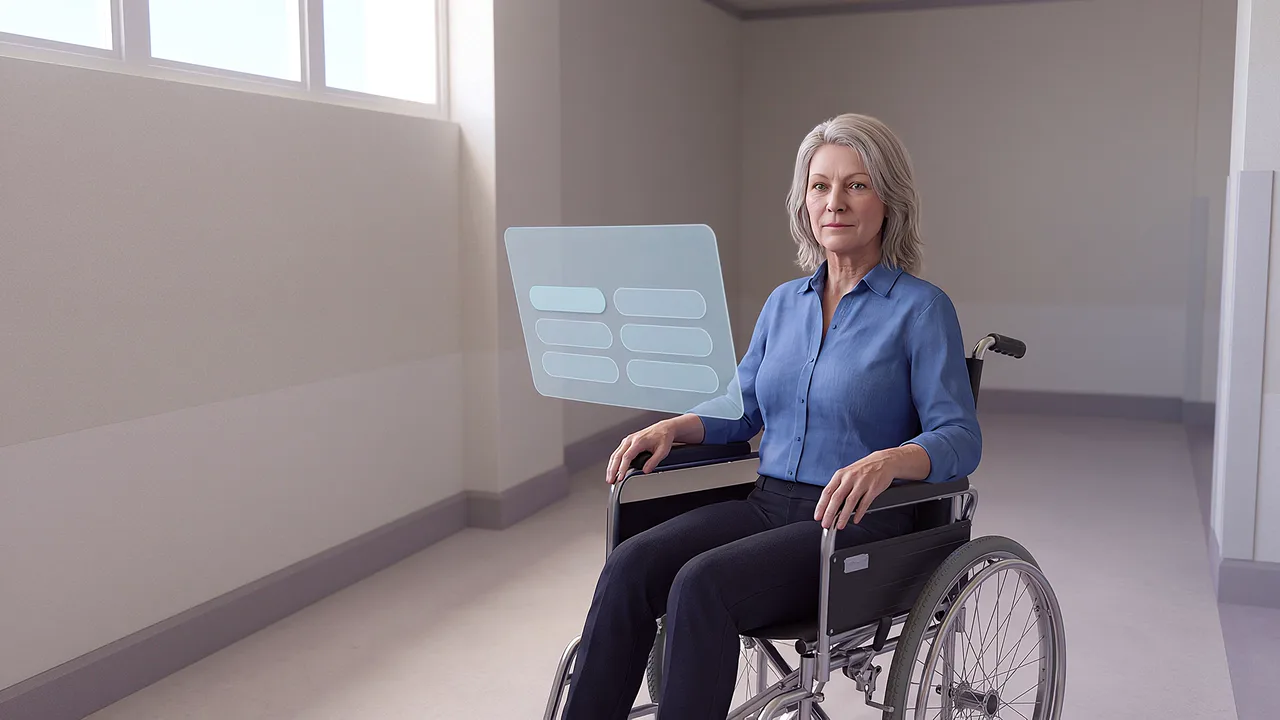
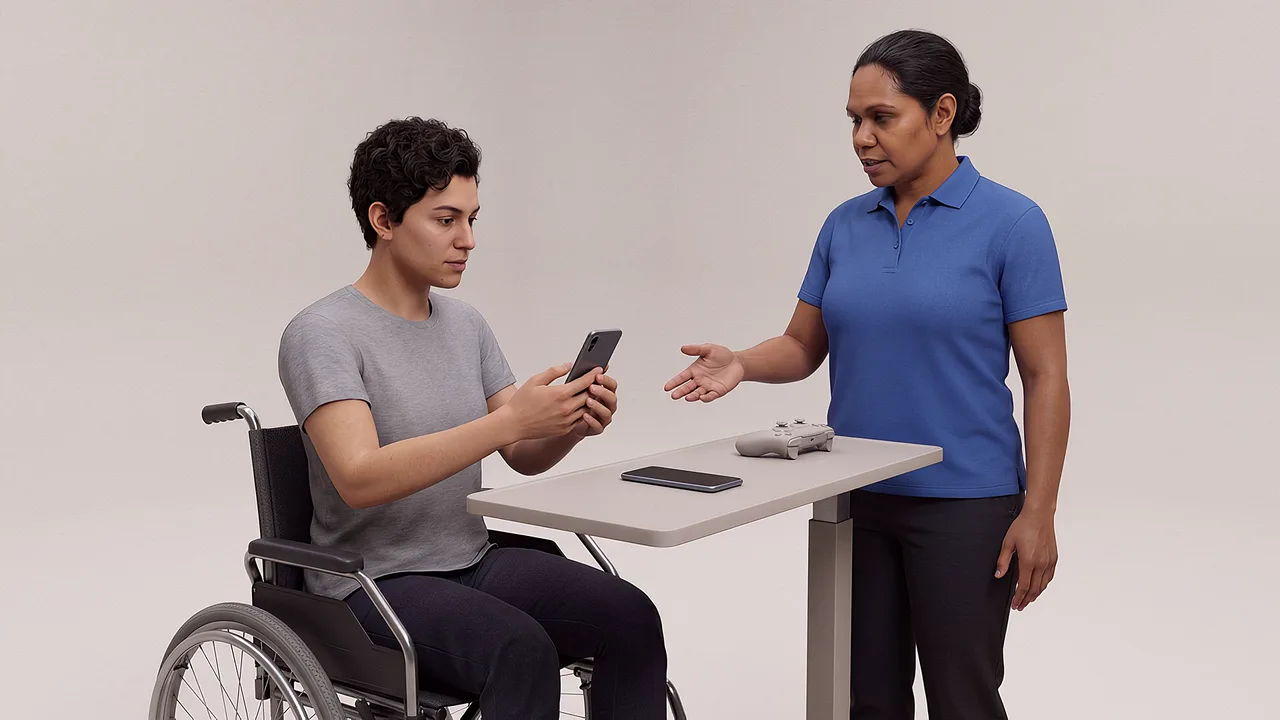
Every term explained here has a place it happens: a choice between access methods, a technician beside an overlay, a facilitator among decision zones, two practice routes side by side.
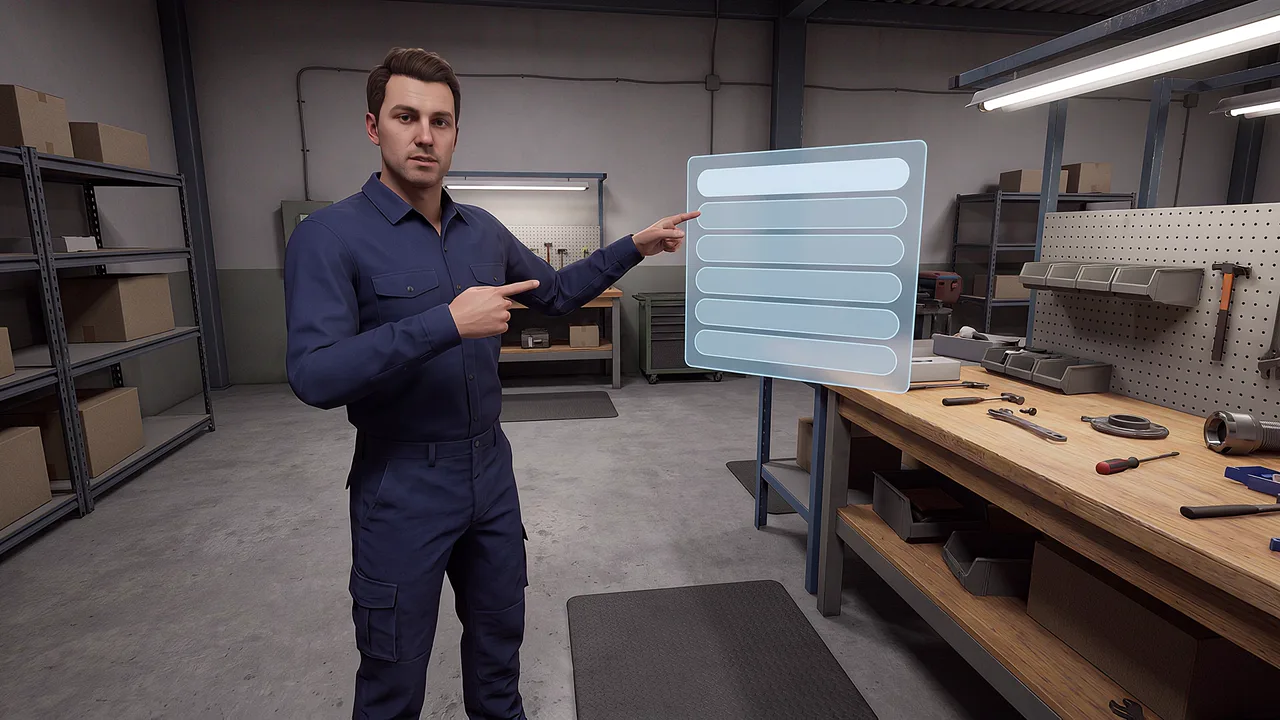
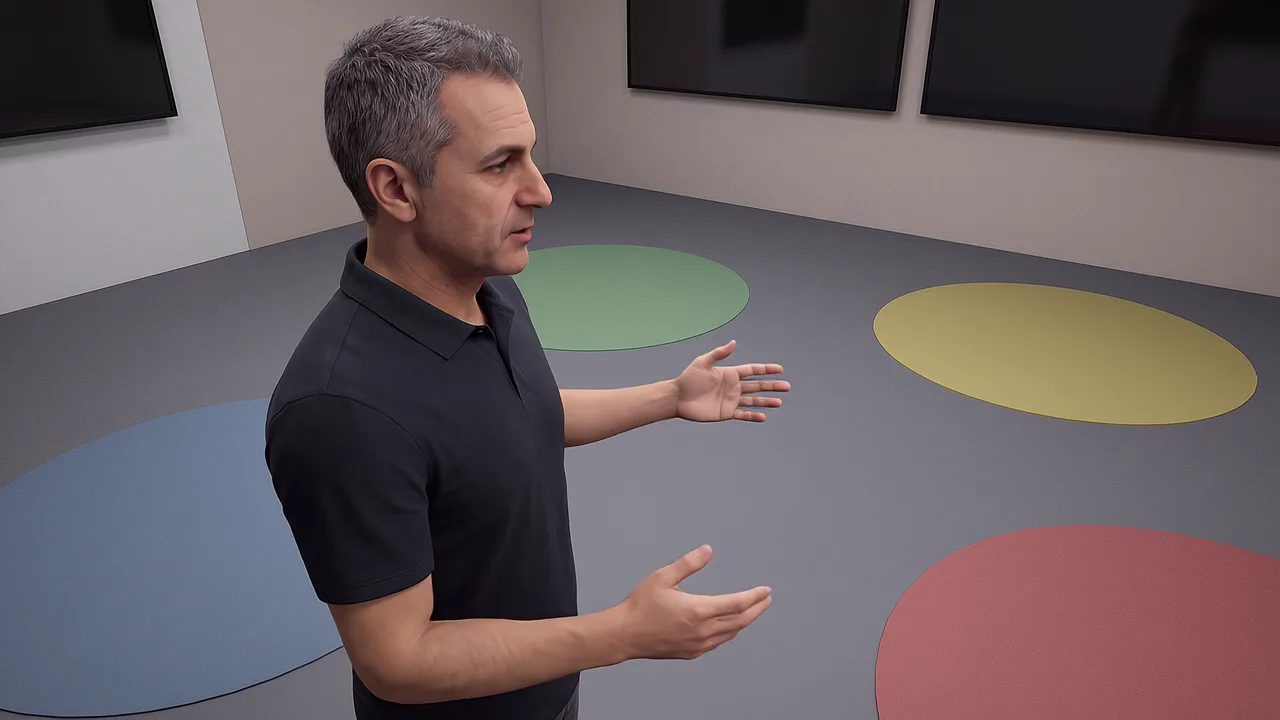
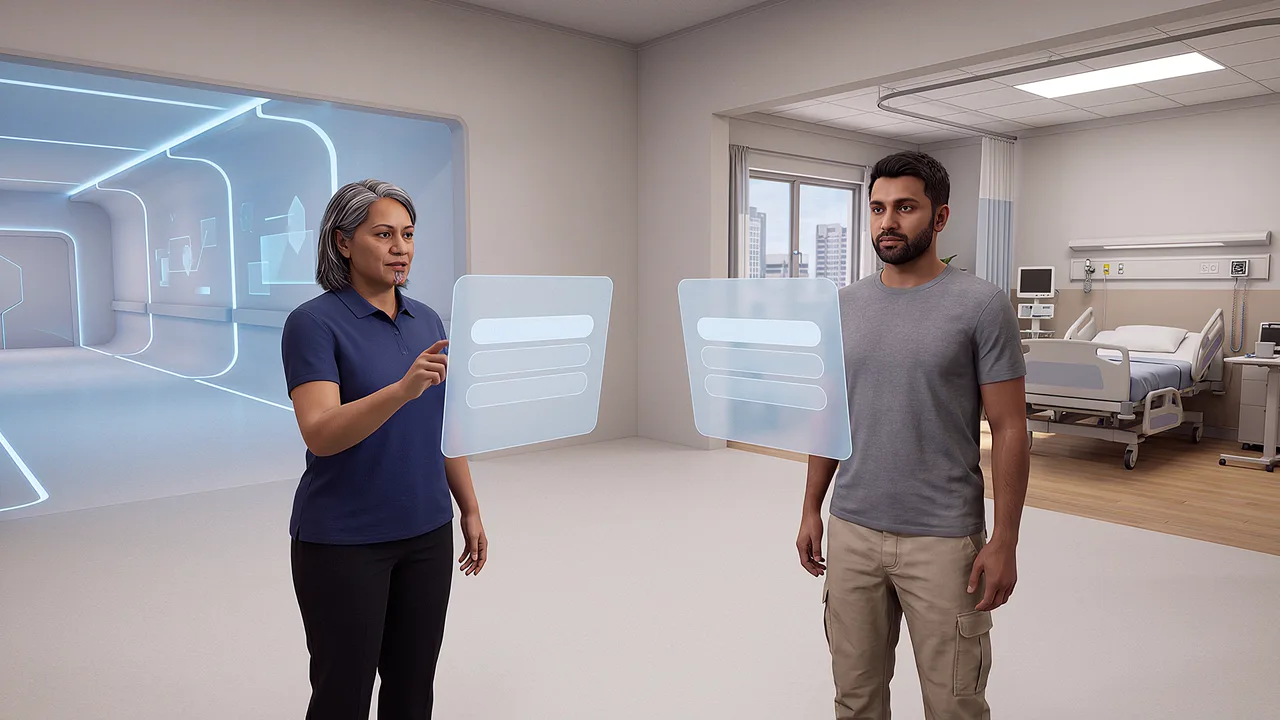
Written from the rooms, not about them
The definitions on this hub come from sessions PTR has run and builds it has shipped, and each guide links to the work it draws on.
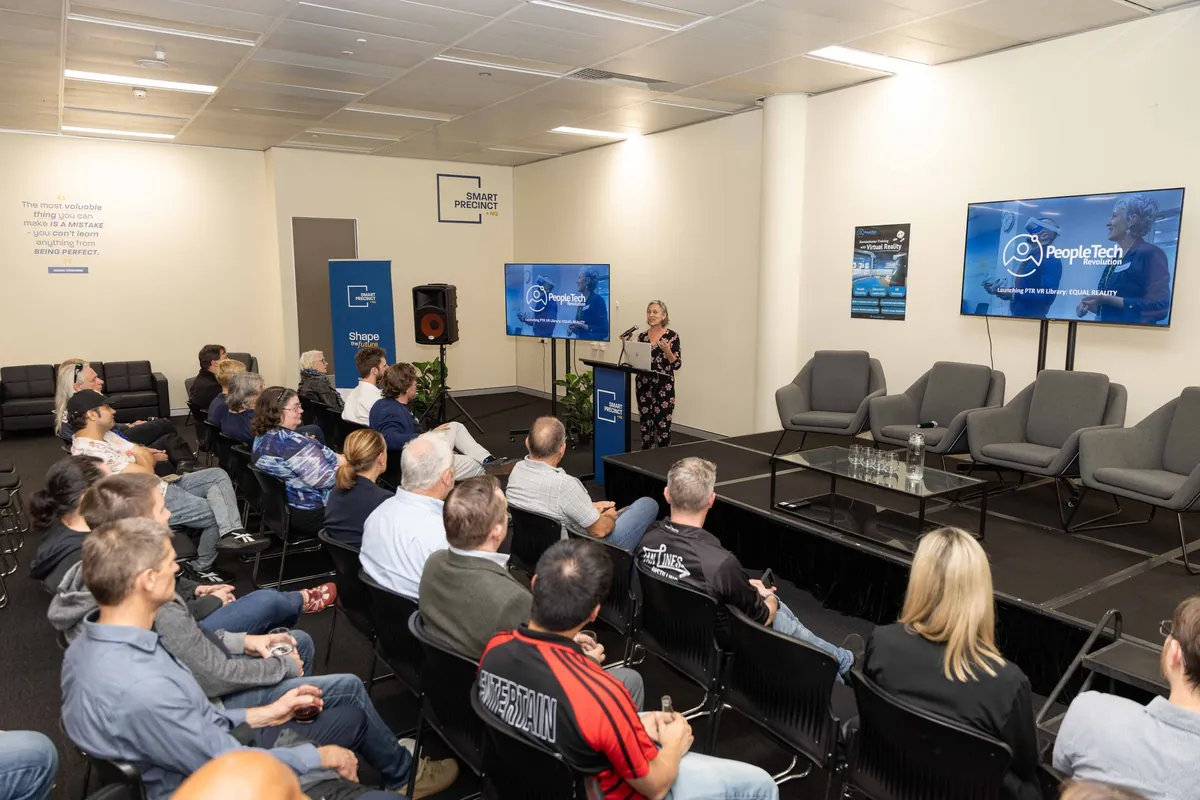
The Townsville launch
The PTR VR Library launched at Smart Precinct NQ in Townsville in July 2024, in front of a full room.
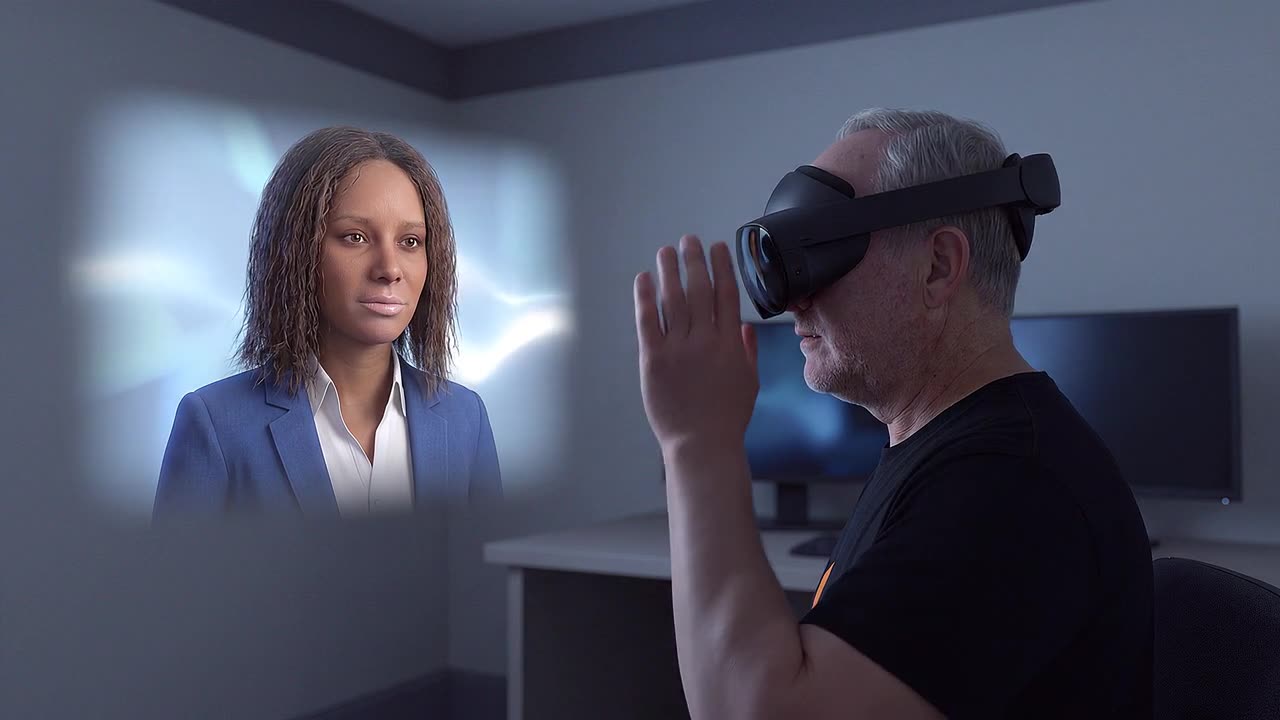
The guides explain the terms that room first heard that night. They cover what a headset does to a room, what a character that answers back is, and how to choose between them.
Still deciding what fits your team?