
Insights for training and safety leaders
What the evidence, the rules and buyer demand say about de-escalation training, and what to do with it.

Research and analysis by Kim Loza, Head of Product at People Tech Revolution
Work health and safety data
Assault claims more than doubled, and speaking up scores lower when the risk is senior
Serious claims for being assaulted at work in Australia rose from 2,211 to 4,667 in the 10 years to June 2024. In the AHRQ US hospital database, staff speaking up about risks to patient care averages 84% positive across hospitals, and 74% when someone with more authority is the risk. Training to de-escalate averages 71%; the composite for addressing aggression from patients or visitors averages 49%.
Evidence
VR practice changed how nursing leaders respond to bias, measured against a control group
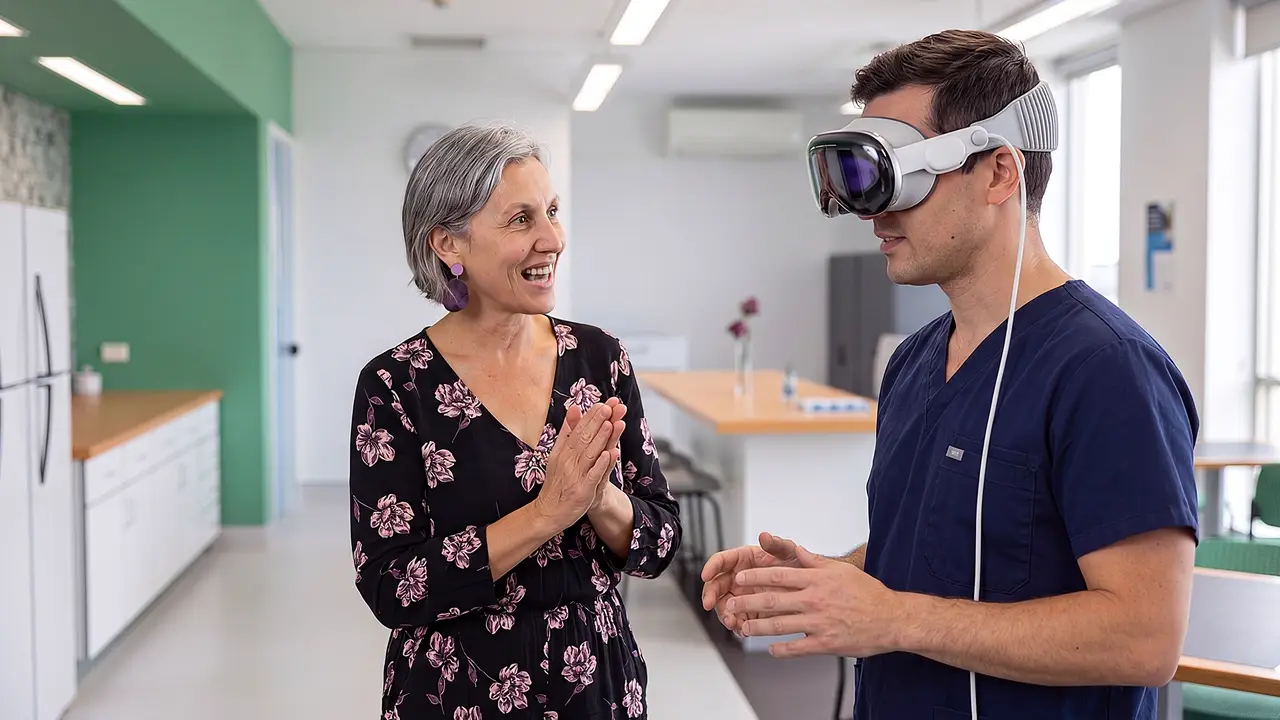
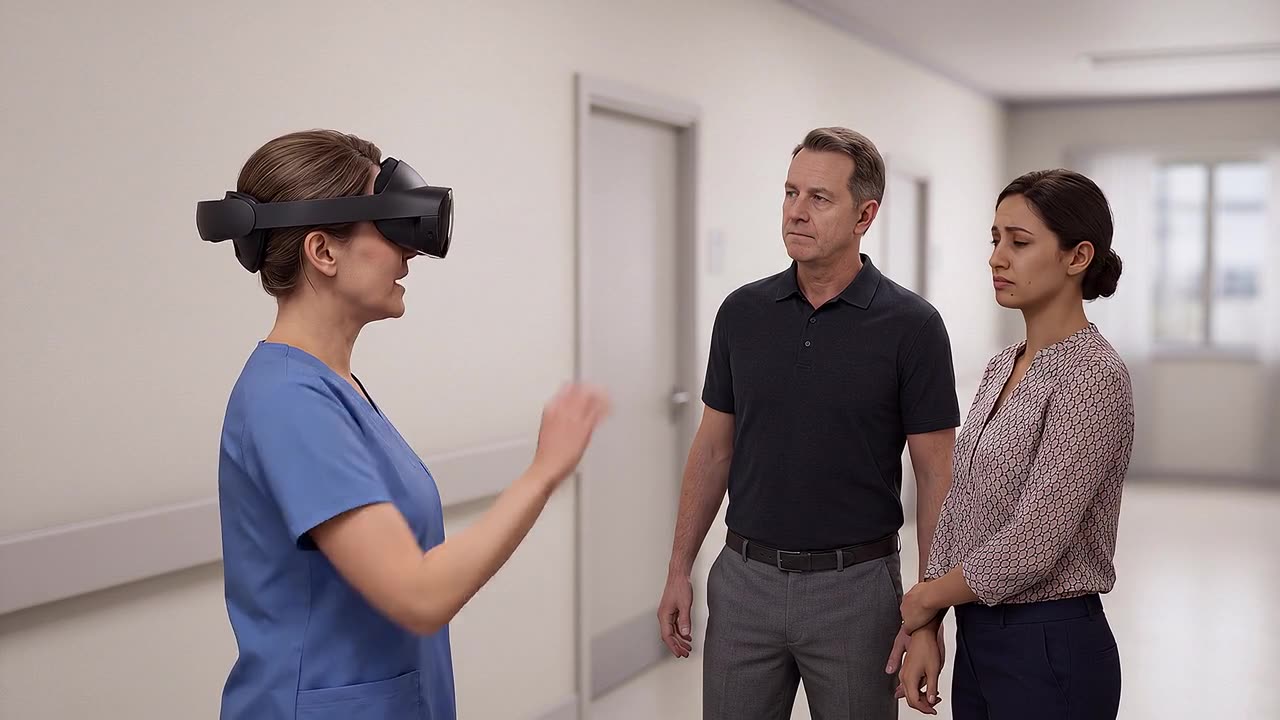
In a Mayo Clinic trial with a control group, leaders who rehearsed in VR gained in empathy and in speaking up for a colleague, relative to leaders who did not. Six to eight months later their scores were still above where they started, though by then there was no control group to compare against. Ask any training provider for that kind of comparison. Read what the trial found.
The rules
US workplace violence rules point the same way, and differ in the detail
The Joint Commission, California, Nevada and Washington were written separately and ask for different things. California asks staff who respond to alarms or confront aggressive people to practise with colleagues and debrief; Nevada asks the same of patient-contact staff, with a record of each session; Washington names hands-on practice or role play; and the Joint Commission sets when training happens. Check your own rule before choosing a program.


Australia
Training only counts as a control if it changes behaviour
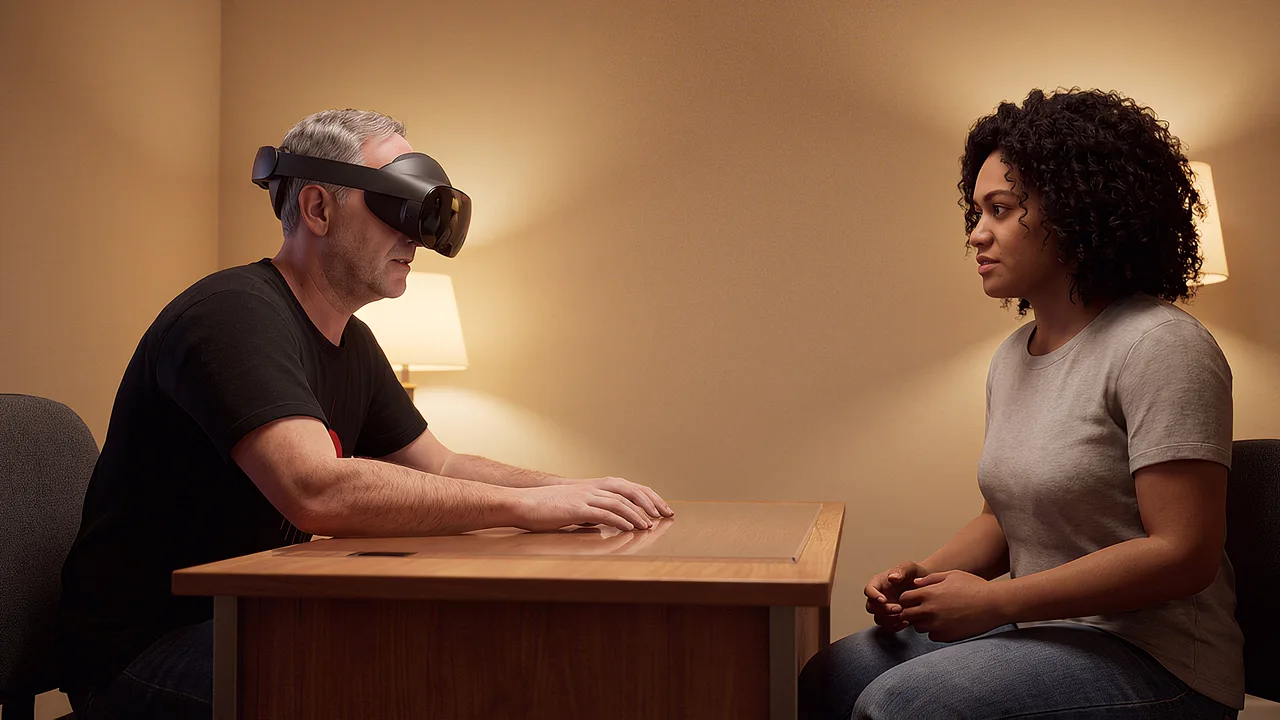
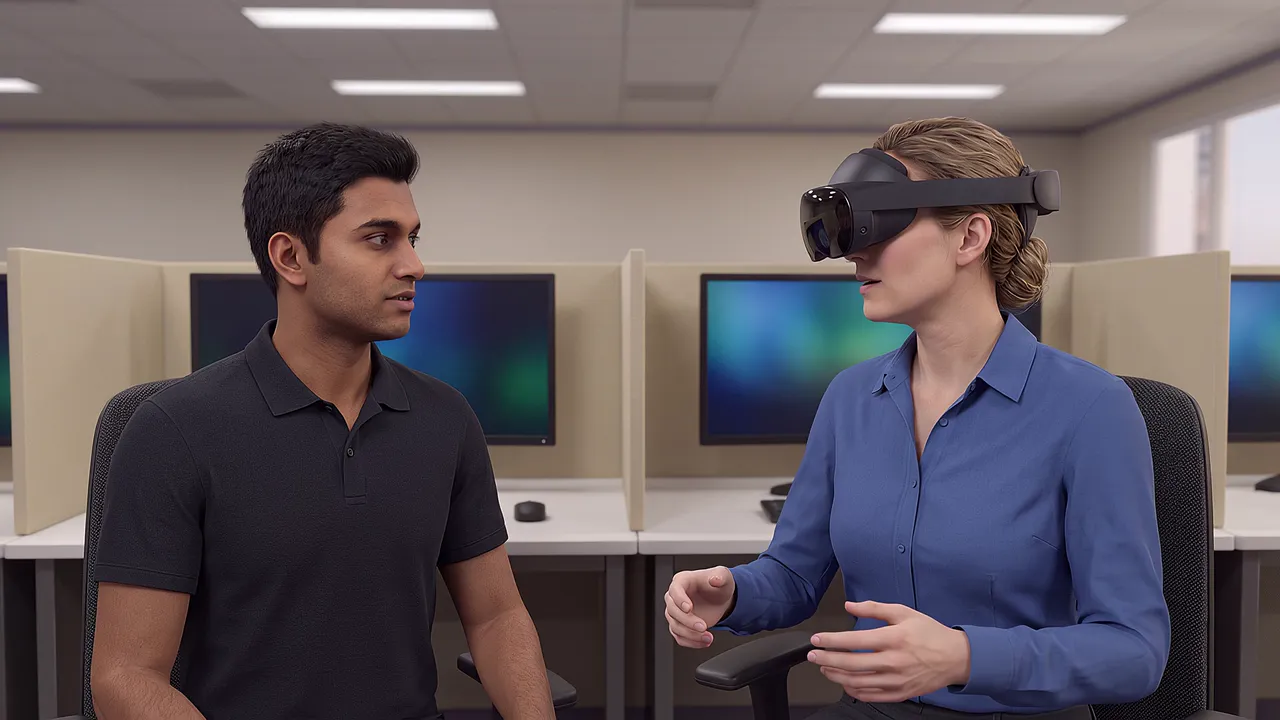
The NSW Healthcare and social assistance industry Code of Practice ranks training among the least effective controls, because it relies on people. Rehearsal that staff repeat, with a record of each attempt, is how training earns its place.

Delivery
Role-play needs a second person. VR and AI take that constraint away
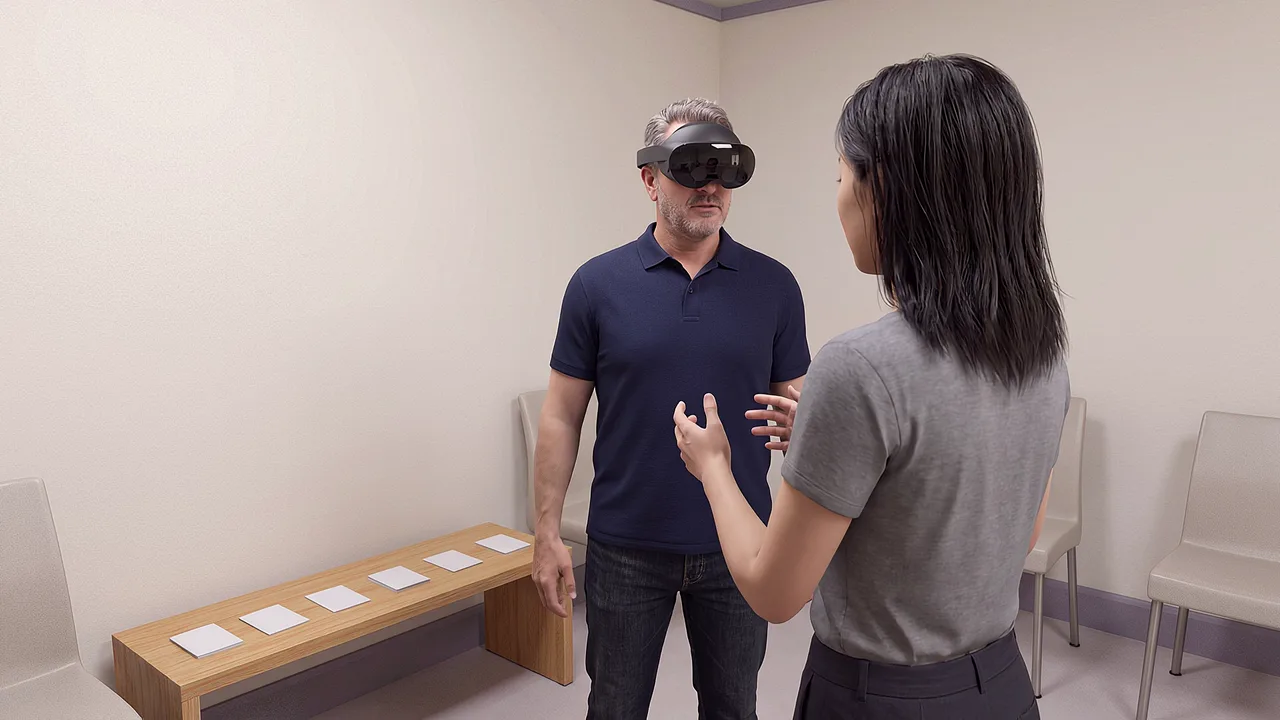
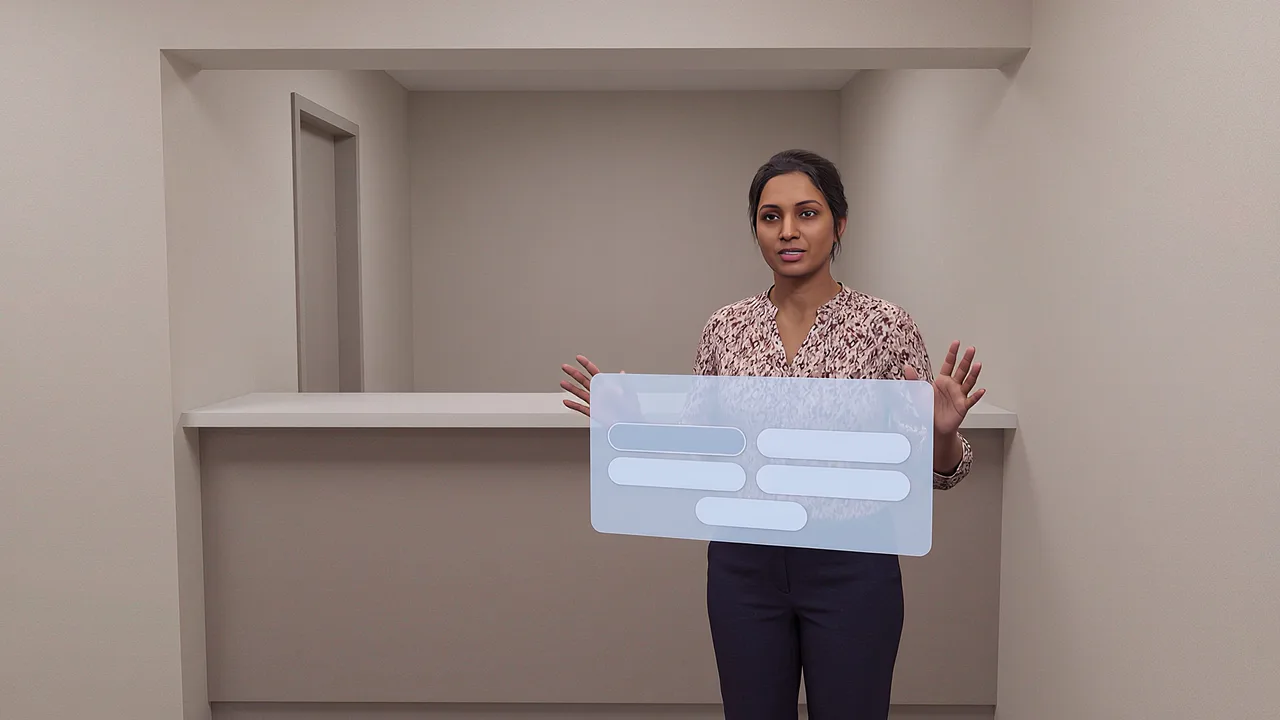
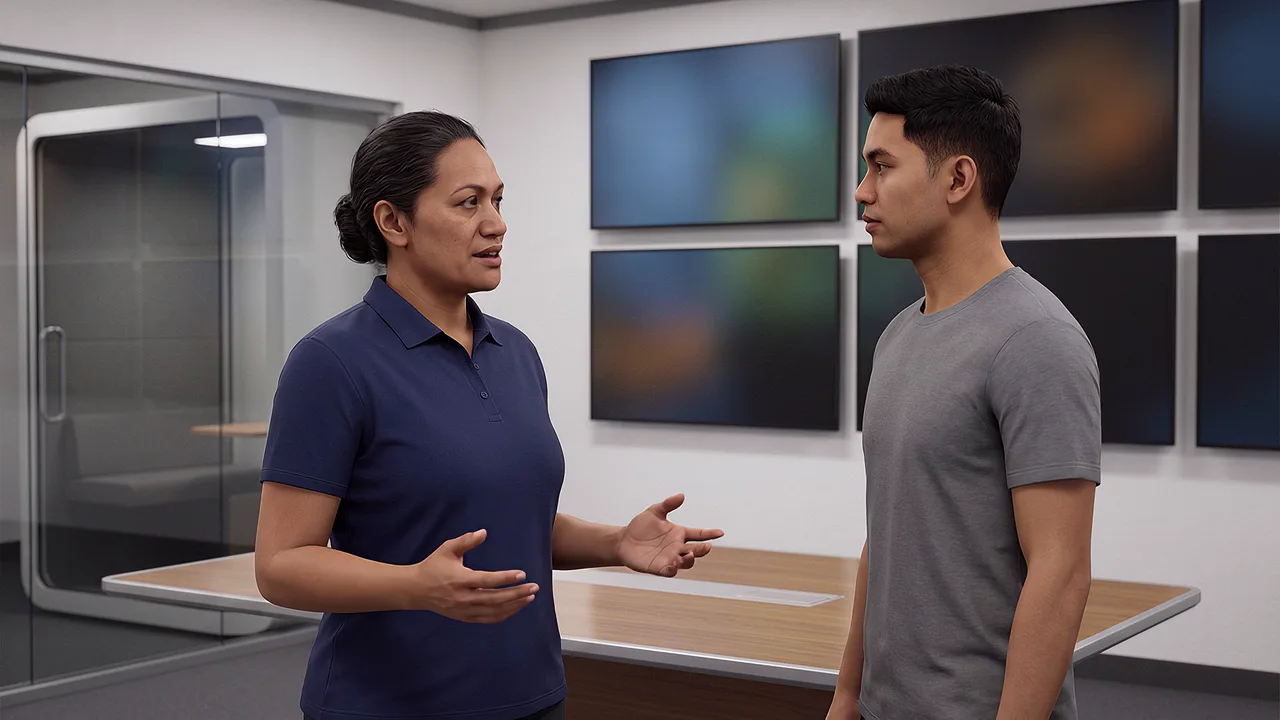
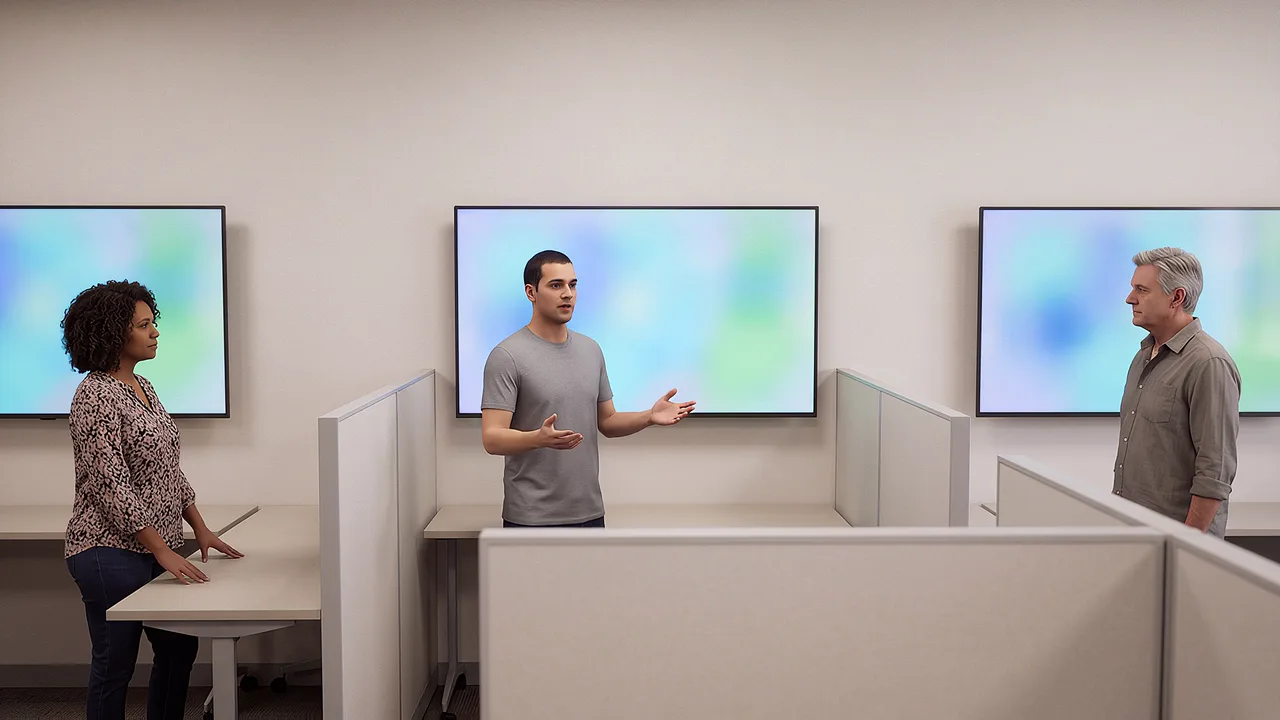
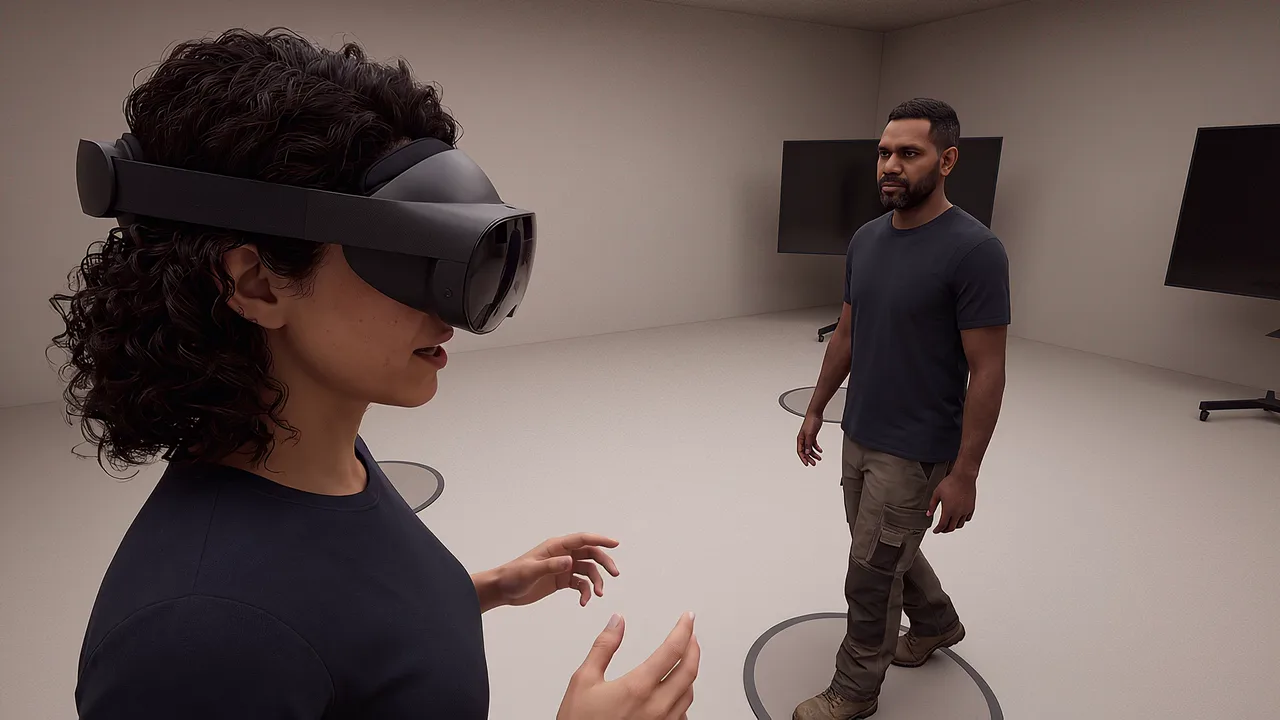
Classroom role-play needs an actor, a room and a facilitator free at the same time. In a headset or with an AI practice partner, staff rehearse between shifts, without waiting for a second person to be free.

Method
Build the scenario and the evaluation before the pilot starts
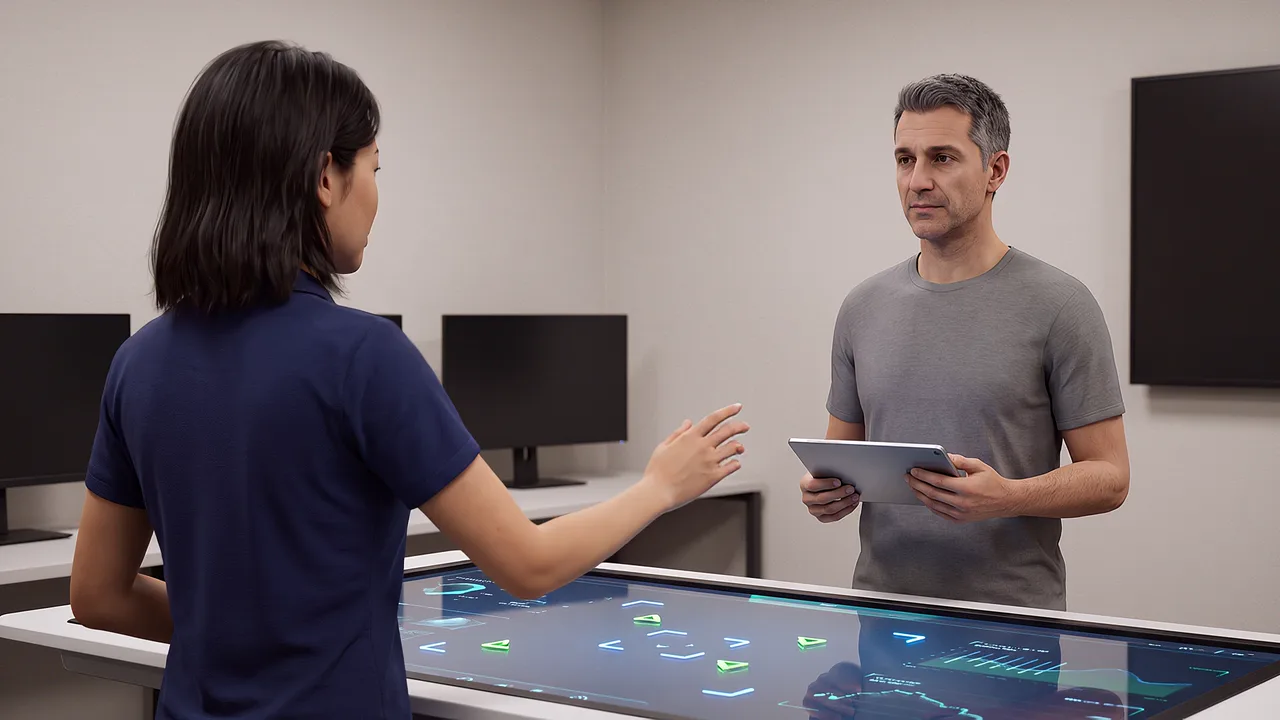
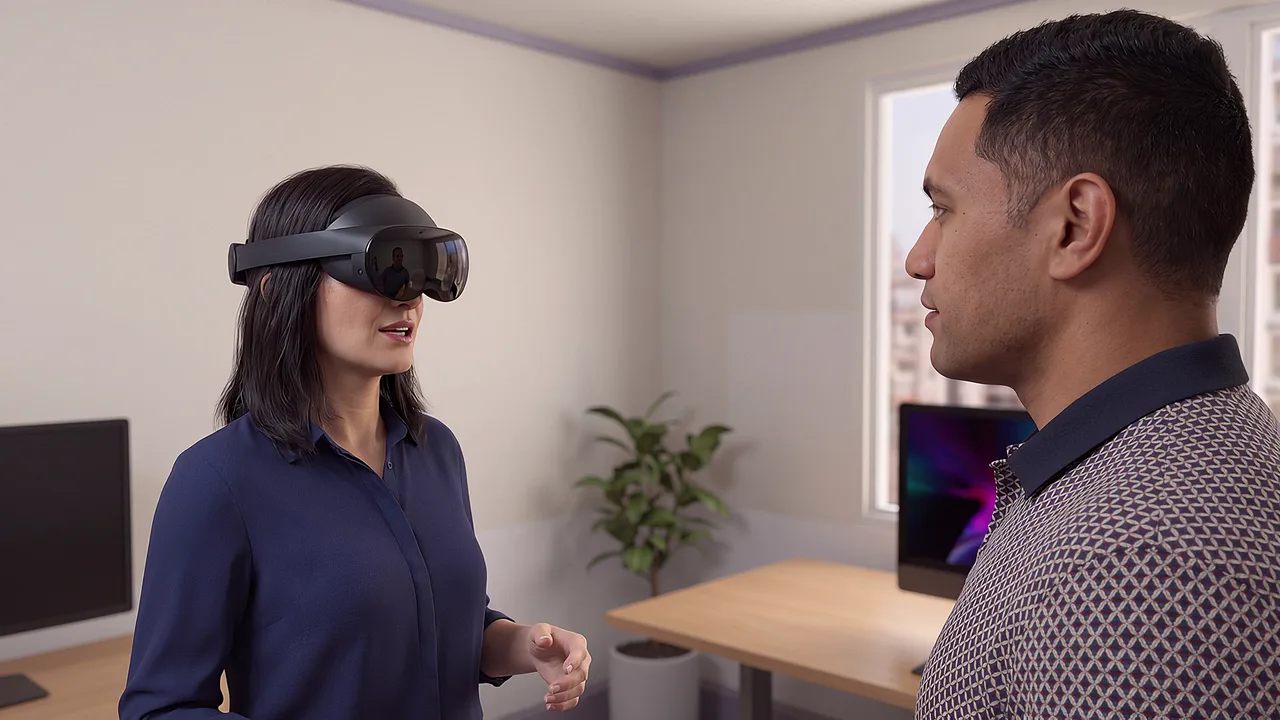
A pilot answers the buyer’s question only if the scene is one staff recognise and the measures were agreed first. Two guides take each step in turn.
Care settings
Restrictive practices, complaints and what the aged care research measured
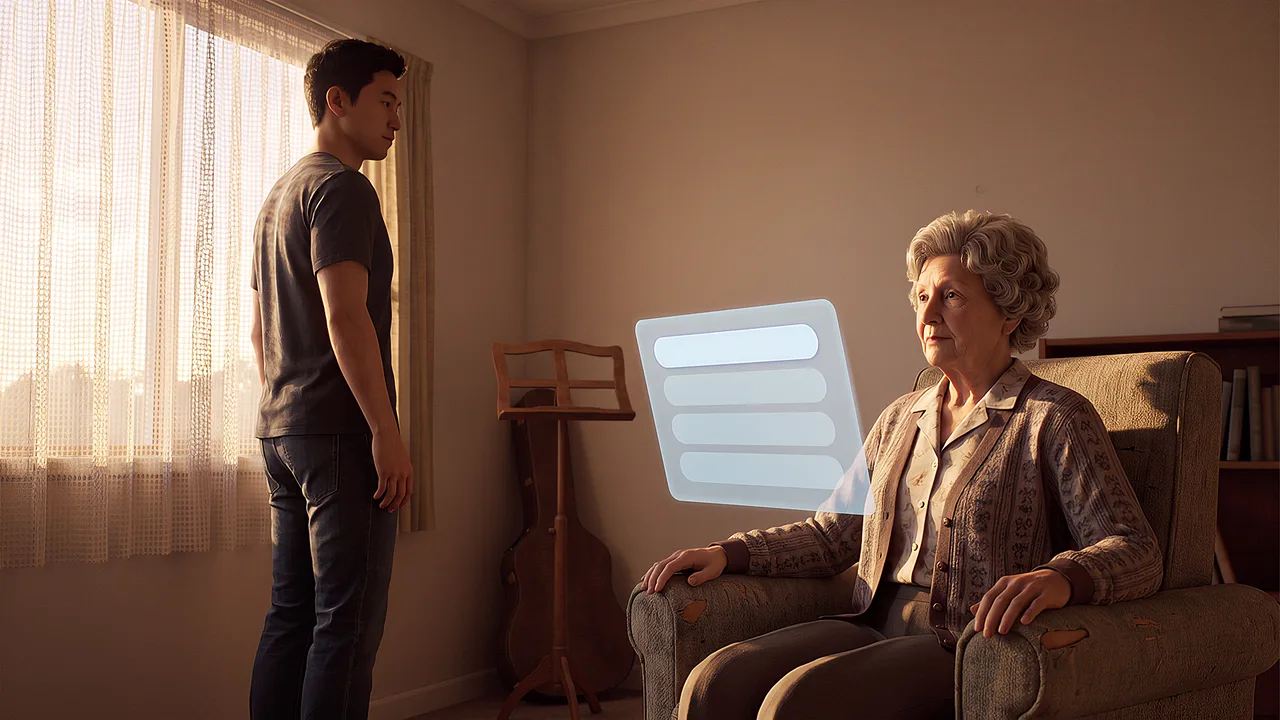
Training, permission, the person’s plan and disclosure are separate duties, and each framework divides them differently. Three analyses compare the rules and set national quality of life data beside the aged care VR research.
Demand
Interest in AI roleplay training is rising in Australia and the United States
In a year of Google Trends data, AI roleplay rose in both countries by the widest margin of any term we tracked, and every Australian term for this training rose. Teams are looking for practice they can run without a headset in the room.


Worldwide
Each market searches for this training in its own words
From January 2019 to August 2026, Google Trends registered Australian searches for occupational violence in 84 of 92 months and for workplace violence training in 0 of 92, Canadian searches for workplace violence training in 69 of 92 and British searches for conflict resolution training in 77 of 92. See every market.

Planning training for difficult conversations?